
Understanding the sales tax landscape is a crucial aspect of planning any trip or investment within a new jurisdiction. For travelers and businesses alike, knowing the applicable tax rates can significantly impact budgets, purchasing decisions, and overall financial planning. In the unique economic environment of New Mexico, the sales tax system presents its own set of intricacies that warrant a closer examination. This guide delves into the core components of New Mexico’s sales tax, offering insights for visitors and those engaging in commerce within the state.
Understanding the New Mexico Sales Tax Framework
New Mexico’s approach to sales tax is a blend of state and local impositions, creating a layered system that varies across different municipalities and counties. This means that the exact sales tax rate you encounter will depend not only on the state’s base rate but also on the specific location within New Mexico where a transaction takes place. This localized application is a key characteristic that sets New Mexico apart from some other states with more uniform sales tax structures.
State Sales Tax: The Foundation
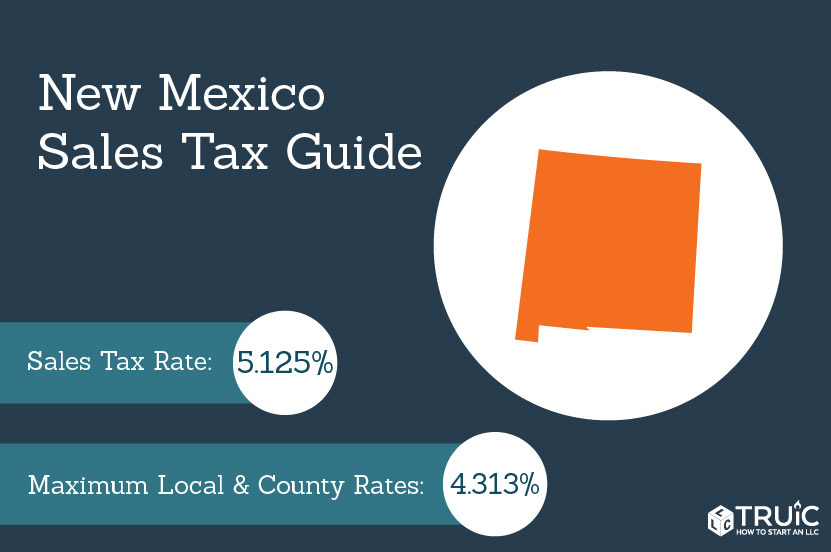
The state of New Mexico levies a Gross Receipts Tax (GRT), which is distinct from a traditional sales tax in that it is imposed on the seller for the privilege of conducting business in the state, rather than directly on the buyer at the point of sale. However, for the consumer, the practical effect is often similar, as businesses typically pass this tax burden onto their customers. The current state GRT rate serves as the foundational layer of taxation, and it is important to note this rate applies across the entire state, irrespective of county or municipal boundaries.
- State GRT Rate: The base state GRT rate in New Mexico is 5.125%. This rate applies to most business transactions and services throughout the state. It’s important for businesses operating in New Mexico to be aware of this rate for their tax filings and for consumers to understand this baseline cost added to goods and services.
Local Taxes: Adding Layers of Complexity
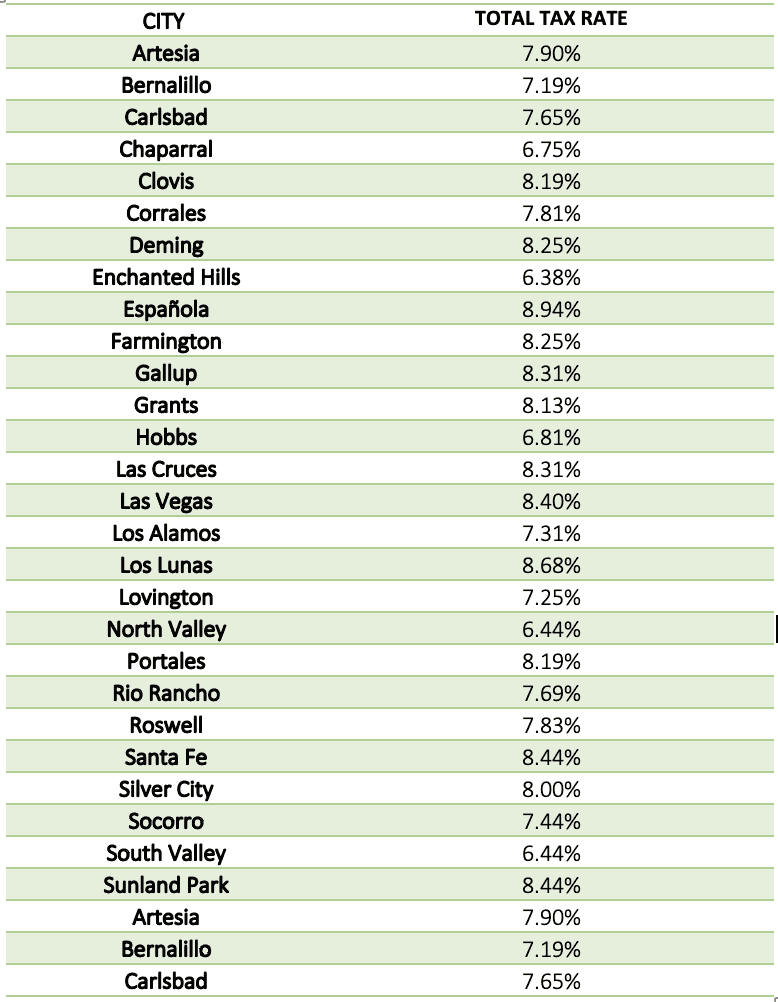
Beyond the state GRT, New Mexico allows its counties and municipalities to impose their own gross receipts taxes. These local taxes are added on top of the state rate, creating a cumulative tax burden that can vary significantly from one area to another. This decentralized approach means that a purchase made in one city might carry a higher overall tax than the same purchase made in a neighboring town.
- County Gross Receipts Taxes: Many New Mexico counties levy their own gross receipts taxes to fund local services and infrastructure. These rates can differ from county to county, with some counties imposing no additional tax while others apply a substantial percentage. For instance, a traveler visiting Santa Fe might encounter a different total tax rate than someone exploring Albuquerque.
- Municipal Gross Receipts Taxes: Similarly, incorporated cities and towns within New Mexico can establish their own municipal gross receipts taxes. These are also intended to support local government functions and can further increase the total GRT for transactions within their corporate limits. The combination of state, county, and municipal GRT rates can result in a considerable tax outlay for consumers in densely populated or economically active areas.
Navigating Sales Tax for Travelers in New Mexico
For tourists and visitors to New Mexico, understanding the sales tax implications is essential for budgeting and making informed purchasing decisions. Whether you are dining at a restaurant in Taos, purchasing souvenirs in Las Cruces, or booking accommodation in a resort town, the GRT will factor into your expenses.
Understanding What is Taxed
In New Mexico, the GRT is generally applied to the total gross receipts of businesses. This encompasses a broad range of transactions, including the sale of tangible personal property, services, and even certain intangible rights. For travelers, this typically means that most purchases will be subject to the combined state and local GRT rates.
- Goods and Merchandise: When you buy clothing, electronics, art, or any other tangible item from a retailer, the applicable GRT will be added to the price. This applies to purchases made in shops throughout the state, from large retail chains to independent boutiques.
- Services: Many services are also subject to the GRT. This can include restaurant meals, hotel stays, car rentals, and various professional services. The specific services taxed can vary based on local ordinances, so it’s always wise to confirm if a service you’re utilizing is subject to an additional tax.
- Accommodation: Hotel stays, resort fees, and other forms of lodging are typically subject to the GRT. The exact rate will depend on the location of the hotel or rental property. For example, a stay at a luxurious resort in the Jemez Mountains will have a specific tax rate that might differ from a hotel in downtown Santa Fe.
Impact on Travel Expenses
The cumulative effect of state and local GRT rates can significantly influence the overall cost of a trip to New Mexico. It’s not just the sticker price of an item or service; the tax adds an additional percentage.
- Dining Out: A meal at a restaurant, even in a smaller town, will have the GRT applied to the bill. This can add several percentage points to your dining expenses, especially in areas with higher combined local GRT rates.
- Souvenir Shopping: If you plan on bringing back mementos from your travels, such as Native American pottery, turquoise jewelry, or local art, remember that the GRT will be added to these purchases. This is particularly relevant when shopping in popular tourist destinations like Canyon Road in Santa Fe.
- Activity Fees: Entrance fees to attractions, guided tours, and other recreational activities may also be subject to the GRT. Always check the total price, including any applicable taxes, when booking tours or purchasing tickets.
Tips for Travelers
To manage your travel budget effectively, consider these tips related to New Mexico’s GRT:
- Research Local Rates: Before traveling to a specific city or region, it can be beneficial to research the combined state and local GRT rates for that area. Websites of the New Mexico Taxation and Revenue Department or local government sites often provide this information.
- Factor Taxes into Budgeting: When planning your itinerary and estimating costs, always factor in the GRT. It’s a good practice to add an estimated 7-8% to your planned expenses for goods and services, though this can be higher in certain localities.
- Understand Exemptions (Limited for Tourists): While there are some exemptions for specific types of businesses or transactions, most typical tourist purchases are taxable. Be wary of claims that certain items or services are tax-free unless they fall under clearly defined state or federal exemptions.
Business and Economic Implications of New Mexico’s GRT
For businesses operating in or considering expanding into New Mexico, a thorough understanding of the Gross Receipts Tax is not just a matter of compliance but also a strategic imperative. The GRT’s structure, particularly its local variations, can influence business location decisions, pricing strategies, and overall profitability.
Business Registration and Compliance
Businesses engaging in the sale of goods or services in New Mexico are generally required to register with the New Mexico Taxation and Revenue Department and obtain a CRS (Combined Reporting System) identification number. This registration is necessary for remitting the collected GRT to the state.
- Reporting Requirements: Businesses must file regular tax returns, typically on a monthly or quarterly basis, reporting their gross receipts and the associated GRT. Accurate record-keeping is paramount to ensure proper reporting and avoid penalties.
- Tax Remittance: The collected GRT must be remitted to the state by the due date of the tax return. The state then distributes the appropriate portions of the revenue to the counties and municipalities that levied the local GRT.
Impact on Business Costs and Pricing
The GRT directly affects a business’s cost of doing business and its ability to compete. Because the tax is imposed on the seller’s receipts, businesses must decide whether to absorb the tax, pass it on entirely to consumers, or implement a hybrid approach.
- Pricing Strategies: Businesses in areas with high combined GRT rates may find it challenging to price their products or services competitively, especially if they are competing with businesses in lower-tax jurisdictions or with online retailers not subject to the same state-level regulations.
- Location Decisions: The significant variation in local GRT rates across New Mexico can be a deciding factor for businesses choosing where to establish operations. A business might opt for a location with lower local GRT rates to reduce its operational costs. This is a strategic consideration for businesses looking to establish a physical presence, such as a new restaurant in Farmington or a retail store in Roswell.
Economic Development and Tax Incentives
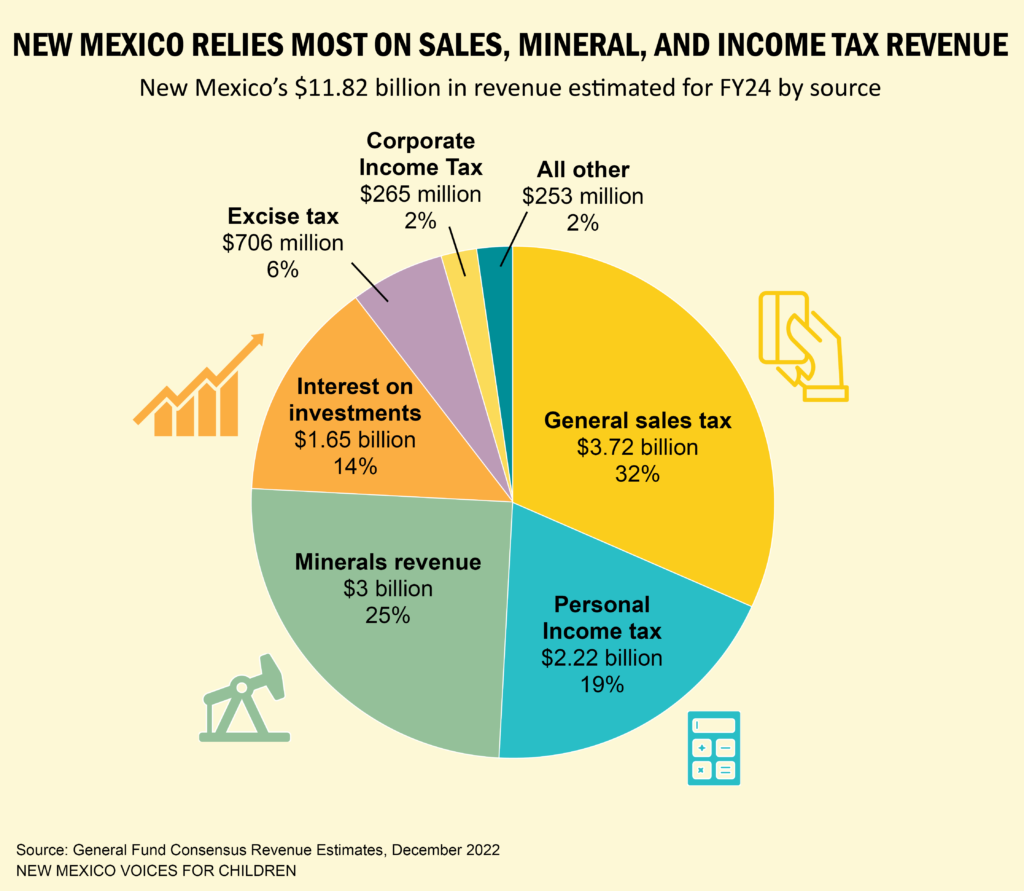
The New Mexico legislature has recognized the impact of the GRT and has implemented various measures to foster economic development. These include tax credits, exemptions, and incentive programs designed to attract new businesses and encourage growth in specific sectors or regions.
- Manufacturing and Research & Development: New Mexico offers significant GRT exemptions and credits for businesses involved in manufacturing and research and development activities. These incentives aim to make the state more attractive for industries that contribute to job creation and technological advancement.
- Strategic Infrastructure Projects: Investment in infrastructure projects, such as expanding utility services or improving transportation networks, can also be supported through GRT revenue. Understanding how these local revenues are utilized can provide insights into a region’s development priorities.
Specific Considerations for Different Transactions
While the GRT is a broad-based tax, certain types of transactions may have specific rules, exemptions, or reporting requirements that are worth noting. These nuances can affect how the tax is applied and collected.
Services Subject to GRT
As mentioned earlier, a wide array of services are subject to the GRT in New Mexico. It’s crucial for both businesses and consumers to be aware of what services fall under this umbrella.
- Professional Services: Many professional services, including those provided by lawyers, accountants, consultants, and real estate agents, are typically subject to the GRT.
- Repair and Maintenance: Services related to the repair, maintenance, or improvement of tangible property are generally taxable.
- Hospitality Services: This includes not only hotel stays but also restaurant services, catering, and event hosting. The dining experience in a popular spot like El Pinto in Albuquerque will include the GRT.
Tangible Personal Property and Retail Sales
The taxation of tangible personal property is perhaps the most straightforward aspect of the GRT for consumers. When you purchase a physical item, the GRT applies.
- Retail Goods: From groceries (though some are exempt) to electronics, clothing, and home furnishings, retail sales are consistently subject to the GRT.
- Motor Vehicles: The sale of new and used motor vehicles is also subject to the GRT, though specific rules and credit may apply for trade-ins.
Exemptions and Deductions
While the GRT is comprehensive, New Mexico does provide certain exemptions and deductions. These are often designed to stimulate specific economic activities or provide relief in particular circumstances.
- Food for Home Consumption: A significant exemption exists for the sale of most food products intended for consumption off-premises, meaning groceries purchased at a supermarket are generally not subject to the GRT. However, prepared foods from restaurants or delis would be taxable.
- Sales for Resale: Businesses that purchase goods solely for the purpose of reselling them to their own customers are generally exempt from paying the GRT on those purchases, as the tax will be collected by the subsequent seller.
- Certain Services and Industries: The state offers specific exemptions for certain industries and services, often tied to economic development goals. For example, certain healthcare services or agricultural activities might qualify for exemptions.
In conclusion, the sales tax system in New Mexico, primarily structured around the Gross Receipts Tax, is characterized by its state-level foundation and significant local variations. Understanding these layers is essential for travelers seeking to budget their trips accurately and for businesses navigating the economic landscape of the state. By staying informed about the applicable rates and any relevant exemptions, individuals and businesses can make more informed decisions and optimize their financial planning within New Mexico.
LifeOutOfTheBox is a participant in the Amazon Services LLC Associates Program, an affiliate advertising program designed to provide a means for sites to earn advertising fees by advertising and linking to Amazon.com. Amazon, the Amazon logo, AmazonSupply, and the AmazonSupply logo are trademarks of Amazon.com, Inc. or its affiliates. As an Amazon Associate we earn affiliate commissions from qualifying purchases.