
Establishing residency in California, often referred to as the Golden State, is a multifaceted process that extends far beyond simply choosing a new address. It signifies a clear intent to make California your permanent home, establishing deep roots within its vibrant communities and diverse landscapes. For those contemplating a long-term stay, understanding the nuances of residency, particularly as they relate to securing and maintaining suitable accommodation, is paramount. This guide delves into the practical aspects of establishing a durable presence in California, focusing on how your long-term living arrangements are inextricably linked to your residency status.
Understanding California Residency: More Than Just a Zip Code
Residency in California is not merely a formality but a declaration of your commitment to the state. It impacts everything from taxes and vehicle registration to tuition fees and access to state services. For anyone planning a long-term stay, grasping the definition and implications of this status is the first critical step.
What Defines Residency?
At its core, California residency hinges on the concept of “domicile.” Your domicile is where you intend to live permanently, and it’s evidenced by your actions rather than just your statements. The state government, particularly the Franchise Tax Board (FTB), looks for a convergence of factors to determine if you have established a California domicile. These factors are heavily influenced by your long-term accommodation choices and other practical ties to the state.
Key indicators include:
- Physical Presence: Spending a significant amount of time in California. While there’s no magic number of days, regular and prolonged stays are crucial.
- Primary Residence: Establishing your main home in California, evidenced by a lease agreement, property ownership, utility bills, and mailing address.
- Intent to Remain: Demonstrating an intention to live in California indefinitely. This is where your long-term accommodation plays a significant role, as a short-term rental or hotel stay typically doesn’t convey permanent intent.
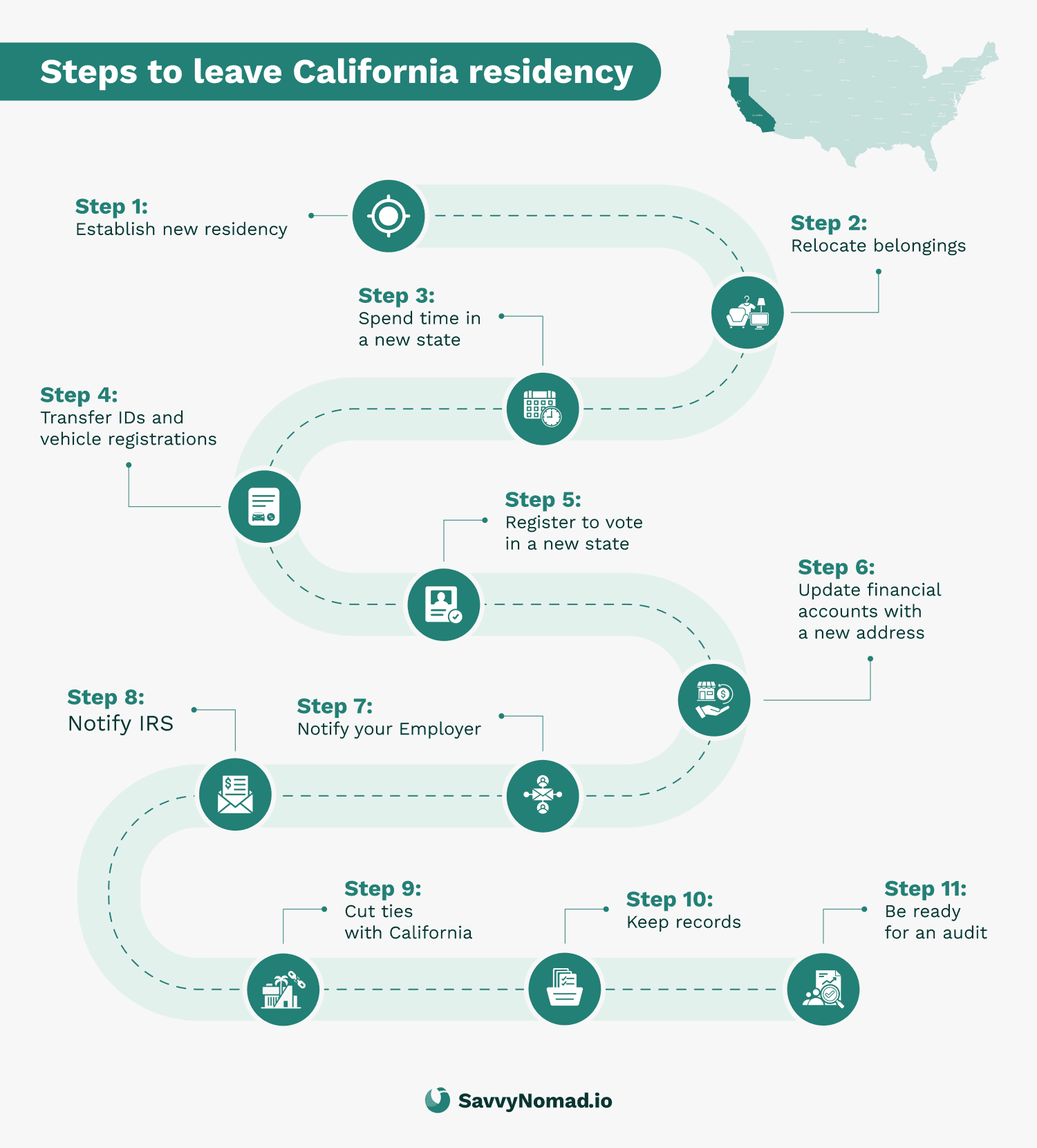
- Severing Ties with Former State: Reducing connections with your previous state of residence, such as selling property, closing bank accounts, or canceling memberships.
- Establishing California Ties: Obtaining a California driver’s license or identification card, registering your vehicles in California, registering to vote, opening bank accounts, and establishing professional licenses or employment within the state.
Crucially, your choice of long-term accommodation, whether renting an apartment in San Francisco or purchasing a home in Orange County, serves as compelling evidence of your physical presence and intent to remain.
Why Establish Residency?
Beyond the legal and tax obligations, formally establishing residency in California unlocks a host of benefits and privileges essential for anyone planning a long-term stay. These include:
- In-State Tuition: A significant financial advantage for students attending public universities and colleges like the University of California (UC) or California State University (CSU) systems.
- Voting Rights: The ability to participate in California’s local, state, and federal elections.
- Access to State Services: Eligibility for various state programs, healthcare services, and social benefits.
- Vehicle Registration and Driver’s License: Legally required for operating a vehicle in the state, making daily life easier and compliant.
- Professional Licensing: Necessary for many professions that require a state-specific license.
For those embracing a long-term lifestyle in California, establishing residency is not merely a bureaucratic hurdle but a gateway to fully integrating into the state’s economic, social, and cultural fabric.
Navigating the Golden State’s Long-Term Accommodation Market
Once the intent to establish residency is firm, the practical pursuit of suitable long-term accommodation becomes a central task. California’s housing market is notoriously diverse and competitive, requiring strategic planning and realistic expectations. Your choice of accommodation will not only shape your daily life but also serve as primary evidence for your residency claims.
Rental Realities: Apartments, Houses, and Shared Living
Renting is often the first step for many establishing residency in California. The rental market varies dramatically across the state, from the high-demand urban centers to more affordable rural areas.
- Apartments: Range from luxury high-rises in Los Angeles to more modest complexes in suburban areas. Securing an apartment typically requires a formal lease agreement, which is excellent documentation for residency. Be prepared for high security deposits and first/last month’s rent upfront, especially in competitive markets like San Diego or San Jose.
- Houses: Renting a single-family home offers more space and privacy but usually comes with a higher price tag. This option is popular for families or those seeking a yard. Lease terms are similar to apartments, offering robust proof of address.
- Shared Living: Given the high cost of living in many California cities, shared living arrangements (roommates) are common. While a formal lease is still ideal, even a sublease agreement or a notarized letter from the primary tenant, along with utility bills in your name, can help establish your residency.
When searching for long-term rentals, utilize reputable online platforms and local real estate agents. Be prepared with a strong rental application, including proof of income, good credit history, and references. The lease agreement will be a cornerstone of your residency documentation.
The Homeownership Dream: Buying Property in California
For those with a more established financial footing and a clear long-term vision, purchasing a home in California provides the strongest evidence of permanent intent. From sprawling estates in Malibu to charming bungalows in Oakland, the options are vast, but so are the price tags.
- Market Dynamics: California’s real estate market is dynamic and often competitive. Working with an experienced local real estate agent is crucial.
- Mortgage and Financing: Securing a mortgage will require a solid financial history and significant down payment. Pre-approval for a mortgage is advisable before beginning your search.
- Property Taxes: Be aware of California’s property tax rates, which can vary by county and are subject to local assessments.
- Homeownership as Proof: The deed to your property, property tax statements, and utility bills associated with your owned home unequivocally demonstrate your long-term accommodation and intent to reside in California.
Whether renting or buying, the goal is to secure a stable, long-term accommodation that clearly establishes your physical presence and intention to make California your permanent home.
Securing Your Long-Term Stay: Essential Steps and Considerations
Beyond simply finding a place to live, actively taking steps to tie your long-term accommodation to your overall residency claim is crucial. This involves careful documentation and financial planning.
Documentation for Residency: Your Address is Key
The address of your long-term accommodation serves as the central pillar for most residency-related documentation.
- Lease Agreements/Property Deeds: These are primary proofs of your California address and long-term intent.
- Utility Bills: Gas, electricity, water, internet bills in your name, delivered to your California address, are strong supporting documents.
- Mail Forwarding: Set up mail forwarding from your previous address to your new California address.
- Bank Statements: Update your banking information to reflect your new California address. Opening a new account with a local branch can also be beneficial.
- Employer Documentation: If employed in California, pay stubs or an employment verification letter showing your California address are valuable.
These documents are frequently requested by the Department of Motor Vehicles (DMV) for a driver’s license, by schools for enrollment, and by various state agencies for services.
Financial Preparedness for California Living
The cost of long-term accommodation in California is a significant factor. Being financially prepared is not just about affording rent or a mortgage but also demonstrating stability, which indirectly supports your residency claim.
- Cost of Living: Research the cost of living in your chosen California region beyond just housing. Groceries, transportation, utilities, and entertainment can all be higher than the national average.
- Savings: Having a robust savings cushion is advisable, especially during the initial transition period when unexpected expenses may arise.
- Budgeting: Develop a realistic budget that accounts for all your anticipated expenses in California to ensure sustainable long-term living.
- Credit Score: A good credit score will be crucial for securing favorable rental terms, loans, and other financial services in California.
Demonstrating financial self-sufficiency is an implicit part of establishing permanent roots, as it shows you are capable of maintaining your long-term accommodation and overall lifestyle in the state.
Choosing Your California Home: Regional Accommodation Insights
California is geographically diverse, and the long-term accommodation landscape varies dramatically from one region to another. Your choice of where to settle will significantly influence your cost of living, lifestyle, and the ease of securing housing.
Urban vs. Suburban vs. Rural Living
- Urban Centers: Cities like Los Angeles, San Francisco, and San Diego offer vibrant cultural scenes, numerous job opportunities, and extensive public transit. However, they come with the highest accommodation costs, often requiring compromises on space. Long-term apartments are the most common form of accommodation.
- Suburban Areas: Communities surrounding major cities, such as those in the San Fernando Valley near Los Angeles or Silicon Valley adjacent to San Jose, offer a balance of accessibility to urban amenities and typically more spacious, family-friendly housing options, often at a slightly lower price point than downtown areas. Renting or buying single-family homes is more prevalent here.
- Rural Regions: Areas like the Central Valley, the Sierra Nevada foothills, or parts of Northern California provide a tranquil lifestyle, more affordable housing, and closer proximity to nature. Job opportunities may be more specialized, and public amenities less dense. Long-term accommodation typically involves houses or larger properties.
Cost of Living Across California’s Diverse Regions
Understanding regional variations in accommodation costs is vital for successful long-term planning.
- Coastal Metropolises: San Francisco, Los Angeles, and San Diego consistently rank among the most expensive cities in the U.S. for housing. Rent for a one-bedroom apartment can easily exceed $2,500-$3,000, and home prices are often in the high six figures or millions.
- Inland Empire/Sacramento: Regions like the Inland Empire (Riverside and San Bernardino counties) and the state capital of Sacramento offer comparatively more affordable long-term accommodation options, though prices have been steadily rising. These areas present a viable option for those seeking a balance between urban access and affordability.
- Rural/Mountain Areas: The most budget-friendly options for long-term accommodation are typically found in California’s less populated rural and mountain communities, where housing costs can be significantly lower. However, these areas might require a different lifestyle adjustment and career path.
Careful consideration of these regional differences will allow you to align your accommodation budget with your desired lifestyle and career goals, making your long-term residency in California a sustainable reality.
Practical Tips for a Smooth Transition to California Residency
Establishing residency and securing long-term accommodation in California can be a complex undertaking. A proactive approach, armed with the right knowledge, can streamline the process.
Understanding Lease Agreements and Tenant Rights
For renters, thoroughly understanding California’s tenant-friendly laws is essential.
- Lease Review: Always read your lease agreement carefully. Understand the terms regarding rent, security deposits, maintenance responsibilities, pet policies, and termination clauses.
- Rent Control: Be aware that some California cities have rent control ordinances, which can provide tenants with additional protections.
- Tenant Rights: Familiarize yourself with your rights as a tenant, including protections against unlawful eviction, rights to habitable living conditions, and procedures for returning security deposits. Resources from the California Department of Consumer Affairs can be invaluable.
- Documentation: Keep meticulous records of all communications with your landlord, rent payments, and property condition upon move-in and move-out.
Settling In: Utilities, Services, and Community
Beyond the legalities of residency and the logistics of accommodation, integrating into your new California community is vital for a successful long-term stay.
- Utility Setup: As soon as you have a confirmed long-term address, set up your electricity (e.g., Pacific Gas and Electric Company, Southern California Edison), gas, water, and internet services in your name. These bills will serve as additional proof of residency.
- Local Registrations: Register your vehicle with the California DMV and obtain a California driver’s license within a reasonable timeframe after establishing residency (typically 10-20 days). Register to vote.
- Community Engagement: Explore local community centers, parks, and events to meet new people and integrate into the local culture. Joining local clubs or volunteer groups can help establish a strong social network.
- Healthcare: Research California’s healthcare options and secure health insurance.
Avoiding Common Pitfalls
- Procrastination: Do not delay in updating official documents (DMV, voter registration, banking) to reflect your California address. Delays can complicate your residency claim.
- Incomplete Documentation: Always retain copies of all documents related to your accommodation and residency. Digital and physical copies are recommended.
- Misunderstanding Intent: Remember that intent is key. Simply having a P.O. box or a temporary rental will not typically suffice to establish residency, especially if you maintain significant ties to another state. Your long-term accommodation must clearly demonstrate your commitment to California.
By diligently addressing your long-term accommodation needs and proactively establishing all the practical ties to the Golden State, you can smoothly navigate the path to obtaining and maintaining residency in California, setting the stage for a fulfilling and permanent stay.
LifeOutOfTheBox is a participant in the Amazon Services LLC Associates Program, an affiliate advertising program designed to provide a means for sites to earn advertising fees by advertising and linking to Amazon.com. Amazon, the Amazon logo, AmazonSupply, and the AmazonSupply logo are trademarks of Amazon.com, Inc. or its affiliates. As an Amazon Associate we earn affiliate commissions from qualifying purchases.