
Albuquerque, New Mexico, a city embraced by the vast, sun-drenched landscapes of the American Southwest, offers a unique blend of cultural richness, outdoor adventure, and a distinctive climate. Understanding the weather patterns of this high-desert metropolis is paramount for anyone planning a visit, whether for its world-renowned balloon fiesta, its historical charm, or its burgeoning culinary scene. Albuquerque’s climate is characterized by its semi-arid nature, with significant diurnal temperature variations and abundant sunshine throughout the year. This guide delves into the intricacies of Albuquerque’s weather, providing insights to help you plan your perfect trip.
Understanding Albuquerque’s Climate Profile
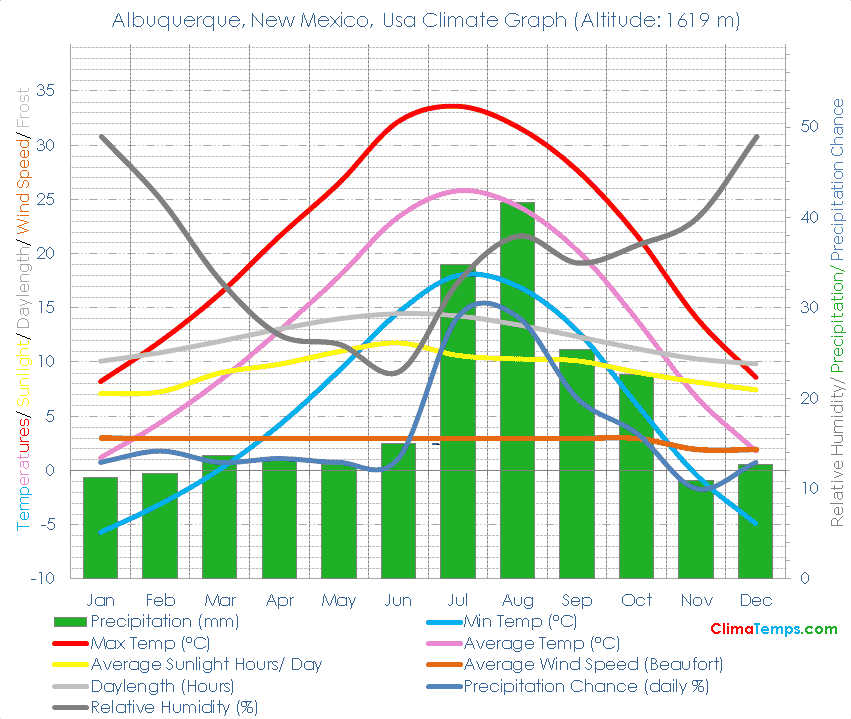
Albuquerque sits at an elevation of approximately 5,312 feet above sea level, a factor that profoundly influences its weather. This altitude contributes to cooler temperatures than one might expect at similar latitudes, while also meaning that the air is drier and UV radiation is more intense. The city experiences four distinct seasons, each with its own atmospheric personality.
Seasonal Weather Patterns and Their Impact
Each season in Albuquerque offers a different experience, shaped by its unique meteorological characteristics.
Spring (March – May): A Time of Transition and Blooming
Spring in Albuquerque is a season of welcome change after the cooler winter months. Temperatures begin to climb, but this transition can be somewhat unpredictable. Early spring may still see frost and even occasional late-season snowfalls, particularly in the foothills of the Sandia Mountains. However, by late April and May, daytime temperatures become pleasantly warm, often reaching into the 60s and 70s Fahrenheit.
The most defining characteristic of spring is the increase in sunshine and decreasing humidity. This drier air, while pleasant for outdoor activities, also means that hydration is crucial. Spring is also when the desert landscape begins to show its colors, with wildflowers starting to bloom in the surrounding areas, adding a vibrant touch to the already stunning scenery. Wind can be a factor during spring, with occasional gusts that can kick up dust. The evenings remain cool, so layering clothing is essential. The iconic Albuquerque International Balloon Fiesta, while held in October, has its roots in the clear, crisp air that spring often brings.
Summer (June – August): Heat, Thunderstorms, and Long Days
Summer in Albuquerque is defined by heat and a unique phenomenon known as the “monsoon season.” June often marks the beginning of the hottest period, with daytime temperatures frequently exceeding 90°F, and sometimes pushing into the triple digits. The high altitude provides some relief compared to lower-elevation desert cities, but the sun’s intensity is undeniable. The long daylight hours are perfect for exploring the city’s attractions, from the historic Old Town to the Indian Pueblo Cultural Center.
From mid-July through August, Albuquerque typically experiences its monsoon season. This period brings dramatic, yet often brief, afternoon thunderstorms. These storms, fueled by moisture from the Gulf of California and the Pacific Ocean, can bring heavy rain, lightning, and even flash flooding in canyons and washes. While the rain offers a welcome respite from the heat, it can disrupt outdoor plans for short periods. The humidity levels rise during these months, making the heat feel more intense. Evenings offer some relief, cooling down considerably after sunset, making outdoor dining and strolls enjoyable.
Autumn (September – November): The Golden Season
Autumn is widely considered the most pleasant season in Albuquerque, often dubbed the “golden season.” The scorching heat of summer gives way to mild and comfortable temperatures, with average highs in the 60s and 70s Fahrenheit in September and October, gradually cooling into the 50s in November. The humidity drops significantly, and the skies are typically a brilliant, clear blue, ideal for exploring the city and its surrounding natural beauty.
This is the time of year when the landscape transforms into hues of gold, red, and brown, offering spectacular vistas. The air is crisp and invigorating, perfect for hiking in the Petroglyph National Monument or enjoying a leisurely drive along the Turquoise Trail National Scenic Byway. The world-renowned Albuquerque International Balloon Fiesta takes place in early October, drawing visitors from around the globe to witness the skies fill with colorful hot air balloons against a backdrop of stunning autumn colors. Evenings can become quite cool, especially by November, so bringing a jacket or sweater is a must.
Winter (December – February): Crisp Air and Occasional Snow
Winter in Albuquerque brings a distinct sense of crispness to the air. While it is a desert climate, winter temperatures can be cold, with average highs in the 40s and 50s Fahrenheit, and overnight lows often dropping below freezing. Snowfall is not uncommon, though it rarely accumulates significantly or lingers for extended periods. When snow does fall, it often creates a picturesque scene, dusting the Sandia Mountains and providing a temporary white blanket over the city.
Despite the cooler temperatures, Albuquerque still enjoys a considerable amount of sunshine during the winter months. The dry air and clear skies can make for beautiful, crisp days perfect for exploring the city’s museums, such as the National Museum of Nuclear Science & History, or enjoying a warm drink in a cozy cafe in Old Town. Outdoor activities are still possible, especially during the warmer parts of the day, but visitors should be prepared for freezing temperatures after dark. The ski resorts in the nearby Sandia Mountains may offer opportunities for winter sports when conditions are favorable.
Factors Influencing Albuquerque’s Weather
Several geographical and meteorological factors contribute to the unique climate experienced in Albuquerque. Understanding these elements provides a deeper appreciation for why the weather is the way it is.
Altitude and Aridity
The most significant factor shaping Albuquerque’s weather is its high elevation. Situated in the high desert of the Chihuahuan Desert region, the city’s altitude of over 5,000 feet means that the air is thinner and drier than at sea level. This aridity contributes to rapid temperature fluctuations between day and night – a phenomenon known as a large diurnal temperature range. During the day, the sun’s rays are intense, heating the ground and air efficiently due to the thin atmosphere. As soon as the sun sets, the heat dissipates quickly, leading to significantly cooler nighttime temperatures. This is why packing layers is always a good idea, regardless of the season. The dryness also means that precipitation, when it occurs, often evaporates quickly, and humidity levels are generally low, except during the summer monsoon season.

Influence of the Sandia Mountains
The imposing Sandia Mountains to the east of Albuquerque play a crucial role in the city’s weather patterns. These mountains act as a natural barrier, influencing wind patterns and precipitation. They often cause orographic lift, where air is forced upward as it encounters the mountains. This process can lead to increased cloud formation and precipitation on the western slopes of the Sandias, which can sometimes extend into Albuquerque itself. During winter, the higher elevations of the Sandias receive considerably more snowfall than the city, offering a stark contrast in winter conditions and providing a backdrop for scenic views and winter recreation. The mountains also contribute to the dramatic sunsets for which Albuquerque is famous, casting long shadows and painting the sky in vibrant colors, particularly during the autumn months.
The North American Monsoon
From roughly mid-July to mid-September, Albuquerque experiences the effects of the North American Monsoon. This seasonal shift brings moisture from the south, primarily from the Gulf of California and the Pacific Ocean, inland. While not as intense as in some other parts of the Southwest, these monsoonal flows can trigger afternoon thunderstorms. These storms are often characterized by heavy downpours that can lead to rapid flash flooding, especially in arroyos and low-lying areas. They can also bring spectacular lightning displays and a temporary increase in humidity. Despite the potential for disruption, the monsoon is a vital source of water for the region’s ecosystem and a visually impressive natural phenomenon. Visitors should stay informed about weather alerts during this period.
Planning Your Visit: Weather-Informed Itineraries
Leveraging your knowledge of Albuquerque’s weather can significantly enhance your travel experience, allowing you to pack appropriately and plan activities that align with the prevailing conditions.
Packing Essentials for Every Season
Regardless of when you visit, certain items are indispensable for an Albuquerque trip. However, specific seasonal needs dictate additional packing considerations.
Year-Round Essentials:
- Sun Protection: High-altitude sun is intense. A wide-brimmed hat, sunglasses, and high-SPF sunscreen are non-negotiable.
- Comfortable Walking Shoes: Albuquerque is a city best explored on foot, especially in areas like Old Town.
- Reusable Water Bottle: Staying hydrated is crucial due to the dry climate.
Spring (March-May):
- Layered Clothing: Mornings and evenings can be cool, while afternoons can be warm. Think t-shirts, long-sleeved shirts, a light jacket, and possibly a fleece or sweater.
- Windbreaker: Spring winds can be gusty.
Summer (June-August):
- Lightweight, Breathable Clothing: Cotton or moisture-wicking fabrics are ideal for the heat.
- Rain Gear: A lightweight, packable rain jacket or umbrella is advisable for monsoon thunderstorms.
- Swimwear: Many hotels, such as the Embassy Suites by Hilton Albuquerque, have pools.
Autumn (September-November):
- Layering is Key: Similar to spring, but with cooler temperatures. A medium-weight jacket or coat, sweaters, and long pants are recommended.
- Scarf and Gloves: Especially for early morning or late evening excursions, or if planning to visit higher elevations.
Winter (December-February):
- Warm Outerwear: A heavy coat, warm hat, scarf, and gloves are essential.
- Insulated Footwear: Waterproof or water-resistant boots are a good idea, especially if snow is in the forecast.
- Thermal Layers: Long underwear can provide extra warmth for outdoor activities.
Optimizing Activities Based on Weather
Aligning your activities with the weather can ensure a more enjoyable and seamless trip.
Sunny and Mild Days: These are perfect for exploring the Old Town district, visiting attractions like the Explora Science Center and Children’s Museum, or taking a scenic drive. The Indian Pueblo Cultural Center and the National Museum of Nuclear Science & History are also excellent indoor options.
Hot Summer Afternoons: Opt for indoor activities or embrace the heat with water-based fun. Consider visiting the ABQ BioPark attractions (Aquarium, Botanic Garden, Zoo, Tingley Beach), which offer opportunities to cool off. Many hotels feature indoor pools, such as those found at Hotel Andaluz.
Afternoon Thunderstorms (Summer Monsoon): Use this time for visiting museums, art galleries, or enjoying a leisurely meal at one of Albuquerque’s renowned restaurants. The KiMo Theatre often has matinee showings.
Crisp Autumn Days: Ideal for hiking in the Petroglyph National Monument or the Sandia Foothills, taking the Sandia Peak Tramway for breathtaking views, or cycling along the Rio Grande Valley State Park.
Cold Winter Days: Enjoying the city’s culinary scene, exploring the New Mexico Museum of Natural History and Science, or visiting local breweries and distilleries are great indoor options. If snow conditions are favorable, a trip to the Sandia Peak Ski Area is an option.

Staying Updated on Forecasts
While understanding seasonal trends is invaluable, always check the local weather forecast closer to and during your trip. Reputable sources include the National Weather Service for Albuquerque, and various weather apps and websites. Being aware of daily high and low temperatures, precipitation chances, and wind conditions will allow for the most accurate planning and packing. This proactive approach ensures that unexpected weather events don’t detract from your exploration of all that Albuquerque has to offer.
LifeOutOfTheBox is a participant in the Amazon Services LLC Associates Program, an affiliate advertising program designed to provide a means for sites to earn advertising fees by advertising and linking to Amazon.com. Amazon, the Amazon logo, AmazonSupply, and the AmazonSupply logo are trademarks of Amazon.com, Inc. or its affiliates. As an Amazon Associate we earn affiliate commissions from qualifying purchases.