
The allure of Puerto Rico is undeniable. This captivating Caribbean gem, a U.S. territory, beckons with its vibrant culture, breathtaking landscapes, and a history steeped in fascinating tales. For travelers dreaming of sun-drenched beaches, ancient forts, and lively San Juan nights, understanding the island’s demographic makeup can offer a richer perspective on the human tapestry that makes Puerto Rico so unique. While the primary focus for many visitors might be on the pristine shores of Flamenco Beach or the historic charm of Old San Juan, delving into the question of “How Many People In Puerto Rico?” provides a foundational understanding of the island’s identity and its vibrant communities.

The population of Puerto Rico is not a static figure. Like any nation or territory, it ebbs and flows due to various factors, including birth rates, migration, and economic conditions. To truly appreciate the island, it’s beneficial to have a grasp of its population dynamics, as this directly influences the availability of resources, the local atmosphere, and the very experiences available to tourists. This insight can help travelers plan their trips more effectively, whether they are seeking bustling city life or tranquil escapes, and understand the context of the local communities they encounter.
Understanding the Population of Puerto Rico
As of recent estimates, the population of Puerto Rico hovers around 3.2 million people. This figure, while substantial, represents a decline from its peak in previous decades. This demographic shift is a significant point of discussion when considering the island’s present and future, influencing everything from economic development to the preservation of its unique cultural heritage.
Historical Population Trends and Influences
Puerto Rico‘s population has experienced notable fluctuations throughout its history. For much of the 20th century, the island saw steady growth. However, in recent times, a complex interplay of economic challenges, natural disasters, and opportunities abroad has led to a net outflow of residents. Understanding these trends is crucial for grasping the current demographic landscape.
The economic situation on the island has been a primary driver of population change. Periods of economic hardship have historically prompted many Puerto Ricans to seek opportunities in the mainland United States, a trend that has continued, albeit with varying intensity, over the decades. This migration is not just a statistic; it represents families seeking better livelihoods and contributing to both their home island and their new communities. The decision to leave Puerto Rico is often a difficult one, driven by a desire for economic stability and advancement, and it has a tangible impact on the demographics of the island.
Furthermore, significant natural disasters, such as Hurricane Maria in 2017, have also played a role in population shifts. While many Puerto Ricans demonstrated incredible resilience in the aftermath, the destruction and the subsequent recovery process led some to relocate temporarily or permanently. The rebuilding efforts and the ongoing recovery are a testament to the spirit of the people, but the impact on population distribution and numbers is undeniable.
The Impact of Emigration and Immigration
The outward migration of Puerto Ricans to the mainland United States is a well-documented phenomenon. This movement creates a dynamic diaspora that maintains strong ties to the island, often returning for visits or holidays, thus continuing to influence Puerto Rican culture even from afar. The remittances sent back by emigrants also play a vital role in the island’s economy.
Conversely, Puerto Rico also experiences immigration, though on a smaller scale compared to emigration. Individuals and families from other Caribbean nations, as well as from the mainland United States and other countries, are drawn to Puerto Rico for its natural beauty, vibrant culture, and unique lifestyle. This influx, while not significantly altering the overall population numbers, contributes to the island’s diverse cultural mosaic.
The interplay of these migratory forces creates a complex demographic picture. The “brain drain” phenomenon, where highly skilled individuals leave the island, is a concern, but the strong cultural connections maintained by the diaspora and the contributions of new residents ensure that Puerto Rico remains a lively and evolving society.
Demographic Breakdown: Age, Ethnicity, and Urbanization
Beyond the total numbers, understanding the demographic makeup of Puerto Rico in terms of age, ethnicity, and where people live offers a more nuanced perspective. These factors shape the island’s social fabric, its cultural expressions, and the types of experiences available to visitors.
Age Distribution and Its Implications
The age distribution of Puerto Rico reflects a trend seen in many developed and developing nations: an aging population. While there are still significant numbers of young people, the proportion of older adults is increasing. This has implications for healthcare, social services, and the workforce.
For tourists, an aging population might mean a greater presence of established attractions and a focus on historical and cultural experiences. However, Puerto Rico also has a youthful energy, evident in its vibrant music scene, lively nightlife, and burgeoning entrepreneurial spirit, particularly in cities like San Juan, Ponce, and Mayagüez. The island offers a blend of experiences catering to all age groups, from family-friendly resorts along the coast to vibrant cultural festivals that draw both young and old.
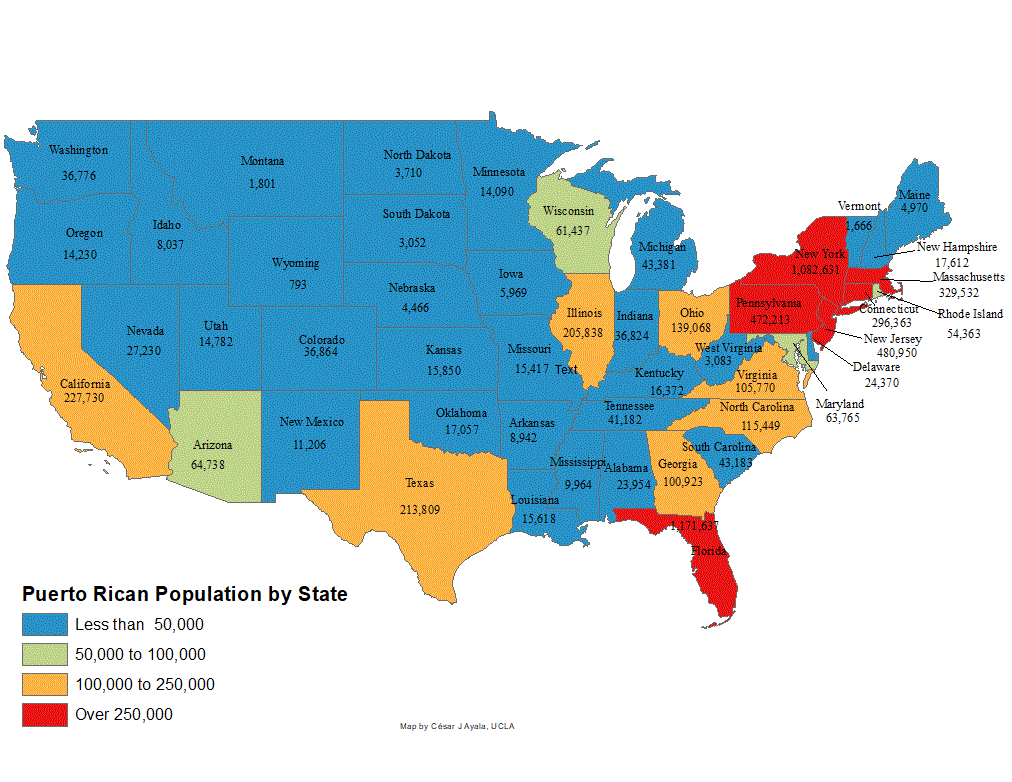
Ethnic and Cultural Diversity
Puerto Rico is a melting pot of cultures, a legacy of its history. The primary ethnic group is of Puerto Rican descent, which itself is a rich blend of Indigenous Taíno, Spanish, and African ancestries. This diverse heritage is evident in the island’s language, music, cuisine, and traditions.
You’ll find descendants of various European nations, African peoples, and a significant presence of individuals with ties to the mainland United States. This multiculturalism enriches the island’s identity and offers visitors a chance to experience a unique fusion of global influences. From the rhythms of salsa to the flavors of mofongo, the diverse ethnic makeup is a cornerstone of the Puerto Rican experience.
Urbanization and Rural Living
Puerto Rico is characterized by a mix of urban and rural living. The majority of the population resides in urban areas, with the metropolitan area of San Juan being the most densely populated. This concentration of people in cities like San Juan, Bayamón, and Carolina means that these areas are hubs of commercial activity, cultural institutions, and a wide array of accommodation options, from luxury hotels like the Condado Vanderbilt Hotel to charming boutique hotels and apartments.
However, a significant portion of the population also lives in more rural settings, particularly in the mountainous interior and along the coastlines outside the main urban centers. These areas often offer a more tranquil and authentic experience of Puerto Rican life, showcasing lush natural beauty, traditional farming communities, and a slower pace of living. For travelers seeking to escape the crowds, exploring regions like the El Yunque National Forest or the less-trafficked beaches of the south and west coasts can provide a rewarding glimpse into this side of Puerto Rico. The contrast between the bustling capital and the serene countryside is a key element of the island’s diverse appeal.
What the Population Means for Your Visit to Puerto Rico
Understanding the population of Puerto Rico isn’t just an academic exercise; it directly influences the travel experience. Knowing the numbers and the demographic trends can help you tailor your trip to your preferences and make the most of your time on this beautiful island.
Experiencing Local Life and Culture
With over 3 million people, Puerto Rico offers a rich tapestry of local life to explore. The presence of a substantial population means a vibrant cultural scene, with numerous festivals, music venues, and culinary delights to discover. Whether you’re attending a local festival in a smaller town or exploring the art galleries in Old San Juan, you’ll be interacting with a dynamic and engaged community.
The concentration of people in urban centers means that you’ll find a wide range of restaurants, from high-end dining establishments to humble roadside stands serving delicious empanadillas. The nightlife in cities like San Juan is legendary, with bars and clubs pulsating with salsa and reggaeton music, reflecting the energy of its inhabitants. Even in quieter towns, you’ll find friendly locals eager to share their island’s stories and traditions.
Planning Your Accommodation and Activities
The population density and distribution can influence accommodation choices and activity planning. In popular tourist areas like Condado and Isla Verde near San Juan, you’ll find a wide array of hotels, including large resorts with extensive amenities, catering to a diverse range of travelers. If you prefer a more secluded experience, venturing to towns like Rincón or the southern coast near Guánica can offer more tranquil villas and apartments, often with fewer crowds.
When it comes to activities, understanding where people live can help you find authentic experiences. While the major attractions like El Morro and Castillo San Cristóbal in Old San Juan are popular with visitors and locals alike, exploring less-visited natural parks or attending a local sporting event can offer a unique insight into daily Puerto Rican life. For those interested in long-term stays, the population distribution can guide you towards areas that offer a balance of convenience and local charm.

Navigating Crowds and Embracing Serenity
The number of people in Puerto Rico means that some popular destinations can get crowded, especially during peak tourist seasons. Areas like Old San Juan can be bustling with activity, offering a lively atmosphere for those who enjoy being in the heart of things. However, if you prefer a more serene experience, planning your visit outside of major holidays or exploring less-touristed regions can be highly rewarding.
For instance, visiting Culebra or Vieques islands, accessible by ferry from Ceiba, offers a different pace of life. While these islands are popular, they generally provide a more relaxed ambiance compared to the mainland. Similarly, exploring the interior mountainous regions, away from the coastal cities, can lead to discoveries of hidden waterfalls, quiet villages, and a profound sense of peace. The diversity of the island means you can tailor your experience to embrace either the vibrant energy of its people or the tranquil beauty of its natural landscapes.
Ultimately, the population of Puerto Rico is a vibrant force that shapes its identity. Whether you’re drawn to the historical significance of San Germán, the surf breaks of Rincón, or the natural wonders of the Bioluminescent Bay, understanding the human element enriches every aspect of your journey. Puerto Rico is more than just beautiful scenery; it’s a living, breathing testament to the resilience, warmth, and rich culture of its people.
LifeOutOfTheBox is a participant in the Amazon Services LLC Associates Program, an affiliate advertising program designed to provide a means for sites to earn advertising fees by advertising and linking to Amazon.com. Amazon, the Amazon logo, AmazonSupply, and the AmazonSupply logo are trademarks of Amazon.com, Inc. or its affiliates. As an Amazon Associate we earn affiliate commissions from qualifying purchases.