
For many travelers, the sight of an airport code is a familiar prelude to an adventure. These three-letter identifiers, assigned by the International Air Transport Association (IATA), are more than just shorthand; they are a gateway to our next destination. When you fly into the vibrant city of New Orleans, you’ll land at Louis Armstrong New Orleans International Airport, commonly known by its IATA code: MSY. But what does MSY actually stand for? While the immediate answer is often sought after by curious travelers, the story behind the acronym is rooted in the airport’s history and its connection to the city it serves. Understanding the origins of MSY offers a subtle yet fascinating glimpse into the evolution of air travel and the enduring legacy of one of America’s most culturally rich cities.
The Genesis of MSY: A Historical Perspective
The designation MSY for Louis Armstrong New Orleans International Airport is not a direct acronym for “New Orleans International Airport” or any simple variation thereof. Instead, its roots are intertwined with the airport’s early development and the individuals who played a pivotal role in its establishment. Airport codes, particularly in the early days of aviation, were often derived from historical names, previous airport identifiers, or significant local figures. The story of MSY is a testament to this practice, offering a narrative that is as engaging as it is informative for those who wish to delve deeper than the surface-level identification of their flight destination.
From Municipal to International: An Evolving Identity
The airport that would eventually become MSY began its life in 1940 as New Orleans Municipal Airport. At this nascent stage of its existence, the airport’s initial IATA code was New. However, as aviation technology advanced and air travel became more widespread, the need for a more distinct and globally recognized identifier arose. The transition to a new code was a significant step, reflecting the airport’s growing importance and its aspirations to serve international routes. This evolution from a municipal facility to a bustling international hub mirrors the broader trajectory of air travel, which transformed from a novelty for the elite to an accessible mode of transport for the masses. The decision to change the code was a deliberate one, aiming to better represent the airport’s expanding scope and its commitment to connecting New Orleans with the world.
The Legacy of Moisant: A Lasting Tribute
The code MSY is believed to be a tribute to John B. Moisant, a pioneering aviator and entrepreneur who was instrumental in establishing early aviation infrastructure in the New Orleans area. Moisant, along with his brother Alfred, was a key figure in the development of Moisant International Airport, which predated the current Louis Armstrong International Airport. This earlier airport, located in Kenner, was a significant aviation center in its time. When the new municipal airport was built and subsequently expanded, the aviation community and local authorities sought to honor Moisant’s contributions. The IATA code MSY, therefore, is a direct nod to the Moisant legacy, ensuring that his pioneering spirit in aviation is remembered and recognized each time a flight departs from or arrives at the airport that bears his indirect mark. This connection is a cherished piece of local history, adding a layer of historical depth to the seemingly utilitarian airport code.
Navigating MSY: A Traveler’s Essential Information
Understanding the meaning behind MSY is more than just a trivia pursuit; it can enhance a traveler’s experience by providing context and a deeper appreciation for the place they are visiting. For those planning a trip to the Crescent City, knowing the airport code is just the first step. The airport itself is a modern facility that serves millions of passengers annually, connecting them to the unique culture, history, and culinary delights that New Orleans has to offer. From its diverse dining options to its vibrant music scene, the city promises an unforgettable journey, and MSY is the initial portal to this enchanting experience.
Key Airlines and Destinations Served

Louis Armstrong New Orleans International Airport is a hub for several major airlines, facilitating travel to and from a wide array of domestic and international destinations. Travelers flying into MSY can expect to find direct flights from numerous cities across the United States, including popular hubs like Atlanta, Dallas/Fort Worth, Chicago, and New York. Beyond these major gateways, MSY also offers connections to numerous other cities, making it an accessible entry point for exploring the American South and beyond. International routes, though less extensive than domestic ones, typically connect travelers to destinations in the Caribbean and Mexico, further solidifying its role as an international gateway. The presence of both legacy carriers and low-cost airlines ensures a range of travel options to suit different budgets and preferences.
Amenities and Services for a Smooth Arrival
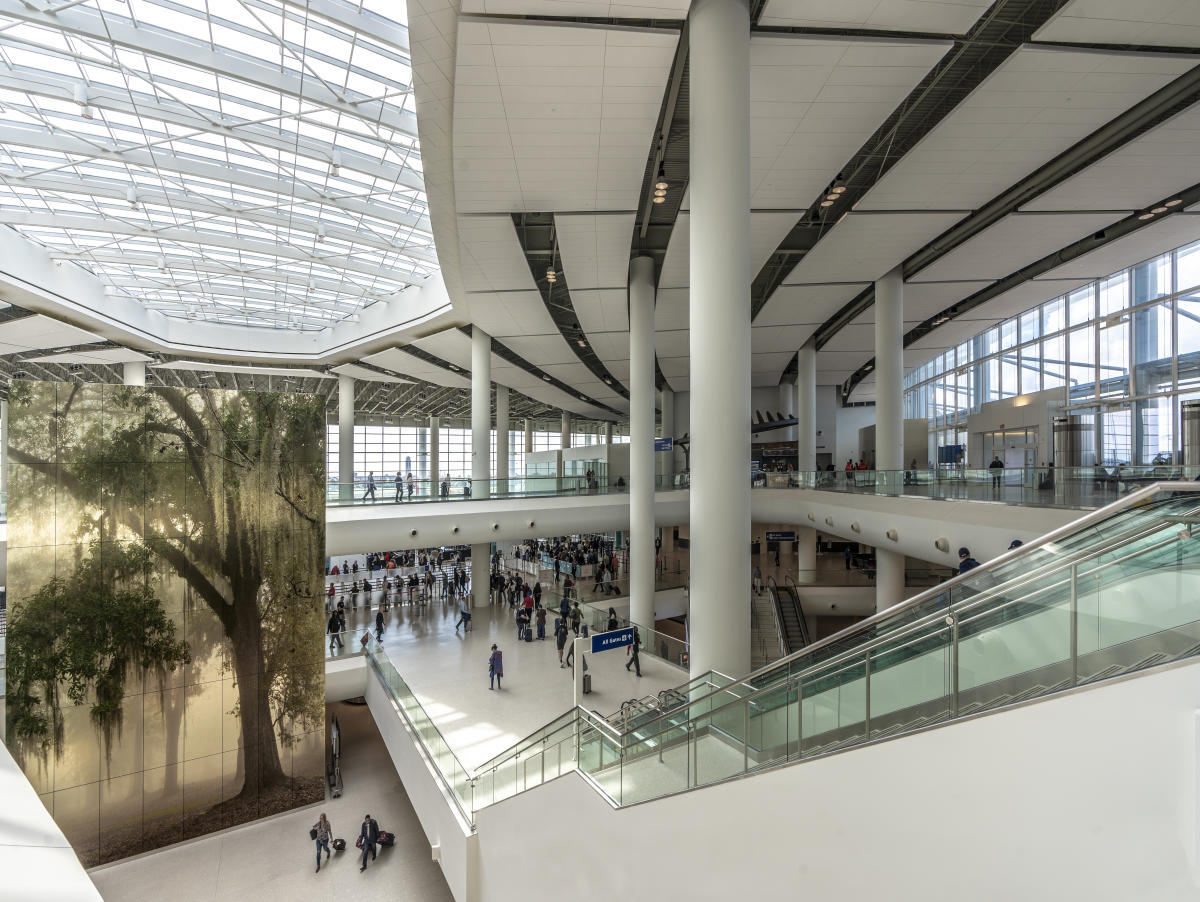
Upon landing at MSY, travelers are welcomed into a modern airport designed to provide a comfortable and efficient experience. The airport features a variety of amenities aimed at making arrivals and departures as smooth as possible. These include a diverse selection of dining establishments, ranging from quick-service counters to sit-down restaurants offering local Louisiana cuisine, allowing passengers to sample regional flavors right after they land. Retail shops provide opportunities for last-minute souvenir purchases or essential travel items. For travelers needing to stay connected, Wi-Fi access is readily available throughout the terminals. Additionally, MSY offers car rental services, taxi stands, and ride-sharing pick-up zones, ensuring convenient onward transportation to hotels, attractions, or any other destination within the New Orleans metropolitan area. Accessibility services are also a priority, with the airport equipped to assist passengers with special needs, ensuring a welcoming environment for all.
Beyond the Acronym: Embracing the New Orleans Experience
Once you’ve identified MSY as your arrival point, the real adventure begins. The airport is merely the gateway to a city renowned for its unique blend of cultures, its infectious spirit, and its unparalleled offerings in music, food, and history. The legacy of figures like Louis Armstrong, after whom the airport is named, permeates the city’s vibrant atmosphere, beckoning visitors to immerse themselves in its distinct charm.
The Rhythms of the Crescent City
New Orleans is, quite simply, synonymous with music. From the soulful sounds of jazz echoing from the clubs of the French Quarter to the brass bands parading through the streets, the city’s musical heritage is alive and thriving. Visitors can experience live performances at iconic venues like Preservation Hall or simply find themselves swept up in an impromptu street performance. The spirit of Louis Armstrong, a native son whose name graces the airport, is palpable in every note. Beyond jazz, the city boasts a rich tapestry of musical genres, including blues, R&B, and funk, each contributing to its unique soundscape. Attending a local festival or simply wandering through the neighborhoods is an invitation to discover the city’s pulsating artistic heart.
A Culinary Journey Through Creole and Cajun Flavors
The gastronomic landscape of New Orleans is legendary, a delectable fusion of French, Spanish, African, and Native American influences that have evolved into the distinct Creole and Cajun cuisines. For travelers arriving at MSY, a world of culinary delights awaits. From the classic beignets and café au lait at Café Du Monde to the rich, savory flavors of gumbo and jambalaya, every meal is an experience. Exploring the city’s renowned restaurants, from historic institutions to innovative newcomers, offers a chance to savor authentic local dishes. Oysters, prepared in a myriad of ways, are a particular specialty, and no visit is complete without trying a po’boy sandwich. The vibrant food scene extends beyond fine dining, with bustling markets and street vendors offering delicious treats that reflect the city’s diverse heritage. This culinary exploration is an integral part of any trip to New Orleans, providing a taste of its soul.
Exploring Historic Landmarks and Cultural Treasures
The history of New Orleans is as rich and layered as its cuisine. The iconic French Quarter, with its distinctive architecture, charming courtyards, and gas-lit streets, is a living museum. Visitors can wander through its historic lanes, admire the grandeur of St. Louis Cathedral, and soak in the atmosphere of Jackson Square. Beyond the Quarter, the city offers a wealth of cultural attractions. The National WWII Museum provides a profound and moving historical experience, while the historic streetcar lines offer a charming way to explore different neighborhoods, from the elegant mansions of the Garden District to the vibrant streets of the Bywater. The city’s cemeteries, with their above-ground tombs, offer a unique glimpse into its burial traditions and history. Every corner of New Orleans tells a story, inviting visitors to uncover its fascinating past and vibrant present.
LifeOutOfTheBox is a participant in the Amazon Services LLC Associates Program, an affiliate advertising program designed to provide a means for sites to earn advertising fees by advertising and linking to Amazon.com. Amazon, the Amazon logo, AmazonSupply, and the AmazonSupply logo are trademarks of Amazon.com, Inc. or its affiliates. As an Amazon Associate we earn affiliate commissions from qualifying purchases.