
Embarking on a career in commercial driving in California opens up a world of professional travel opportunities, contributing vital services across logistics, freight, and public transportation. Whether you envision yourself navigating bustling city streets, traversing scenic highways, or ensuring the smooth flow of goods, obtaining a Commercial Driver’s License (CDL) is your essential first step. Before you can even get behind the wheel for practical training, you must secure a CDL Permit, which requires passing a series of rigorous knowledge tests administered by the California Department of Motor Vehicles (DMV). Understanding these examinations is crucial for anyone serious about joining the ranks of professional drivers. This guide will meticulously break down the three primary tests you’ll encounter to earn your CDL Permit in the Golden State, offering insights and strategies to help you prepare effectively for this pivotal journey.
Navigating the Path to Commercial Driving in California
The aspiration to become a commercial driver is often fueled by the promise of a stable career, competitive pay, and the unique lifestyle that comes with professional travel. From long-haul truckers to city bus operators, commercial drivers are the backbone of our economy, connecting communities and moving the nation forward. However, this critical role demands a high level of responsibility, skill, and knowledge, which is why the licensing process is so comprehensive.
Why a CDL Permit is Your First Step
Think of the CDL Permit as your learner’s permit for commercial vehicles. It’s the authorization you need to begin supervised, behind-the-wheel training in a commercial vehicle on public roads. You cannot legally operate a commercial vehicle—even with a licensed CDL holder present—without first obtaining this permit. The permit validates that you possess the fundamental theoretical knowledge required to safely operate these large and complex machines, understand traffic laws specific to commercial vehicles, and grasp the regulatory framework governing the industry. Without a permit, all practical training is impossible, effectively halting your journey before it even begins. It’s a foundational credential that proves your readiness to learn the practical skills under the guidance of an experienced professional.
The Importance of a Commercial Driver’s License (CDL)
A Commercial Driver’s License (CDL) is more than just a piece of plastic; it’s a professional credential that signifies a driver’s competence to operate large, heavy, or placarded hazardous material vehicles. Unlike a standard driver’s license for personal vehicles, a CDL comes with stricter regulations and higher standards due to the inherent risks associated with commercial operations. For individuals seeking a career that involves constant movement and exploration of different regions, a CDL is their passport to a unique professional lifestyle. It unlocks opportunities in a vast array of sectors, from transporting goods across states to providing essential public transit within California’s diverse cities. Each class of CDL (Class A, B, or C) and its various endorsements dictate the types of vehicles you can drive and the cargo you can carry, directly impacting your potential career paths and the scope of your professional travel.
Deconstructing the California CDL Permit Tests
To obtain your CDL Permit in California, you will typically face three core knowledge tests, especially if you’re aiming for a Class A CDL, which allows you to operate the widest range of commercial vehicles. These tests assess your understanding of the rules, regulations, and operational specifics critical for safe commercial driving. Passing these exams demonstrates your theoretical readiness to enter the demanding world of commercial transportation.
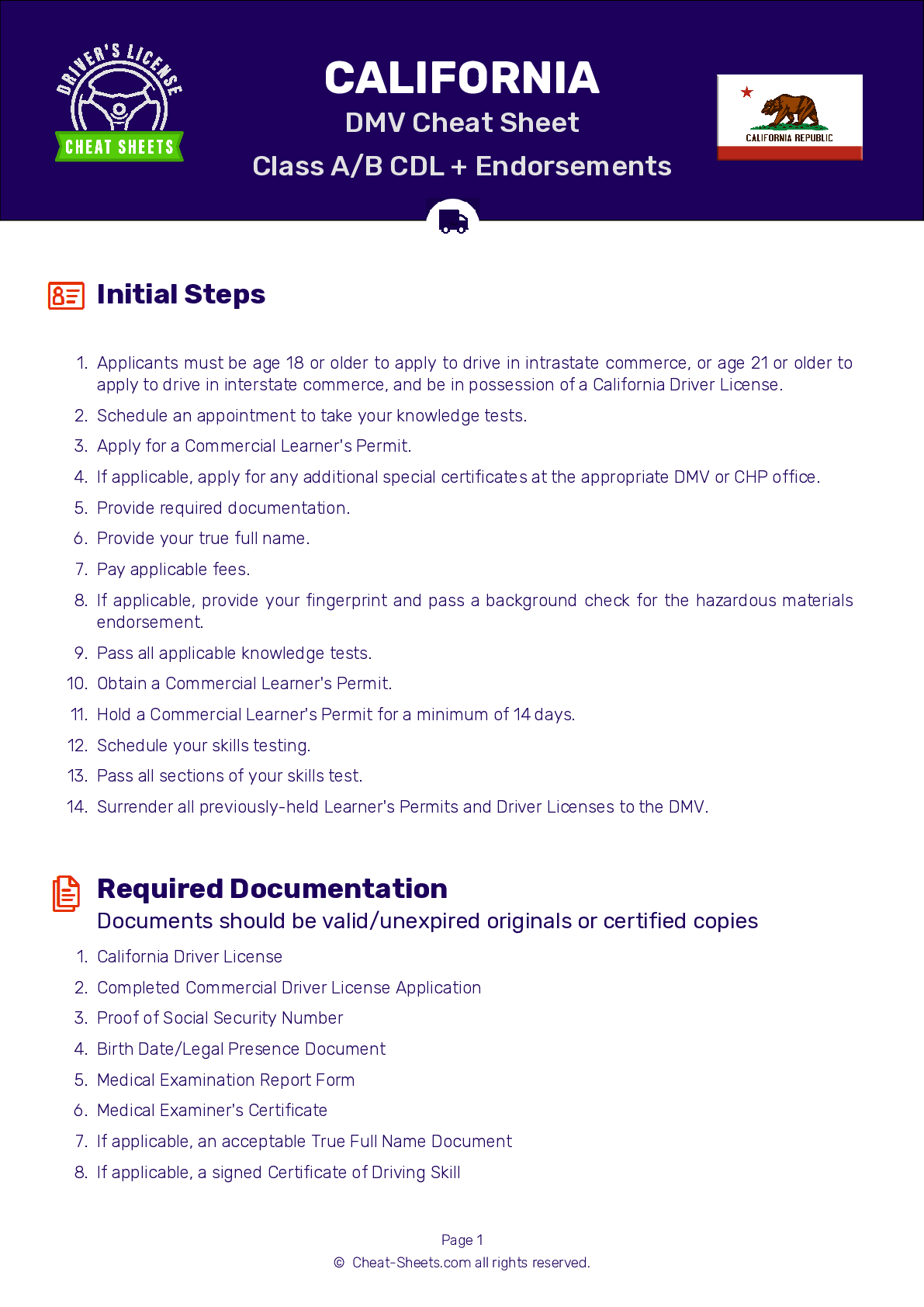
Test 1: General Knowledge Examination
The General Knowledge Examination is the most fundamental and universally required test for any CDL class. It’s designed to ensure that all prospective commercial drivers have a solid understanding of basic safety regulations and operational procedures. This comprehensive exam covers a wide array of topics, including:
- Vehicle Inspection: Knowledge of pre-trip, en-route, and post-trip inspections to ensure vehicle safety and compliance.
- Basic Control of Your Vehicle: Understanding how to control various commercial vehicles, including steering, acceleration, braking, and shifting gears.
- Safe Driving Practices: Defensive driving techniques, managing speed, space management, hazard perception, and controlling vehicle speed on downgrades.
- Operating in Specific Conditions: Driving in adverse weather (rain, snow, fog), night driving, and handling emergencies.
- Transporting Cargo Safely: Securement techniques, weight distribution, and understanding legal weight limits.
- Vehicle Systems: Basic knowledge of air brakes, coupling and uncoupling (for combination vehicles), and other essential components.
- California Traffic Laws: Specific regulations pertinent to commercial vehicles within the state.
This test forms the bedrock of your commercial driving knowledge, ensuring you’re equipped with the essential theoretical framework before you ever touch a steering wheel.
Test 2: Air Brakes Endorsement Test
The Air Brakes Endorsement Test is crucial for anyone intending to drive a vehicle equipped with air brakes, which includes the vast majority of commercial trucks and buses. Without this endorsement, your CDL will come with an air brake restriction, severely limiting the types of vehicles you can operate. This specialized test delves into the intricacies of air brake systems, covering:
- Components and Function: Understanding the different parts of an air brake system (compressor, tanks, valves, etc.) and how they work together.
- Air Brake System Checks: How to perform proper pre-trip inspections of air brakes, including checking for leaks, proper pressure buildup, and slack adjusters.
- Air Brake Safety: Recognizing and responding to air brake malfunctions, such as low air pressure warnings, and understanding brake fade and proper braking techniques.
- Emergency Procedures: What to do in case of air brake failure or loss of air pressure.
Mastering the air brake system is paramount for safety, as these systems are complex and critical for stopping heavy vehicles. Passing this test demonstrates your capability to safely manage a vehicle equipped with this essential technology.
Test 3: Combination Vehicles Endorsement Test
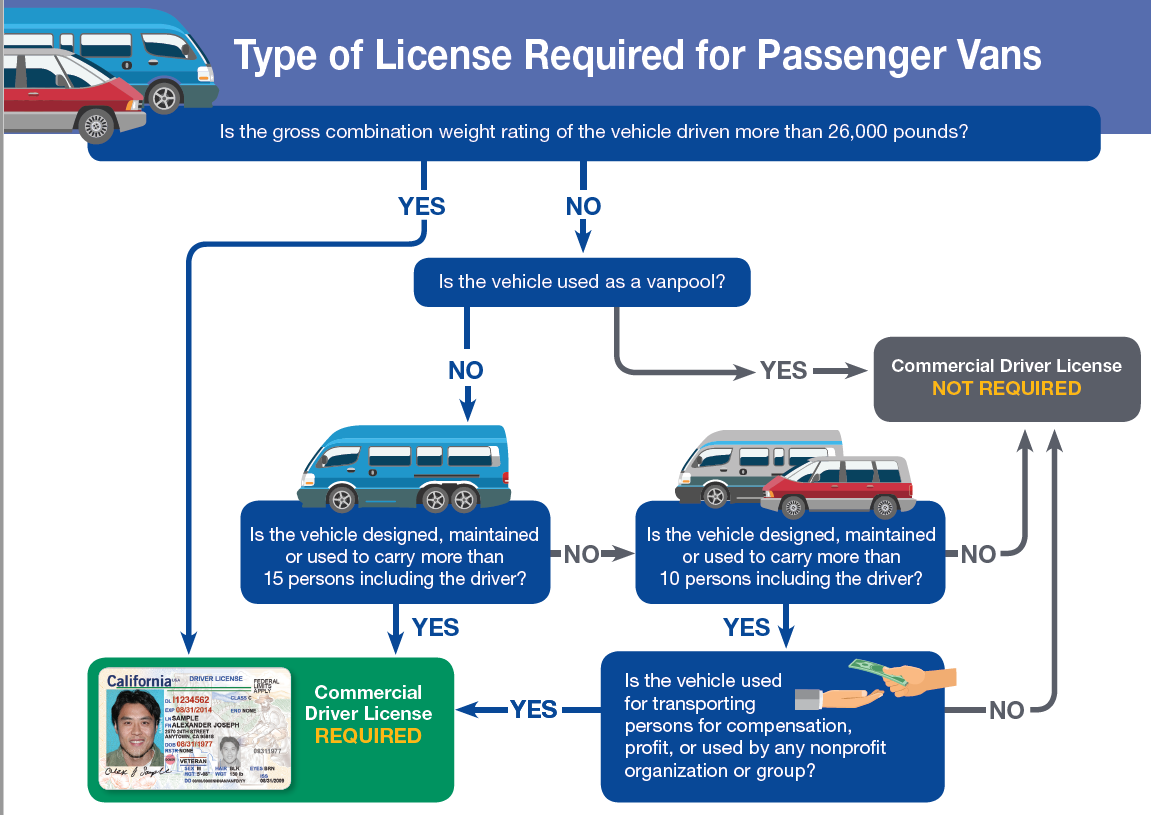
The Combination Vehicles Endorsement Test is specifically required for those pursuing a Class A CDL and planning to operate combination vehicles, such as tractor-trailers (trucks towing trailers with a Gross Combination Weight Rating (GCWR) over 26,001 pounds, where the towed unit is over 10,000 pounds). This test focuses on the unique challenges and safety considerations associated with driving these larger, multi-unit vehicles. Key topics include:
- Coupling and Uncoupling: The correct and safe procedures for connecting and disconnecting trailers from a tractor.
- Inspecting Combination Vehicles: Specific checks required for trailers, including kingpin, fifth wheel, gladhands, and air lines.
- Safe Driving of Combination Vehicles: Understanding how combination vehicles behave differently from single units, including issues like “trailer swing,” “off-tracking,” and the greater braking distances required.
- Rollover Risks: Factors contributing to rollovers and how to prevent them.
- Skid Control: Techniques for recovering from skids unique to combination vehicles.
This endorsement is fundamental for those aspiring to a career in long-haul trucking, which is often considered the epitome of professional road travel. Passing this test indicates your readiness to handle the complexities of large articulated vehicles safely and efficiently.
Preparing for Success: Study Strategies and Resources
Success on the California CDL Permit tests hinges entirely on thorough preparation. These are not exams you can simply wing; they require dedicated study and a deep understanding of the material. Investing time in preparation now will pay dividends in your future career, ensuring you enter the commercial driving profession with confidence and a solid knowledge base.
Official DMV Handbooks and Online Resources
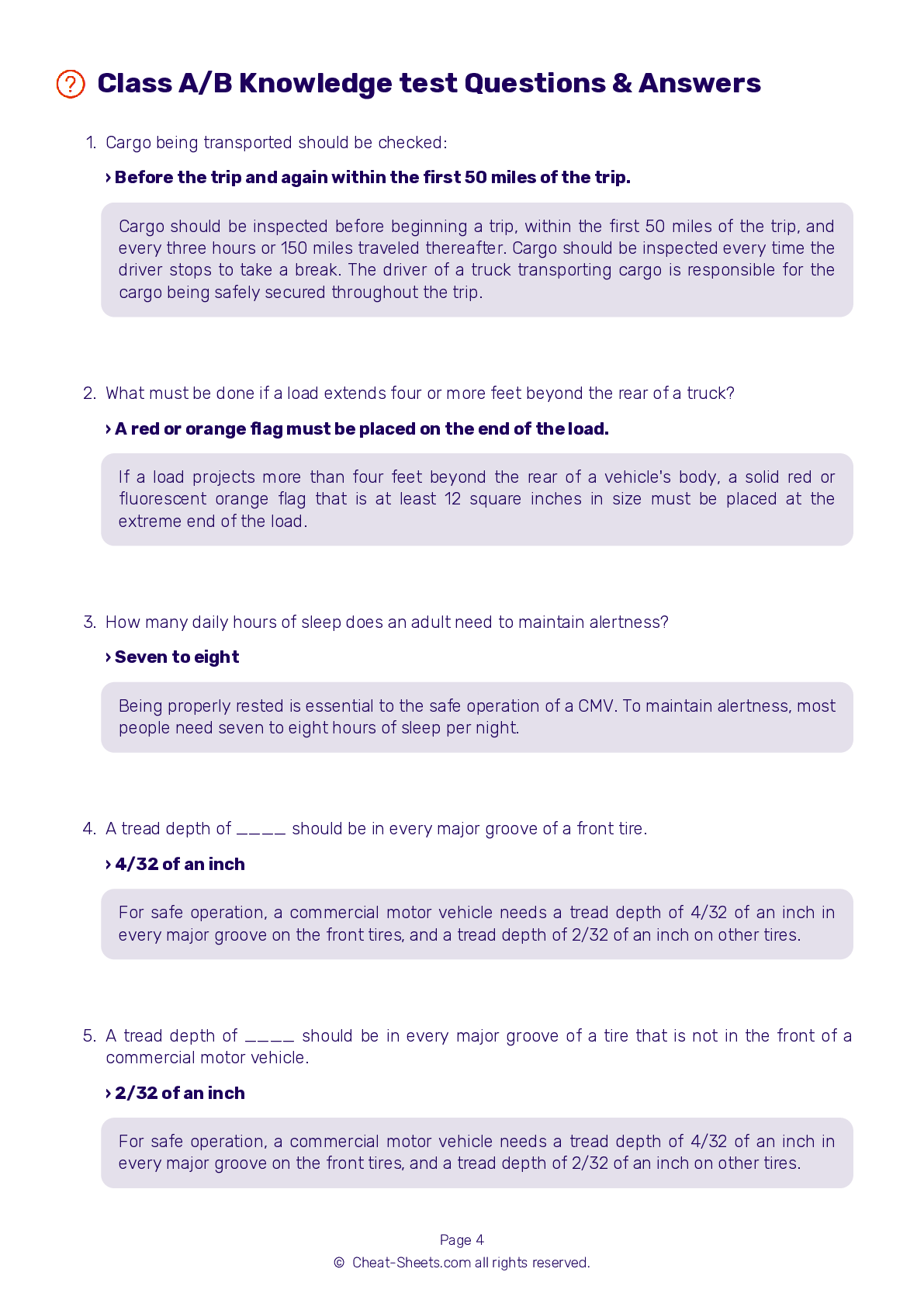
Your primary and most authoritative resource is the official California DMV Commercial Driver Handbook. This comprehensive manual contains all the information you’ll be tested on, presented in an organized and easy-to-understand format. It’s crucial to read this handbook thoroughly, not just once, but multiple times, focusing on understanding the concepts rather than rote memorization. Pay special attention to sections on safety, regulations, and vehicle specific knowledge (like air brakes and combination vehicles). In addition to the physical or downloadable handbook, the DMV website often provides supplementary resources, FAQs, and sometimes even short videos that can clarify complex topics.
Practice Tests and Driving Schools
Once you’ve gone through the handbook, practice tests become invaluable. Numerous online platforms and mobile apps offer free and paid CDL practice tests that mimic the format and question types of the actual exams. These practice tests are essential for:
- Identifying Weak Areas: They help pinpoint topics where your knowledge is lacking, allowing you to focus your study efforts.
- Familiarizing with Question Format: Getting used to the multiple-choice format and the specific phrasing of questions.
- Time Management: Practicing under timed conditions to improve your speed and efficiency.
While not strictly necessary for the permit tests, enrolling in a reputable commercial driving school can significantly enhance your preparation. Many schools offer classroom instruction specifically designed to help students pass the permit knowledge tests, providing expert guidance and clarification on challenging subjects. These programs often integrate permit test preparation as part of their comprehensive CDL training curriculum.
Essential Tips for Test Day
On the day of your tests, a few key strategies can help ensure a smooth experience:
- Get Adequate Rest: A well-rested mind performs better.
- Arrive Early: Give yourself plenty of time to get to the DMV, check in, and relax before starting the exams.
- Bring Required Documents: Ensure you have your valid California driver’s license, proof of residency, and any other necessary identification or paperwork.
- Read Questions Carefully: Don’t rush. Read each question and all answer choices thoroughly before making your selection. Some questions may have subtle nuances.
- Don’t Overthink: Trust your preparation. If you’ve studied diligently, you likely know the answers.
- Manage Your Time: While taking your time is important, be mindful of the overall time limit, if any, for each test.
Remember, the goal is not just to pass but to genuinely understand the material, as this knowledge will be foundational for your practical driving skills and your entire career.
Beyond the Permit: What Comes Next on Your CDL Journey
Passing the three knowledge tests and obtaining your CDL Permit is a significant milestone, but it’s only the beginning of your journey to becoming a fully licensed commercial driver. The permit signifies that you have the theoretical understanding, but the real work of mastering the skills and nuances of operating a commercial vehicle lies ahead. This next phase is where your professional travel lifestyle truly begins to take shape, transitioning from theoretical knowledge to practical expertise on the open road.
Practical Skills Training
With your permit in hand, you are now authorized to begin hands-on training under the supervision of a licensed CDL holder. This phase is critical and typically involves enrolling in a certified commercial driving school. These schools provide structured training in a controlled environment, preparing you for the demands of the road. Key areas of focus include:
- Pre-Trip Inspection: Learning to meticulously inspect the vehicle for safety and operational issues, a critical skill for any commercial driver.
- Basic Vehicle Control: Mastering fundamental maneuvers such as shifting gears, backing up (straight-line, offset, and parallel parking), and coupling/uncoupling trailers.
- On-Road Driving: Gaining experience driving in various traffic conditions, navigating turns, managing speed, and practicing defensive driving techniques on public roads.
This practical training is essential for developing the muscle memory, spatial awareness, and judgment required to safely operate large commercial vehicles, transforming you from a permit holder to a competent operator.
The CDL Driving Skills Test
After completing your practical training, the final hurdle is the CDL Driving Skills Test, also administered by the California DMV. This is a comprehensive three-part examination designed to assess your ability to safely and competently operate a commercial vehicle:
- Pre-Trip Inspection Test: You must demonstrate your ability to perform a thorough vehicle inspection, identifying critical components and explaining their function to the examiner.
- Basic Vehicle Control Skills Test: You will perform a series of off-road maneuvers (e.g., backing, parking) to demonstrate your precision and control over the vehicle.
- On-Road Driving Test: You will drive the commercial vehicle on public roads, navigating various traffic situations, demonstrating safe driving practices, adherence to traffic laws, and proper use of vehicle controls.
Passing this test is the ultimate validation of your skills and competence, officially earning you your Commercial Driver’s License and allowing you to begin your professional driving career independently.
Career Opportunities in Commercial Travel
With a full CDL, a vast landscape of career opportunities opens up, enabling a unique professional travel lifestyle. From local delivery routes that keep you close to home to regional and national routes that take you across the country, the choice is yours. You could work in:
- Long-Haul Trucking: Transporting goods across states, experiencing diverse landscapes and cultures.
- Regional or Local Delivery: Operating within a specific geographic area, often returning home daily.
- Bus Driving: Providing public transportation in cities or intercity travel, connecting communities.
- Specialized Hauling: Transporting oversized loads, hazardous materials (with additional endorsements), or operating specialized equipment.
Each of these roles involves a distinct form of travel, offering flexibility and diverse experiences. The CDL is your key to a career that keeps you moving, offering not just a job, but a professional lifestyle deeply intertwined with the act of travel and exploration on the open road. Your journey begins with those three permit tests, setting the foundation for a dynamic and rewarding career in commercial transportation.
LifeOutOfTheBox is a participant in the Amazon Services LLC Associates Program, an affiliate advertising program designed to provide a means for sites to earn advertising fees by advertising and linking to Amazon.com. Amazon, the Amazon logo, AmazonSupply, and the AmazonSupply logo are trademarks of Amazon.com, Inc. or its affiliates. As an Amazon Associate we earn affiliate commissions from qualifying purchases.