
New Orleans, a city synonymous with sultry jazz, vibrant Mardi Gras parades, and soul-stirring Creole cuisine, might not be the first place that springs to mind when one contemplates snowfall. Its reputation is firmly rooted in a balmy, subtropical climate, where humidity often hangs heavy in the air and the Mississippi River flows with a consistent, warm current. Yet, the question of whether it has ever snowed in this unique American metropolis is not merely a whimsical query; it delves into the city’s atmospheric history and its occasional, albeit rare, encounters with winter’s frosty touch. While a significant blizzard remains a distant fantasy, New Orleans has, in fact, experienced snow, painting a surreal, white landscape over its iconic wrought-iron balconies and cobblestone streets, creating moments of historical fascination and memorable local anecdotes.

A Glimpse into New Orleans’ Winter Weather Patterns
New Orleans’ climate is characterized by hot, humid summers and mild winters. The average annual snowfall is virtually non-existent, making a white Christmas or a snow-day a highly improbable event. However, like many places, the city is not entirely immune to the whims of extreme weather. Occasional cold snaps can push temperatures into the freezing range, and under specific atmospheric conditions, these can coincide with precipitation that, instead of falling as rain, descends as snow or a wintry mix. These events are infrequent and often fleeting, but they have left their mark on the city’s meteorological record and in the memories of its residents.
The Infrequent Flurries: Documented Snowfall Events
While a persistent blanket of snow is a rarity, documented instances of snowfall in New Orleans do exist. These events are typically characterized by light accumulations and a short duration, often melting as quickly as it falls, especially given the typical ambient temperatures. The most notable occurrences tend to be associated with significant cold air outbreaks that impact a large portion of the United States.
The “Great Snow” of 1895
One of the most significant and widely recalled snowfall events in New Orleans occurred on February 14, 1895. This was not just a dusting; reports indicate that the city experienced accumulations of up to 7 inches, a truly astonishing amount for the region. The snow fell for an extended period, transforming the familiar cityscape into something alien and magical. Streetcar lines were disrupted, and daily life came to a standstill as residents, unaccustomed to such conditions, marveled at the spectacle. This event is often cited as the most significant snowfall in the city’s recorded history and remains a popular topic of conversation and a source of local lore. The image of snow-laden palm trees and the French Quarter adorned in white is a powerful testament to this extraordinary day.
The 2004 Snow Event
More recently, in December 2004, New Orleans experienced another rare snowfall. While not as substantial as the 1895 event, it was significant enough to cause considerable excitement and disruption. Temperatures dropped significantly, and a mixture of sleet and snow fell across the metropolitan area. For many residents, especially younger generations, this was their first firsthand experience with snow. Schools were closed, and traffic slowed as people ventured out to witness the unusual sight. The event, though brief, provided a unique opportunity for many to engage in winter activities, however rudimentary, in a city not equipped for them. The novelty of seeing snow accumulating on the historic architecture of the French Quarter or the iconic streetcars was a sight to behold.
Other Minor Snowfall Occurrences
Beyond these more prominent events, there have been several other minor instances of snow or wintry mix reported in New Orleans throughout the years. These often involve only a light dusting, sometimes not even accumulating on the ground, or a brief period of sleet. These ephemeral weather phenomena serve as a reminder that even the most tropical of climates can, under specific meteorological circumstances, brush shoulders with winter’s chill. These events, however minor, contribute to the city’s diverse climatic history and are often met with a mix of surprise and delight.
The Impact of Snow on New Orleans Life
When snow does fall in New Orleans, its impact extends beyond the visual novelty. The city’s infrastructure and daily routines are not designed to handle wintry conditions, leading to predictable disruptions.
Infrastructure and Transportation Challenges
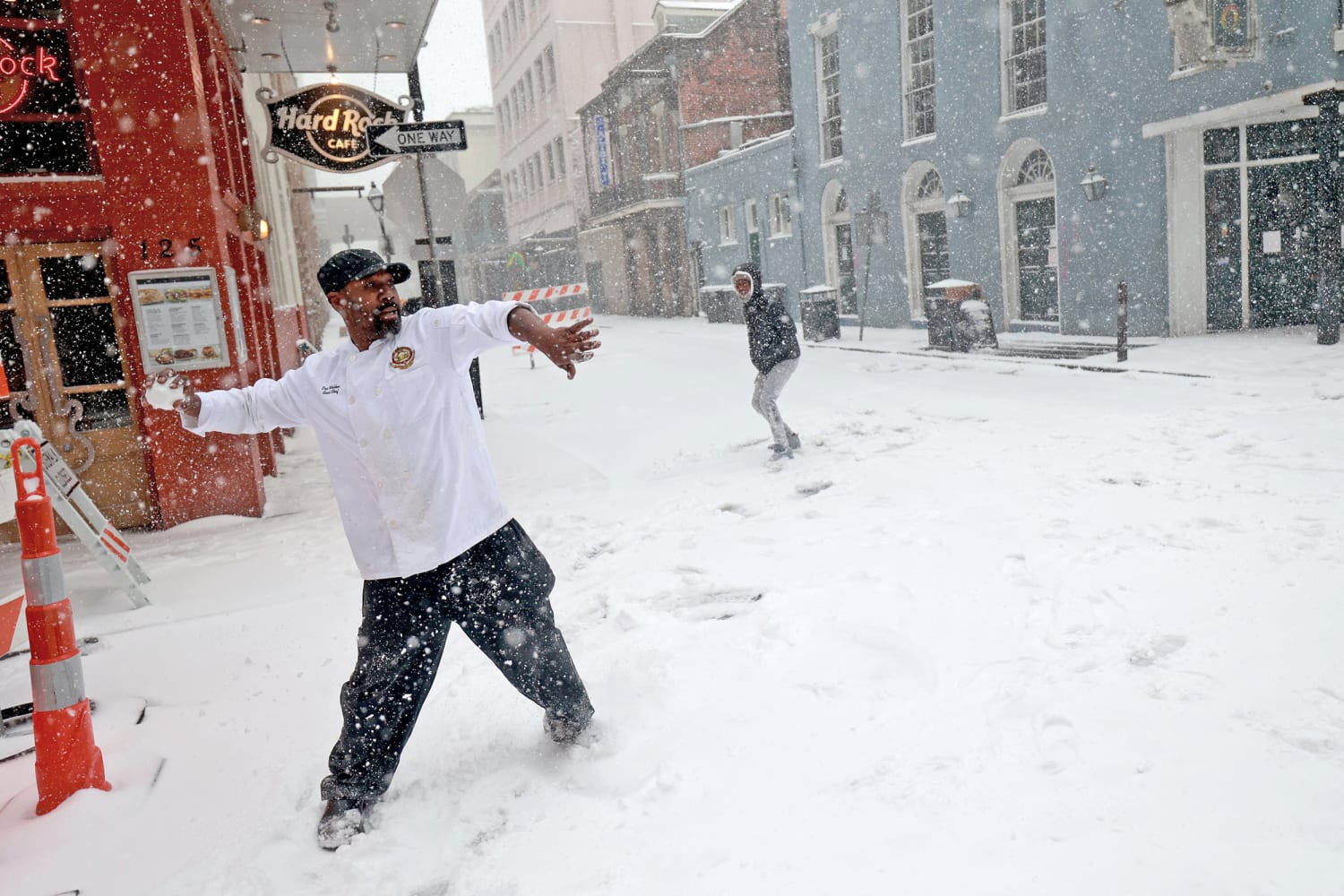
New Orleans’ roads, often made of asphalt or brick, are not treated with the same de-icing materials or equipped with the same snow-clearing machinery found in colder climates. When snow accumulates, even a small amount, it can lead to treacherous driving conditions. The city’s public transportation system, including its renowned streetcars, can also be affected by icy tracks or a lack of preparedness for such events. This often results in school closures, delays in public services, and a general slowdown of urban activity. For a city that thrives on its outdoor culture and pedestrian-friendly neighborhoods like the Garden District, snow presents an immediate and significant challenge to its usual rhythm.
A Moment of Novelty and Community Bonding
Despite the logistical challenges, snowfall in New Orleans is invariably met with a sense of wonder and excitement. For residents who rarely experience it, it’s a chance to witness a natural phenomenon typically seen only on television or in pictures. Children, in particular, revel in the opportunity to build impromptu snowmen, throw snowballs, and experience the unique texture of frozen precipitation. This shared, albeit unusual, experience often fosters a sense of community as people gather to observe, photograph, and perhaps even briefly enjoy the snow. Local businesses might offer special “snow day” deals, and social media buzzes with images of the snow-dusted city. It becomes a talking point, a shared memory that briefly overrides the usual concerns of everyday life. The sight of snow falling on iconic landmarks like the St. Louis Cathedral or the ancient oaks of Audubon Park creates a surreal and unforgettable visual.
The Meteorological Rarity: Understanding the Conditions
The occurrence of snow in New Orleans is a product of a precise alignment of atmospheric factors. It requires a confluence of frigid temperatures and moisture-laden air, a combination that is exceptionally uncommon in this subtropical locale.
The Arctic Air Intrusion
For snow to fall in New Orleans, a significant cold air mass, often originating from the Arctic or Canada, must penetrate deep into the Southern United States. These cold fronts are typically characterized by sharply dropping temperatures and can bring the mercury below freezing point across a vast area. This is the fundamental prerequisite for any wintry precipitation. Without this intense cold, any moisture in the atmosphere will simply manifest as rain.
The Presence of Moisture
Simultaneously, there must be sufficient moisture in the atmosphere to form precipitation. This moisture can come from various sources, including low-pressure systems that draw in humid air from the Gulf of Mexico, or from systems moving across the country. When the cold air mass meets this moisture at the right altitude and temperature, the water vapor can condense and freeze into ice crystals, which then fall as snow. The specific temperature profile of the atmosphere, from the cloud base to the ground, is crucial in determining whether snow reaches the surface intact.
The “New Orleans Effect”
It’s important to note that even with freezing temperatures, the humidity levels in New Orleans can sometimes be too low for significant snowfall. Furthermore, the proximity to the relatively warm waters of the Gulf of Mexico can sometimes moderate temperatures, making it harder for snow to persist. Therefore, the conditions required for a notable snowfall event are a delicate balance, a rare meteorological “perfect storm” that makes each instance a noteworthy occasion. The city’s location means that any snow that does fall often faces a rapid battle against warmer ground temperatures and atmospheric conditions, leading to its quick disappearance.
Conclusion: A White Exception to the Southern Rule
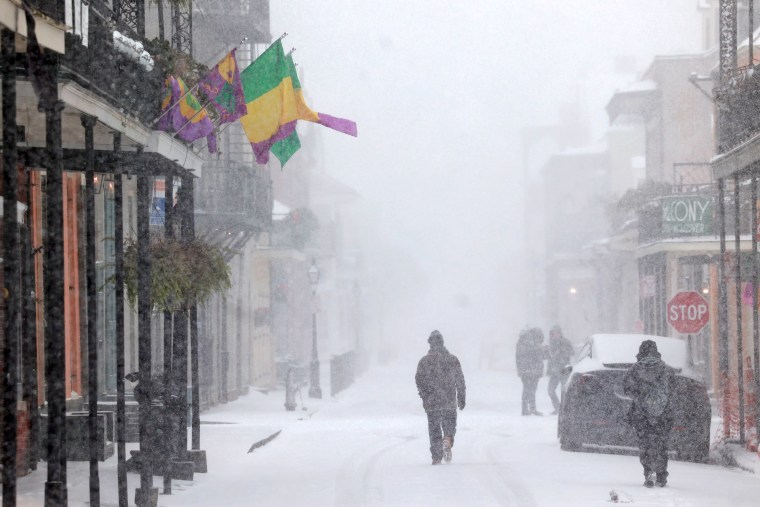
In conclusion, the answer to “Did It Snow In New Orleans?” is a resounding, albeit infrequent, yes. While the city is celebrated for its warm climate and its unique cultural tapestry, its meteorological history includes rare but memorable encounters with snow. From the historic blizzard of 1895 to more recent, albeit lighter, dustings in 2004 and other minor events, snow has, on occasion, transformed the familiar streets of this vibrant metropolis into a temporary winter wonderland. These events, while disruptive, are cherished for their novelty, offering residents a glimpse into a different kind of weather and fostering a shared sense of wonder. They serve as fascinating footnotes in the city’s otherwise consistently warm narrative, reminding us that nature, even in its most predictable regions, can always surprise us with an unexpected flourish of white. The question is not so much if it will snow again, but rather when the perfect, rare alignment of atmospheric conditions will grace the Crescent City with another fleeting touch of winter’s magic.
LifeOutOfTheBox is a participant in the Amazon Services LLC Associates Program, an affiliate advertising program designed to provide a means for sites to earn advertising fees by advertising and linking to Amazon.com. Amazon, the Amazon logo, AmazonSupply, and the AmazonSupply logo are trademarks of Amazon.com, Inc. or its affiliates. As an Amazon Associate we earn affiliate commissions from qualifying purchases.