
The iconic New Orleans Superdome, a colossal structure that has stood as a beacon of the city for decades, is more than just a venue; it’s a landmark deeply interwoven with the spirit of New Orleans. Its sheer scale is a testament to ambitious engineering and the vibrant life that pulsates within its walls. When considering events ranging from electrifying NFL games to soul-stirring concerts and pivotal political gatherings, a common and crucial question arises: just how many people can this legendary stadium accommodate? Understanding the seating capacity is key to appreciating the magnitude of events hosted here and the logistical prowess required to manage such massive crowds.
The Caesars Superdome, as it is known today due to naming rights, is a marvel of modern architecture and a symbol of resilience. It has witnessed triumphs, endured natural disasters, and consistently served as a central hub for major sporting and entertainment spectacles. Its capacity is not a static number but can vary slightly depending on the configuration for different types of events. However, for its primary function as a sporting arena, particularly for the New Orleans Saints, the figures are consistently impressive.
The Seating Capacity of the Caesars Superdome
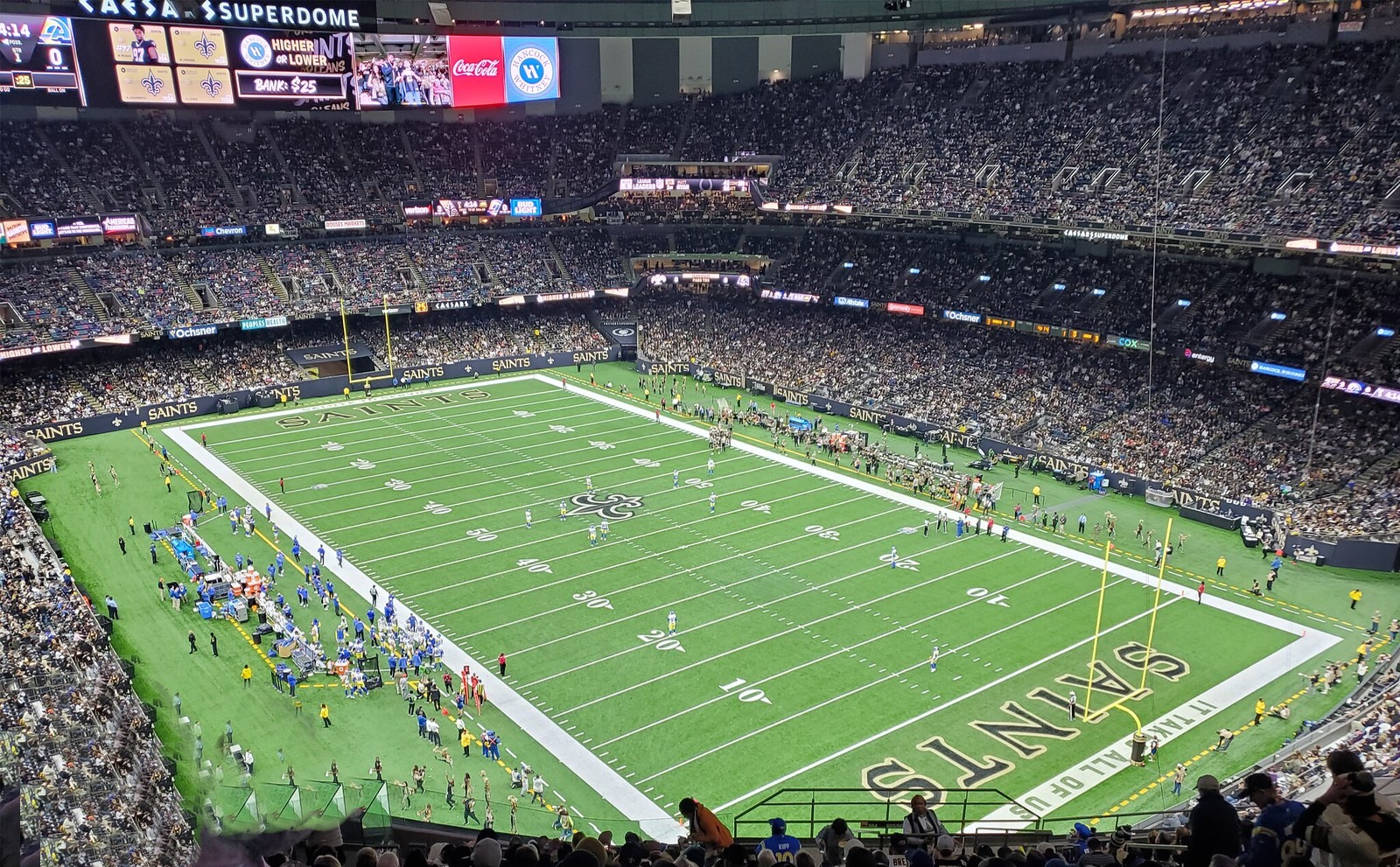
The official seating capacity of the Caesars Superdome for NFL games is approximately 73,208. This number includes fixed seating, club seating, and luxury suites. This impressive capacity allows the New Orleans Saints to host tens of thousands of passionate fans for every home game, creating an unparalleled atmosphere that is a hallmark of New Orleans sports culture. The sheer volume of people filling the stands contributes significantly to the roar of the crowd that is often heard echoing throughout the city on game days.
Beyond the standard football configuration, the stadium’s versatility allows for adjustments to accommodate other events. For concerts, the capacity can be slightly altered to accommodate stage setups and different audience arrangements. Similarly, for other sporting events like college football games or special events, the seating can be reconfigured. While the primary focus is often on NFL capacity, it’s important to recognize the flexibility of the Superdome‘s design.
Factors Influencing Seating Capacity
Several factors can influence the exact number of people the Caesars Superdome can hold. The most significant is the type of event being hosted.
NFL Games
As mentioned, for New Orleans Saints games, the capacity is around 73,208. This number is optimized for a football field setup, with seating arranged to provide the best possible view of the action. This includes:
- Lower Bowl: This section provides prime viewing for thousands of fans, directly adjacent to the field of play.
- Club Level: Offering a more premium experience, the club level seats typically come with access to exclusive lounges and amenities.
- Upper Deck: The highest tier of seating, providing a panoramic view of the stadium and the field.
- Luxury Suites: These private boxes offer exclusive seating and entertainment for smaller groups, often accommodating between 15 to 30 people each. While not part of the general public seating count, they contribute to the overall number of occupants within the stadium.
Concerts and Other Events

When the Superdome transforms into a concert venue or hosts other large-scale events, the seating arrangement can change. For concerts, standing room areas might be utilized on the floor in front of the stage, and some seating sections might be removed or reconfigured to optimize the stage layout and audience flow. This can lead to a capacity that might be slightly higher or lower than the NFL configuration, depending on the specific setup. For example, a massive concert could potentially accommodate over 76,000 attendees with a combination of seating and floor space.
Special Events and Trade Shows
The Superdome is also equipped to host conventions, trade shows, and other large gatherings. In these scenarios, the floor space is often the primary focus, and seating might be arranged in a convention-style format or even removed entirely to create vast exhibition areas. While these configurations don’t typically involve “seating capacity” in the traditional sense, the total number of people allowed within the venue for such events can still be substantial, managed by fire codes and security protocols.
Beyond the Numbers: The Superdome Experience
The capacity of the Caesars Superdome is a fundamental aspect of its function, but it only tells part of the story. The true essence of the Superdome lies in the experiences it facilitates. For locals and tourists alike, attending an event here is more than just watching a game or a show; it’s about immersing oneself in the vibrant culture of New Orleans.
Tourism and Local Culture
The Superdome is a major tourist attraction in New Orleans. Visitors often plan their trips around major events hosted within its walls. Beyond the event itself, the stadium’s presence draws attention to the surrounding area, encouraging exploration of New Orleans‘ unique neighborhoods, world-renowned cuisine, and lively music scene.
- Pre-Game/Concert Festivities: The atmosphere outside the Superdome before an event is electric. Fans and attendees often gather in local bars and restaurants, many of which are within walking distance, to soak in the pre-event buzz. These establishments are integral to the New Orleans tourism experience, offering local flavors and a taste of the city’s hospitality.
- Post-Event Celebrations: Whether it’s a Saints victory or a memorable concert performance, the energy often spills out into the city, with people continuing their celebrations in the French Quarter or other popular districts.
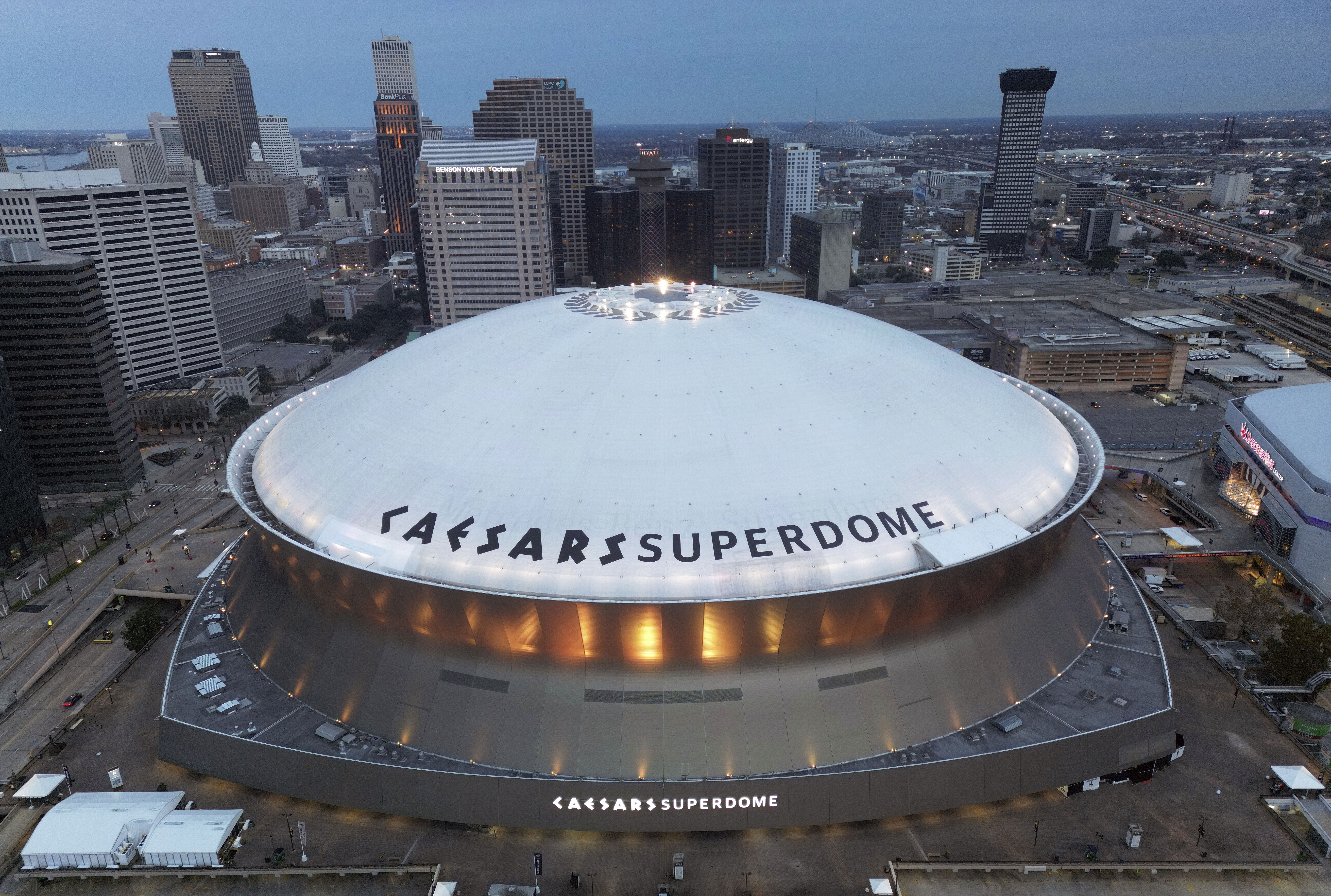
- Architectural Significance: As a landmark, the Superdome itself is an architectural marvel. Its distinctive dome shape and imposing structure make it a memorable sight for anyone visiting New Orleans. While not a natural wonder, its man-made grandeur positions it as a significant point of interest for those who appreciate iconic structures.
Accommodation and Lifestyle
For travelers planning a visit centered around an event at the Superdome, accommodation options are plentiful. New Orleans boasts a wide range of hotels, from luxury resorts to more budget-friendly options, catering to diverse travel lifestyles.
- Downtown Hotels: Many hotels are located in the downtown area, offering convenient access to the Superdome. These range from well-known chains to boutique establishments, providing a variety of amenities and price points. For instance, travelers might consider staying at a hotel near the French Quarter, allowing them to easily combine their stadium visit with exploring the historic district.
- Long-Term Stays: For those on extended trips, apartments and villas can offer a more home-like experience, allowing for deeper immersion in the local lifestyle. These can be found both in the immediate vicinity of the Superdome and in charming residential neighborhoods throughout the city.
- Luxury and Budget Travel: Whether one is seeking a lavish experience with high-end amenities or a more economical trip, New Orleans has accommodations to suit every budget. This flexibility ensures that attending an event at the Superdome is accessible to a broad spectrum of visitors.
The New Orleans Superdome is a venue that transcends its physical capacity. It is a nexus of sporting passion, musical artistry, and community gathering. Its ability to hold tens of thousands of people is a feat of engineering, but the memories created within its bounds, the cultural experiences it facilitates, and its enduring status as a symbol of New Orleans are what truly define its immense value. From the roar of the crowd during a Saints game to the collective awe inspired by a world-class performer, the Superdome remains a vital and vibrant heart of New Orleans.
LifeOutOfTheBox is a participant in the Amazon Services LLC Associates Program, an affiliate advertising program designed to provide a means for sites to earn advertising fees by advertising and linking to Amazon.com. Amazon, the Amazon logo, AmazonSupply, and the AmazonSupply logo are trademarks of Amazon.com, Inc. or its affiliates. As an Amazon Associate we earn affiliate commissions from qualifying purchases.