
California is a land of unparalleled natural grandeur, and among its most iconic treasures are the magnificent redwood forests. These colossal trees, living relics of an ancient world, stand as the tallest and largest living organisms on Earth, inspiring awe and humility in all who walk beneath their towering canopies. For anyone seeking to experience the profound majesty of nature, a journey to California’s redwoods is an absolute must. This guide will navigate you through the premier destinations where you can immerse yourself in the serene, spiritual atmosphere of these arboreal giants, providing insights into their unique characteristics and the unforgettable experiences they offer.
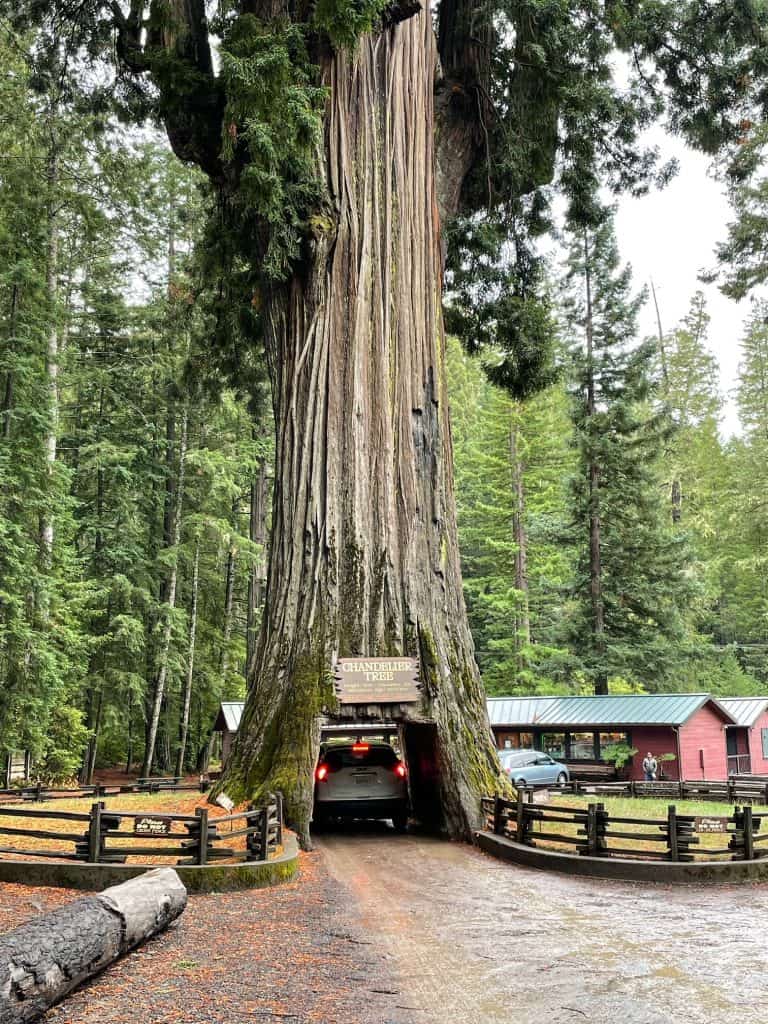
There are primarily two types of “redwoods” found in California: the Coast Redwood (Sequoia sempervirens) and the Giant Sequoia (Sequoiadendron giganteum). While both are massive and majestic, they differ in habitat and appearance. Coast Redwoods are the world’s tallest trees, thriving in the foggy, moist coastal belts of Northern and Central California. Giant Sequoias, on the other hand, are the world’s most massive trees by volume, found exclusively in groves high in the Sierra Nevada mountains. This article will explore both, ensuring you know exactly where to find each type of magnificent tree.
Discovering the Northern California Coast Redwood Empire
The heartland of the Coast Redwood lies in Northern California, a region often shrouded in mystical fog, providing the perfect conditions for these titans to flourish. Here, extensive networks of parks protect vast stretches of old-growth forests, offering some of the most profound redwood experiences imaginable.
Redwood National and State Parks: The Crown Jewel
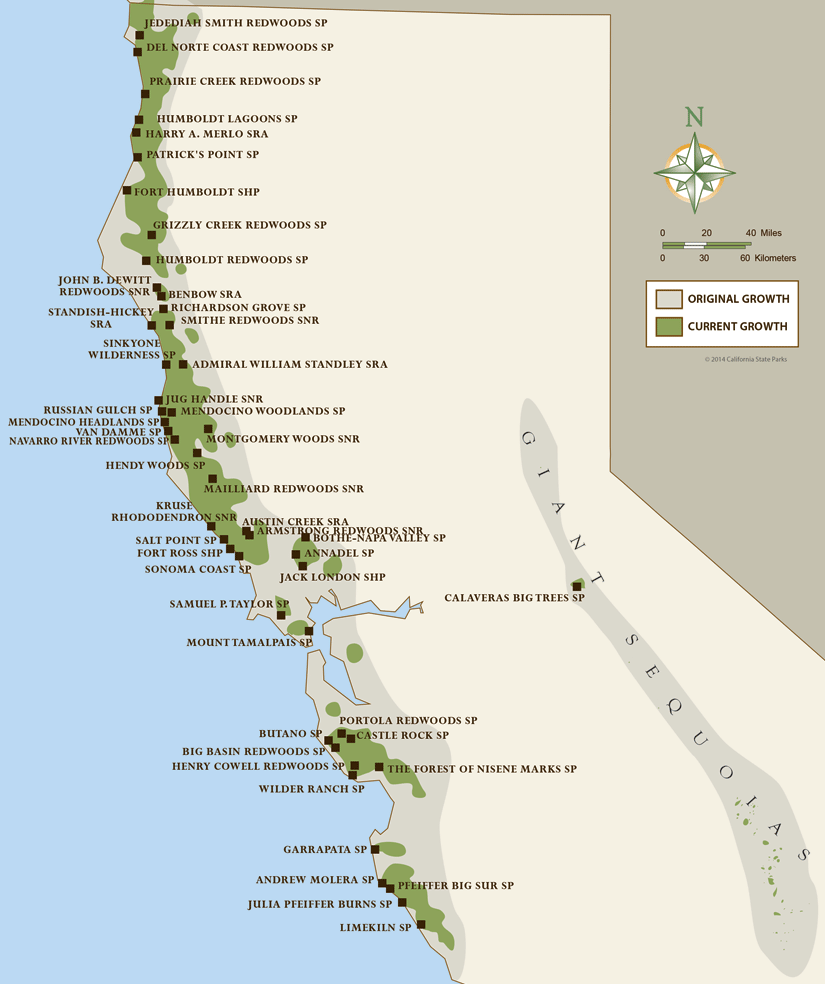
The collective of Redwood National and State Parks (RNSP) represents the absolute pinnacle of Coast Redwood viewing. This UNESCO World Heritage site and International Biosphere Reserve protects nearly half of all remaining old-growth Coast Redwoods. Stretching along over 40 miles of coastline, this complex includes Redwood National Park and three California State Parks: Jedediah Smith Redwoods State Park, Del Norte Coast Redwoods State Park, and Prairie Creek Redwoods State Park.
- Jedediah Smith Redwoods State Park: Located near Crescent City in the far north, this park is home to the iconic Stout Grove, famous for its perfect cathedral-like arrangement of colossal trees and a flat, easy walking trail. The scenic Howland Hill Road, a narrow, unpaved route, offers an intimate drive directly through an old-growth redwood forest, a truly immersive experience.
- Del Norte Coast Redwoods State Park: This park dramatically merges redwood forests with rugged coastline, offering breathtaking vistas where ancient trees meet the Pacific Ocean. Trails here often lead through dense redwood groves directly to hidden beaches and tidepools.
- Prairie Creek Redwoods State Park: South of the others, Prairie Creek Redwoods State Park is renowned for its abundant wildlife, particularly Roosevelt elk, which can often be seen grazing in open meadows surrounded by giant trees. The Newton B. Drury Parkway provides a scenic alternative to Highway 101, winding through prime redwood habitat, while the Fern Canyon offers a unique, primeval experience with its 50-foot walls draped in ferns.
Humboldt Redwoods State Park and the Avenue of the Giants
South of the RNSP complex, Humboldt Redwoods State Park protects some of the most impressive old-growth redwood groves accessible to the public. The crown jewel here is the “Avenue of the Giants,” a stunning 31-mile scenic alternative to Highway 101. This legendary drive winds through magnificent stands of redwoods, offering numerous pull-offs for short hikes, picnicking, and photography.
Within Humboldt Redwoods State Park, you’ll find several exceptional groves, including Founder’s Grove, home to the Dyerville Giant, which was once the tallest tree known to man before its fall. The visitor center provides valuable information and trail maps. For those seeking a deeper connection, camping within the park allows for an unparalleled overnight experience beneath the towering silent sentinels.
Other Notable Northern Coast Redwood Groves
While RNSP and Humboldt Redwoods State Park are the main draws, other smaller parks also offer captivating redwood experiences. Richardson Grove State Park, often considered the southern gateway to the massive redwoods, provides easy access to beautiful groves and the tranquil Eel River. Further inland, Grizzly Creek Redwoods State Park offers a more secluded and intimate experience, perfect for those looking to escape the crowds and enjoy the serenity of a smaller, pristine redwood forest.
Exploring Central California’s Ancient Giants
Closer to California’s major metropolitan areas, several parks offer convenient access to Coast Redwoods, making them ideal for day trips or shorter excursions. While these trees may not reach the same record-breaking heights as their northern cousins, they are no less magnificent.
Muir Woods National Monument: A Classic Experience
Just a short drive north of San Francisco, Muir Woods National Monument offers one of the most accessible and popular redwood experiences. Named after naturalist John Muir, this park preserves a relatively small but exceptionally beautiful old-growth Coast Redwood forest. The main trail is a series of boardwalks and paved paths, making it suitable for all ages and abilities. Due to its popularity, a reservation is required for both parking and shuttle service, ensuring a managed and enjoyable visitor experience. While the trees here are magnificent, it’s worth noting they are generally younger and not as tall as those found in the far northern parks, but their proximity to San Francisco makes Muir Woods an essential stop for many.
Henry Cowell Redwoods State Park: A Family-Friendly Option
Located near Santa Cruz in the Santa Cruz Mountains, Henry Cowell Redwoods State Park is another excellent option for families and those looking for an easy, engaging redwood encounter. The park’s main loop trail is relatively flat and winds through a stunning old-growth redwood grove, featuring some trees over 1,500 years old. An observation deck provides a unique perspective, and the famous “Fremont Tree,” a hollowed-out redwood that once sheltered a famous explorer, adds a touch of history. Adjacent to the park, Roaring Camp Railroads offers steam train rides through the redwoods, providing a charming and distinct way to see the forest.
Big Basin Redwoods State Park: Resilience and Rebirth
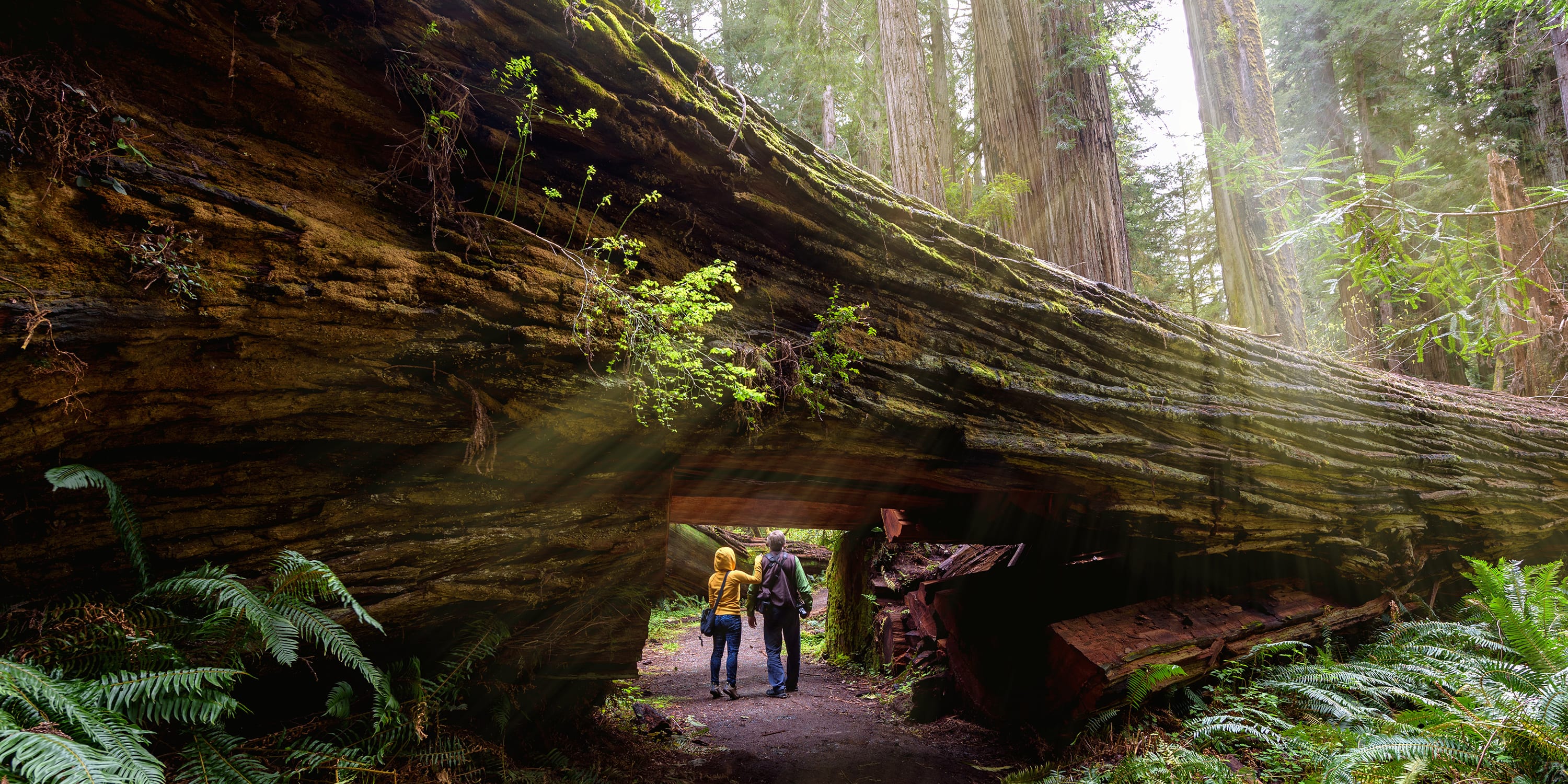
Big Basin Redwoods State Park, California’s oldest state park, located deeper in the Santa Cruz Mountains, was historically home to magnificent old-growth Coast Redwoods. While significantly impacted by the CZU Lightning Complex Fire in 2020, the park is undergoing a remarkable process of natural regeneration and restoration. Portions of the park are gradually reopening, allowing visitors to witness the resilience of the redwood ecosystem firsthand. It stands as a powerful testament to nature’s ability to recover and rebuild, offering a unique perspective on the life cycle of these ancient forests. Always check the official park website for the latest access information before planning a visit.
The Majestic Giant Sequoias: A Different Kind of Redwood
While Coast Redwoods are known for their height, Giant Sequoias (Sequoiadendron giganteum) are celebrated for their immense girth and overall mass. These impressive trees grow at higher elevations in scattered groves along the western slopes of the Sierra Nevada mountains, offering a distinctly different, yet equally breathtaking, redwood experience.
Sequoia and Kings Canyon National Parks: Home of the World’s Largest Trees
Nestled side-by-side in the southern Sierra Nevada, Sequoia and Kings Canyon National Parks are home to the most significant groves of Giant Sequoias. This is where you’ll find the largest trees on Earth by volume, including the venerable General Sherman Tree in Sequoia National Park and the General Grant Tree in Kings Canyon National Park.
- Sequoia National Park: The Giant Forest is the star attraction, home to the General Sherman Tree and several easy trails like the Big Trees Trail and the Congress Trail, which allow visitors to wander among hundreds of these colossal specimens. The Moro Rock climb offers panoramic views of the entire Giant Forest and the surrounding Sierra Nevada peaks.
- Kings Canyon National Park: The Grant Grove is easily accessible, featuring the General Grant Tree, also known as the “Nation’s Christmas Tree.” The nearby Big Stump Trail provides a glimpse into the tragic logging history of these giants.
Yosemite National Park: Mariposa Grove and Tuolumne Grove
Even Yosemite National Park, famed for its granite cliffs and waterfalls, harbors three distinct groves of Giant Sequoias.
- Mariposa Grove of Giant Sequoias: Located near Yosemite’s southern entrance, this is the largest and most famous grove in the park, home to over 500 mature Giant Sequoias, including the Grizzly Giant and the California Tunnel Tree. A shuttle system operates most of the year to preserve the sensitive environment.
- Tuolumne Grove of Giant Sequoias: Accessible via a moderate downhill hike near Crane Flat in the northern part of the park, this grove is smaller but offers a more serene experience, away from the largest crowds.
- Merced Grove of Giant Sequoias: The smallest and most remote of Yosemite’s groves, requiring a longer hike, perfect for those seeking solitude.
Planning Your Redwood Adventure: Essential Tips
Visiting California’s redwoods is an unforgettable experience, but a little planning goes a long way to ensure a smooth and respectful journey.
Best Time to Visit
The best time to visit depends on your priorities:
- Summer (June-August): Warmest weather, dry trails, but also the busiest. Expect crowds, especially at popular spots like Muir Woods and Yosemite. Reservations are often essential.
- Fall (September-November): Fewer crowds, pleasant temperatures, and often clear skies, making it an ideal time for hiking and photography.
- Spring (March-May): Moderate temperatures, fresh greenery, wildflowers, and flowing creeks. Some trails might still be muddy, and coastal fog can be prevalent.
- Winter (December-February): The quietest season, offering a mystical atmosphere with rain and mist, fewer visitors, and the chance to see snow in the Giant Sequoia groves. Be prepared for wet conditions on the coast and potential road closures in the high Sierra Nevada.
What to Bring and How to Prepare
- Layers: Weather can change rapidly, especially along the coast. Dress in layers.
- Sturdy Footwear: Comfortable, waterproof hiking shoes are crucial for exploring trails.
- Water and Snacks: Always carry enough, as services can be limited within parks.
- Maps/GPS: Cell service is often nonexistent in remote areas. Download offline maps or bring paper maps.
- Reservations: Check if reservations are required for specific parks (e.g., Muir Woods) or specific trails (e.g., Tall Trees Grove in RNSP).
- Leave No Trace: Practice the “Leave No Trace” principles to protect these fragile ecosystems. Pack out everything you pack in.
Respecting the Giants and the Environment
These ancient forests are delicate ecosystems. To preserve them for future generations, it’s vital to:
- Stay on Marked Trails: This protects the shallow root systems of the redwoods and prevents erosion.
- Do Not Climb on Trees: Climbing can damage bark and disturb the ecosystem.
- Wildlife Awareness: Observe wildlife from a distance and never feed animals.
- Fire Safety: Be extremely cautious with fire, especially during dry seasons. Adhere strictly to park regulations.
Experiencing California’s redwoods is more than just a trip; it’s a journey into the heart of natural wonder and ancient history. Whether you seek the towering majesty of the Coast Redwoods in the foggy north or the colossal grandeur of the Giant Sequoias in the sunny Sierra Nevada, each grove offers a unique and unforgettable connection to the power and beauty of the natural world. Plan your adventure, step into the silent cathedral of the trees, and let the giants inspire a sense of wonder and reverence that will last a lifetime.
LifeOutOfTheBox is a participant in the Amazon Services LLC Associates Program, an affiliate advertising program designed to provide a means for sites to earn advertising fees by advertising and linking to Amazon.com. Amazon, the Amazon logo, AmazonSupply, and the AmazonSupply logo are trademarks of Amazon.com, Inc. or its affiliates. As an Amazon Associate we earn affiliate commissions from qualifying purchases.