
Navigating the complexities of a new destination often involves practical considerations, and one of the most fundamental is the safety and quality of the local water supply. For travelers, business visitors, and even new residents, the question of whether tap water in New York is safe to drink is paramount. The good news is that for the vast majority of visitors and inhabitants, the answer is a resounding yes. New York boasts a remarkably high standard for its public water system, making it a convenient and sustainable choice.
The Pristine Source: New York’s Reservoir System
The foundation of New York’s excellent tap water quality lies in its extensive and well-protected reservoir system. Unlike many other major cities that rely on sources closer to urban centers, New York’s water originates from a vast network of upstate reservoirs, primarily in the Catskill and Delaware watersheds. This geographical separation is a significant advantage.
Upstate Watersheds: A Natural Sanctuary
The protected nature of these upstate watersheds is crucial. These areas are largely undeveloped, with stringent regulations in place to prevent pollution from agricultural runoff, industrial discharge, and sewage. This natural buffer helps maintain the water’s pristine quality before it even begins its journey to the city. The sheer scale of the system, encompassing thousands of square miles, means that the water is naturally filtered through forests and soil, contributing to its clarity and purity. This reliance on natural filtration significantly reduces the need for extensive chemical treatments often required for water sourced from more compromised locations.
Advanced Filtration and Treatment
While the natural quality of the source water is exceptional, New York City’s Department of Environmental Protection (DEP) employs rigorous treatment and testing protocols to ensure it meets and exceeds federal and state drinking water standards. The Croton Filtration Plant and the Catskill/Delaware UV Disinfection Facility are key components of this infrastructure, employing state-of-the-art technologies to remove any potential contaminants.
- UV Disinfection: A critical step in the treatment process involves ultraviolet (UV) disinfection. This method uses UV light to inactivate any harmful microorganisms, such as bacteria and viruses, that might be present in the water. UV treatment is highly effective and avoids the use of chemicals that could alter the water’s taste or introduce byproducts.
- Secondary Disinfection: Following UV treatment, a small amount of disinfectant, typically chlorine, is added to maintain water quality as it travels through the extensive pipe network to homes and businesses. This secondary disinfection acts as a safeguard, ensuring that any microbial contaminants that might have been introduced post-treatment are neutralized.
- Regular Testing: The DEP conducts tens of thousands of water quality tests annually at various points throughout the distribution system, from the reservoirs to the taps. These tests monitor a wide range of parameters, including physical characteristics, chemical composition, and the presence of biological contaminants.
Taste and Perception: Debunking the Myths
Despite the scientific evidence and the consistent safety of New York’s tap water, some visitors may have reservations about its taste or perceived safety. This often stems from prior experiences in other cities or a general assumption that “city water” is not as good as bottled alternatives. However, New York water is often lauded for its clean and neutral taste, particularly when compared to water treated with higher levels of chlorine or sourced from areas with different geological compositions.
The Role of Minerals and Chlorine
The taste of tap water can be influenced by its mineral content and the type and amount of disinfectant used. New York’s water is relatively low in minerals, contributing to its clean taste. The minimal amount of chlorine added for secondary disinfection is usually imperceptible to most palates. For those who are particularly sensitive, letting the water sit for a few minutes can allow any residual chlorine to dissipate.
Bottled Water vs. Tap: A Sustainable Choice
The prevalence of bottled water in convenience stores and hotels can create a perception that it is the only safe or desirable option. However, choosing tap water over bottled water offers significant environmental and economic benefits.

- Environmental Impact: The production, transportation, and disposal of plastic water bottles contribute to pollution and carbon emissions. By opting for tap water, you significantly reduce your environmental footprint.
- Cost Savings: Bottled water can be a significant expense, especially for longer stays or frequent consumption. Filling a reusable water bottle from the tap is virtually free and incredibly convenient.
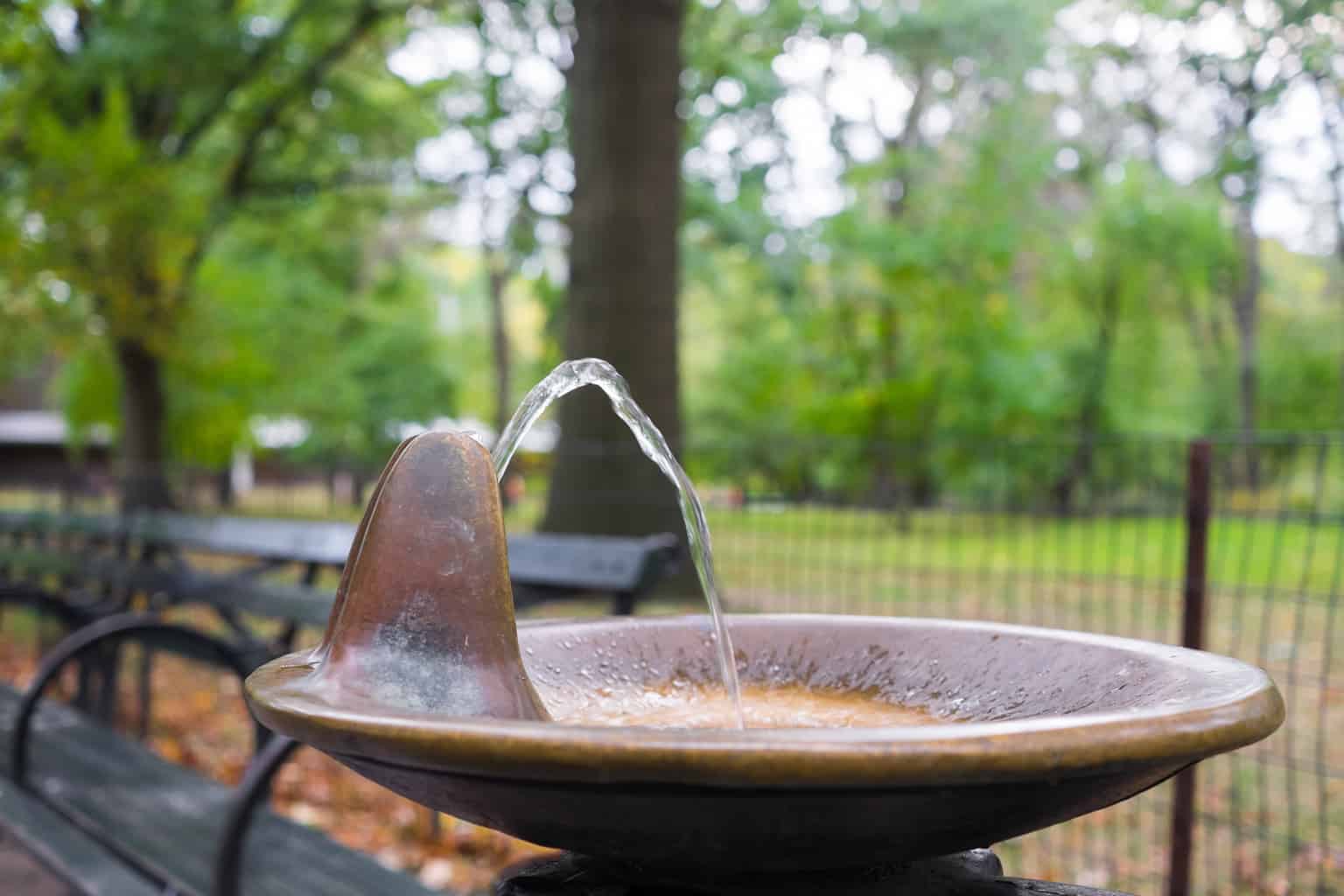
- Convenience: Access to safe drinking water is readily available from numerous public fountains and in all hotel rooms, restaurants, and cafes throughout New York.
Where to Find and Enjoy New York Tap Water
Accessing and enjoying New York‘s potable tap water is straightforward during your visit. It’s not just about survival; it’s about embracing a sustainable and authentic travel experience.
Public Water Fountains and Refill Stations
Many parks and public spaces across New York City, such as Central Park and Bryant Park, are equipped with functional water fountains. These are excellent resources for refilling reusable water bottles throughout the day, especially while exploring the city’s attractions. Keep an eye out for these as you wander through neighborhoods like Greenwich Village or the Financial District.
In Hotels and Restaurants
All reputable hotels, from luxury establishments like The Plaza to boutique options in SoHo, provide potable tap water. It is typically served by default in restaurants unless you specifically request bottled water. Do not hesitate to ask for a glass of tap water; it is the standard and expected practice.
- Hotel Rooms: The tap water in your hotel room is safe to drink. You can use it for drinking, brushing your teeth, and even making coffee or tea.
- Restaurants: When dining out, simply ask your server for “tap water” or “water from the faucet.” Many establishments will readily provide it. If you are concerned about the taste, you can always ask for a lemon or lime wedge to enhance the flavor.
Special Considerations and Local Insights
While New York’s tap water is generally excellent, there are a few specific points to keep in mind, especially for those with highly sensitive systems or in older buildings.
Lead in Older Plumbing
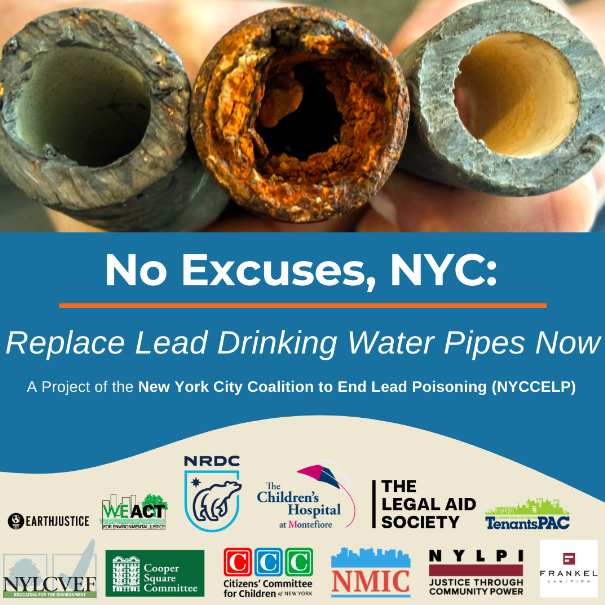
In very old buildings, particularly those constructed before lead pipes were phased out, there is a theoretical possibility of trace amounts of lead leaching into the water. This is more of a concern for long-term residents or in buildings with known plumbing issues. However, the DEP conducts regular testing in many such areas, and for temporary visitors, the risk is exceptionally low. If you have concerns, running the tap for a minute before drinking or using the water can help flush out any potential sediment or dissolved metals.
Emergency Situations
In the rare event of a water main break or other emergency that could compromise the water supply, the city would issue official advisories. These alerts are typically communicated through local news channels and the DEP’s official website. For the vast majority of your visit, however, you can assume the tap water is safe and of high quality.
Embracing the Local Experience
Ultimately, drinking New York’s tap water is not just a practical choice; it’s an opportunity to engage with the city on a more local and sustainable level. It allows you to fully immerse yourself in the rhythm of New York, from the bustling streets of Times Square to the quiet contemplation of a museum like the Metropolitan Museum of Art. So, raise a glass of tap water and toast to a safe, refreshing, and environmentally conscious visit.
LifeOutOfTheBox is a participant in the Amazon Services LLC Associates Program, an affiliate advertising program designed to provide a means for sites to earn advertising fees by advertising and linking to Amazon.com. Amazon, the Amazon logo, AmazonSupply, and the AmazonSupply logo are trademarks of Amazon.com, Inc. or its affiliates. As an Amazon Associate we earn affiliate commissions from qualifying purchases.