
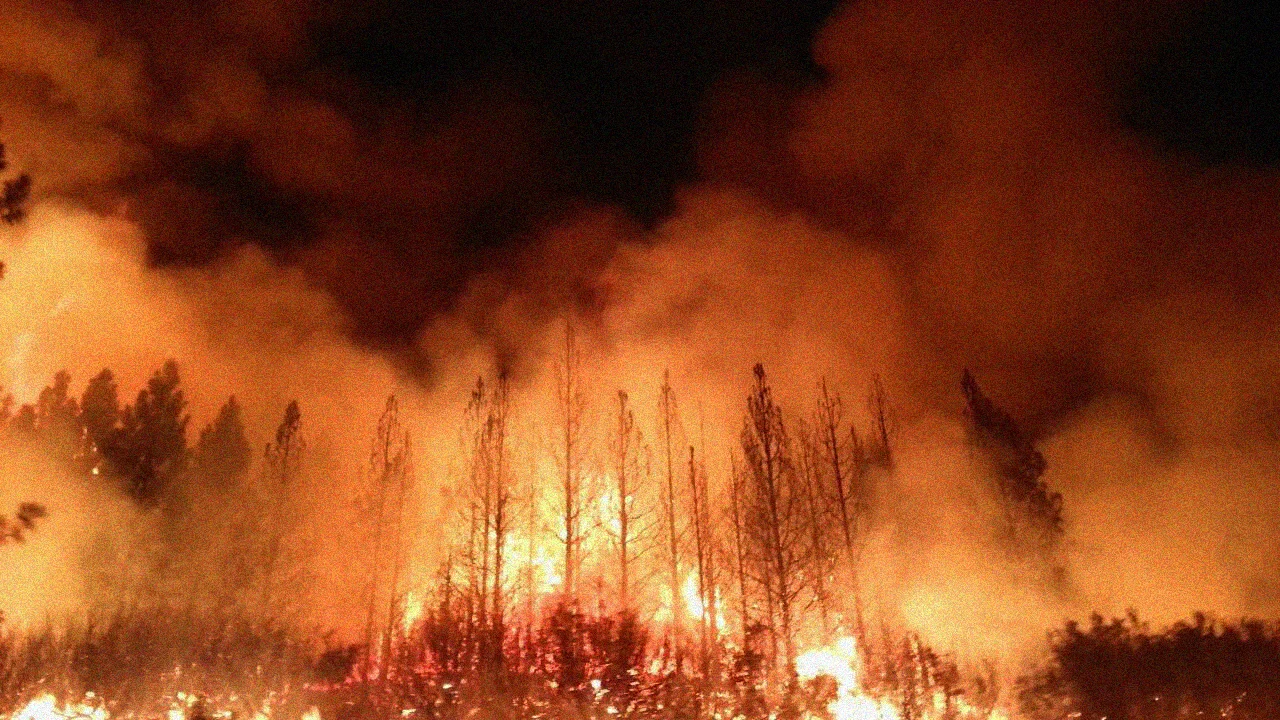
The question “Is This The Worst Fire In California?” hangs heavy in the air, echoing concerns that stretch far beyond immediate danger. For many, it immediately conjures images of devastation, loss, and environmental catastrophe. While the answer might hinge on specific metrics—acres burned, structures destroyed, lives lost—its true impact extends into the very fabric of life, profoundly altering landscapes, communities, and critically, the state’s vibrant travel and tourism industry. As a premier global destination, California draws millions each year to its diverse natural wonders, bustling cities, and serene vineyards. A fire of “worst” magnitude not only threatens these cherished attractions but fundamentally reshapes the travel experience, posing complex challenges and highlighting the urgent need for resilience, preparedness, and responsible tourism. This exploration delves into how the specter of mega-fires influences travel to the Golden State, examining the immediate disruptions, the arduous path to recovery, and the evolving dynamics of what it means to travel responsibly in an era of unprecedented environmental shifts.
A Landscape in Flux: Understanding California’s Wildfire Challenge
California’s unique geography, characterized by dry chaparral, dense forests, and mountainous terrain, combined with Mediterranean climate patterns, has always made it susceptible to wildfires. However, recent decades have witnessed an alarming escalation in their frequency, intensity, and destructiveness. This isn’t merely a localized phenomenon; it’s a fundamental challenge that increasingly defines the state’s identity and, consequently, its appeal as a global travel destination.
The Anatomy of a Mega-Fire: What Makes Them So Destructive?
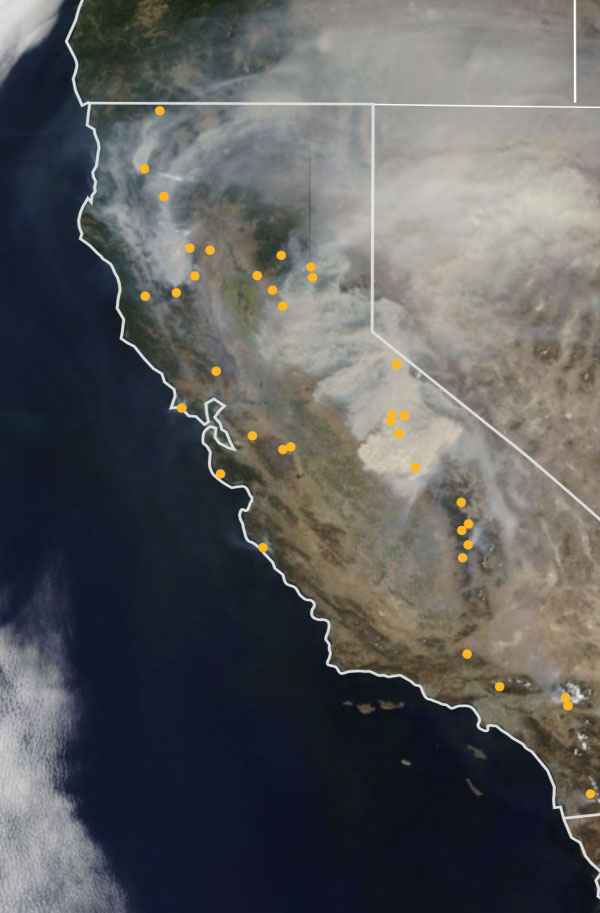
What elevates a fire to the dreaded status of “worst”? It’s often a perfect storm of environmental and climatic factors. Prolonged droughts leave vegetation parched, transforming vast swathes of land into tinderboxes. High winds, particularly the Santa Ana winds in the south and Diablo winds in the north, act as accelerators, fanning flames and carrying embers miles ahead, creating unpredictable fire fronts. Compounding these natural elements is the ever-expanding wildland-urban interface, where human development encroaches on natural areas, placing more homes, businesses, and essential infrastructure directly in harm’s way. The sheer scale of these mega-fires, covering hundreds of thousands of acres, means they are not just consuming forests but impacting air quality across entire regions, shutting down major transportation arteries, and displacing populations, all of which have direct and immediate repercussions for travelers and the tourism industry. The heat generated by these fires can be so intense that it creates its own weather systems, further complicating containment efforts and prolonging their destructive trajectory.
Historical Context: A Series of Devastating Events
To fully grasp the magnitude of a potentially “worst” fire, it’s crucial to contextualize it within California’s history of devastating blazes. From the Oakland Hills firestorm of 1991 to the North Bay Fires that ravaged Napa Valley and Sonoma County in 2017, and the infamous Camp Fire that decimated Paradise in 2018, the state has endured a grim procession of record-breaking infernos. Each event has left an indelible mark, not just on the physical landscape but on the collective consciousness. These fires have historically impacted specific travel corridors, forced the closure of iconic parks like Yosemite National Park and Sequoia National Park due to smoke and proximity, and instilled a sense of uncertainty for both residents and potential visitors. The cumulative effect of these repeated disasters is a growing awareness among travelers that a trip to California now often requires a higher degree of flexibility, vigilance, and understanding of the state’s evolving environmental realities.
Navigating the Aftermath: Travel and Tourism in Affected Regions
When a fire reaches historic proportions, its shadow extends far and wide, altering the very fabric of travel and tourism in affected areas and often across the entire state. The question for travelers quickly shifts from “where should I go?” to “is it safe to go?” and “how can I best support recovery?”.
Immediate Disruptions: Evacuations, Closures, and Travel Warnings
The immediate aftermath of a “worst” fire is chaos. Mandatory evacuations can empty entire towns, transforming bustling tourist hubs into ghost towns overnight. Roads become impassable, either due to direct fire threat, debris, or the movement of emergency vehicles. Major highways, critical for connecting destinations like Los Angeles to San Francisco or the coast to inland national parks, face sudden, prolonged closures. International and domestic travel warnings issued by government bodies or advisories from airlines and travel agencies can deter potential visitors, even to areas far removed from the actual blaze. National and state parks, from the awe-inspiring giant sequoias of Sequoia National Park to the rugged coastline of Big Sur, are frequently forced to close, protecting both visitors and natural resources. These immediate disruptions are not just inconveniences; they represent significant economic blows to local businesses, from family-run restaurants to boutique hotels, that rely heavily on the seasonal influx of tourists.
Rebuilding and Resilience: Emerging from the Ashes
Yet, amidst the devastation, a remarkable spirit of resilience often emerges. Communities, once reeling from loss, begin the arduous process of rebuilding. For the travel industry, this means not only repairing damaged infrastructure—roads, bridges, hotels, and attractions—but also restoring confidence. Local tourism boards and chambers of commerce work tirelessly to communicate what’s open, what’s safe, and how visitors can contribute positively to recovery efforts. Hotels that served as emergency shelters quickly transition back to welcoming guests, often with renewed commitment to their communities. Attractions, even those scarred, seek innovative ways to reopen, highlighting their enduring spirit. Consider the remarkable comeback of areas like Napa Valley after previous fires; while some vineyards were lost, many quickly reopened, inviting visitors to taste their resilient vintages and support the local economy. This phase emphasizes the importance of direct support from travelers, choosing to visit and spend locally in regions that have been impacted, helping to inject vital funds back into rebuilding efforts.
Shifting Travel Perceptions: Is California Still a Dream Destination?
One of the most profound, long-term impacts of mega-fires is the potential shift in global travel perceptions. For many, California embodies sun-drenched beaches, iconic landmarks like the Golden Gate Bridge, and vast, untouched wilderness. Repeated headlines of “worst fires” can challenge this idyllic image, replacing it with concerns about safety, environmental degradation, and air quality. The travel industry must actively counteract this narrative by showcasing the state’s enduring beauty, its vastness, and the numerous regions untouched by fire. It also necessitates a frank acknowledgment of the challenges and a clear communication of how the state is adapting, investing in fire prevention, and promoting sustainable tourism practices. The goal is to reassure travelers that while the landscape may be changing, the core allure of California—its adventurous spirit, cultural richness, and natural splendor—remains undiminished.

Safeguarding Future Adventures: Travel Preparedness and Responsible Tourism
In an era where large-scale wildfires are becoming a more frequent reality for California, both the travel industry and individual travelers bear a shared responsibility to adapt. This involves proactive preparedness, making informed decisions, and embracing a philosophy of responsible tourism.
Essential Tips for California-Bound Travelers
For anyone planning an adventure to California, a heightened level of awareness and preparation is now paramount. Before departure, thorough research is key: check the official websites of California state parks and national parks (such as Yosemite National Park or Redwood National Park) for real-time alerts and closures. Monitor air quality reports, especially if planning outdoor activities in mountain or forest regions. Flexibility is a traveler’s best friend; have alternative routes or destinations in mind. Consider travel insurance that covers fire-related disruptions, including evacuation orders or closures. During your trip, stay informed through local news and emergency services. Always adhere to fire restrictions, such as those regarding campfires or spark-producing activities. Understanding evacuation routes, especially if staying in a remote area, can be life-saving.
Supporting Local Economies: The Role of Conscious Travel
One of the most impactful ways travelers can help after a significant fire is through conscious and deliberate support of local economies. This means choosing to visit communities that have been impacted, spending money at local businesses—restaurants, shops, accommodations, and tour operators. Instead of canceling a trip to California entirely, consider redirecting your itinerary to areas that were less affected but are still part of the broader regional economy. Engage with local residents, learn about their recovery efforts, and show solidarity. Many destinations will create specific campaigns or initiatives to attract visitors back post-fire; participating in these can make a tangible difference. Every dollar spent in these areas contributes directly to the rebuilding process, helping communities get back on their feet and preserving the unique local culture that makes these places so special.
Adapting to a New Normal: Sustainable Practices in Travel
The ongoing wildfire challenge also underscores the broader need for sustainable travel practices. Reducing one’s carbon footprint, choosing eco-friendly accommodations, and supporting businesses committed to environmental stewardship are more critical than ever. This includes being mindful of water usage, minimizing waste, and respecting natural environments by staying on marked trails and leaving no trace. For travel operators, it means investing in fire-resilient infrastructure, adopting sustainable land management practices, and educating visitors about fire prevention. By embracing these practices, travelers and the industry can collectively contribute to mitigating the factors that exacerbate wildfires, helping to protect California’s natural beauty for future generations of adventurers.
Beyond the Blaze: California’s Enduring Allure for Travelers
Despite the significant challenges posed by wildfires, the spirit of California endures. Its vastness and diversity mean that even in the face of widespread devastation, countless destinations continue to thrive, offering unparalleled experiences that uphold its reputation as a world-class travel destination.
Diverse Experiences Beyond the Wildfire Zones
It’s crucial to remember that California is an enormous state, and even during its most severe wildfire seasons, vast regions remain untouched and open for exploration. While some mountain ranges or forests may be impacted, the iconic urban centers like San Francisco, Los Angeles, and San Diego typically operate normally, offering their world-renowned museums, vibrant culinary scenes, and cultural attractions. The central coast, often bypassed by major fires, continues to enchant with its picturesque towns, vineyards, and stunning ocean views. Many desert landscapes and remote eastern Sierra areas are also unaffected, providing unique outdoor adventures from stargazing to rock climbing. Travelers have an opportunity to discover lesser-known gems or revisit beloved destinations with a renewed sense of appreciation, knowing that their presence contributes to the state’s overall economic health. California’s identity is not solely defined by its forests and mountains; it’s a mosaic of deserts, urban innovation, agricultural bounty, and a resilient coastal culture, all of which continue to offer rich and rewarding travel experiences.
The Spirit of Innovation and Resilience
At its core, California has always been a place of innovation and resilience. From pioneering environmental protection efforts to leading technological advancements, the state has consistently demonstrated an ability to confront challenges head-on and adapt. This spirit extends to its approach to wildfires. Researchers are developing new fire prediction models, communities are implementing stricter building codes and vegetation management programs, and emergency services are continually refining their response strategies. The tourism industry, too, is adapting, offering new itineraries that emphasize fire-safe zones, promoting responsible eco-tourism, and leveraging technology to provide up-to-the-minute travel information. This forward-thinking approach means that while the landscape may be forever changed in some areas, the determination to protect and preserve its beauty, and to continue welcoming visitors safely, remains stronger than ever.
Conclusion
The question “Is This The Worst Fire In California?” transcends a simple answer, reflecting a complex and evolving narrative. While fires of unprecedented scale undoubtedly present significant challenges for travel and tourism, they also highlight the remarkable resilience of Californian communities and the enduring allure of its diverse landscapes. For travelers, it means embracing a more informed and responsible approach to exploration—one that prioritizes safety, supports local recovery, and respects the delicate balance of nature.
California remains a dream destination, not just for its iconic sights, but for its spirit of endurance and innovation. By understanding the challenges, preparing appropriately, and practicing conscious travel, visitors can continue to experience the magic of the Golden State, contributing positively to its recovery and helping to safeguard its natural wonders for generations to come. The future of travel in California is one of adaptation, awareness, and unwavering appreciation for a state that, even in the face of adversity, continues to inspire.
LifeOutOfTheBox is a participant in the Amazon Services LLC Associates Program, an affiliate advertising program designed to provide a means for sites to earn advertising fees by advertising and linking to Amazon.com. Amazon, the Amazon logo, AmazonSupply, and the AmazonSupply logo are trademarks of Amazon.com, Inc. or its affiliates. As an Amazon Associate we earn affiliate commissions from qualifying purchases.