
The journey from New York to Tokyo is an epic transatlantic and transpacific adventure, bridging continents and time zones. Understanding the duration of this flight is crucial for any traveler planning this significant trip. While seemingly a simple question, the answer involves several variables, from direct routes to potential layovers, aircraft efficiency, and even the prevailing atmospheric conditions. This exploration delves into the typical flight times, factors influencing them, and what travelers can expect when embarking on this considerable voyage.
Direct Flight Durations: The Swift Path Across the Pacific
For those seeking the most efficient travel, direct flights offer the shortest journey time between New York City and Tokyo. These non-stop services are operated by major carriers, connecting travelers directly between these two global metropolises.
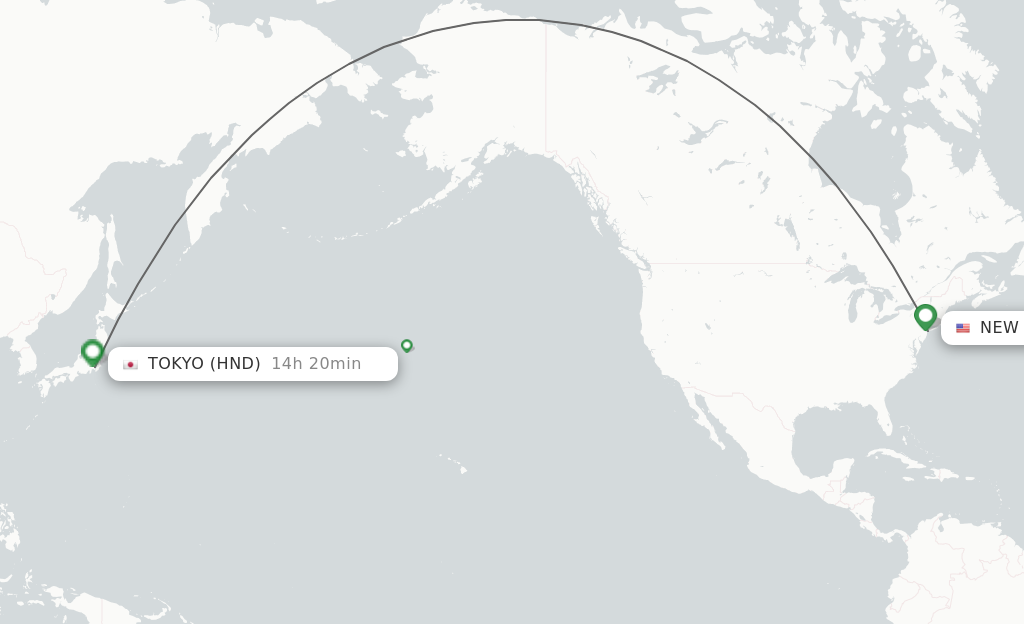
Typical Non-Stop Flight Times
The average duration of a direct flight from New York to Tokyo typically ranges from 13 to 14.5 hours. This figure can vary slightly depending on the specific airline, the direction of travel (eastbound vs. westbound, though in this case, both are generally westward from the perspective of a global journey), and prevailing wind patterns. For instance, flights departing from New York and arriving in Tokyo (often at Narita International Airport or Haneda Airport) will experience similar flight times.
Airlines Offering Direct Routes
Several reputable airlines provide direct services on this route, ensuring travelers have options to choose from. These often include flag carriers of both the United States and Japan, as well as other international airlines with extensive long-haul networks. Common operators might include Japan Airlines, All Nippon Airways, and United Airlines. Booking in advance is highly recommended, especially for non-stop services, as they are often the most sought-after and can fill up quickly.
Flights with Layovers: Extended Journeys and Potential Savings
While direct flights are convenient, they are not always the most economical or readily available option. Flights with one or more layovers can significantly extend the overall travel time but may offer cost savings or more flexible scheduling.
Impact of Layover Destinations on Total Travel Time
The total duration of a flight with layovers is highly variable and depends on several factors:
- Layover City: The choice of layover city plays a significant role. Common layover points for flights from New York to Tokyo might include cities in Canada (like Vancouver or Toronto), Europe (though less common for this specific transpacific route, it’s possible with a multi-city booking), or other major hubs in Asia like Seoul or Hong Kong.
- Layover Duration: This is the most critical factor. A short layover (e.g., 2-3 hours) might add only a few hours to the total journey. However, a long layover can extend the travel time by 8, 10, or even more hours, turning the journey into a multi-day affair if the layover spans overnight.
- Number of Stops: Flights with two or more layovers will naturally take longer than those with a single stop.
Consequently, a flight with a layover can range anywhere from 17 hours to over 24 hours, sometimes even exceeding 30 hours for complex itineraries.
Strategies for Booking and Managing Layovers
When considering flights with layovers, travelers should employ strategic booking practices:
- Compare Total Travel Time: Always look at the total travel time provided by the airline, not just the flying time. This includes the time spent on the ground during layovers.
- Factor in Airport Transfers: If a layover involves changing airports (rare but possible), account for this additional travel time and potential costs.
- Consider Overnight Layovers: For very long layovers, an overnight stay in the layover city can break up the journey and allow for a brief exploration, provided visa requirements are met and time permits. This also requires booking appropriate accommodation, such as a hotel near the airport.
- Book Sufficient Transfer Time: If booking separate tickets (not recommended for international travel), ensure ample time for baggage re-checking and security, typically at least 3-4 hours for international connections.
Factors Influencing Flight Duration

Beyond the presence of layovers, several other elements can subtly or significantly impact the duration of a flight between New York and Tokyo. Understanding these can help manage expectations and prepare for the journey.
Jet Streams and Atmospheric Conditions
The Earth’s atmosphere is dynamic, and the most influential factor affecting flight times on long-haul routes is the presence and strength of jet streams. These fast-flowing, narrow air currents are found at high altitudes.
- Tailwinds: When an aircraft flies with a jet stream behind it (a tailwind), it receives a significant speed boost, reducing flight time.
- Headwinds: Conversely, flying against a jet stream (a headwind) will slow the aircraft down, increasing flight time.
The direction and intensity of jet streams vary seasonally and can even change daily. Therefore, the flight time on the return journey from Tokyo to New York might differ from the outbound flight, even on the same airline and aircraft type, due to these atmospheric phenomena.
Aircraft Type and Speed
Modern commercial aircraft are designed for efficiency and speed, but variations in aircraft models can lead to slight differences in flight duration. Newer, more aerodynamic aircraft with more powerful engines might shave a few minutes off the total travel time compared to older models. While the difference per flight is minimal, over the course of many flights, it contributes to the overall operational efficiency of airlines. Airlines also aim to fly at optimal cruising altitudes and speeds to balance fuel consumption with timely arrival.
Air Traffic Control and Route Optimization
The skies are a highly regulated space. Air traffic control plays a crucial role in guiding aircraft along specific, optimized routes to ensure safety and efficient movement. These routes can be influenced by weather patterns, restricted airspace, and the positioning of other aircraft. While airlines and air traffic control strive for the most direct path, factors like avoiding turbulent weather or congested airspace can lead to slight deviations, potentially adding to the flight time.
Preparing for Your Long Haul to Tokyo
A flight from New York to Tokyo is not just a matter of hours in the air; it’s an experience that requires preparation to ensure comfort and well-being.
Navigating Time Zones and Jet Lag
The most significant challenge for travelers on this route is the substantial time difference. Tokyo is 13 hours ahead of New York. This vast temporal shift means that upon arrival, travelers will need to adjust to a completely different daily rhythm.
- Strategies for Combating Jet Lag:
- Adjust Sleep Schedule: Begin adjusting your sleep schedule a few days before departure, shifting bedtime and wake-up times closer to the destination’s time.
- Stay Hydrated: Drink plenty of water during the flight and avoid excessive alcohol and caffeine, which can dehydrate you and disrupt sleep patterns.
- Move During the Flight: Get up and walk around the cabin periodically to improve circulation and reduce the risk of deep vein thrombosis.
- Embrace Local Time: Upon arrival, immediately adopt the local time for meals and sleep, even if you feel tired. Expose yourself to natural daylight to help reset your body clock.
In-Flight Comfort and Entertainment
Given the extended duration of the flight, passenger comfort and entertainment are paramount for a pleasant journey.
- Comfort Items: Pack essentials like a neck pillow, eye mask, earplugs or noise-canceling headphones, and comfortable, loose-fitting clothing. A light blanket or shawl can also be beneficial, as cabin temperatures can fluctuate.
- In-Flight Entertainment: Most long-haul flights offer extensive in-flight entertainment systems with movies, TV shows, music, and games. However, it’s wise to also download content to your personal devices (tablets, phones) as a backup or for a wider selection.
- Connectivity: While Wi-Fi is increasingly available on long-haul flights, it often comes at a cost and can be unreliable. Check with your airline in advance about Wi-Fi availability and pricing if you need to stay connected.
By understanding the nuances of flight durations and preparing accordingly, travelers can ensure their journey from New York to Tokyo is as smooth and enjoyable as possible, setting the stage for an incredible experience in Japan.
LifeOutOfTheBox is a participant in the Amazon Services LLC Associates Program, an affiliate advertising program designed to provide a means for sites to earn advertising fees by advertising and linking to Amazon.com. Amazon, the Amazon logo, AmazonSupply, and the AmazonSupply logo are trademarks of Amazon.com, Inc. or its affiliates. As an Amazon Associate we earn affiliate commissions from qualifying purchases.