
Understanding the area codes of a vast and dynamic region like New York can be surprisingly useful, whether you’re planning a trip, conducting business, or simply trying to connect with someone. Far beyond just a numerical sequence, New York’s area codes offer a glimpse into the city’s and state’s intricate geographical and historical fabric. This guide delves into the primary area codes serving the bustling metropolis of New York City and its surrounding areas, providing clarity for travelers and those engaging with the region.
Understanding the Foundation: Overlay vs. Geographic Area Codes
Before diving into specific numbers, it’s essential to grasp how area codes function in a densely populated and technologically advanced region like New York. Modern telecommunications often employ “overlay” area codes. Unlike traditional geographic area codes that are assigned to a specific geographic territory, overlay codes are introduced to serve the same geographic region as an existing area code. This is primarily done to meet the ever-increasing demand for telephone numbers. As the population grows and the number of devices requiring phone numbers proliferates (think smartphones, tablets, and various connected devices), the original pool of numbers within a geographic area code is exhausted. Overlays allow for the creation of new numbers without forcing everyone to change their existing number or redrawing strict geographical boundaries.

The Mechanics of Overlays
When an overlay area code is introduced, it covers the same geographical area as the original code. This means that within a particular city or county, you might encounter two or even more area codes serving the same set of customers. The key implication for making calls is the need for “10-digit dialing.” Previously, in many areas, you could dial a local number using only the 7 digits. With overlays, or even just to ensure consistency across the North American Numbering Plan, you must now dial the area code (3 digits) followed by the 7-digit local number for all calls, even within the same geographic area. This ensures the telephone network can correctly route your call to the intended number, regardless of whether it falls under the original or an overlay area code.
Decoding the Core of New York City: Manhattan and Beyond
The heart of New York, often synonymous with the iconic skyline of Manhattan, is served by a cluster of area codes, some of which have been overlaid to accommodate demand. Understanding these codes can help travelers orient themselves and anticipate dialing requirements.
The Iconic 212 and its Overlays
The venerable 212 area code is the original and most historically significant code for Manhattan. For decades, dialing 212 was synonymous with reaching the core of New York City. However, as demand surged, the 646 and 917 area codes were introduced as overlays for the same geographical area of Manhattan. This means that a number with 212, 646, or 917 can all be located within Manhattan.
Navigating Manhattan: A Practical Guide
For visitors to Manhattan, encountering these different area codes is commonplace. When you’re trying to reach a hotel like the Plaza Hotel or a landmark such as the Empire State Building, the phone number will always be presented with its full 10 digits, including the area code. This makes the distinction between 212, 646, and 917 less about physical location within Manhattan and more about the specific number assignment. When making calls within Manhattan or from outside the city to Manhattan, always ensure you are dialing the complete 10-digit number. This is standard practice for mobile phones and increasingly so for landlines across North America.
The Boroughs: Brooklyn, Queens, The Bronx, and Staten Island
The other four boroughs of New York City are also served by a distinct set of area codes, some of which have also seen overlays introduced.
Brooklyn and Queens: The East and West Shores of the East River
Historically, Brooklyn and Queens were primarily served by the 718 area code. However, the immense population and continued growth necessitated the introduction of overlay area codes. Today, 718 shares its territory with 347, 917 (which, as noted, overlays Manhattan as well, demonstrating the complex nature of modern numbering plans), and 929. So, if you’re looking up a restaurant in Brooklyn or planning a visit to Queens, expect to see numbers prefixed with any of these codes, all serving the same general geographical areas.
The Bronx and Staten Island: Northern and Southern Reaches
Similarly, The Bronx and Staten Island are also primarily covered by the 718 area code, along with its overlays 347, 917, and 929. This consolidation of area codes across multiple boroughs simplifies the numbering plan to some extent, though it necessitates the consistent use of 10-digit dialing.
Beyond the Five Boroughs: Suburban and Upstate New York
New York’s influence extends far beyond its city limits, and the state is divided into numerous area codes, each serving distinct geographical regions. For travelers venturing outside the immediate metropolitan area, or for residents in suburban and upstate regions, understanding these codes is crucial.

The Westchester and Long Island Expansion
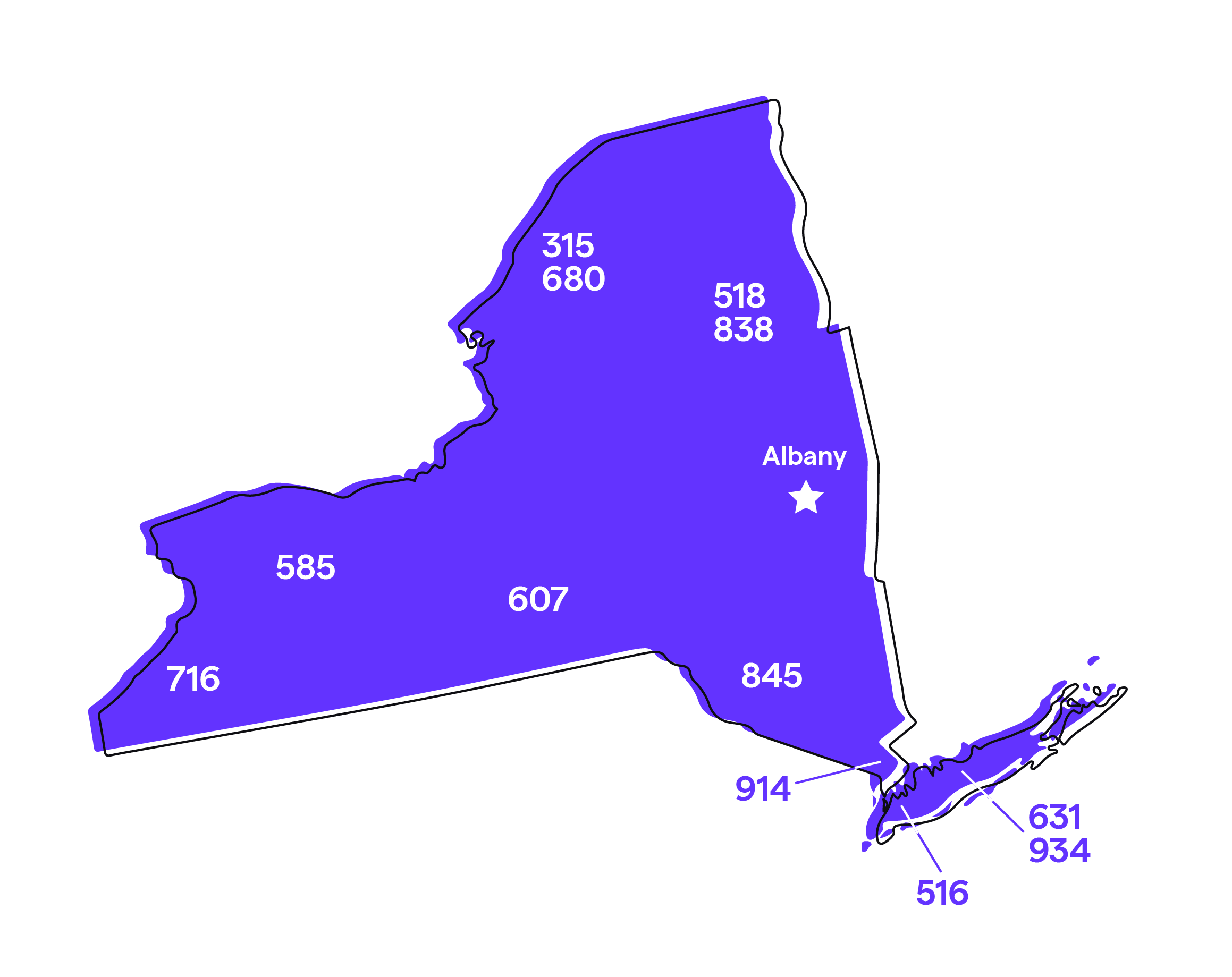
Areas immediately north of New York City, such as Westchester County, are served by a blend of codes. The original 914 code has been overlaid by 332, 631, 845, and 917. This indicates the heavy population density and demand for numbers in these affluent suburban areas. Similarly, Long Island, comprising Nassau and Suffolk counties, is predominantly covered by 516 and 631, with 347 and 917 also serving as overlays in some parts.
Planning Excursions: Eastern Long Island and the Hudson Valley
If your travel plans include exploring the wineries of Eastern Long Island or the scenic beauty of the Hudson Valley, you’ll likely encounter numbers with codes like 631 for Long Island and 845 for the Hudson Valley. These regions offer a different pace of life compared to the city, with charming towns, natural landscapes, and distinct local attractions, each accessible through their assigned telephone numbers.
Upstate New York: A Mosaic of Codes
Vast stretches of Upstate New York are covered by a diverse range of area codes, reflecting its varied geography and population distribution.
The Capital Region and Beyond: Albany, Syracuse, and Rochester
The Capital Region, centered around Albany, is primarily served by the 518 area code. Further west, Syracuse and its surrounding areas fall under the 315 area code, which has recently seen an overlay in the form of 680. The city of Rochester and its neighboring communities are covered by the 585 area code.
Western New York and the Adirondacks: Buffalo and Mountains
Western New York, including the city of Buffalo, is served by the 716 area code. Moving north towards the Canadian border and the majestic Adirondack Mountains, you’ll find areas covered by 518 and newer overlays like 838. This diverse array of codes highlights the extensive geographical coverage of New York State and the need for sophisticated numbering plans to serve its residents and visitors.
Practical Implications for Travelers and Connectors
Understanding New York’s area codes is not just an exercise in trivia; it has practical implications for anyone interacting with the state’s telecommunications network.
10-Digit Dialing: The Universal Rule
The most significant takeaway for anyone calling into or within New York is the necessity of 10-digit dialing. Due to the prevalence of overlay area codes and the general trend in North America, you must always dial the three-digit area code followed by the seven-digit local number. This applies regardless of whether you are calling within the same borough, from one borough to another, or from outside the state into New York. Mobile phones, in particular, are programmed to default to 10-digit dialing, making it the standard for most users.
Planning Your Itinerary: Booking, Reservations, and Local Information
When planning a trip to New York, you’ll be interacting with businesses and services across various area codes. Whether you’re booking a stay at a charming bed and breakfast in the Catskill Mountains (likely 845 or an overlay), reserving a table at a renowned restaurant in Manhattan (dialing 212, 646, or 917), or seeking local recommendations in Buffalo (using 716), always have the full 10-digit number ready. This ensures seamless communication and helps you connect with the local essence of whatever part of New York you are experiencing.
Identifying Locations: Clues from Area Codes
While overlay codes blur the strict geographical lines, older or less overlaid codes can still offer a hint about a location. For instance, encountering a 212 number strongly suggests a Manhattan address. Similarly, a 716 number is almost certainly in Western New York. As you explore different regions of the state, paying attention to the area codes can add another layer of understanding to your journey, connecting the digital landscape to the physical one.
Conclusion: A Digital Map of the Empire State
The area codes of New York, from the densely packed urban environment of New York City to the expansive landscapes of Upstate, form a complex yet navigable digital map. Understanding the primary codes and the concept of overlays ensures that you can communicate effectively, whether you are a tourist exploring the Statue of Liberty, a business professional in Times Square, or a resident connecting with loved ones across the state. Always remember the golden rule: 10-digit dialing. With this knowledge, you can confidently navigate the telephone landscape of the Empire State, ensuring your calls reach their intended destinations, unlocking the rich experiences that New York has to offer.
LifeOutOfTheBox is a participant in the Amazon Services LLC Associates Program, an affiliate advertising program designed to provide a means for sites to earn advertising fees by advertising and linking to Amazon.com. Amazon, the Amazon logo, AmazonSupply, and the AmazonSupply logo are trademarks of Amazon.com, Inc. or its affiliates. As an Amazon Associate we earn affiliate commissions from qualifying purchases.