
The question of “How long is the flight from New York to La?” is a fundamental one for anyone planning a trip across the United States. This iconic transcontinental journey connects two of the nation’s most vibrant and influential cities, each offering a unique tapestry of culture, entertainment, and opportunity. While the answer might seem straightforward, understanding the nuances of flight duration, the factors influencing it, and how to maximize your travel experience is crucial for effective planning. This guide delves into the typical flight times, the variables that can affect them, and what you can expect from this significant air travel route.
Understanding Average Flight Durations
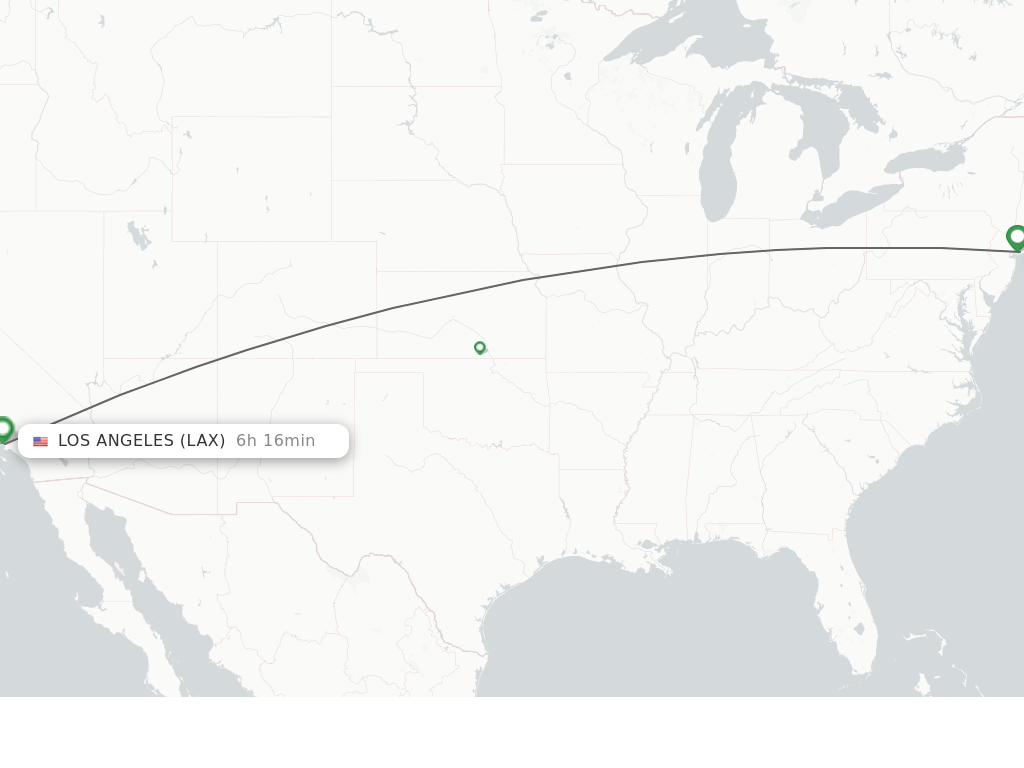
The flight from New York to Los Angeles is one of the busiest and most frequently traveled domestic routes in the United States. Due to the sheer distance, it is exclusively served by non-stop flights, as layovers would significantly increase travel time and inconvenience for a route that is already a considerable commitment.
Non-Stop Flight Times
On average, a non-stop flight from one of New York’s major airports (such as John F. Kennedy International Airport, LaGuardia Airport, or Newark Liberty International Airport) to Los Angeles International Airport typically lasts between 5 hours and 30 minutes to 6 hours and 15 minutes. This timeframe can vary slightly depending on the specific airline, the type of aircraft, and prevailing wind conditions.
Factors Influencing Flight Duration
Several elements contribute to the variation in flight times:
- Jet Streams: The most significant factor influencing the duration of transcontinental flights is the jet stream, a high-altitude current of air. Flying eastward, from Los Angeles to New York, often benefits from a tailwind provided by the jet stream, making the flight slightly shorter, typically around 5 hours and 30 minutes. Conversely, flying westward from New York to Los Angeles means flying against the prevailing jet stream, which can extend the flight time by 30 to 45 minutes, bringing it closer to the 6-hour mark.
- Aircraft Type and Speed: Different aircraft have varying cruising speeds. Larger, more modern planes might fly at slightly higher speeds, potentially shaving a few minutes off the total travel time. However, the impact of aircraft type is generally less significant than that of wind conditions.
- Flight Path and Air Traffic Control: Air traffic control plays a vital role in managing the skies. While airlines aim for the most direct routes, slight deviations may be necessary due to air traffic congestion, weather patterns, or security considerations. These minor adjustments can add a few minutes to the flight.
- Boarding and Deplaning: While not part of the in-air flight time, the time spent boarding the aircraft and deplaning can significantly impact your overall travel experience. Boarding typically begins 45 minutes to an hour before departure, and deplaning can take another 15-20 minutes upon arrival.
Planning Your Cross-Country Journey
Knowing the approximate flight duration is only one piece of the puzzle when planning your trip. Effective planning involves considering the airports, the best times to fly, and how to make the most of your time in the air.
Major Airports and Considerations
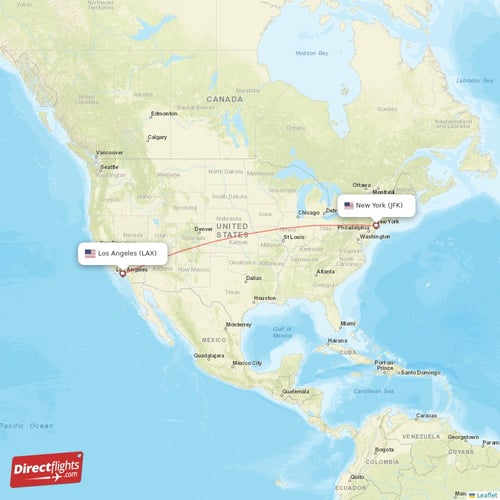
The primary airports serving these two metropolises are:
- New York Area:
- John F. Kennedy International Airport (JFK): A major international hub, often used for long-haul flights and a wide range of domestic carriers.
- LaGuardia Airport (LGA): Primarily serves domestic flights and is closer to Manhattan, but has stricter noise restrictions affecting flight operations.
- Newark Liberty International Airport (EWR): Located in New Jersey, it serves both domestic and international flights and is a hub for certain airlines.
- Los Angeles Area:
- Los Angeles International Airport (LAX): The busiest airport in California and a major gateway to the Pacific. It’s known for its extensive terminals and can be a busy place to navigate.
- Other airports in the greater Los Angeles area, such as Hollywood Burbank Airport (BUR) and Long Beach Airport (LGB), offer alternative, often less congested, options with fewer flight choices.
When booking, consider the location of your final destination within each city and the ease of transportation from the chosen airport. Traffic in both New York and Los Angeles can be significant, so proximity to your accommodation or point of interest is a valid consideration.
Optimal Travel Times
The “best” time to fly often depends on individual preferences and priorities.
- To Minimize Flight Time: Flights departing from New York in the late afternoon or early evening are more likely to experience the benefit of the jet stream heading westward, potentially resulting in a slightly shorter flight. Conversely, eastbound flights from Los Angeles in the morning are usually quicker.
- To Avoid Crowds and Lower Prices: Generally, flying mid-week (Tuesdays and Wednesdays) tends to be less crowded and more affordable than flying on weekends or around major holidays. Early morning or late-night flights can also offer better value.
- Considering Time Zones: Remember that New York is in the Eastern Time Zone (ET) and Los Angeles is in the Pacific Time Zone (PT). There is a three-hour difference. A 6-hour flight departing New York at 9 AM ET will land in Los Angeles around 12 PM PT (which is 3 PM ET), making it feel like a shorter day of travel in local time.
Maximizing Your Flight Experience
A flight of this duration presents an opportunity to relax, catch up on work, or enjoy entertainment. Preparing for the flight can significantly enhance your comfort and productivity.
In-Flight Comfort and Productivity
- Entertainment: Most major airlines offer in-flight entertainment systems with a selection of movies, TV shows, and music. Bringing your own tablet or smartphone pre-loaded with downloaded content is always a good backup.
- Connectivity: Wi-Fi is increasingly available on domestic flights, though it often comes with a fee. Check with your airline in advance if you anticipate needing to work or stay connected.
- Comfort Essentials: Pack a neck pillow, eye mask, and earplugs for better sleep or to block out cabin noise. Comfortable clothing is paramount for a journey of this length. Layers are recommended as cabin temperatures can vary.
- Hydration and Snacks: Airplane air is notoriously dry. Bring a reusable water bottle to refill after security and stay hydrated. While airlines usually provide snacks or meals, having your own preferred snacks can be beneficial.
Navigating the Arrival
Upon arrival in Los Angeles, particularly at LAX, be prepared for a potentially bustling environment.
- Baggage Claim: Allow ample time for baggage claim, as it can sometimes be a slow process at large airports.
- Ground Transportation: LAX offers a range of ground transportation options, including rental cars, taxis, ride-sharing services, and airport shuttles. If you’re heading to areas like Hollywood or Santa Monica, consider the traffic conditions when choosing your mode of transport. For those looking for a more luxurious arrival, options like private car services are also available.
- Time Zone Adjustment: Remember to adjust your watch to Pacific Time. The three-hour difference can affect your immediate schedule and sense of time upon arrival.
The flight from New York to Los Angeles is more than just a duration; it’s a significant passage across the continent. By understanding the average flight times, the factors that influence them, and planning accordingly, travelers can transform this journey into a smooth and even enjoyable part of their overall travel experience. Whether your purpose is business or leisure, a well-prepared traveler makes the most of every minute, both in the air and upon reaching the vibrant landscape of Southern California.
LifeOutOfTheBox is a participant in the Amazon Services LLC Associates Program, an affiliate advertising program designed to provide a means for sites to earn advertising fees by advertising and linking to Amazon.com. Amazon, the Amazon logo, AmazonSupply, and the AmazonSupply logo are trademarks of Amazon.com, Inc. or its affiliates. As an Amazon Associate we earn affiliate commissions from qualifying purchases.