
California, a state often at the forefront of progressive public health policies, has implemented comprehensive restrictions on the sale of flavored tobacco products. For residents and visitors alike, understanding these regulations is crucial, as the landscape for purchasing flavored tobacco has fundamentally changed. The initial query, “Where can I buy flavored tobacco in California?”, is met with a largely straightforward answer: legally, in most retail settings, you cannot. This article delves into the specifics of the statewide ban, exploring its nuances, the limited exceptions, and the broader implications for consumers and the tobacco industry within the Golden State. For anyone navigating the vibrant and diverse lifestyle offerings of California, knowing these regulations is a vital piece of information impacting personal choices and consumer habits.
The Statewide Ban: Understanding California’s Flavored Tobacco Laws
The journey to banning flavored tobacco in California was a protracted one, culminating in a voter-approved referendum that solidified the state’s stance against products deemed particularly attractive to youth. This legislative action reshaped the retail environment for tobacco and nicotine products across the entire state, from bustling urban centers like Los Angeles and San Francisco to the more rural corners of the state.
Genesis of the Prohibition: Senate Bill 793
The cornerstone of California’s flavored tobacco ban is Senate Bill 793 (SB 793), signed into law in August 2020. This bill prohibited the sale of most flavored tobacco products, including menthol cigarettes, flavored e-cigarettes, flavored cigars, and flavored smokeless tobacco. However, its implementation faced significant resistance, leading to a referendum challenge by tobacco companies. In November 2022, California voters overwhelmingly upheld SB 793 through Proposition 31, allowing the law to finally take full effect. This public endorsement underscored a strong societal consensus regarding the protection of public health, particularly concerning the appeal of flavored tobacco to underage individuals. The passage of SB 793 was a landmark moment, positioning California as one of the largest states to enact such a comprehensive ban. Its intent was clear: to curb tobacco use initiation among young people, who are often lured by the appealing tastes and aromas of flavored products. The legislative process in Sacramento meticulously considered public health data, youth vaping trends, and the strategies employed by tobacco companies, culminating in a law designed to create a significant barrier to entry for new tobacco users. The final vote on Proposition 31 demonstrated the democratic will of the people, solidifying the ban as a permanent fixture of California’s regulatory landscape.
Defining “Flavored Tobacco”: What’s Included in the Ban?
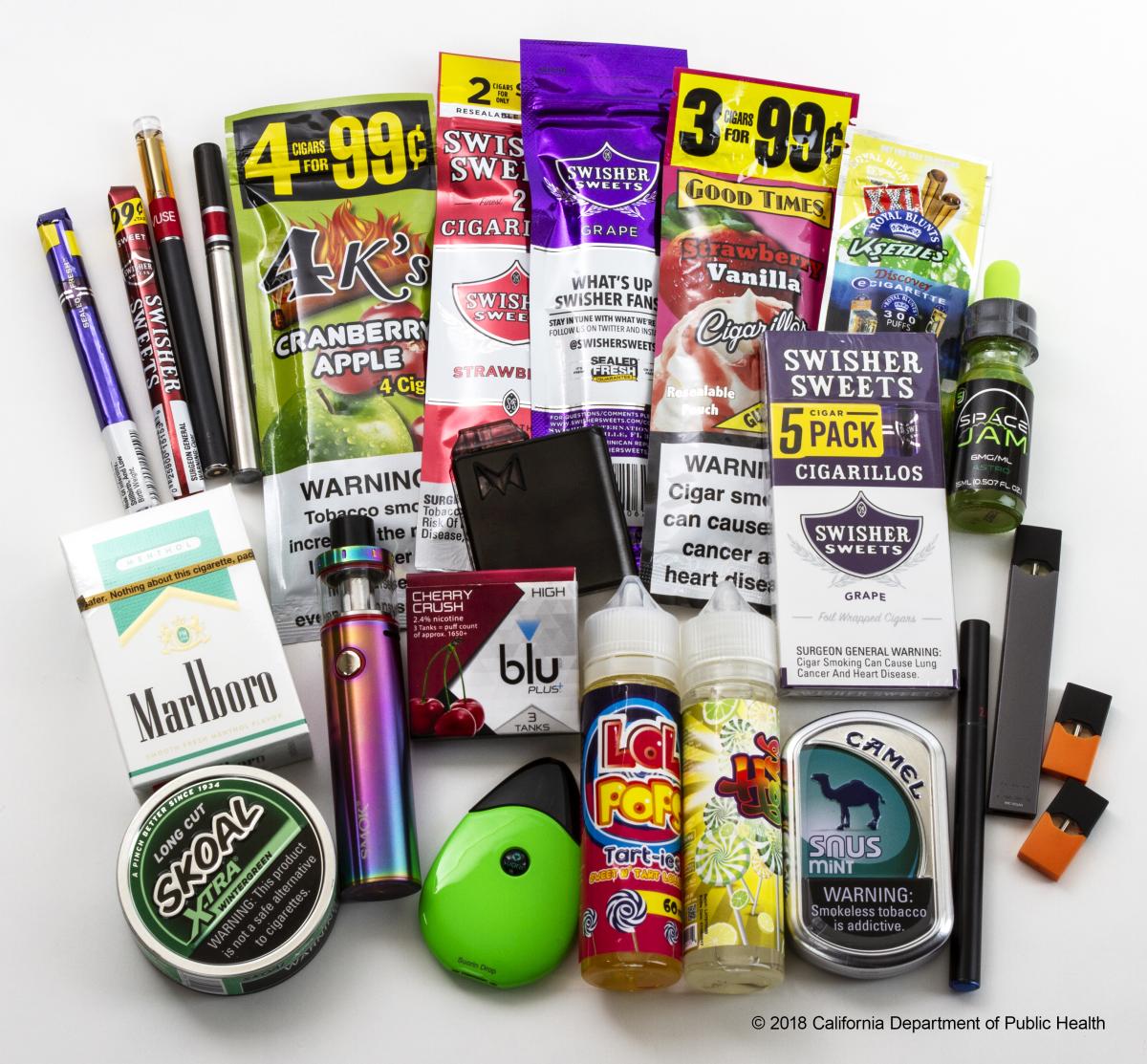
The scope of “flavored tobacco” under SB 793 is broad and encompasses a wide array of products designed to enhance taste beyond traditional tobacco. This includes, but is not limited to:
- Menthol Cigarettes: Despite menthol being a mint flavor, it was specifically included in the ban due to its perceived role in easing the harshness of smoke and increasing addiction potential, especially among specific demographics.
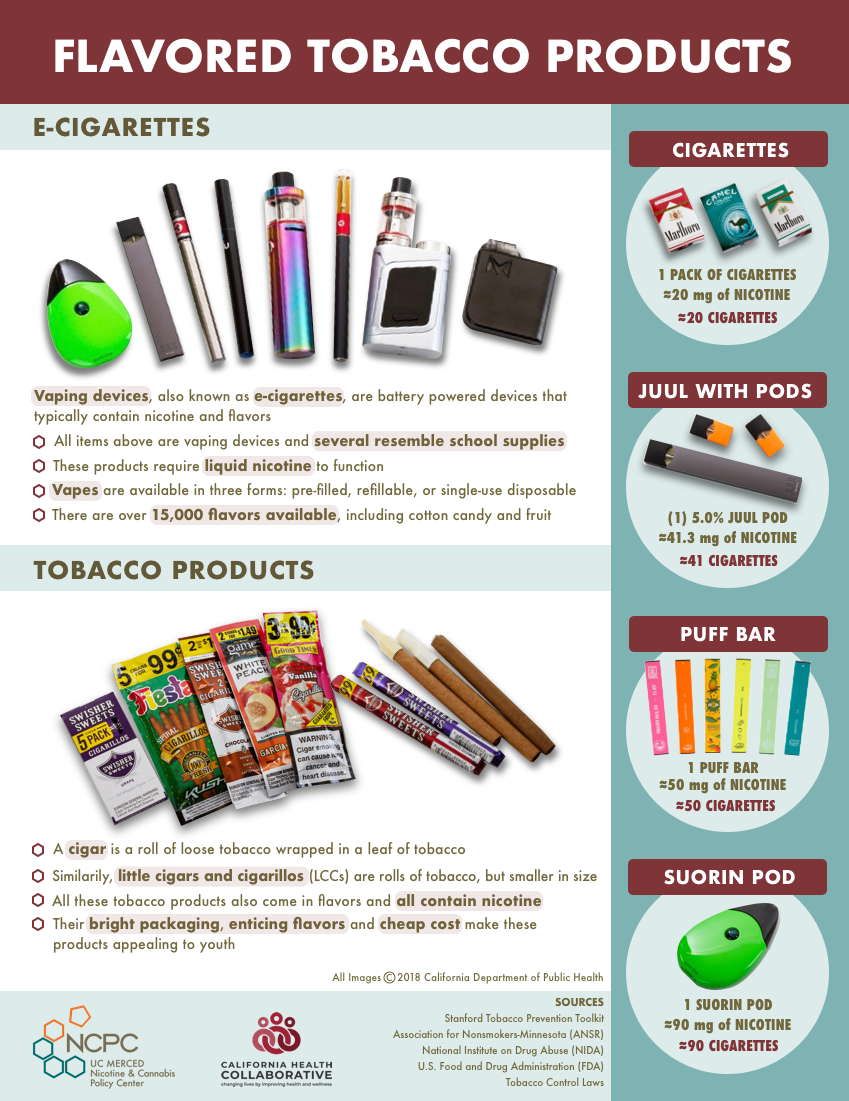
- Flavored E-cigarettes and Vaping Products: This category includes all liquid nicotine products, cartridges, pods, and disposable devices that contain a characterizing flavor other than tobacco. Flavors like fruit, candy, dessert, and even some mint or spearmint variations are prohibited.
- Flavored Cigars and Cigarillos: Small, inexpensive cigars and cigarillos, often sold individually and available in a multitude of flavors, are also covered. Their low cost and diverse flavors made them particularly attractive to younger users.
- Flavored Smokeless Tobacco: Chewing tobacco, snus, and other smokeless products with added flavors are part of the prohibition.
- Flavored Hookah/Shisha Tobacco: The ban generally extends to flavored shisha, although there are specific, nuanced exceptions for premium cigars and loose-leaf tobacco used in hookahs that meet strict criteria regarding price and packaging. However, the vast majority of commonly available flavored shisha falls under the ban.
The law targets any product that has a “characterizing flavor,” which means a distinguishable taste or aroma, other than tobacco, imparted by an additive or ingredient. This broad definition ensures that manufacturers cannot easily circumvent the ban by simply changing product names or marketing descriptions. Enforcement focuses on the presence of such flavors, regardless of how subtly they might be marketed. This comprehensive approach reflects a determined effort to close loopholes and ensure the ban’s effectiveness across the diverse range of tobacco and nicotine products.
The Elusive Exceptions: What Remains Permissible?
While the ban is extensive, it does contain a few specific, narrowly defined exceptions. These exceptions are critical for understanding the limited circumstances under which flavored tobacco products might still be available in California.
- Premium Cigars: The law exempts “premium cigars,” defined as cigars that are handmade, wrapped in whole tobacco leaf, have a wholesale price of at least $12 (adjusted annually for inflation), and do not have a filter, tip, or non-tobacco mouthpiece. These are typically high-end, specialty products primarily aimed at adult connoisseurs and are generally not associated with youth initiation. This exemption aims to protect a niche market without undermining the primary goal of the ban.
- Loose-leaf Tobacco: Unflavored, loose-leaf pipe tobacco and traditional, unflavored loose-leaf chewing tobacco are generally exempt. The key here is “unflavored.” If these products have any characterizing flavor, they fall under the ban.
- Hookah Tobacco (Limited): This is perhaps the most complex exception. While flavored hookah tobacco (shisha) is generally banned, SB 793 includes a narrow exemption for flavored shisha tobacco intended for consumption by hookah where the retailer primarily sells hookah tobacco and accessories, and where the tobacco is sold in an unsealed container directly from a display, or the tobacco is considered a “premium cigar” equivalent based on specific criteria. This exception is highly nuanced and subject to strict interpretation, meaning most general stores cannot sell flavored hookah products. It primarily caters to specialized hookah lounges or tobacco shops that meet very specific operational and product criteria.
- CBD/Hemp Products (Non-Tobacco): It’s important to distinguish flavored tobacco products from flavored CBD or hemp-based vaping products that do not contain tobacco or nicotine. These products, while potentially subject to their own set of regulations (e.g., age restrictions, ingredient testing), are not directly covered by SB 793 as they fall outside the definition of “tobacco products.”
These exceptions are deliberate but narrow, designed to minimize impact on specific adult-use products while rigorously enforcing the ban on items that are broadly appealing to younger populations. Consumers seeking these exempted products should anticipate needing to visit specialized tobacconists or lounges that understand and comply with these intricate regulations.
Navigating Consumer Options and Retail Realities
For consumers accustomed to readily available flavored tobacco products, California’s ban presents a new reality. The conventional retail channels have largely dried up, prompting questions about alternative purchasing avenues and the practicalities of obtaining these products.
The Online Marketplace: A Question of Legality and Logistics
With physical retail stores prohibited from selling flavored tobacco, many consumers naturally turn to the internet. However, buying flavored tobacco online for delivery to California is fraught with legal and logistical challenges.
- Legal Prohibition: The spirit and letter of SB 793 extend to online sales. While a retailer located outside California might not be directly subject to California’s sales laws at their point of origin, shipping flavored tobacco into the state for sale to consumers is generally prohibited. California’s Department of Public Health and the Attorney General’s office have made it clear that they will pursue legal action against businesses attempting to circumvent the ban through online sales.
- Age Verification and Delivery Challenges: Even for legal, unflavored tobacco products, online sales into California are subject to stringent age verification requirements, often necessitating adult signatures upon delivery. For flavored products, the additional layer of illegality complicates matters further, making reputable online vendors unwilling to risk legal repercussions by shipping banned items to California addresses.
- Risks of Illicit Markets: Attempting to purchase flavored tobacco from unregulated or offshore online sources carries significant risks. Consumers may receive counterfeit or substandard products, face potential legal consequences, or become victims of scams. The lack of regulatory oversight in such markets means product quality and safety are not guaranteed.
Therefore, while the internet might seem like an immediate solution, it generally does not offer a legal or reliable avenue for purchasing flavored tobacco products within California.
Exploring Exempt Zones: Tribal Lands and Duty-Free Outlets
The principle of tribal sovereignty creates unique jurisdictional considerations within California, particularly regarding the sale of certain products.
- Tribal Lands: Federally recognized Native American tribal lands within California operate as sovereign nations, meaning they are not always subject to state laws in the same way as other retailers. Some tribal enterprises, therefore, may choose to sell flavored tobacco products on their reservations. This is a complex area, as some tribes may voluntarily align with state laws, while others may opt to exercise their sovereign right to permit sales. It is crucial to note that purchasing flavored tobacco on tribal lands is typically legal only for consumption on tribal lands or for transport off tribal lands if the consumer is not a California resident or if the product falls under one of the state’s narrow exceptions. Transporting products banned by state law into California for consumption off tribal lands by a California resident can still lead to legal issues. Consumers interested in this avenue would need to research specific tribal retail policies and understand the potential implications of transporting such products.
- Duty-Free Shops: Duty-free shops, typically found at international airports like Los Angeles International Airport (LAX) or San Francisco International Airport (SFO), operate under federal customs regulations, allowing them to sell certain goods without domestic taxes or restrictions, primarily to international travelers. While they might carry a broader range of tobacco products, their inventory and sales are highly regulated and usually restricted to departing international passengers. Flavored tobacco purchased at duty-free is generally intended for consumption outside the United States and cannot be legally brought into California for domestic use if it falls under the state’s ban. This option is largely irrelevant for the vast majority of consumers seeking flavored tobacco for use within the state.
These “exempt zones” offer very limited and often complicated pathways, primarily due to the intricacies of jurisdiction and the intent behind such sales. For most California residents, they are not practical or universally legal solutions.
Practical Advice for California Residents and Visitors

For individuals living in or visiting California who are accustomed to flavored tobacco, the most direct and responsible advice is to adapt to the current legal landscape.
- Embrace Unflavored Alternatives: Many consumers have transitioned to unflavored tobacco products, such as traditional tobacco-flavored cigarettes, cigars, or vaping liquids. While not offering the same taste experience, these options remain legal (subject to general tobacco sales regulations) and can serve as substitutes.
- Consider Cessation Resources: For those who find the ban disruptive, it can be an opportune moment to explore tobacco cessation resources. California offers numerous programs and support networks designed to help individuals quit smoking or vaping. Public health websites and local health departments provide valuable information on these services.
- Respect the Law: The most important advice is to respect the statewide ban. Attempting to purchase flavored tobacco from illicit sources or transporting it across state lines with the intent to circumvent the law can lead to legal complications. Retailers caught selling banned products face substantial fines and penalties. As a consumer, being aware of these regulations is part of responsible citizenship.
- Stay Informed: Laws and regulations can evolve. Staying informed through official government sources or reputable news outlets can help individuals understand any future amendments or interpretations of the law. This responsible approach ensures that personal lifestyle choices remain within legal boundaries.
Impact on Lifestyle and Public Health
The flavored tobacco ban in California represents a significant public health intervention, one that directly influences consumer choices and individual lifestyles. Its implementation was driven by a clear public health imperative, with widespread ramifications extending beyond just retail shelves.
The Rationale: Protecting Youth and Public Health Initiatives
The primary impetus behind Senate Bill 793 and its subsequent voter approval was the alarming rise in youth tobacco and nicotine use, particularly involving flavored products. Public health officials and advocates consistently highlighted several key issues:
- Youth Appeal: Flavors like candy, fruit, and menthol were identified as “starter flavors” that mask the harshness of tobacco and nicotine, making these products more palatable and appealing to young people who might otherwise be deterred. This was especially true for e-cigarettes, which became immensely popular among middle and high school students.
- Addiction Risks: Early initiation of nicotine use significantly increases the risk of lifelong addiction. Flavored products were seen as a gateway, hooking young users before they fully understood the health consequences.
- Health Disparities: Menthol, in particular, was identified as a flavor disproportionately marketed to specific communities, contributing to health disparities. The ban aimed to address these historical inequities.
- Healthcare Costs: Reducing tobacco and nicotine use among the populace ultimately contributes to lower long-term healthcare costs, a significant benefit for the state’s public health infrastructure.
By removing flavored tobacco from the market, California aims to create a healthier environment, especially for its youngest residents, reducing the likelihood of them initiating tobacco use and suffering its associated health consequences. This aligns with a broader strategy of proactive public health management, a hallmark of California’s progressive approach to social welfare.
Adapting to the New Landscape: Alternatives and Cessation Support
For adults who previously used flavored tobacco, the ban necessitates a shift in lifestyle and consumption patterns. This adaptation can take several forms:
- Switching to Unflavored Products: Many individuals have simply transitioned to unflavored tobacco or nicotine products, which remain legal for adult purchase. This includes traditional tobacco-flavored cigarettes, cigars, or non-flavored vape liquids. This requires adjusting taste preferences but allows continued nicotine consumption for those who choose it.
- Seeking Nicotine Replacement Therapies (NRTs): For those looking to reduce or quit nicotine altogether, the ban serves as a strong catalyst. Nicotine Replacement Therapies (NRTs) like patches, gum, lozenges, inhalers, and nasal sprays are readily available over-the-counter and can help manage withdrawal symptoms.
- Utilizing Cessation Programs: California offers robust tobacco cessation programs through its Department of Public Health, local health departments, and various non-profit organizations. These programs often provide counseling, support groups, and resources to help individuals develop strategies for quitting. Examples include the California Smokers’ Helpline and online support communities. The ban implicitly encourages these healthier alternatives by removing a highly attractive category of products.
- Harm Reduction Strategies: For those who continue to use nicotine, understanding the comparative risks of different products is important. While complete cessation is the healthiest option, discussions around harm reduction involve weighing the risks of various nicotine delivery systems. The ban, however, fundamentally alters the choices available for flavored products.
The shift is not merely a legal enforcement but an invitation for consumers to re-evaluate their relationship with tobacco and nicotine, promoting healthier lifestyle choices within the state.
Economic and Social Ramifications
The flavored tobacco ban has undoubtedly created ripples across California’s economic and social fabric.
- Retailer Impact: Small businesses, particularly convenience stores and vape shops that relied heavily on flavored tobacco sales, have faced significant economic challenges. Many have had to adjust their inventory, business models, or, in some cases, have been forced to close. This impact has been a contentious point, leading to calls for state support or revised regulations from some business advocacy groups.
- Black Market Concerns: A common concern raised during the debate was the potential for a burgeoning black market for flavored tobacco. While authorities are vigilant in monitoring and prosecuting illicit sales, the demand for banned products can sometimes lead to underground distribution networks. This poses risks not only to public health due to unregulated products but also to legitimate businesses and state tax revenues.
- Public Health Success Metrics: From a public health standpoint, the ban’s success will ultimately be measured by a reduction in youth tobacco initiation rates and an overall decrease in tobacco-related illnesses. Early indicators from other jurisdictions with similar bans suggest positive impacts on youth vaping rates. California expects to see similar long-term benefits, bolstering the health and well-being of its population.
- Social Equity: By addressing the targeted marketing of menthol and other flavors to specific communities, the ban also has social equity implications, aiming to mitigate historic health disparities and foster a more equitable public health environment for all Californians.
The economic adjustments and social shifts are part of the broader commitment to public health, a trade-off that California has consciously made.
Compliance, Enforcement, and Future Outlook
The effective implementation of the flavored tobacco ban hinges on robust compliance and consistent enforcement. Understanding these aspects is vital for both retailers operating within California and consumers navigating its unique market.
Retailer Responsibilities and Penalties for Non-Compliance
For every retailer in California that sells tobacco products, compliance with Senate Bill 793 is a paramount legal obligation.
- Strict Adherence: Retailers are prohibited from selling, offering for sale, or possessing with intent to sell any flavored tobacco product, as defined by the law, to anyone. This includes ensuring that their inventory does not contain banned items and that their staff are fully trained on the regulations.
- Age Verification: While not specific to the flavored tobacco ban, retailers must continue to rigorously verify the age of all customers attempting to purchase any tobacco product, ensuring they are 21 years or older.
- Penalties: Non-compliance carries significant penalties. Retailers found in violation of SB 793 can face substantial fines, typically starting at $250 for each violation. Repeat offenses can lead to escalating fines, suspension, or even revocation of their tobacco retail licenses. Local jurisdictions may also impose their own additional penalties, making the consequences for illicit sales severe. Enforcement efforts are conducted by state and local public health departments, as well as law enforcement agencies, through routine inspections, undercover operations, and responses to public complaints. These measures are designed to act as a strong deterrent against non-compliance, protecting the integrity of the ban.
- Product Removal: Retailers are also responsible for properly disposing of or returning any banned flavored tobacco products they had in stock prior to the full implementation of the law. They cannot simply store them for future sale.
The onus is squarely on the retailer to understand and uphold the law, ensuring that their business practices align with California’s public health objectives.
The Role of Local Jurisdictions and Community Advocacy
While Senate Bill 793 established a statewide ban, local jurisdictions across California, such as cities and counties, played a critical role even before the state law took effect.
- Pioneering Local Bans: Many cities, including San Francisco, Oakland, and others, enacted their own local flavored tobacco bans well in advance of the statewide legislation. These local ordinances often served as models for SB 793 and demonstrated the viability and effectiveness of such prohibitions.
- Supplemental Enforcement: Local health departments and law enforcement agencies continue to be instrumental in enforcing the statewide ban at the community level. They conduct inspections, investigate complaints, and work to ensure that local businesses are adhering to the law. This localized enforcement strengthens the overall impact of the state ban.
- Community Advocacy: Public health advocacy groups and community organizations remain active in monitoring compliance, raising awareness about the dangers of flavored tobacco, and supporting cessation efforts. Their continued engagement helps to reinforce the public health message and ensure the long-term success of the ban. These local efforts create a comprehensive safety net, ensuring that the state’s vision for a healthier future is realized on the ground.
The Evolving Debate: Potential Challenges and Future Regulations
Even with the ban in place, the landscape of tobacco and nicotine regulation is dynamic.
- Industry Challenges: Tobacco companies may continue to explore legal challenges or introduce new products designed to circumvent existing regulations. This often leads to an ongoing regulatory “cat and mouse” game, where new products emerge, prompting new legislative responses.
- Emerging Nicotine Products: The rapid evolution of nicotine delivery devices, such as synthetic nicotine products or novel tobacco-free pouches, presents ongoing challenges. Regulators must constantly evaluate whether existing laws adequately cover these new products or if new legislation is required. California is likely to remain proactive in adapting its regulations to address these developments.
- Federal Action: While California has taken a strong stance, the possibility of federal action on flavored tobacco (or menthol specifically) could further impact the national market. Any federal ban would supersede state laws, although California’s ban would likely remain in effect if federal action were less comprehensive.
- Public Health Monitoring: Ongoing public health surveillance will be crucial to assess the long-term impact of the ban on youth initiation rates, adult cessation rates, and overall public health outcomes. This data will inform future policy decisions and reinforce the rationale behind the existing regulations.
The debate around tobacco and nicotine products is complex and deeply rooted in public health, individual liberty, and economic considerations. California’s flavored tobacco ban is a significant chapter in this ongoing story, reflecting a clear commitment to prioritizing public health and shaping a healthier lifestyle for its residents. For consumers, understanding these regulations is not just about legal compliance but about being informed participants in a society striving for better health outcomes.
LifeOutOfTheBox is a participant in the Amazon Services LLC Associates Program, an affiliate advertising program designed to provide a means for sites to earn advertising fees by advertising and linking to Amazon.com. Amazon, the Amazon logo, AmazonSupply, and the AmazonSupply logo are trademarks of Amazon.com, Inc. or its affiliates. As an Amazon Associate we earn affiliate commissions from qualifying purchases.