
The journey from the bustling metropolis of New York to the historic heart of London is a transatlantic staple, connecting two of the world’s most influential cities. While the allure of London’s iconic landmarks, vibrant culture, and rich history is undeniable, the practical question of travel time often looms large for prospective travelers. Understanding the typical flight duration is crucial for planning your itinerary, managing expectations, and making the most of your valuable time. This comprehensive guide delves into the nuances of flight times between these two global hubs, offering insights into the factors that influence them and what to expect when booking your transatlantic adventure.
Factors Influencing Flight Duration
The seemingly simple question of “how long is the flight” is influenced by a confluence of variables, each playing a role in the overall journey time. From the type of aircraft to the invisible currents of the atmosphere, these elements collectively determine when you’ll touch down on English soil.
The Impact of Aircraft Type and Airline
Different aircraft are engineered for varying speeds and efficiencies. Modern, wide-body jets, such as the Boeing 777 or Airbus A350, are designed for long-haul flights and often operate at higher cruising speeds, potentially shaving minutes off the total flight time. Conversely, older or smaller aircraft might have slightly longer flight durations. Airlines also employ different operational strategies, including optimal cruising altitudes and speeds, which can contribute to minor variations. While the differences might not be drastic, they are a contributing factor to the overall flight experience. When reviewing flight options, pay attention to the aircraft type listed, as it can offer a subtle indication of the flight’s performance.
Jet Streams: The Invisible Highway
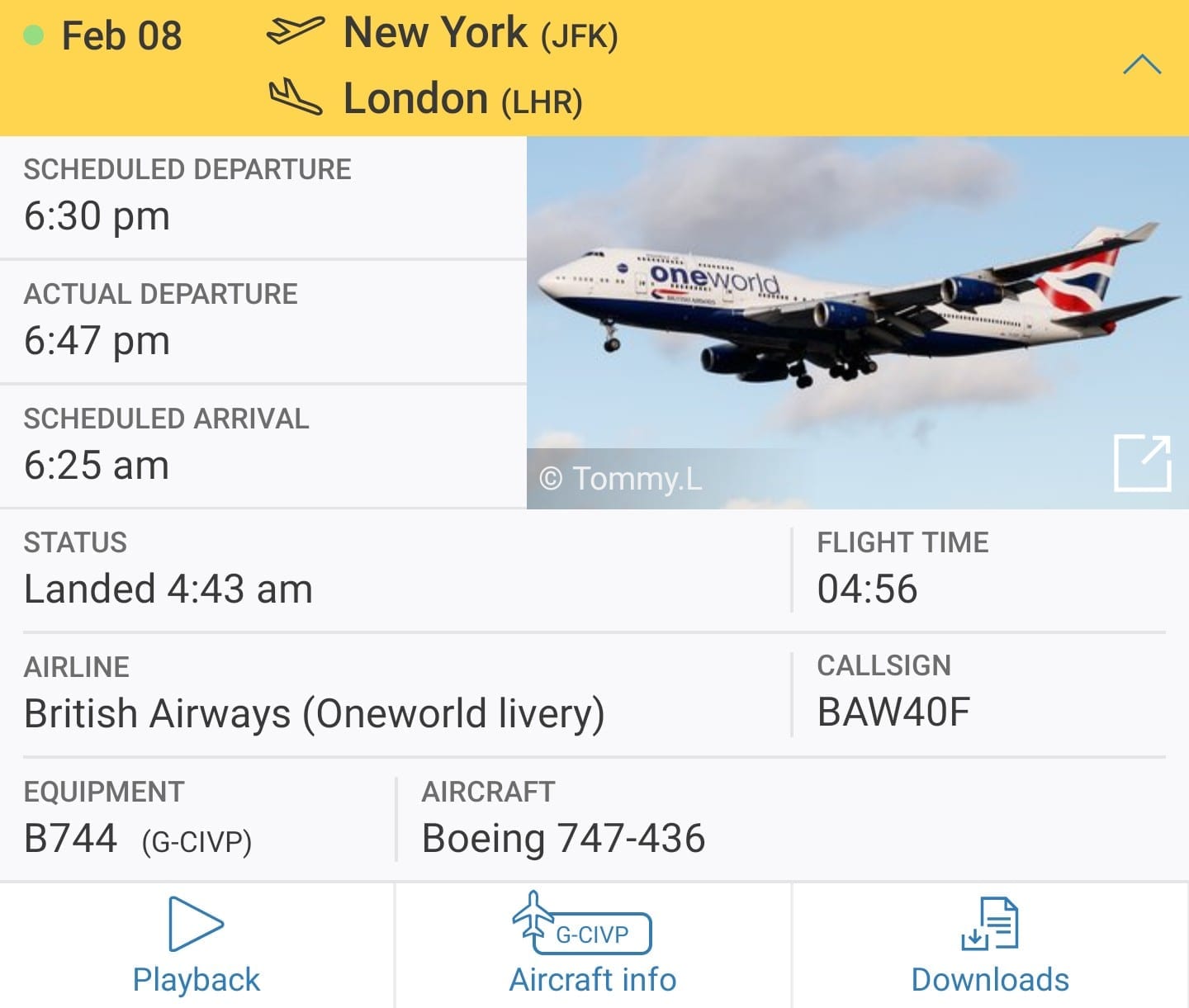
Perhaps the most significant, yet often overlooked, factor influencing flight times between New York and London is the presence and strength of the jet stream. These high-altitude, fast-flowing air currents can act as an invisible highway for eastbound flights, significantly reducing travel time. Flying with the jet stream, often referred to as a “tailwind,” can propel an aircraft forward, while flying against it, or “headwind,” will slow it down. The position and intensity of the jet stream vary seasonally and even daily, meaning that a flight on one day might be considerably faster than a similar flight on another. Pilots and meteorologists meticulously monitor these conditions to optimize flight paths for efficiency.
Flight Path and Air Traffic Control
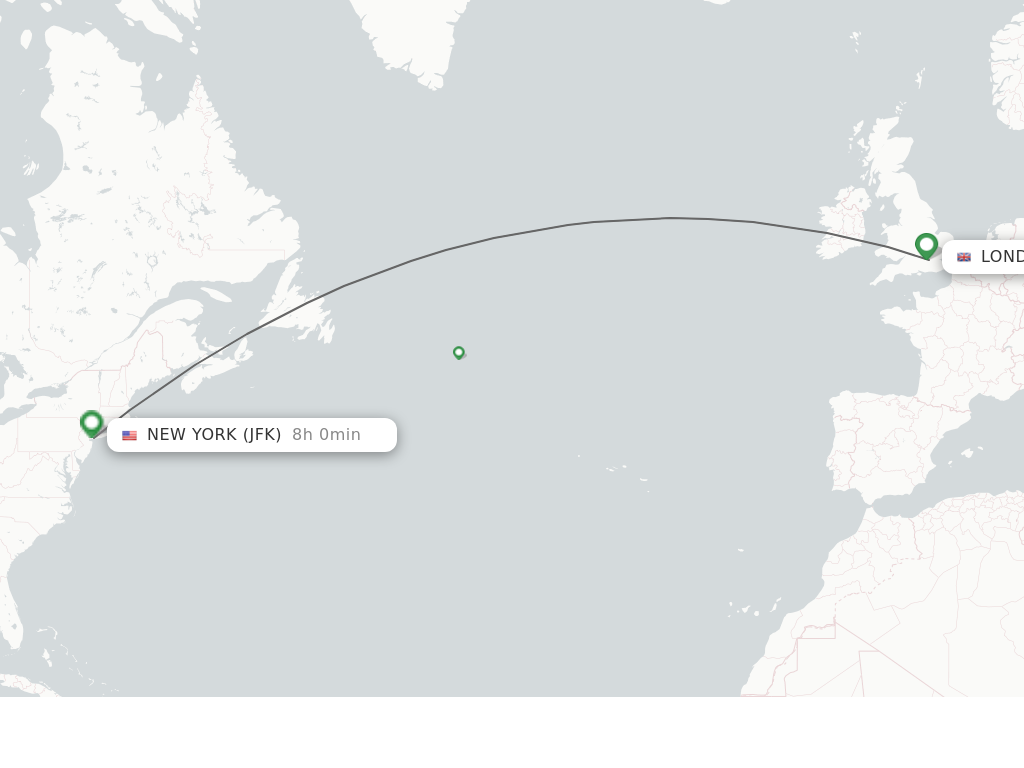
While the most direct route between New York and London appears as a straight line on a map, actual flight paths are often more circuitous. Air traffic control, international airspace regulations, and the need to avoid turbulent weather systems can all necessitate deviations from the shortest possible route. Airlines and air traffic controllers work collaboratively to devise the safest and most efficient flight paths, which may involve flying over specific navigation points or adhering to designated air corridors. These adjustments, while necessary for safety and order, can add to the overall flight duration.
Typical Flight Durations and Variations
Understanding the average flight time is a good starting point, but it’s equally important to be aware of the range of durations and the reasons behind them. This section breaks down what you can realistically expect.
Direct Flights: The Standard Transatlantic Journey
For direct, non-stop flights from New York to London, the typical flight duration falls within a predictable range. Most airlines operating this route, including British Airways, Virgin Atlantic, and Delta Air Lines, will have scheduled flight times between 6 hours and 30 minutes to 7 hours and 30 minutes. This is the baseline duration that most travelers encounter.
The Influence of Wind Direction: Eastbound vs. Westbound
The impact of the jet stream is most evident when comparing eastbound and westbound flights. Flights from New York to London benefit from the prevailing westerly winds, which generally flow from west to east. This means eastbound flights are almost always shorter than their westbound counterparts. Conversely, flights from London to New York often face headwinds from the jet stream, leading to longer flight durations, typically ranging from 7 hours to 8 hours and 30 minutes.
Considering Flights with Stops

While direct flights are the most convenient and often fastest option, flights with one or more stops are also available and can sometimes be more budget-friendly. The duration of a flight with a stopover is highly variable and depends on several factors: the length of the layover, the efficiency of the connecting airport, and the total flight segments involved. A flight with a single stop could range from 9 hours to over 15 hours, or even longer, depending on the specifics of the itinerary. When considering flights with stops, it is essential to scrutinize the total travel time, not just the time spent in the air, to ensure it aligns with your travel plans and comfort levels.
Planning Your Arrival in London
Once you have a clear understanding of your flight duration, you can better plan your arrival in London, ensuring a smooth transition from the skies to the city’s vibrant streets.
Time Zones and Jet Lag
London operates on Greenwich Mean Time (GMT) or British Summer Time (BST), which is typically 5 hours ahead of New York (Eastern Standard Time or Eastern Daylight Time). This significant time difference can contribute to jet lag, a common ailment for transatlantic travelers. Understanding the time difference in advance allows you to adjust your sleep schedule gradually before your departure and to plan your first day in London accordingly, perhaps focusing on lighter activities and early to bed to help your body acclimate.
Navigating London Airports
London is served by several major international airports, with Heathrow Airport being the primary gateway for flights from New York. Other airports, such as Gatwick Airport or London Stansted Airport, may also receive flights, though less commonly from New York. Upon arrival, familiarizing yourself with the airport layout, immigration and customs procedures, and available transportation options to the city center is crucial. The time taken for these processes can add to your overall arrival experience, so factor this into your initial plans.
Transportation from the Airport to Central London
The journey from the airport to your accommodation in central London is an integral part of your arrival. Heathrow Airport, for instance, offers several convenient options, including the Heathrow Express train, the Piccadilly Line on the London Underground (Tube), taxis, and ride-sharing services. The travel time and cost will vary depending on your chosen method and your final destination within London. Planning your onward journey in advance will help you bypass any potential travel-related stress after a long flight.
Maximizing Your Travel Experience
With a clear understanding of flight times and arrival logistics, you can focus on making your transatlantic journey as comfortable and enjoyable as possible, setting the stage for a memorable visit to London.
Choosing the Right Flight
When booking your flight, consider more than just the price. Look at the scheduled duration, the airline’s reputation, and the aircraft type. Opting for a direct flight is generally recommended for a more seamless experience. If a flight with a stop is significantly cheaper, carefully evaluate the total travel time, including the layover, and the convenience of the connecting airport. Reading reviews of airlines and specific routes can also provide valuable insights.
Preparing for the Flight
To mitigate the effects of a long flight and to ensure comfort, a little preparation goes a long way. Pack essentials in your carry-on, such as a neck pillow, eye mask, earplugs, comfortable clothing, and any necessary medications. Staying hydrated, avoiding excessive alcohol and caffeine, and moving around the cabin periodically can help combat fatigue and reduce the risk of deep vein thrombosis. Engaging in light stretching or in-seat exercises can also be beneficial.
Embracing the Journey
Ultimately, the flight from New York to London is more than just a means to an end; it’s the beginning of your English adventure. Whether you choose to spend the time catching up on sleep, enjoying in-flight entertainment, or simply gazing out at the vast expanse of the Atlantic Ocean, approach the journey with a positive outlook. The anticipation of exploring the historic streets of London, from the grandeur of Buckingham Palace to the iconic silhouette of Big Ben, will make the flight time feel that much shorter.
LifeOutOfTheBox is a participant in the Amazon Services LLC Associates Program, an affiliate advertising program designed to provide a means for sites to earn advertising fees by advertising and linking to Amazon.com. Amazon, the Amazon logo, AmazonSupply, and the AmazonSupply logo are trademarks of Amazon.com, Inc. or its affiliates. As an Amazon Associate we earn affiliate commissions from qualifying purchases.