
New York City, a sprawling metropolis defined by its vibrant energy and iconic skyline, is a city intrinsically linked by its waterways. From the iconic suspension marvels that greet visitors from afar to the countless smaller arteries that facilitate daily life, bridges are not merely utilitarian structures but integral components of the city’s geography, history, and identity. Understanding the sheer number and diversity of these crossings offers a unique perspective on the complex circulatory system of one of the world’s most dynamic urban environments. While a definitive, universally agreed-upon count can be elusive due to varying definitions and ongoing construction, an exploration of New York City’s bridges reveals a fascinating narrative of engineering, ambition, and connection.
The Grand Scale: Iconic Crossings of the Metropolis
New York City is renowned for its magnificent bridges, structures that have become synonymous with its image and are often considered landmarks in their own right. These are the titans, the ones that capture the imagination and facilitate mass transit and commerce between its boroughs and beyond. Their sheer scale and engineering prowess are testaments to human ingenuity and the city’s enduring spirit.
Suspension Bridges: Engineering Marvels That Define the Skyline
The most celebrated bridges in New York City are undoubtedly its suspension bridges. These architectural wonders, with their elegant cables and soaring towers, are not just crossings but symbols of the city’s resilience and progress.
-
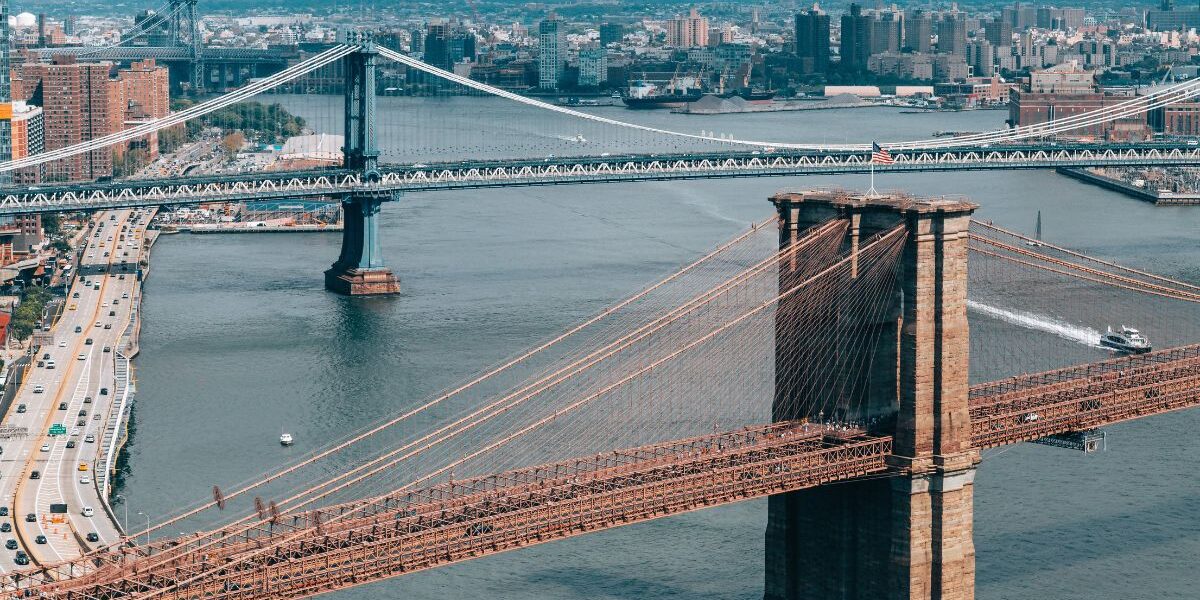
The Brooklyn Bridge: Perhaps the most famous of all, the Brooklyn Bridge stands as a historic monument and a vital link between Manhattan and Brooklyn. Its construction, completed in 1883, was a monumental undertaking, pioneering innovative engineering techniques for its time. Walking or cycling across it offers unparalleled views of the Manhattan skyline and the East River. It is a testament to the Victorian era’s architectural ambition and a beloved icon for locals and tourists alike.
-
The George Washington Bridge: Spanning the Hudson River, the George Washington Bridge connects Upper Manhattan to Fort Lee, New Jersey. Originally conceived as a single-deck structure, it was later expanded with a lower deck to accommodate the ever-increasing traffic demands. Its immense scale and powerful presence make it a striking feature of the western New York skyline, a crucial artery for commuters and a symbol of the city’s connectivity to its surrounding regions.
-
The Verrazzano-Narrows Bridge: This colossal suspension bridge stretches across the Narrows, linking Staten Island to Brooklyn. It was once the longest suspension bridge in the world and remains one of the longest in North America. Its majestic towers and immense span are a breathtaking sight, marking the gateway to New York Harbor for ships entering from the Atlantic Ocean. It is a critical piece of infrastructure for the millions of residents of Staten Island.
Cable-Stayed and Arch Bridges: Diverse Designs for Essential Links
Beyond the iconic suspension bridges, New York City boasts a variety of other bridge types, each serving specific purposes and contributing to the city’s intricate network.
-
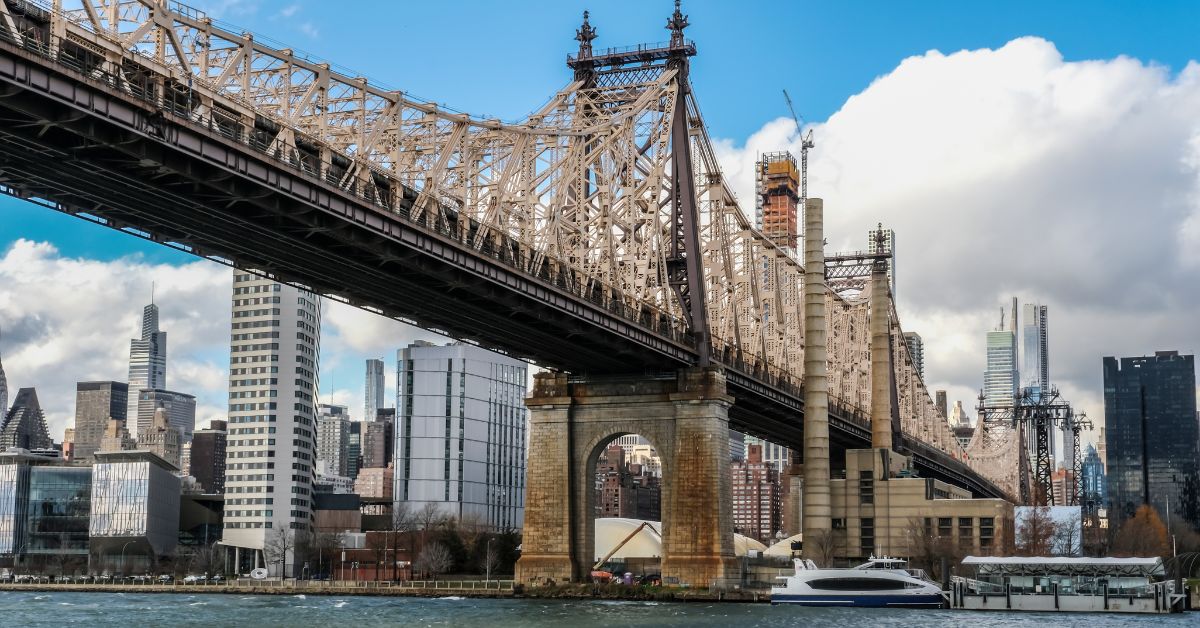
The Queensboro Bridge (Ed Koch Queensboro Bridge): This cantilever bridge, connecting Manhattan and Queens over the East River, is another vital transit link. Its distinctive lattice work and multiple decks support both vehicular and pedestrian traffic, offering a different architectural aesthetic compared to its suspension counterparts. It offers unique perspectives of Midtown Manhattan and the waterfront.
-
The Hell Gate Bridge: An arch bridge with a remarkable parabolic shape, the Hell Gate Bridge carries Amtrak and Metro-North Railroad trains over the East River. Its impressive steel arch design is a feat of engineering, allowing for a clear span over the busy waterway without the need for numerous piers that would obstruct navigation. It is a critical component of the Northeast Corridor rail network.
The Arteries of the City: Bridges Connecting the Boroughs
New York City is composed of five boroughs: Manhattan, Brooklyn, Queens, the Bronx, and Staten Island. The bridges that connect these distinct landmasses are fundamental to the city’s functioning, enabling the movement of people, goods, and services that define its urban metabolism.
East River Crossings: The Lifelines Between Manhattan and Brooklyn/Queens
The East River, a tidal strait that separates Manhattan from Brooklyn and Queens, is spanned by numerous bridges, each playing a crucial role in the city’s connectivity.
- The Williamsburg Bridge: Located between the Brooklyn Bridge and the Manhattan Bridge, the Williamsburg Bridge is a steel-wire suspension bridge that also carries subway lines, vehicular traffic, and pedestrian walkways. It was built to alleviate congestion on its more famous neighbors and has become a vital corridor for the vibrant communities it serves.
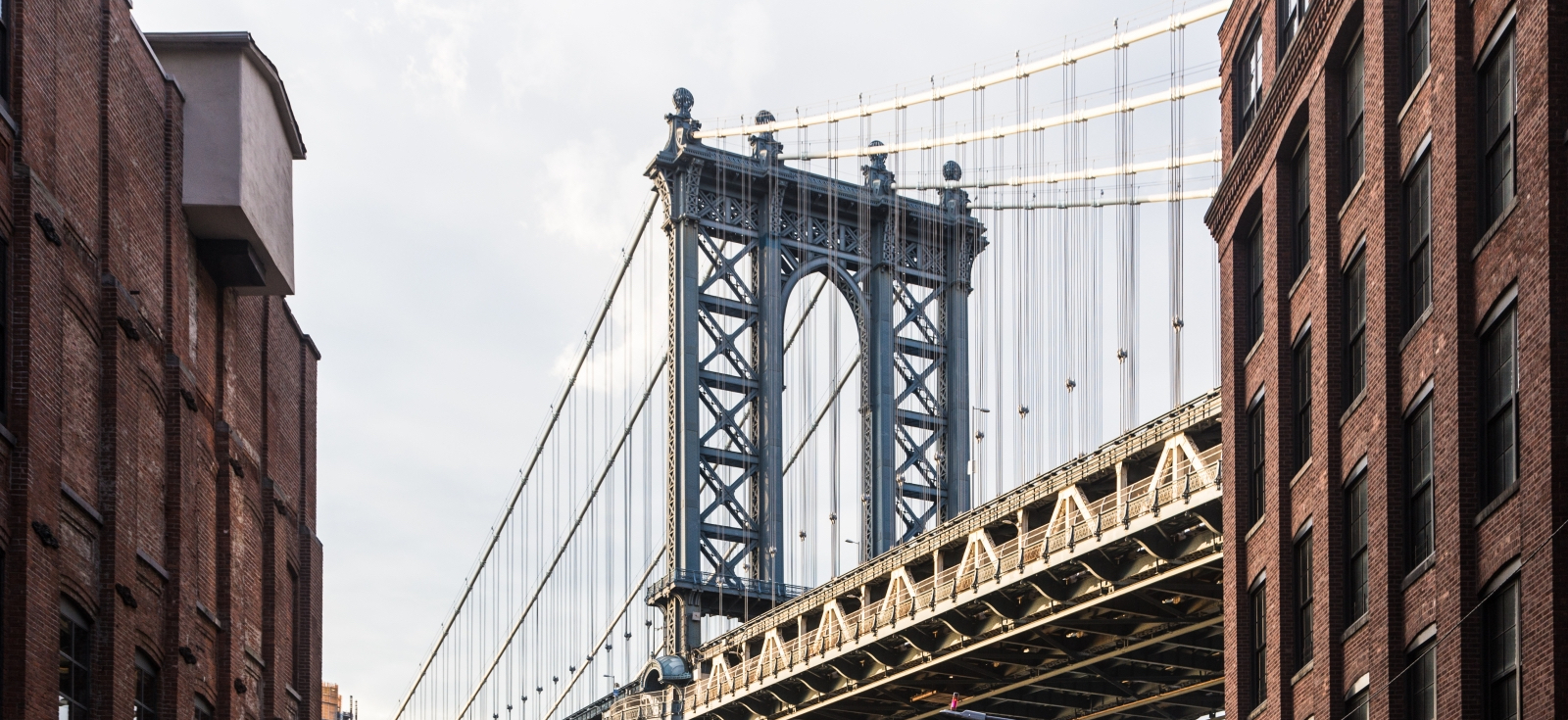
- The Manhattan Bridge: This suspension bridge, also crossing the East River, connects Lower Manhattan with Downtown Brooklyn. It is notable for its distinctive towers and the fact that it carries six subway lines, making it one of the busiest rail crossings in the world. Its geometric design and bustling activity are emblematic of the city’s constant motion.
Harlem River and Bronx Crossings: Linking Uptown and the Northern Borough
The Harlem River, a natural channel separating Manhattan from the Bronx, is crossed by a multitude of bridges, facilitating access between these two boroughs and serving as important local connectors.
-
The High Bridge: This historic pedestrian bridge, the oldest in New York City, originally carried water from the Croton Aqueduct to Manhattan. Now restored and reopened, it offers a tranquil passage between Upper Manhattan and the Bronx, with panoramic views of the Harlem River and surrounding neighborhoods. It stands as a beautiful example of 19th-century engineering and a cherished public space.
-
Triborough Bridge (Robert F. Kennedy Bridge): Officially known as the Robert F. Kennedy Bridge, this complex bridge system connects Manhattan, Queens, and the Bronx. It comprises three main sections and numerous approaches, making it one of the most intricate and important transportation hubs in the city. Its construction was a massive public works project that significantly improved regional connectivity.
The Vast Network: Beyond the Famous Landmarks
While the prominent bridges garner most of the attention, the true number of bridges in New York City extends far beyond these iconic structures. The city’s extensive network includes numerous smaller bridges, overpasses, and viaducts that are essential for daily transportation and infrastructure.
Local Bridges and Overpasses: The Unsung Heroes of Urban Mobility
The vast majority of bridges in New York City are not grand suspension marvels but smaller, functional crossings that are critical for local traffic flow and the functioning of neighborhoods.
-
Small Vehicular Bridges: Thousands of smaller bridges facilitate road traffic across streams, parkways, and railway lines within each borough. These are the workhorses of the city’s transportation grid, ensuring that neighborhoods are connected and that commerce can move efficiently.
-
Pedestrian Bridges and Tunnels: In addition to vehicular crossings, the city boasts a significant number of pedestrian bridges and underpasses, offering safe passage over busy streets and railways, particularly within parks and residential areas.
-
Railroad Bridges and Overpasses: The extensive railway network of New York City, including subway lines, commuter rail, and freight lines, relies on a complex system of bridges and overpasses to navigate the urban landscape without interfering with road traffic or other rail lines. These are crucial for the efficient operation of the city’s public transportation system.
Counting the Crossings: Defining “Bridge” in New York City
The challenge in providing an exact number of bridges lies in the definition of what constitutes a “bridge” in an urban environment as complex as New York City. Different agencies and counting methodologies can yield varying results.
Official Counts and Varying Definitions
The New York City Department of Transportation (NYCDOT) is responsible for maintaining and overseeing many of the city’s bridges. Their inventory includes a vast number of structures, but the precise figure often depends on whether one includes all overpasses, pedestrian bridges, and smaller creek crossings, or focuses solely on major vehicular and transit bridges.
-
The NYCDOT’s Jurisdiction: The department oversees thousands of bridges, including many smaller ones that are crucial for local connectivity. This number can fluctuate with ongoing construction projects and replacements.
-
Other Jurisdictions: It’s important to note that bridges within New York State Parks, federal lands, or privately owned properties might not be included in the NYCDOT’s primary count, further complicating a single definitive number.
Ultimately, while an exact tally of every single crossing can be a matter of definition, the sheer number of bridges in New York City is undeniably immense. It is this intricate web of crossings, from the majestic icons to the humble local connectors, that allows this global city to function, thrive, and connect its millions of residents and visitors every single day. Each bridge tells a story of engineering, of progress, and of the enduring human desire to bridge divides and forge connections.
LifeOutOfTheBox is a participant in the Amazon Services LLC Associates Program, an affiliate advertising program designed to provide a means for sites to earn advertising fees by advertising and linking to Amazon.com. Amazon, the Amazon logo, AmazonSupply, and the AmazonSupply logo are trademarks of Amazon.com, Inc. or its affiliates. As an Amazon Associate we earn affiliate commissions from qualifying purchases.