
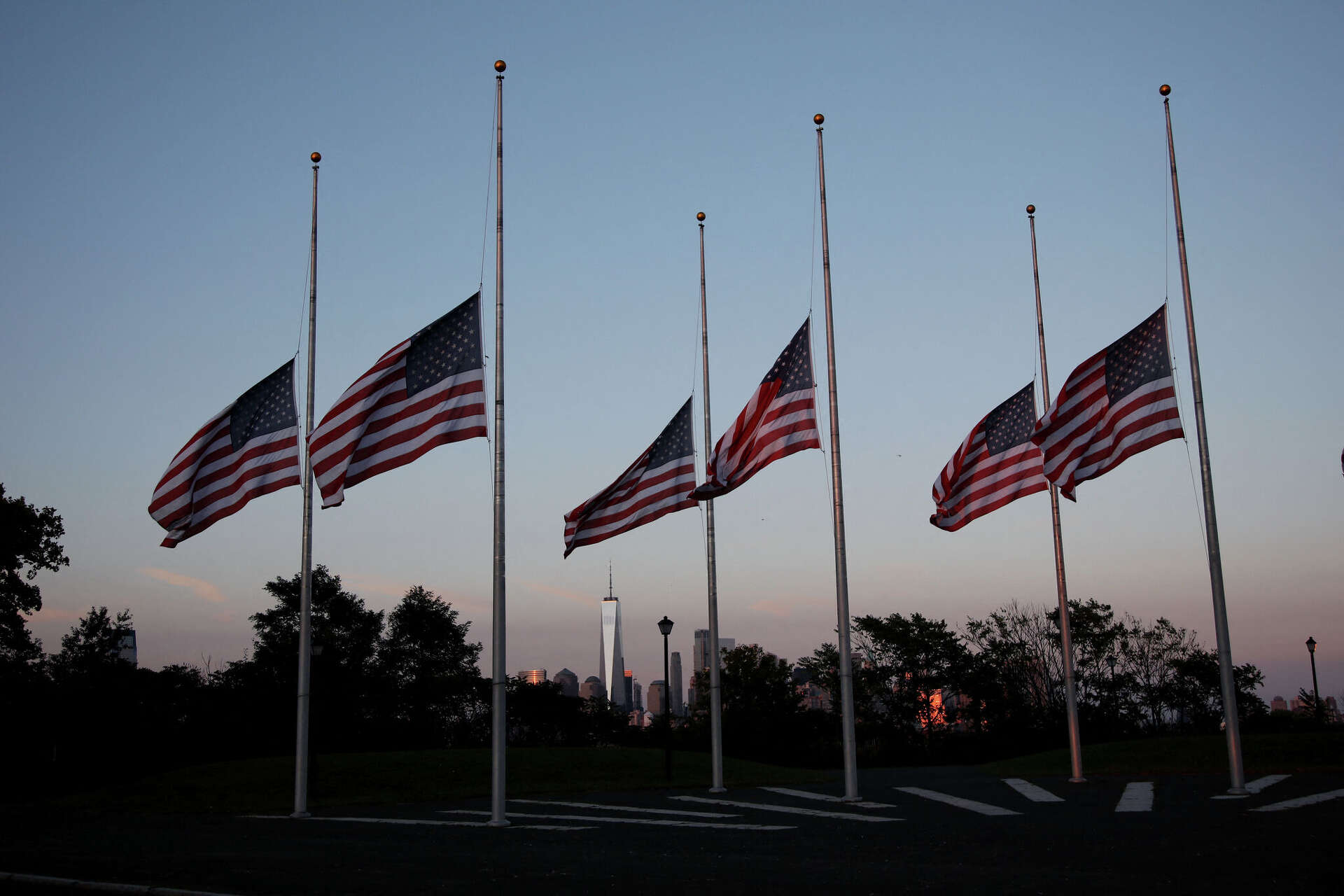
The sight of flags flying at half-staff across the vast expanse of Texas is a somber and often significant visual cue. For residents and visitors alike, it prompts an immediate question: why is this happening today? The lowering of the flag is a time-honored tradition, a visual manifestation of mourning, respect, and remembrance, typically ordered by the Governor of Texas or the President of the United States. Understanding the reasons behind this solemn display requires delving into the protocols governing such honors and the events that warrant them.
The practice of flying flags at half-staff is deeply rooted in maritime tradition, where it was believed that the flag at half-mast was the ship’s dead rigging, signaling distress or mourning. Today, this tradition has been formalized into national and state protocols, ensuring that acts of remembrance are carried out with dignity and uniformity. In Texas, as in the rest of the nation, the Governor has the authority to order flags lowered to half-staff to honor fallen Texans, significant state events, or in response to national tragedies. These directives are not made lightly and are usually accompanied by a proclamation or announcement detailing the specific reason for the honor.
Understanding the Protocols: When and Why Flags Are Lowered
The decision to lower the Texas state flag, and by extension, the United States flag, to half-staff is governed by specific rules and traditions. These protocols are designed to ensure that honors are bestowed appropriately and consistently. The primary reasons for such a directive typically fall into a few key categories:
Honoring Fallen Dignitaries and Public Servants
One of the most common reasons for flags being flown at half-staff is to honor the passing of prominent individuals. This can include:
- The President of the United States: When the President dies, flags are flown at half-staff nationwide and at U.S. embassies and installations abroad for 30 days.
- The Vice President, Chief Justice, or Speaker of the House: Upon their death, flags are typically flown at half-staff until interment.
- A current or former Governor of Texas: The Governor of Texas has the authority to order flags flown at half-staff within the state to honor a deceased former governor. This act signifies the respect and gratitude of the state for their service.
- A current or former Member of Congress from Texas: Similarly, flags may be lowered to half-staff to commemorate the passing of a U.S. Senator or Representative from Texas, recognizing their service to the state and the nation.
- A fallen Texas State Trooper, firefighter, law enforcement officer, or first responder: The bravery and sacrifice of those who serve and protect Texas communities are often honored with flags at half-staff. This is a profound way for the state to express its gratitude and sorrow for their loss.
- A fallen member of the U.S. military: The ultimate sacrifice made by service members is frequently recognized by lowering flags to half-staff. The duration and scope of this can vary depending on the circumstances, such as the individual’s rank and the nature of their service.
Commemorating Significant Events and National Tragedies
Beyond honoring individuals, flags are also lowered to mark periods of national or state mourning, reflection, or to commemorate significant historical events:
- National Days of Mourning: The President may declare national days of mourning, during which flags are flown at half-staff across the country.
- Memorial Day: Flags are flown at half-staff until noon on Memorial Day, a solemn remembrance of those who died while serving in the U.S. armed forces.
- September 11th: In remembrance of the victims of the terrorist attacks on September 11, 2001, flags are flown at half-staff on this date annually.
- Other Tragic Events: In the wake of mass shootings, natural disasters, or other profound tragedies that impact the nation or the state, the Governor or President may order flags to be lowered as a sign of collective grief and solidarity. For instance, a tragic event in a specific Texas city, like the devastating impacts seen in Uvalde, might prompt such a directive.
Gubernatorial Proclamations and Special Occasions
The Governor of Texas holds significant authority in ordering flags to be flown at half-staff. This power is often exercised to:
- Honor citizens who have made significant contributions to Texas: This can include individuals in various fields, from arts and culture to business and public service, whose passing is deemed to warrant a statewide tribute.
- Acknowledge specific anniversaries or commemorations: While less common for prolonged half-staff periods, the Governor might issue a proclamation for a day of remembrance related to a significant Texas historical event.
- Respond to directives from the President of the United States: When the President orders U.S. flags flown at half-staff, state flags in Texas and other states are typically lowered in accordance with the presidential proclamation.
The authority to order flags lowered is crucial for expressing collective sentiment. For example, if a renowned Texan, perhaps a celebrated figure associated with San Antonio or a prominent business leader from Houston, passes away, the Governor might issue a proclamation. This ensures that the state can collectively pause to honor their legacy. Similarly, if there’s a national tragedy that deeply affects Texas, the Governor’s directive ensures the state stands in solidarity with the rest of the nation. The timing of these proclamations is important; they are usually issued promptly after the event or death occurs, and the duration is specified.
Traveling Through Texas: A Respectful Observation

For travelers exploring the diverse landscapes and vibrant cities of Texas, encountering flags at half-staff is an opportunity for reflection. Whether you’re visiting the historic Alamo in San Antonio, exploring the bustling arts district in Dallas, enjoying the beaches near Galveston, or driving through the vast ranches of West Texas, the sight serves as a reminder of shared values and collective memory.
Experiencing Texas Culture and Landmarks
Texas is a state rich in history, culture, and natural beauty, offering a wide array of experiences for every type of traveler. From the iconic Space Center Houston to the stunning natural formations of Big Bend National Park, the state is replete with attractions that draw visitors from around the globe. When flags are at half-staff, it adds a layer of solemnity to these experiences, encouraging a moment of pause and consideration for the events or individuals being honored.
- Historical Significance: Texas is home to numerous landmarks that tell the story of its unique past. Sites like the Texas State Capitol in Austin, the Fort Worth Stockyards National Historic District, and the numerous battlefields and missions scattered across the state serve as tangible links to Texas’s heritage. Observing flags at half-staff during a visit to such places can deepen the sense of historical context and respect.
- Cultural Immersion: The vibrant culture of Texas is best experienced through its food, music, and festivals. Cities like Austin are renowned for their live music scene, while San Antonio offers a rich blend of Texan and Mexican heritage, most famously at The Riverwalk. Understanding why flags are lowered can offer a moment of shared national or state empathy, even while enjoying these cultural offerings.
- Natural Wonders: Beyond its historical and cultural sites, Texas boasts breathtaking natural landscapes. Big Bend National Park, the Texas Hill Country, and the Gulf Coast offer unparalleled opportunities for outdoor adventures. The serenity of these natural settings can provide a contemplative backdrop to the somber message conveyed by flags at half-staff.
Accommodation and Travel Considerations
When planning a trip to Texas, travelers will find a wide range of accommodation options, from luxurious resorts and boutique hotels to budget-friendly motels and vacation rentals. Major cities like Houston, Dallas, Austin, and San Antonio offer a plethora of choices to suit every need and budget. The presence of flags at half-staff does not typically impact travel arrangements or the availability of accommodations. However, it might influence the general atmosphere or lead to specific events being postponed or altered.
- Hotels and Resorts: Whether you’re seeking the amenities of a luxury resort like the La Cantera Resort & Spa in San Antonio or a comfortable stay at a well-appointed hotel in Downtown Houston, Texas has it all. Booking in advance, especially during peak seasons, is always recommended.
- Vacation Rentals and Apartments: For longer stays or for families seeking more space, vacation rentals and apartments offer a home-away-from-home experience. Websites and platforms dedicated to accommodation comparisons can help find the perfect option.
- Travel Tips: When traveling in Texas, it’s advisable to stay informed about local news and events. This includes being aware of any official proclamations regarding flags at half-staff. This awareness can enhance your understanding of the state’s current sentiment and foster a more respectful and informed travel experience.
The Significance of Remembrance: A Shared Moment
The practice of flying flags at half-staff is more than just a visual signal; it’s a powerful symbol of collective remembrance and respect. It allows a community, a state, or a nation to pause, acknowledge loss, and honor the sacrifices or the lives of those who have made a significant impact.
Honoring Sacrifice and Service
In a state as large and diverse as Texas, with its proud military history and a strong sense of community, the lowering of flags often carries profound meaning. It serves as a visible tribute to:
- Military Personnel: The sacrifices of Texans who have served and died in defense of the nation are deeply respected. Flags at half-staff are a constant reminder of their bravery and the freedoms they fought to protect.
- Public Servants: The dedication of law enforcement officers, firefighters, and first responders who put their lives on the line daily is paramount. Their ultimate sacrifices are honored through these public displays of mourning.
- Community Leaders and Figures: When individuals who have profoundly shaped Texas – whether through politics, business, or humanitarian efforts – pass away, the lowering of flags signifies the state’s collective grief and appreciation for their contributions.

Fostering Unity and Empathy
At its core, the tradition of flying flags at half-staff is about unity. It creates a shared experience of mourning or solemn reflection that can transcend individual differences.
- National Solidarity: When flags are lowered due to national tragedies, it signifies solidarity with affected communities and a shared sense of grief and resilience.
- Statewide Mourning: The Governor’s decision to lower flags within Texas rallies the state in a common expression of sorrow or respect for fallen Texans. This collective act can strengthen community bonds.
- A Moment for Reflection: In our fast-paced world, these moments provided by flags at half-staff offer a valuable opportunity for personal and collective reflection on life, loss, and the values we hold dear. Whether you are visiting a significant landmark like the Texas State Capitol, staying in a welcoming hotel in Fort Worth, or simply passing through a small town, the flag at half-staff serves as a poignant reminder of our shared humanity and the importance of honoring those who have come before us.
The reasons for flags being at half-staff in Texas today are as varied as the state itself, but they all point to a common thread: the profound importance of remembrance, respect, and honor for individuals and events that have shaped the Lone Star State and the nation.
LifeOutOfTheBox is a participant in the Amazon Services LLC Associates Program, an affiliate advertising program designed to provide a means for sites to earn advertising fees by advertising and linking to Amazon.com. Amazon, the Amazon logo, AmazonSupply, and the AmazonSupply logo are trademarks of Amazon.com, Inc. or its affiliates. As an Amazon Associate we earn affiliate commissions from qualifying purchases.