
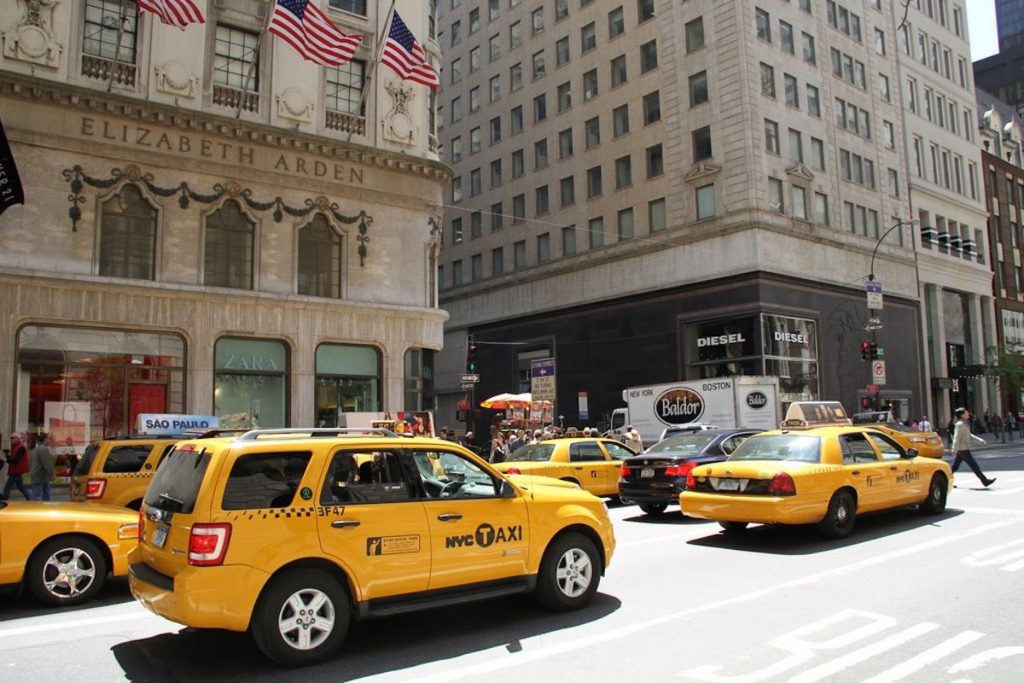
The iconic yellow taxi, a quintessential symbol of New York City, navigates its bustling streets with a rhythm all its own. For visitors and locals alike, understanding the sheer number of these vehicles is more than just a matter of curiosity; it provides a tangible sense of the city’s ceaseless motion and the intricate ecosystem of urban transportation. While a definitive, constantly updated census of every single taxi cab operating within the five boroughs can be elusive, a close examination of regulatory data and industry trends offers a comprehensive answer to this frequently asked question. The number fluctuates, influenced by market demand, regulatory changes, and the evolving landscape of ride-sharing services, but the core fleet remains a vital component of the city’s daily life.

The Evolving Landscape of NYC’s Yellow Cab Fleet
The journey of the New York City taxi has been a dynamic one, marked by periods of growth, adaptation, and recent shifts in market share. Historically, the yellow cab reigned supreme, a ubiquitous presence on every corner. However, the advent of disruptive technologies has significantly altered the operational dynamics and the number of vehicles actively participating in the traditional taxi industry. Understanding this evolution is key to grasping the current state of the fleet.
Historical Context and Peak Numbers
For decades, the number of yellow taxi medallions, which are essentially licenses to operate a taxi, dictated the size of the fleet. These medallions were, and in some cases still are, a scarce commodity, with their numbers tightly controlled by the New York City Taxi and Limousine Commission (TLC). In the past, the number of active medallions hovered around the 13,000 to 14,000 mark. This period represented the zenith of the traditional taxi’s dominance. The iconic look of hundreds of yellow cabs queuing for fares, particularly around major attractions like Times Square or Central Park, was a defining characteristic of the cityscape. The value of these medallions soared, reflecting their exclusive access to a lucrative market. Owning a medallion was once considered a retirement plan for many drivers, a testament to the perceived stability and profitability of the industry.
The Impact of Ride-Sharing Services
The emergence of app-based ride-sharing companies, such as Uber and Lyft, fundamentally disrupted the New York City taxi industry. Unlike traditional taxis, which required the purchase of expensive medallions, ride-sharing services allowed drivers to use their personal vehicles, significantly lowering the barrier to entry. This influx of new transportation options led to a considerable decrease in demand for yellow cabs and, consequently, a reduction in the number of actively operating taxis. Many medallion owners found their investments devalued dramatically as the market became saturated with alternative transportation providers. This period saw a decline in the number of licensed yellow cabs as drivers opted for the more flexible and potentially more lucrative ride-sharing platforms, or simply found it harder to compete.
Current Fleet Size and Operational Metrics
As of recent reports and data from the New York City TLC, the number of active yellow taxis has stabilized, albeit at a lower level than its peak. While the exact figure fluctuates daily, the operational fleet typically hovers in the range of 6,000 to 7,000 vehicles. This number represents the yellow cabs that are currently licensed, inspected, and actively on the road. It’s important to distinguish this from the total number of medallions issued, as not all medallion holders actively operate their cabs. Many have transitioned to other roles, leased their medallions, or are waiting for market conditions to improve. The TLC continuously monitors and regulates these vehicles, ensuring they meet safety and service standards. This figure provides a realistic snapshot of the yellow cab presence that travelers and residents can expect to encounter on any given day.
Beyond the Yellow Cab: The Broader Taxi and For-Hire Vehicle Landscape
To fully understand the transportation dynamics in New York City, it’s crucial to look beyond just the iconic yellow cabs. The city’s regulations encompass a much broader category of for-hire vehicles (FHVs), which includes everything from liveries and black cars to the rapidly growing fleet of ride-sharing vehicles. The sheer volume of these different vehicle types paints a more complete picture of mobility in the metropolis.
The Distinction Between Medallion Taxis and For-Hire Vehicles

The core difference lies in their operational framework and regulatory oversight. Medallion taxis, the familiar yellow cabs, operate under a strict medallion system. These medallions grant the right to hail passengers directly from the street. Their fares are regulated by the TLC, and they are required to pick up any passenger in their designated zone. In contrast, For-Hire Vehicles (FHVs) operate on a pre-arranged basis, typically through phone dispatch or mobile applications. This category includes services like Uber, Lyft, and traditional livery and black car services. While yellow cabs are a distinct and regulated entity, the broader FHV sector has seen exponential growth, vastly outnumbering the yellow cab fleet in sheer vehicle numbers.
The Rise of the “Green” and Other Alternative Cabs
New York City has also experimented with and introduced alternative taxi services to cater to specific needs and demographics. The most notable of these are the “green” taxis, officially known as Boro Taxis. These vehicles, predominantly found in the outer boroughs and Upper Manhattan, are designed to complement the yellow cabs by providing more accessible transportation options outside of the prime Manhattan business districts. They are not permitted to hail passengers in the Manhattan core. Their introduction was part of an effort to increase taxi availability in underserved areas and provide a more affordable option for many residents. While not as numerous as the yellow cabs, the green taxi fleet represents a significant expansion of the regulated taxi services, adding thousands of vehicles to the city’s livery ecosystem.
The Immense Scale of Ride-Sharing Fleets
When considering the total number of vehicles providing taxi-like services in New York City, the ride-sharing fleets are the most substantial component. While specific real-time numbers are difficult to pin down due to the dynamic nature of the platforms, estimates suggest that hundreds of thousands of individual vehicles are registered as FHVs with the TLC, many of which are actively engaged in ride-sharing services. This massive fleet operates under a different model, utilizing dynamic pricing and app-based dispatch. The sheer volume of these vehicles has fundamentally reshaped urban mobility, offering unparalleled convenience but also raising complex questions about traffic congestion, worker rights, and the future of traditional taxi services.
The Role of the Taxi and Limousine Commission (TLC)
The New York City Taxi and Limousine Commission (TLC) is the governmental body responsible for licensing and regulating virtually all public for-hire transportation in the city, from the iconic yellow cabs to liveries, black cars, and most recently, ride-sharing vehicles. Its role is central to understanding the numbers and the operational framework of taxis within the city.
Licensing and Regulation of Medallion Taxis
The TLC meticulously oversees the medallion system. They set standards for vehicle safety, driver conduct, and fare structures for yellow cabs. Each medallion holder must adhere to strict rules and undergo regular inspections. The commission’s authority extends to managing the total number of medallions, which has historically been a key tool for controlling fleet size and market stability. Their decisions on medallion sales, transfers, and regulations have a direct and profound impact on the number of yellow cabs that are legally permitted to operate on the streets.
Oversight of For-Hire Vehicles (FHVs)
In recent years, the TLC’s purview has expanded significantly to include the regulation of the burgeoning FHV industry. This has been a complex and often contentious undertaking, as the commission grapples with the sheer scale of ride-sharing operations. The TLC issues licenses to both the companies operating these platforms and the individual drivers. They set rules regarding vehicle inspections, driver background checks, and increasingly, are involved in discussions around trip caps and other measures aimed at managing the impact of these services on traffic and the existing taxi market. This expanded oversight means the TLC is the primary source of data on the total number of vehicles operating as taxis or similar services in New York City.
Impact of TLC Policies on Fleet Numbers
The policies enacted by the TLC have a direct correlation with the number of taxis on the road. Decisions regarding medallion values, the introduction of new taxi classes (like the green cabs), and regulations on ride-sharing services all influence how many vehicles are actively engaged in providing public transportation. For instance, the TLC’s approach to managing the influx of ride-sharing vehicles, including setting caps on new driver licenses or implementing specific rules for these services, directly affects the overall numbers and the balance of the transportation market. The commission’s ongoing efforts aim to balance accessibility, safety, and economic viability for all modes of for-hire transportation within the dynamic urban environment of New York City.
LifeOutOfTheBox is a participant in the Amazon Services LLC Associates Program, an affiliate advertising program designed to provide a means for sites to earn advertising fees by advertising and linking to Amazon.com. Amazon, the Amazon logo, AmazonSupply, and the AmazonSupply logo are trademarks of Amazon.com, Inc. or its affiliates. As an Amazon Associate we earn affiliate commissions from qualifying purchases.