
The question “Is Puerto Rico poor?” is often among the first curiosities travelers have when considering a visit to this vibrant Caribbean gem. It’s a query rooted in news headlines, historical context, and perhaps a general lack of understanding about the complex economic realities of this United States territory. For the discerning tourist, understanding the economic landscape isn’t just about political discourse; it profoundly shapes the travel experience, influencing everything from local culture and available activities to the overall atmosphere and the potential for responsible tourism.
Puerto Rico presents a fascinating paradox. On one hand, it boasts world-class beaches, luxurious resorts, a burgeoning culinary scene, and a rich history, all of which scream “affluent destination.” On the other, it grapples with significant economic challenges, including a high poverty rate, lingering infrastructure issues from past natural disasters, and a complex fiscal relationship with the mainland United States. This article aims to peel back the layers of perception and reality, offering an insightful perspective on Puerto Rico’s economic situation specifically through the lens of tourism, helping travelers appreciate the island’s resilience, diversity, and the profound impact their visits can have.

Beyond the Headlines: Understanding Puerto Rico’s Economic Landscape from a Tourist’s Perspective
While news reports often highlight Puerto Rico’s economic struggles—public debt, hurricane recovery, and outmigration—what a tourist experiences can be strikingly different and often more nuanced. The island’s diverse regions offer varied economic realities and tourism infrastructures.
The Affluent Pockets and Tourist Hotbeds
Visitors arriving in areas like San Juan, particularly in upscale neighborhoods such as Condado and Isla Verde, might question the “poor” narrative altogether. Here, high-rise hotels, designer boutiques, gourmet restaurants, and bustling nightlife create an atmosphere of prosperity. These areas cater heavily to international tourism, showcasing modern amenities and services comparable to any major resort destination globally. The meticulously preserved colonial architecture of Old San Juan, a UNESCO World Heritage site, is another example of a significant investment in cultural preservation and tourism infrastructure, projecting an image of historic grandeur and ongoing revitalization.
Beyond San Juan, destinations like Rincón on the west coast, famous for surfing, attract a distinct community of expats and digital nomads, creating a laid-back yet economically active environment with boutique hotels, surf schools, and health-conscious eateries. Even the islands of Vieques and Culebra, known for their pristine beaches like Flamenco Beach and stunning Bioluminescent Bays, have seen significant development in eco-tourism and luxury rentals, signaling robust visitor interest and investment.
The Local Realities and Economic Disparities
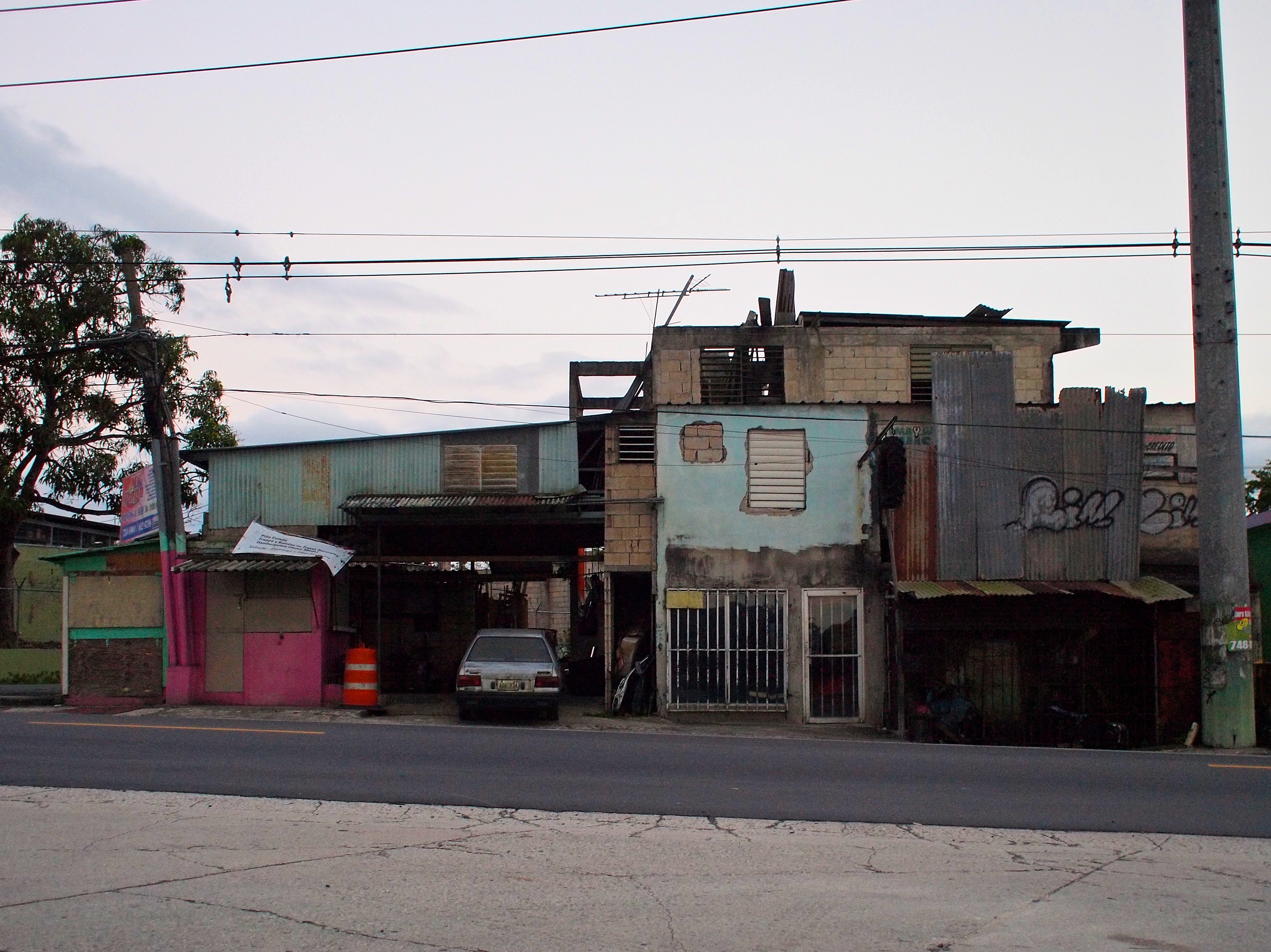
However, venturing beyond these prime tourist zones reveals a more complex picture. Many towns and rural areas across Puerto Rico face higher rates of unemployment and a greater reliance on government aid. Infrastructure in some areas can be less developed, and signs of economic strain are more visible. This disparity is not unique to Puerto Rico; it’s a common characteristic of many tourism-dependent economies where wealth often concentrates in specific areas.
For the conscious traveler, understanding this dual reality is crucial. It means recognizing that while your resort experience might be seamless and luxurious, the broader community might be navigating significant challenges. This awareness enhances the travel experience by fostering empathy and encouraging choices that genuinely benefit local communities.
The Vibrant Tapestry of Puerto Rican Culture and Tourism
Despite economic headwinds, Puerto Rico’s tourism sector thrives on its unparalleled natural beauty, rich history, and the indomitable spirit of its people. These are the true assets that make the island an unforgettable destination, regardless of its economic classification.
Natural Wonders and Outdoor Adventures
Puerto Rico is a paradise for nature lovers. The only tropical rainforest in the United States National Forest System, El Yunque National Forest, offers lush hiking trails, cascading waterfalls, and incredible biodiversity, attracting hundreds of thousands of visitors annually. The island is also home to three of the world’s five Bioluminescent Bays (Mosquito Bay in Vieques being the brightest), which offer magical nighttime kayaking experiences.
The pristine beaches, ranging from the calm, family-friendly shores of Luquillo Beach to the surfing meccas of Rincón and Aguadilla, are major draws. Snorkeling, diving, ziplining, and cave exploring are just a few of the activities that leverage Puerto Rico’s diverse topography and contribute significantly to local economies by employing guides, operators, and support staff.
Culinary Delights and Local Flavors
Puerto Rico’s culinary scene is a vibrant fusion of Taíno, Spanish, African, and American influences, often referred to as “Cocina Criolla.” From roadside chinchorros serving up crispy bacalaítos (cod fritters) and alcapurrias (fritters made from green bananas and taro root) to upscale restaurants in San Juan offering innovative takes on traditional dishes, food is central to the island’s culture.
Experiencing local food is an immersive way for tourists to engage with the island’s economy and culture. Visiting farmers’ markets, dining at family-run establishments, or taking a Puerto Rican coffee tour not only provides authentic experiences but also directly supports local producers and businesses. Even tours of rum distilleries, such as the iconic Bacardi Distillery near San Juan, blend cultural heritage with economic activity.
Art, History, and Festivities
The historical richness of Puerto Rico is palpable everywhere, from the cobblestone streets of Old San Juan with its fortresses like El Morro and San Cristóbal, to the architectural treasures of Ponce. Museums, art galleries, and craft markets offer glimpses into the island’s artistic soul. Throughout the year, numerous festivals and celebrations—such as the vibrant San Sebastián Street Festival in Old San Juan or the various patron saint festivals in smaller towns—showcase the exuberant spirit of the Puerto Rican people, attracting both locals and tourists and injecting life into local economies.
The Resilient Spirit: How Tourism Fuels Recovery and Growth
Tourism is not merely an amenity for Puerto Rico; it’s a vital engine for economic recovery and sustainable growth. Following devastating natural disasters like Hurricane María in 2017, the tourism sector played a crucial role in the island’s rebuilding efforts, demonstrating incredible resilience.
A Catalyst for Economic Revival
The influx of visitors creates demand for a wide array of services—transportation, accommodation, food, entertainment, and retail—thereby generating jobs across various skill levels. From hotel staff and tour guides to taxi drivers and souvenir vendors, tourism provides livelihoods for thousands of Puerto Ricans. It also stimulates indirect economic activity, benefiting construction workers, farmers, and artisans who supply goods and services to the tourism industry.
Investment in tourism infrastructure, whether in new hotel developments in Fajardo or the restoration of historical sites, creates long-term assets for the island. These projects often bring international capital and expertise, contributing to modernization and capacity building within the local workforce. Furthermore, a thriving tourism industry can attract further foreign investment, diversifying the economy beyond traditional sectors.
Promoting Cultural Exchange and Preservation
Beyond economic figures, tourism fosters cultural exchange. Visitors learn about Puerto Rican history, traditions, and contemporary life, while locals gain exposure to diverse cultures. This interaction helps to preserve unique cultural practices, music, and arts, as there is an economic incentive to maintain and showcase them for tourists. For example, traditional crafts, music genres like salsa and plena, and local culinary techniques receive renewed appreciation and support through visitor engagement. By showcasing its unique identity, Puerto Rico solidifies its place on the global map, distinguishing itself from other Caribbean destinations.
Navigating Puerto Rico: Tips for an Impactful and Responsible Visit
For travelers wondering about Puerto Rico’s economic situation, the most impactful response is to visit, explore, and engage responsibly. Your choices as a tourist can significantly contribute to the island’s ongoing recovery and prosperity.
Support Local Businesses
Consciously choose local. Instead of solely frequenting large, international chains, seek out locally owned restaurants, shops, and tour operators. Stay in boutique guesthouses or locally owned villas. Purchase artisan crafts directly from makers. Opt for guided tours run by local Puerto Ricans who can offer authentic insights and whose income directly supports their families and communities. This approach ensures your tourism dollars circulate within the local economy, providing more widespread benefits.
Engage with Local Culture
Be open to experiencing Puerto Rico beyond the resort gates. Learn a few basic Spanish phrases, try traditional dishes, attend local festivals, and visit community markets. Engage with residents respectfully; their stories and perspectives offer invaluable insights into the island’s resilience and vibrant spirit. Visiting museums and historical sites not only enriches your trip but also supports the preservation of Puerto Rico’s invaluable heritage.
Practice Sustainable Tourism
Puerto Rico’s natural beauty is a precious resource. Practice responsible tourism by minimizing your environmental footprint. This includes conserving water and energy, properly disposing of waste, respecting wildlife, and supporting eco-friendly accommodations and activities. Participating in voluntourism opportunities, such as coastal clean-ups or community rebuilding projects, can also be a meaningful way to contribute during your visit.

Beyond the Question of “Poor”
In conclusion, the question “Is Puerto Rico poor?” invites a deeper exploration than a simple yes or no. From a tourism perspective, Puerto Rico is a destination of immense wealth—not necessarily in conventional economic terms, but in its natural splendor, cultural richness, historical depth, and the unparalleled warmth of its people. While economic challenges exist, they do not diminish the island’s capacity to offer extraordinary experiences to travelers.
By choosing to visit, and by doing so thoughtfully and responsibly, tourists become part of the solution, contributing directly to the livelihoods of Puerto Ricans, supporting local businesses, and helping to fuel the island’s journey towards a more prosperous and sustainable future. Puerto Rico is not just a destination; it’s an experience of resilience, beauty, and authentic human spirit, waiting to be discovered.
LifeOutOfTheBox is a participant in the Amazon Services LLC Associates Program, an affiliate advertising program designed to provide a means for sites to earn advertising fees by advertising and linking to Amazon.com. Amazon, the Amazon logo, AmazonSupply, and the AmazonSupply logo are trademarks of Amazon.com, Inc. or its affiliates. As an Amazon Associate we earn affiliate commissions from qualifying purchases.