
New York, a state synonymous with iconic skylines, sprawling natural beauty, and a rich tapestry of human settlement, holds a complex answer to the seemingly simple question: “How many towns are in New York?” This inquiry delves beyond a mere numerical count, touching upon the very definition of what constitutes a “town” within the Empire State’s diverse administrative and geographic landscape. Understanding this requires an exploration of New York’s governmental structure, its historical evolution, and the varied classifications of its incorporated places. The sheer scope of New York, from the bustling metropolis of New York City to the tranquil hamlets nestled in the Adirondack Mountains, means that “town” can encompass a wide spectrum of communities.

Defining “Town” in the New York Context
The term “town” in New York is not a monolithic descriptor. It is primarily defined by its legal and governmental status, largely distinct from how it might be perceived colloquially or in other states. New York State law establishes specific categories for incorporated municipalities, and it’s within these legal frameworks that we can begin to quantify the state’s populated areas.
Municipal Classifications in New York
New York’s governmental structure includes several types of incorporated municipalities, each with its own set of powers and responsibilities. The most relevant to our discussion are cities, towns, villages, and to some extent, counties.
Cities
New York State has a distinct classification for cities, which are generally larger and possess broader governmental powers than towns or villages. As of the most recent data, there are 62 cities in New York State. These range from the immense urban centers like New York City (which itself is comprised of five boroughs: Manhattan, Brooklyn, Queens, The Bronx, and Staten Island) to smaller, historically significant municipalities like Plattsburgh or Olean. Cities operate under their own charters and have a greater degree of autonomy in areas such as zoning, public safety, and local services.
Towns
The legal definition of a “town” in New York State is crucial. Unlike many other states where a town might be a loosely defined community or a subdivision of a county, New York towns are incorporated municipalities with elected officials, including a town supervisor and town council members (or selectmen). These towns often encompass a significant geographic area, which can include incorporated villages within their borders, as well as unincorporated hamlets and rural areas. As of recent counts, there are approximately 932 towns in New York State. These towns serve as the primary form of local government for a vast majority of the state’s landmass and a significant portion of its population, outside of the major cities. Examples range from the suburban towns surrounding New York City like Hempstead in Nassau County to the more rural towns in the Finger Lakes region like Geneva.
Villages
Villages are another form of incorporated municipality in New York, typically smaller in population and geographic area than towns or cities. They are generally established within the boundaries of a town and have their own elected village government, responsible for services such as local police, fire departments, and street maintenance. There are around 550 villages in New York State. While distinct governmental entities, they are geographically situated within towns, which can sometimes lead to confusion when discussing the total number of “towns.”
Hamlets and Unincorporated Areas
Beyond these incorporated entities, New York also has numerous hamlets and unincorporated areas. These are communities that do not have their own separate municipal government. They are often recognized by their names and postal addresses but are governed by the larger town or county in which they are located. While these places feel like “towns” to their residents and visitors, they do not factor into the official count of incorporated towns. Estimating the exact number of hamlets is challenging, as their recognition can be informal and fluid, but they represent a significant part of New York’s community fabric.
The Dynamic Nature of Municipalities
The number of municipalities in New York is not static. While the core classifications of cities, towns, and villages remain consistent, the establishment of new municipalities or the consolidation of existing ones can occur over time. This dynamic aspect means that any precise count is a snapshot in time.

Historical Growth and Evolution
The development of New York’s municipal landscape has been shaped by centuries of settlement, economic shifts, and legislative changes. Early settlements often grew into villages, then potentially into towns or cities as their populations and economic importance increased. The process of incorporation involves petitioning the state legislature and meeting specific criteria, making it a deliberate and often lengthy undertaking. This historical trajectory has resulted in the diverse array of communities we see today.
Factors Influencing Incorporation
Several factors influence whether a community seeks incorporation as a village or town. The desire for greater local control over services, the need to manage development, or the ambition to establish a distinct identity can all drive this process. Conversely, some communities may opt to remain unincorporated, relying on the services and governance of the larger town or county. The economic viability of maintaining a separate municipal government also plays a significant role.
Beyond the Numbers: The Experience of New York’s Towns
While the precise numerical answer to “How many towns are in New York?” can be derived from official government statistics (approximately 932 towns), understanding the true essence of New York’s “towns” goes far beyond this figure. Each town, city, and village offers a unique experience, contributing to the state’s rich cultural mosaic and varied landscapes.
The Diversity of New York’s Communities
From the charming Main Streets of small towns in the Catskill Mountains to the vibrant neighborhoods of urban centers, New York’s communities offer a vast range of experiences. A visitor might explore the historic architecture of a town like Cooperstown, known for the National Baseball Hall of Fame and Museum, or enjoy the natural beauty surrounding a lakeside village in the Thousand Islands. The “town” experience in New York is deeply tied to its geography, history, and local character.
Exploring New York’s Towns: A Traveler’s Perspective
For travelers, the distinction between cities, towns, and villages often blurs into a richer tapestry of exploration. Each type of municipality offers distinct attractions and experiences.
Discovering Urban Hubs
The 62 cities in New York provide the quintessential urban adventure. New York City itself is a world destination, offering iconic landmarks like the Statue of Liberty, Times Square, and world-class museums such as the Metropolitan Museum of Art. Other cities, like Buffalo with its stunning architecture and proximity to Niagara Falls, or Rochester with its rich industrial history and vibrant arts scene, offer unique urban explorations.
Experiencing Rural Charm and Small-Town Life
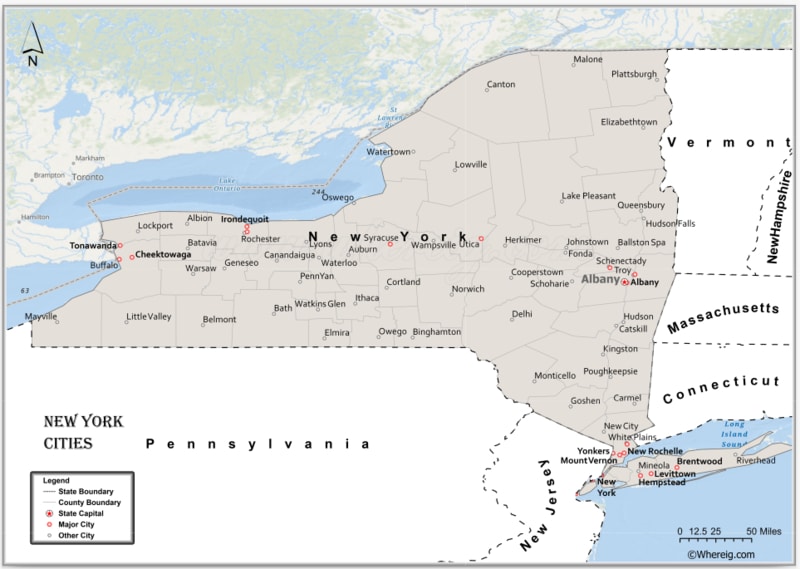
The approximately 932 towns and the numerous villages within them offer a different, often more intimate, travel experience. These areas are where one can find the quintessential “small town America” feel. Imagine visiting a historic downtown area in the Hudson Valley, exploring local farms and wineries, or attending a community festival. Towns often serve as gateways to New York’s extensive natural landscapes, from the hiking trails of the Allegheny Mountains to the serene shores of Lake Champlain.
The Role of Villages in the Tourism Landscape
The around 550 villages, while administratively part of towns, often stand out as charming destinations in their own right. Places like Skaneateles on the Finger Lakes or Woodstock in the Catskills are renowned for their unique character, independent shops, and picturesque settings. They offer a quieter, often more picturesque, counterpoint to the larger cities and more expansive towns.
Ultimately, the question of “how many towns” in New York is less about a single, definitive number and more about understanding the rich and varied governmental and cultural landscape that makes up the Empire State. Each city, town, and village contributes to the unique identity and diverse appeal of New York, offering a myriad of experiences for residents and visitors alike.
LifeOutOfTheBox is a participant in the Amazon Services LLC Associates Program, an affiliate advertising program designed to provide a means for sites to earn advertising fees by advertising and linking to Amazon.com. Amazon, the Amazon logo, AmazonSupply, and the AmazonSupply logo are trademarks of Amazon.com, Inc. or its affiliates. As an Amazon Associate we earn affiliate commissions from qualifying purchases.