
Traveling from the neon-lit corridors of the Mojave Desert to the evergreen landscapes of the Pacific Northwest is one of the most popular routes in the western United States. Whether you are heading north for a business meeting, a tech conference, or a reprieve from the desert heat, understanding the logistics of the journey is essential. Specifically, knowing how long a flight is from Las Vegas to Seattle involves more than just looking at a clock; it requires an understanding of geography, aerodynamics, and airport efficiency.
Understanding the Duration of the Flight from Las Vegas to Seattle
When booking a trip between these two iconic cities, the most common question is the total time spent in the air. On average, a direct flight from Las Vegas to Seattle takes approximately 2 hours and 45 minutes. However, this number can fluctuate based on several variables, ranging from the specific aircraft being used to the atmospheric conditions on the day of travel.

Direct Flight Durations and Distance
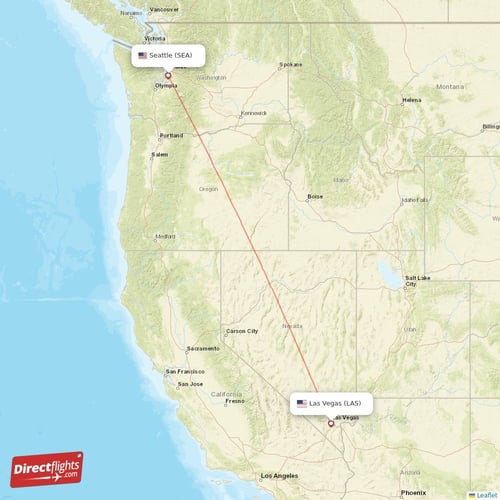
The straight-line distance between Harry Reid International Airport and Seattle-Tacoma International Airport is roughly 870 miles. While a commercial jet cruising at 500 miles per hour could theoretically cover this distance in under two hours, the actual “gate-to-gate” time advertised by airlines usually sits between 2 hours and 35 minutes and 3 hours.
Airlines build “buffer time” into their schedules to account for taxiing on the runway and potential air traffic control delays. For example, departing from Nevada during peak hours might add fifteen minutes of taxi time as planes queue for takeoff. Conversely, if you catch a late-night “red-eye” or an early morning departure, you might find yourself landing in Washington state ahead of schedule.
Factors Influencing Flight Time
The primary factor influencing the duration of this northbound trek is the wind. The jet stream, a high-altitude ribbon of fast-moving air, generally flows from west to east across North America. While this heavily impacts transcontinental flights (making eastbound flights faster than westbound ones), the Las Vegas to Seattle route runs mostly south to north.
During the winter months, shifting weather patterns and stronger headwinds can occasionally push the flight time closer to the three-hour mark. Additionally, the flight path often takes passengers over the Sierra Nevada mountains and parts of Oregon. If there is significant turbulence over these mountainous regions, pilots may slow the aircraft or deviate slightly from the direct path to ensure passenger comfort, which can marginally increase the duration.
Navigating the Departure: Harry Reid International Airport
Your journey begins at Harry Reid International Airport, formerly known as McCarran International Airport. Located just minutes from the Las Vegas Strip, this airport is one of the busiest in the country and serves as a major gateway for travelers in the Southwest.
Terminal Information and Amenities
Harry Reid International Airport is divided into two main terminal buildings: Terminal 1 and Terminal 3. It is vital to check your airline before arriving, as there is no physical connection between these two buildings for pedestrians. Most domestic carriers flying to Seattle, such as Southwest Airlines, operate out of Terminal 1, while Alaska Airlines and United Airlines are typically found in Terminal 3.
While waiting for your flight, the airport offers a uniquely Las Vegas experience, complete with slot machines scattered throughout the gates. For those seeking a more professional environment, the Centurion Lounge or The Club at LAS provide quiet spaces to work or relax before the nearly three-hour flight.
Check-in and Security Tips
Due to the high volume of tourists, security lines at Harry Reid International Airport can be unpredictable. Travelers are generally advised to arrive at least two hours before their scheduled departure to Seattle. If you have TSA PreCheck or CLEAR, you can significantly reduce your wait time. Once through security, a quick automated tram ride might be required to reach the C, D, or E gates, so factor in an extra ten minutes for this transit.
Choosing the Right Airline for Your Pacific Northwest Journey
Several airlines service the route between Las Vegas and Seattle, offering travelers a range of options from budget-friendly carriers to premium full-service experiences.
Major Carriers Serving the Route
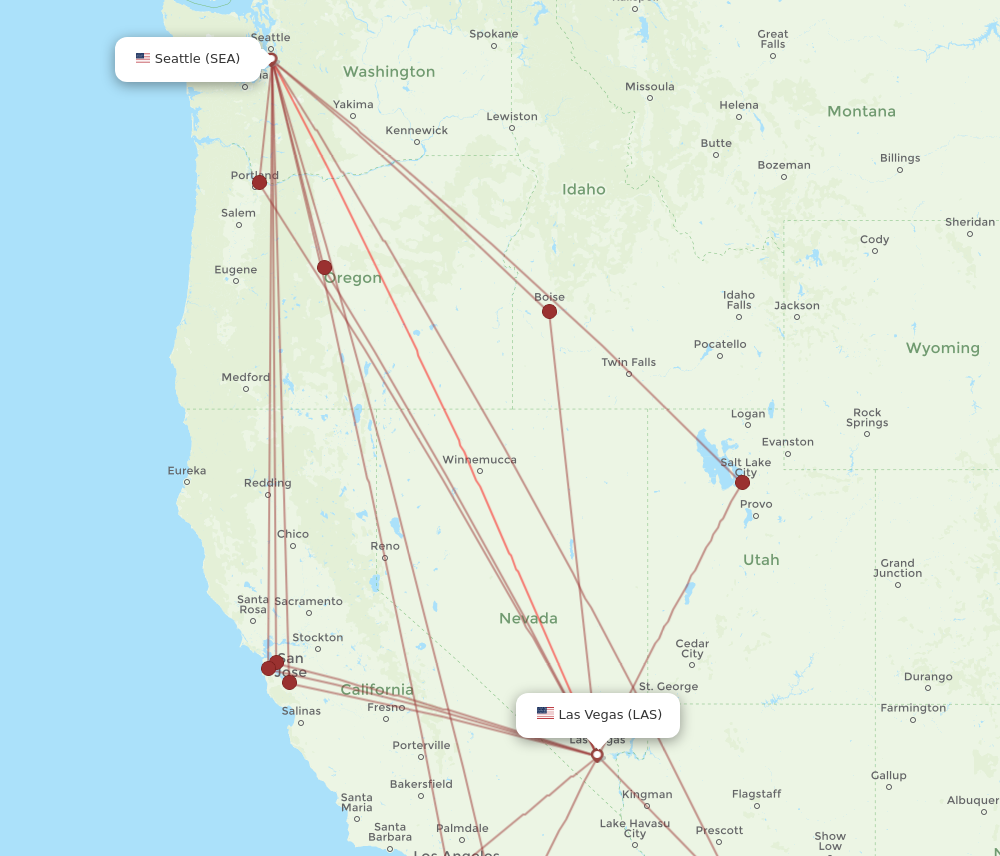
Alaska Airlines is the dominant carrier for this route, as Seattle-Tacoma International Airport serves as their primary hub. They offer frequent daily non-stop flights, often providing the most flexibility in terms of scheduling. Delta Air Lines also maintains a significant presence, as they have grown Seattle into a major international gateway for their network.
Southwest Airlines is another popular choice, particularly for travelers carrying significant luggage, as they offer two free checked bags. Their open-seating policy and frequent departures from Harry Reid International Airport make them a staple for the Las Vegas community.
Budget vs. Full-Service Options
For those looking to minimize costs, ultra-low-cost carriers like Spirit Airlines and Frontier Airlines frequently offer competitive fares on this route. While the base ticket price might be lower, it is important to remember that these airlines charge for extras such as carry-on bags, seat selection, and in-flight refreshments.
If you prefer a more seamless experience, Alaska Airlines and Delta Air Lines provide in-flight entertainment, Wi-Fi capabilities, and complimentary snacks. Given that the flight is nearly three hours long, many business travelers prefer these carriers to ensure they can remain productive or entertained during the journey.
Arriving in the Emerald City: Seattle-Tacoma International Airport
As the aircraft begins its descent, the scenery shifts dramatically. The arid browns of the Great Basin give way to the deep blues of Puget Sound and the lush greens of the Washington forests. You will land at Seattle-Tacoma International Airport, commonly referred to as Sea-Tac.
Deplaning and Ground Transportation
Sea-Tac is located south of the Seattle city center, roughly midway between the cities of Seattle and Tacoma. After deplaning, you may need to take the satellite transit system (an underground train) to reach the main terminal and baggage claim.
For ground transportation, the Link Light Rail is a highly efficient and cost-effective way to reach downtown. The station is connected to the airport parking garage, and the ride into the heart of the city—near landmarks like Pike Place Market—takes about 40 minutes. Alternatively, ride-share services and taxis are readily available, though traffic on Interstate 5 can be notoriously heavy during peak commuting hours.
First Impressions of Seattle
Upon exiting the airport, the change in atmosphere is immediate. The air is often cooler and more humid than the dry heat of Las Vegas. If you arrive on a clear day, you might be treated to a stunning view of Mount Rainier to the south, a massive stratovolcano that dominates the skyline. The transition from the high-energy, 24-hour cycle of the Las Vegas Strip to the more laid-back, coffee-centric culture of Seattle is part of what makes this travel route so fascinating.
Maximizing Your In-Flight Experience Between Nevada and Washington
A three-hour flight is the perfect duration to enjoy some sightseeing from the window or to settle into a good book. Because the route travels over some of the most diverse geography in the United States, choosing the right seat can enhance your travel experience.
Scenic Views Along the Route
If you are flying from Las Vegas to Seattle, sitting on the right side of the aircraft (Seat K or F, depending on the plane) often provides the best views. As you head north, you may catch glimpses of the Grand Canyon in the distance shortly after takeoff, followed by the rugged peaks of the Sierra Nevada.
As you enter the Pacific Northwest, the Cascade Range comes into view. On a clear day, the pilot may point out Mount Saint Helens and Mount Hood. The final approach into Seattle often involves a turn over Elliott Bay, offering a panoramic view of the Space Needle and the downtown skyline before touching down.
Preparation and Packing Tips
Due to the temperature difference between Las Vegas and Seattle, dressing in layers is the most professional and practical approach. Even if it is 100 degrees Fahrenheit when you board at Harry Reid International Airport, Seattle might be a misty 60 degrees upon arrival. Having a light jacket or sweater in your carry-on is highly recommended.
Additionally, since this is a relatively short flight, many airlines do not provide full meals in economy class. If you are traveling during lunch or dinner hours, grabbing a bite at Harry Reid International Airport before boarding is a wise move. The airport offers a variety of options, from quick bites at Shake Shack to more sit-down experiences.
In conclusion, a flight from Las Vegas to Seattle is a manageable and scenic journey that bridges two very different worlds. By planning for a roughly three-hour travel time and choosing the airline that best fits your needs, you can ensure a smooth transition from the desert to the Emerald City.
LifeOutOfTheBox is a participant in the Amazon Services LLC Associates Program, an affiliate advertising program designed to provide a means for sites to earn advertising fees by advertising and linking to Amazon.com. Amazon, the Amazon logo, AmazonSupply, and the AmazonSupply logo are trademarks of Amazon.com, Inc. or its affiliates. As an Amazon Associate we earn affiliate commissions from qualifying purchases.