
Navigating the process of applying for disability benefits in New York State can seem like a daunting task, especially when you are dealing with a physical or mental condition that impacts your ability to work. The New York State Office of Temporary and Disability Assistance (OTDA) oversees these programs, aiming to provide crucial financial and medical support to eligible residents. This guide is designed to demystify the application process, offering a clear, step-by-step approach to help you understand your options and submit a strong claim. Whether you are applying for Supplemental Security Income (SSI) or Social Security Disability Insurance (SSDI), the foundational principles of application remain consistent, though specific eligibility criteria may differ.

Understanding Eligibility for New York State Disability Benefits
The New York State disability programs are primarily administered by the federal Social Security Administration (SSA), with New York State playing a role in determining medical eligibility for certain programs and managing supplemental benefits. To be eligible, an individual must meet both non-medical and medical requirements. Understanding these prerequisites is the first crucial step in building a successful application.
Non-Medical Eligibility Criteria
Non-medical eligibility hinges on factors beyond the severity of your medical condition. For Social Security Disability Insurance (SSDI), this typically involves your work history. You must have accumulated a sufficient number of “work credits,” which are earned by paying Social Security taxes on your earnings. The number of credits required varies depending on your age at the time you become disabled. Generally, you need 40 credits, with at least 20 earned in the 10 years immediately before you become disabled.
For Supplemental Security Income (SSI), the primary non-medical criterion is financial need. SSI is a needs-based program, meaning your income and the value of your assets are strictly limited. There are specific income thresholds set by the Social Security Administration, and if your income exceeds these limits, you may not qualify for SSI, regardless of your medical condition. Unlike SSDI, SSI does not require a work history. It is intended to provide a basic level of income for individuals who are disabled, blind, or aged (65 or older) and have limited financial resources.
Medical Eligibility Criteria
The medical eligibility for New York State disability benefits is determined by the Social Security Administration based on a strict definition of disability. To be considered disabled by the SSA, you must have a medical condition that:
- Is expected to last for at least 12 consecutive months or to result in death. This means the condition must be severe and long-term. Temporary impairments, even if they prevent you from working for a period, generally do not qualify.
- Prevents you from doing the work you did in the past. The SSA will assess your ability to perform your previous job duties.
- Prevents you from adapting to other work because of your medical condition. This is a critical aspect. Even if you can no longer perform your past work, if the SSA determines you can perform other jobs that exist in significant numbers in the national economy, you may be found not disabled.
The SSA uses a five-step sequential evaluation process to determine medical eligibility. This process examines your current work activity, the severity of your medical condition, your ability to perform past relevant work, your residual functional capacity, and finally, your ability to do any other work. Medical evidence, such as doctor’s reports, test results, and treatment histories, is paramount in this evaluation.
The Application Process: Step-by-Step
Applying for disability benefits involves a meticulous process that requires careful attention to detail and thorough documentation. The application can be initiated online, by phone, or in person at a local Social Security office.
Initiating Your Application
The most convenient way to start your application is often online through the Social Security Administration‘s website. This allows you to complete the necessary forms at your own pace. Alternatively, you can call the SSA’s national toll-free number to schedule an appointment or request an application to be mailed to you. For those who prefer face-to-face interaction, visiting your local Social Security office can provide direct assistance. Regardless of the method chosen, you will be asked to provide a significant amount of information about yourself, your medical condition, your work history, and your education.
Gathering Essential Documentation
Accurate and comprehensive documentation is the bedrock of a successful disability claim. Before you begin your application, it is highly recommended to gather the following:
- Personal Information: Your birth certificate or baptismal certificate, Social Security card, and details about your spouse and children if you are applying for family benefits.
- Medical Records: This is arguably the most critical component. Collect all reports, test results, and treatment notes from your doctors, hospitals, clinics, and therapists. Include information about your diagnoses, the severity of your condition, the medications you are taking, and any side effects. The more detailed and up-to-date your medical records are, the stronger your case will be.
- Work History: A detailed list of all your past employers, including their names and addresses, dates of employment, job titles, and a description of your duties for each job. For each job, you will need to estimate your average weekly wages.
- Educational Information: Details about your schooling, including the highest grade you completed and any special education or vocational training you have received.
- Other Information: Any reports from previous disability applications, insurance claims, or workers’ compensation cases.
Completing the Application Forms
The application process involves several forms, most notably the Disability Report and the Adult Function Report. These forms are designed to gather detailed information about your medical condition and how it affects your daily life and ability to work. Be honest and thorough in your responses. Vague or incomplete answers can lead to delays or denials. It is often helpful to have a trusted family member or friend assist you in filling out these forms, especially if your condition makes it difficult to concentrate or recall details.
Navigating the Disability Determination Process
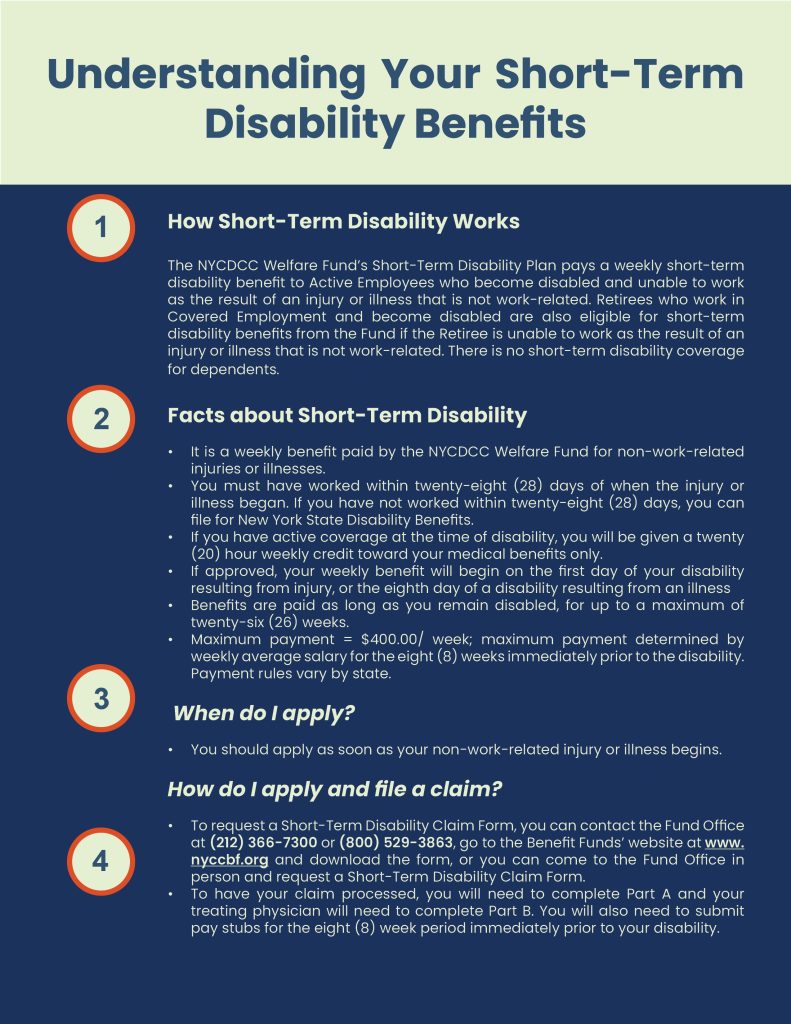
Once your application is submitted, it will be processed by the Social Security Administration. For initial disability determinations, your claim will typically be sent to your state’s Disability Determination Services (DDS).
The Role of Disability Determination Services (DDS)
New York State‘s DDS is responsible for evaluating the medical evidence in your claim. They will review all the documents you have submitted and may request additional information from your doctors. In some cases, DDS may schedule a Consultative Examination (CE) for you. These are free medical examinations conducted by doctors chosen by the SSA to gather more information about your condition. It is crucial to attend all scheduled CEs, as failing to do so can lead to your claim being denied.
The DDS adjudicators, often a team of a medical consultant and a claims examiner, will then assess your medical condition against the SSA’s definition of disability. They consider your medical diagnoses, the objective medical evidence, your reported symptoms, and how your condition impacts your functional abilities.
Understanding the Decision and Next Steps
After the DDS completes its review, a decision will be made on your claim. You will be notified of this decision in writing by the Social Security Administration.
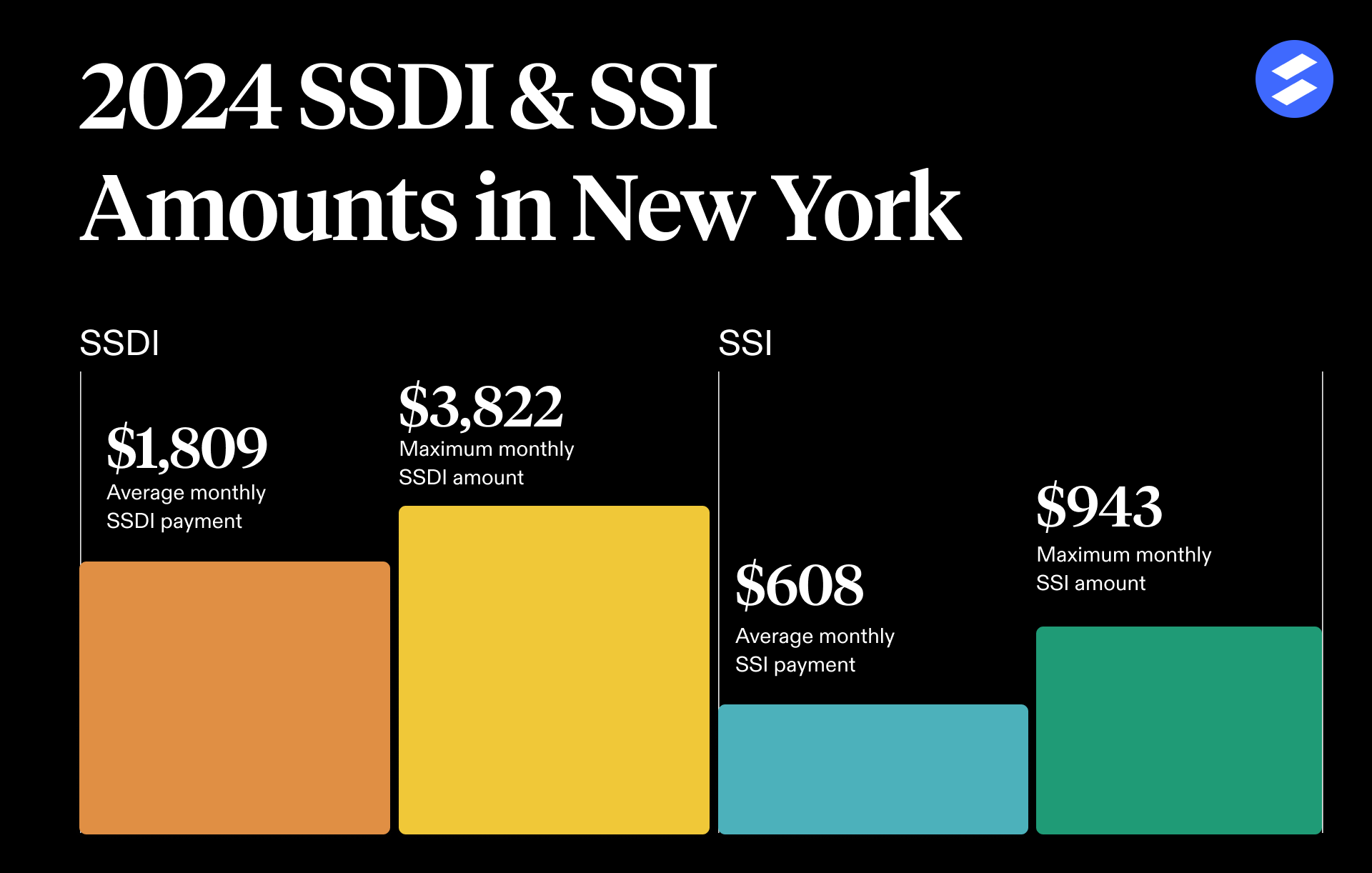
- Approval: If your claim is approved, the letter will detail the date your benefits will begin and the amount you will receive. For SSDI, this amount is based on your past earnings. For SSI, it is a federal base amount, potentially supplemented by New York State‘s optional supplement.
- Denial: If your claim is denied, the letter will explain the reasons for the denial and inform you of your right to appeal. It is common for initial disability applications to be denied. A denial does not mean you will never receive benefits. Many successful claimants are approved after appealing their initial decision.
Appealing a Denied Claim
If your claim is denied, you have the right to appeal the decision. The appeals process typically involves several levels:
- Reconsideration: This is the first level of appeal, where your case is reviewed again by someone at DDS who was not involved in the original decision. You can submit new evidence during this stage.
- Hearing by an Administrative Law Judge (ALJ): If your reconsideration is denied, you can request a hearing before an ALJ. This is an opportunity to present your case in person, often with legal representation. Many individuals find success at this stage.
- Review by the Appeals Council: If the ALJ denies your claim, you can ask the Appeals Council to review the decision.
- Federal Court Review: The final level of appeal is to file a lawsuit in federal district court.
Appealing a denied claim can be a lengthy process, and it is often beneficial to have the assistance of a disability lawyer or advocate who specializes in Social Security law. They can help you gather evidence, prepare for hearings, and navigate the complex appeals system.
Maximizing Your Chances of a Successful Application
While the New York State disability application process can be challenging, there are several strategies you can employ to increase your chances of a favorable outcome. A proactive and organized approach is key.
Maintaining Consistent Medical Care and Documentation
The SSA places significant weight on objective medical evidence. This means regular visits to your doctors, following prescribed treatment plans, and ensuring all your medical records are accurate and up-to-date are critical. If you have a condition that flares up, make sure these episodes are documented by your healthcare provider. If you have not seen a doctor recently for your condition, it may be wise to schedule an appointment.
Seeking Professional Assistance
The complexities of the Social Security disability system can be overwhelming. Many applicants benefit from the expertise of disability attorneys or advocates. These professionals understand the SSA’s rules and regulations and can help you:
- Prepare and submit your application accurately.
- Gather and organize essential medical evidence.
- Communicate with the SSA and DDS on your behalf.
- Represent you at hearings.
While many attorneys work on a contingency fee basis (meaning they only get paid if you win your case), it is important to understand their fee structure. The National Organization of Social Security Claimants’ Representatives (NOSSCR) is a good resource for finding qualified representatives.
Being Thorough and Honest
Throughout the entire process, honesty and thoroughness are paramount. Do not exaggerate your symptoms, but also do not downplay the impact your condition has on your life. Provide complete and accurate information on all forms. If you are unsure about how to answer a question, it is better to seek clarification than to provide an incorrect response. Remember that the SSA may investigate the information you provide.
Applying for disability benefits in New York State is a significant undertaking, but by understanding the requirements, meticulously preparing your documentation, and being persistent, you can navigate the process more effectively and secure the support you need.
LifeOutOfTheBox is a participant in the Amazon Services LLC Associates Program, an affiliate advertising program designed to provide a means for sites to earn advertising fees by advertising and linking to Amazon.com. Amazon, the Amazon logo, AmazonSupply, and the AmazonSupply logo are trademarks of Amazon.com, Inc. or its affiliates. As an Amazon Associate we earn affiliate commissions from qualifying purchases.