
The allure of a perfectly pan-fried New York strip steak is undeniable. It’s a culinary experience that can elevate a simple meal into something truly special, conjuring images of sophisticated dining or a celebratory feast. While steakhouses across the globe, from the bustling streets of New York City to the charming bistros of Paris, pride themselves on their steak preparations, mastering the art of pan-frying at home is a rewarding endeavor. This guide delves into the nuanced techniques and essential considerations for achieving steakhouse-quality results in your own kitchen, transforming a humble cut into a tender, flavorful masterpiece.
Selecting the Perfect New York Strip Steak
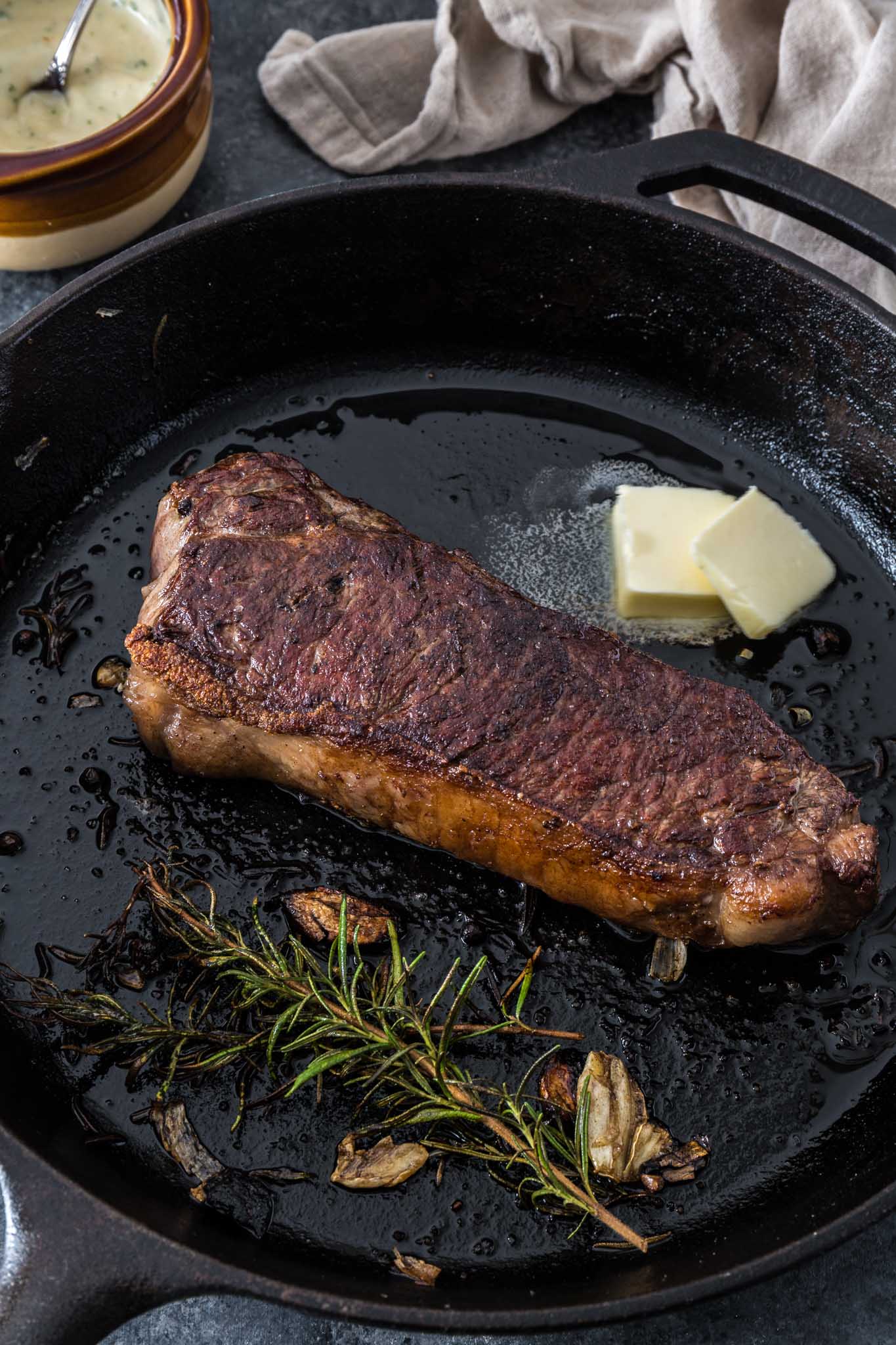
The foundation of any exceptional steak lies in its quality. A New York strip steak, also known as a strip loin or Kansas City strip, offers a beautiful balance of tenderness and robust beefy flavor, thanks to its moderate marbling and absence of the dense connective tissue found in some other cuts. Choosing the right steak is the first crucial step towards pan-frying success.
Understanding Cut and Quality
When selecting your New York strip, look for a thickness of at least 1 to 1.5 inches. Thicker cuts are more forgiving and allow for a better sear without overcooking the interior. The marbling – those fine white flecks of fat within the muscle – is key to flavor and moisture. Aim for evenly distributed marbling throughout the steak. The color should be a vibrant, cherry-red, indicating freshness. Avoid steaks with a dull or grayish hue.
Sourcing Your Steak
The source of your steak can significantly impact its quality. Visiting a reputable local butcher shop often provides the freshest, highest-grade cuts. Butchers can also offer insights into the origin of their beef, such as whether it’s grass-fed or grain-finished, each offering a slightly different flavor profile. For convenience, high-quality supermarkets also carry excellent New York strip steaks. For those seeking an exceptional experience, consider sourcing from farms known for their premium beef production, which often supply ingredients to top restaurants.
Mastering the Pan-Frying Technique
The magic of pan-frying lies in its ability to create a beautiful, deeply browned crust while simultaneously cooking the interior to your desired level of doneness. This technique requires precision and attention to detail, but the payoff is a steak that is both succulent and intensely flavorful.
Preparation is Key: Bringing Steak to Room Temperature and Seasoning
Before your steak even touches the pan, it needs proper preparation. Remove the steak from the refrigerator at least 30 to 60 minutes before cooking. This allows the steak to come to room temperature, ensuring more even cooking. A cold steak will cook unevenly, with the exterior potentially overcooking before the interior reaches the desired temperature.
Seasoning is another critical preparatory step. Generously season both sides of the steak with coarse sea salt and freshly ground black pepper just before cooking. Don’t be shy with the salt; it’s essential for drawing out moisture and creating that coveted crust. Some chefs advocate for seasoning even earlier, up to an hour or more in advance, allowing the salt to penetrate the meat. For a New York strip, a simple yet effective seasoning of salt and pepper is often all that’s needed to let the beef’s natural flavor shine.
The Searing Process: Achieving the Perfect Crust
The choice of pan and fat is paramount for achieving an optimal sear. A heavy-bottomed skillet, such as cast iron or stainless steel, is ideal. These pans retain heat exceptionally well, providing a consistent surface temperature for searing. For fat, a high smoke point oil like canola, grapeseed, or avocado oil is recommended. Olive oil can be used, but extra virgin olive oil has a lower smoke point and can burn at the high temperatures required for searing.
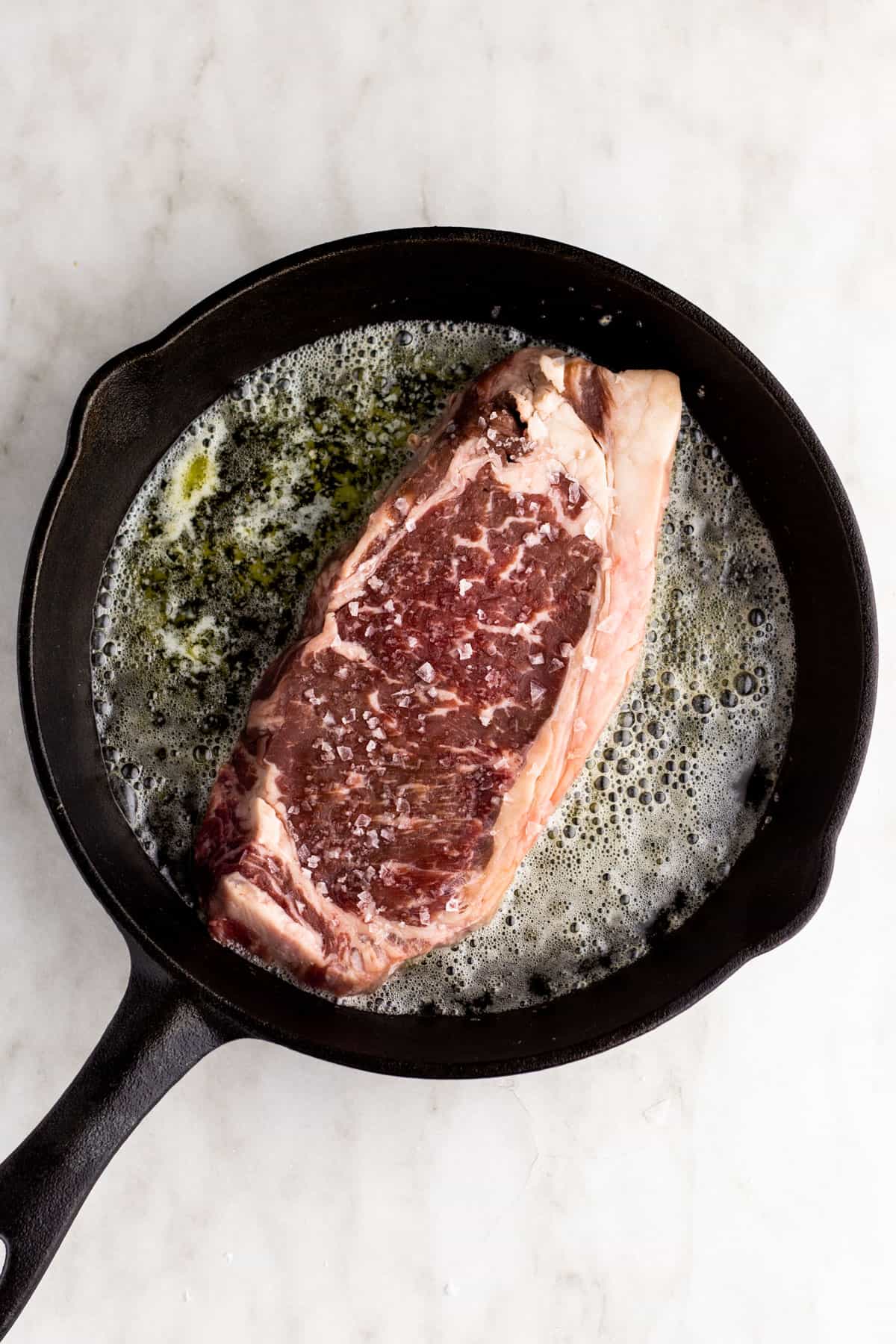
Heat your skillet over medium-high to high heat until it’s smoking slightly. Add your chosen oil, swirling to coat the bottom of the pan. Carefully place the seasoned steak into the hot pan. You should hear an immediate, satisfying sizzle. Resist the urge to move the steak for at least 2-3 minutes, allowing a deep brown crust to form. This is the Maillard reaction at work, the chemical process responsible for the complex flavors and aroma of seared meat.
The Basting Technique: Enhancing Flavor and Juiciness
Once the first side has developed a beautiful sear, flip the steak and sear the other side for a similar duration. Now, if you desire an even richer flavor and enhanced juiciness, it’s time for basting. Reduce the heat slightly to medium. Add a tablespoon or two of unsalted butter to the pan, along with aromatics like crushed garlic cloves and sprigs of fresh herbs such as rosemary or thyme.
As the butter melts, tilt the pan and use a spoon to continuously baste the steak with the melted butter and aromatics. Spoon the melted butter over the top of the steak, allowing the flavors to infuse into the meat. Continue basting for another 1-3 minutes, depending on the thickness of the steak and your desired doneness. This technique adds moisture, flavor, and a glossy finish to the steak.
Determining Doneness and Resting the Steak
The final stages of cooking are critical for ensuring your New York strip steak is cooked precisely to your liking and remains incredibly tender and juicy. Undercooking or overcooking can be equally disappointing, so paying attention to internal temperature and the resting period is essential.
Temperature Guidelines for Perfect Doneness
The most accurate way to determine steak doneness is by using an instant-read meat thermometer. Insert the thermometer into the thickest part of the steak, avoiding any bone or fat pockets. Here are the general temperature guidelines:
- Rare: 120-125°F (49-52°C) – Cool, red center
- Medium-Rare: 130-135°F (54-57°C) – Warm, red center
- Medium: 135-140°F (57-60°C) – Warm, pink center
- Medium-Well: 140-145°F (60-63°C) – Slightly pink center
- Well-Done: 150-155°F (66-68°C) – Little to no pink
Remember that the steak’s internal temperature will continue to rise by 5-10 degrees Fahrenheit as it rests, a phenomenon known as carryover cooking. Therefore, it’s best to remove the steak from the heat when it reaches about 5 degrees below your target temperature.
The Importance of Resting
Once your steak has reached its ideal internal temperature, remove it from the pan and place it on a clean cutting board or a warm plate. Tent it loosely with aluminum foil. Resting the steak for at least 5-10 minutes is a non-negotiable step. During cooking, the muscle fibers in the steak contract, forcing the juices towards the center. Resting allows these juices to redistribute throughout the meat. If you cut into the steak immediately after cooking, all those delicious juices will run out onto your plate, leaving you with a drier, less flavorful steak. This resting period is as crucial to the final texture and juiciness as the cooking itself.
Serving and Enjoying Your Pan-Fried Masterpiece
With your New York strip steak perfectly cooked and rested, it’s time to savor the fruits of your labor. The simplicity of a well-prepared steak often calls for equally unfussy accompaniments that enhance, rather than overpower, its inherent flavors.
The Art of Slicing
When slicing your rested steak, use a sharp carving knife. Slice against the grain of the meat. The grain refers to the direction of the muscle fibers. Identifying the grain and slicing perpendicular to it will result in more tender, easier-to-chew bites. If you’re serving multiple people, a medium-rare to medium doneness is often preferred for a New York strip, as it offers the best balance of tenderness and flavor.
Pairing Suggestions for a Complete Meal
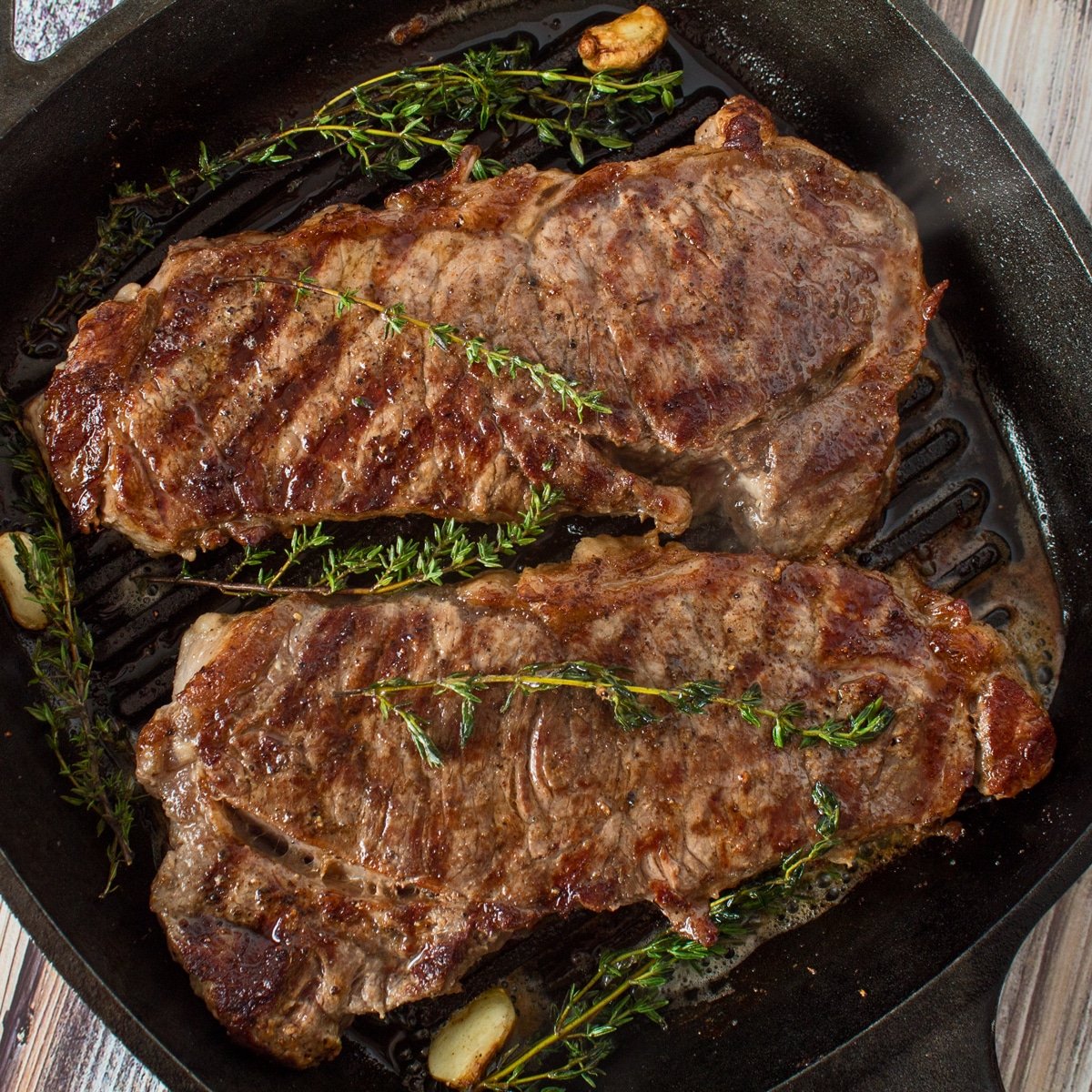
A pan-fried New York strip steak pairs beautifully with a variety of sides. Classic steakhouse accompaniments include creamy mashed potatoes, roasted asparagus, sautéed mushrooms, or a crisp wedge salad. For a more refined experience, consider a red wine reduction sauce, a dollop of compound butter, or a side of horseradish cream. A robust red wine, such as a Cabernet Sauvignon or a Merlot, complements the richness of the steak perfectly. Whether you’re enjoying this at home in your New York apartment or as part of a special meal during a visit to a culinary destination, the pan-fried New York strip steak is a timeless classic that never disappoints.
LifeOutOfTheBox is a participant in the Amazon Services LLC Associates Program, an affiliate advertising program designed to provide a means for sites to earn advertising fees by advertising and linking to Amazon.com. Amazon, the Amazon logo, AmazonSupply, and the AmazonSupply logo are trademarks of Amazon.com, Inc. or its affiliates. As an Amazon Associate we earn affiliate commissions from qualifying purchases.