
For the global traveler, the transition between transit and tranquility begins at the hotel front desk. Understanding the logistics of arrival and departure is essential for a seamless journey, whether you are checking into a luxury suite in London or a boutique villa in Bali. While it may seem like a minor administrative detail, hotel check-in and check-out times are the pillars of hospitality management, dictated by complex operational needs, housekeeping schedules, and guest expectations.
The Industry Standard: Understanding the 3:00 PM and 11:00 AM Rule
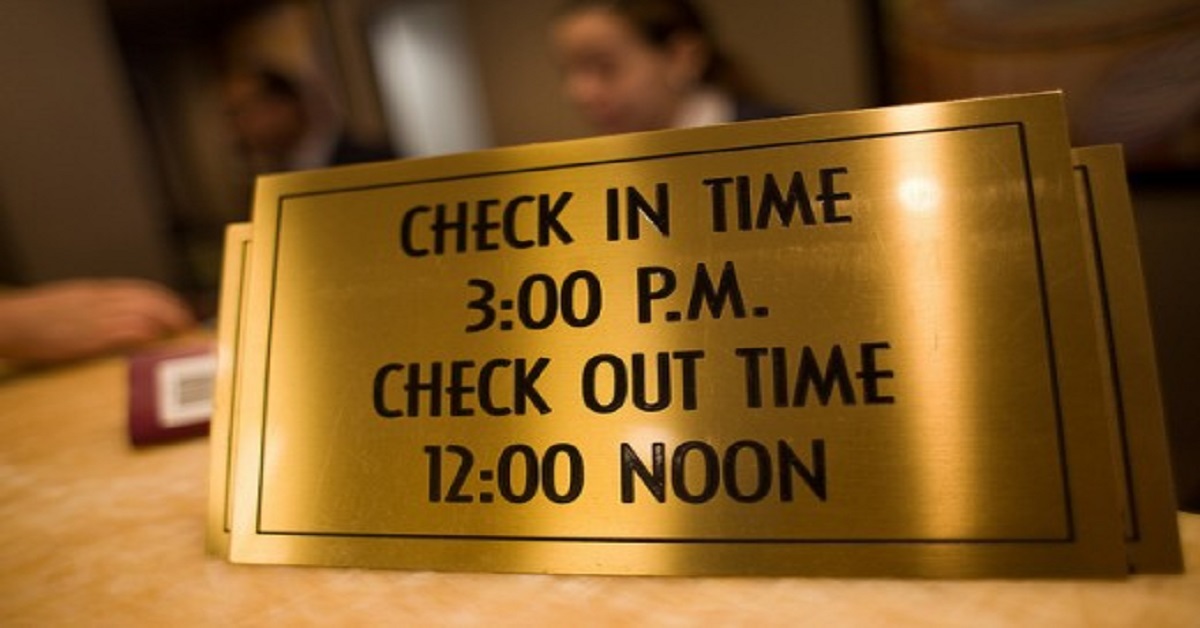
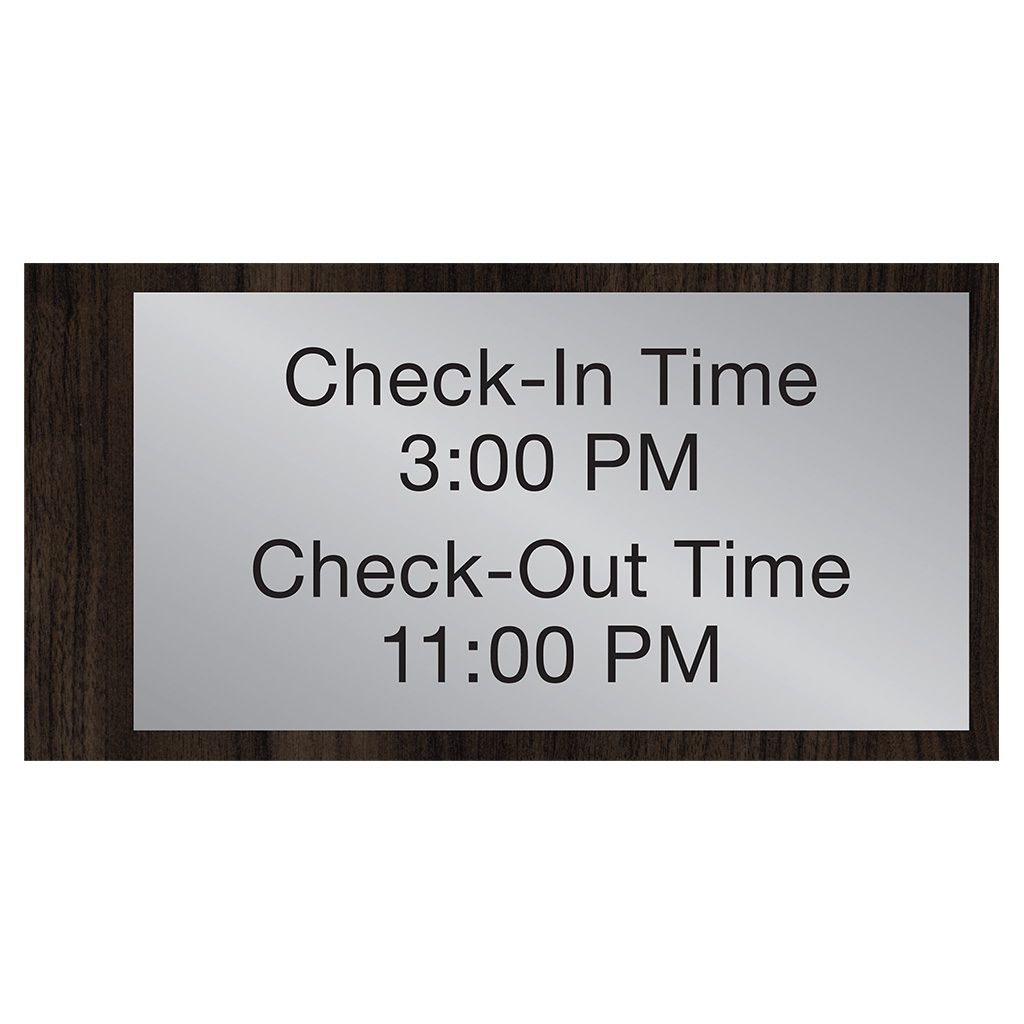
In the vast majority of international hotel chains, such as Marriott International or Hilton Worldwide, the industry standard for check-in is typically 3:00 PM, while check-out is set for 11:00 AM or 12:00 PM. This four-hour window is not arbitrary; it represents a critical operational period known as the “turnaround.”
The Logistical Challenge of Housekeeping
The primary reason for the gap between check-out and check-in is the intensive labor required to reset a room. For high-end establishments like The Ritz-Carlton or Four Seasons Hotels and Resorts, the cleaning process involves a meticulous multi-point inspection. Housekeeping staff must strip linens, sanitize surfaces, restock minibars, and ensure that every amenity—from the plush robes to the high-end toiletries—is perfectly presented.
In major urban hubs like New York City or Tokyo, hotels often operate at near-full capacity. This means that hundreds of rooms must be serviced simultaneously. If a guest overstays their check-out time in a busy market like Hong Kong, it creates a domino effect that delays the arrival of the next guest, potentially impacting the hotel’s satisfaction scores and operational flow.
Variations Across Brands and Regions
While 3:00 PM is the norm, variations exist based on the brand’s target demographic. Business-centric hotels in Frankfurt or Singapore might offer slightly earlier check-in times to accommodate travelers arriving on overnight flights. Conversely, luxury resorts in the Maldives or French Polynesia might have more flexible windows depending on the arrival of seaplanes or private transfers.
In Europe, particularly in historic cities like Paris or Rome, smaller boutique hotels may have stricter check-out times due to limited elevator access and smaller staff sizes, making the turnaround process slightly more time-consuming than in a modern skyscraper in Dubai.
Strategies for Managing Early Arrival and Late Departure
Travel schedules rarely align perfectly with hotel policies. A flight might land at Heathrow Airport at 6:00 AM, or a departure might not be scheduled until late evening from Los Angeles. Navigating these discrepancies requires a mix of strategy, loyalty, and communication.
The Role of Loyalty Programs and Elite Status
One of the most significant benefits of joining programs like Marriott Bonvoy, World of Hyatt, or IHG One Rewards is the flexibility regarding stay times. Elite members often receive “Guaranteed Late Check-Out,” which can extend their stay until 4:00 PM. This is particularly valuable for business travelers in Chicago or Sydney who need a quiet place to work before heading to the airport.
Furthermore, some ultra-luxury brands, such as The Peninsula Hotels, have pioneered programs like “Peninsula Time,” which allows for a 24-hour check-in and check-out. This means if you check in at 8:00 PM, you can keep your room until 8:00 PM on your day of departure, a game-changer for international travelers crossing multiple time zones.
Requesting a “Guaranteed” Late Check-Out
If you do not hold elite status, it is still possible to secure extra time. The best approach is to contact the front desk of the Hyatt Regency or Sheraton Hotels and Resorts the morning of your departure. If the hotel is not at full occupancy, they may grant a complimentary extension until 1:00 PM. For departures later than that, many hotels in Las Vegas or Miami will offer a half-day rate, allowing you to keep the room until 6:00 PM.
Luggage Storage and Facility Access
If your room is not ready or you have already checked out, almost every reputable hotel, from a Holiday Inn to the Waldorf Astoria, will offer secure luggage storage. This allows you to explore attractions like the Eiffel Tower in France or the Colosseum in Italy without being burdened by suitcases. Often, guests are also permitted to use the hotel’s common facilities, such as the fitness center, pool, or business lounge, even after their formal check-out time.
How Global Trends are Redefining Hotel Timing
The hospitality industry is undergoing a digital transformation that is slowly dismantling the traditional fixed check-in/out model. In an era of instant gratification, travelers visiting Spain or Mexico are looking for more control over their schedules.
Digital Check-In and Mobile Key Access
Major brands like Accor and Wyndham Hotels and Resorts have heavily invested in mobile technology. Through proprietary apps, guests can perform a digital check-in before they even arrive in Amsterdam or Bangkok. This technology allows the hotel to notify the guest the exact moment their room is ready.
Mobile keys allow guests to bypass the front desk entirely and head straight to their room. This efficiency reduces the morning and afternoon rush at the lobby, allowing the staff at a W Hotels property to focus on more personalized guest services rather than administrative paperwork.
The Rise of Flexible Stay Models
There is a growing trend toward “micro-stays” or “hotels by the hour,” particularly near major transit hubs like Changi Airport in Singapore. Platforms now allow travelers to book rooms for 3, 6, or 12-hour blocks. This is an ideal solution for a traveler in Germany who has a long layover and needs a shower and a nap but doesn’t require an overnight stay.
Additionally, lifestyle brands such as Standard Hotels and Ace Hotel often experiment with “choose your own” check-in times for a small fee, recognizing that the modern traveler’s life does not always fit into a 3:00 PM box.
Regional Differences and Cultural Nuances in Hotel Timing
While globalization has standardized many aspects of the hotel industry, regional culture still plays a significant role in how check-in and check-out are handled.
High-Efficiency Cultures vs. Relaxed Resort Timing
In Japan, punctuality is a hallmark of the service industry. Checking into a hotel in Kyoto usually happens exactly at the stated time, and check-outs are handled with incredible speed and precision. In contrast, at a luxury resort in Greece or the Caribbean, the atmosphere is often more relaxed. While the official times remain on paper, the staff may be more flexible if the guest is lingering over a final breakfast overlooking the Mediterranean Sea.
The Influence of Local Infrastructure
In some parts of South America or Africa, check-in times may be influenced by the arrival of local transport. In Peru, hotels near Machu Picchu often align their schedules with the train arrivals from Cusco. Understanding these local rhythms can help travelers manage their expectations and plan their days more effectively.
Final Thoughts for the Modern Traveler
Navigating hotel check-in and check-out times is an art that combines preparation with a bit of social engineering. Whether you are staying at a Fairmont Hotels and Resorts property in Canada or a budget-friendly Ibis in Vietnam, the rules are generally designed to ensure that every guest enters a clean and welcoming environment.
To make the most of your stay, always communicate your arrival time in advance. A simple email to a hotel in Prague or Seoul stating that you will be arriving early can often result in your room being prioritized for cleaning. Furthermore, understanding the nuances of loyalty programs and the capabilities of modern hotel apps can provide the flexibility needed to turn a standard hotel stay into a truly personalized experience.
In the end, the time on the clock is merely a guideline. In the world of hospitality, the ultimate goal is guest comfort, and most hotels will go to great lengths to accommodate the unique schedules of their visitors, ensuring that their journey through North America, Asia, or beyond is as comfortable as possible.
LifeOutOfTheBox is a participant in the Amazon Services LLC Associates Program, an affiliate advertising program designed to provide a means for sites to earn advertising fees by advertising and linking to Amazon.com. Amazon, the Amazon logo, AmazonSupply, and the AmazonSupply logo are trademarks of Amazon.com, Inc. or its affiliates. As an Amazon Associate we earn affiliate commissions from qualifying purchases.