
Navigating the complexities of tax obligations can be a daunting task, especially when dealing with state-specific requirements. For residents and businesses operating within the Empire State, understanding and fulfilling New York State tax obligations efficiently is paramount. Fortunately, the New York State Department of Taxation and Finance has made significant strides in modernizing its systems, offering convenient online payment options. This guide delves into the seamless process of paying your New York State taxes online, empowering you with the knowledge to manage your financial responsibilities with ease and confidence.
Paying taxes online is not merely about convenience; it’s about accuracy, security, and timeliness. The digital platforms provided by the New York State Department of Taxation and Finance are designed to streamline the payment process, reduce the potential for errors, and offer robust security measures to protect your sensitive financial information. Whether you are an individual taxpayer filing your personal income tax return, a small business owner managing your sales tax, or a larger corporation handling various state tax liabilities, the online portal offers a comprehensive solution.
Understanding Your New York State Tax Obligations
Before delving into the mechanics of online payment, it’s crucial to have a clear understanding of what New York State taxes you might be liable for. The state levies a variety of taxes, each with its own filing requirements and payment deadlines. Familiarizing yourself with these will ensure you are making payments to the correct tax categories and avoiding any penalties or interest.
Key New York State Taxes
New York State’s tax landscape encompasses several major categories that individuals and businesses commonly encounter. Understanding these distinctions is the first step toward efficient tax management.
Personal Income Tax
This is perhaps the most widely known state tax. New York State residents and those who earn income within the state are subject to income tax. This applies to wages, salaries, tips, investment income, and other forms of earnings. The tax is progressive, meaning higher earners pay a larger percentage of their income in taxes. Filing typically occurs annually, with estimated tax payments often required quarterly for individuals with significant income not subject to withholding.
Sales and Use Tax
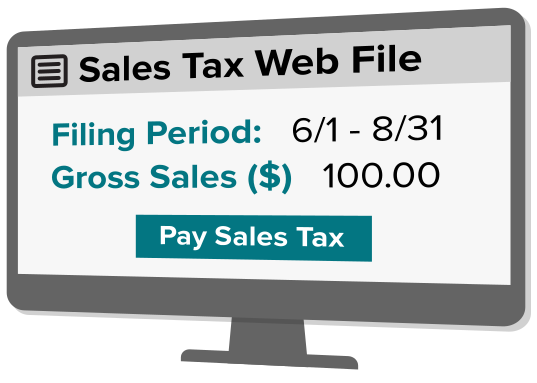
Businesses that sell tangible personal property or taxable services within New York are generally required to collect and remit New York State sales tax. This tax is ultimately paid by the consumer but is collected by the vendor. If a business purchases taxable items or services for use in New York and does not pay sales tax at the point of purchase, it is responsible for paying the corresponding use tax. Sales tax is typically remitted monthly, quarterly, or annually, depending on the business’s sales volume.
Corporation and Business Taxes
Businesses operating in New York are subject to various corporate taxes, including the corporate franchise tax, metropolitan transportation business tax, and others, depending on the business structure and activities. These taxes are critical for the state’s revenue and support public services. Filing and payment schedules vary significantly based on the type of business and its tax liabilities.
Other Taxes
Beyond these primary categories, New York State also imposes taxes such as real property transfer tax, estate tax, excise taxes (on fuel, tobacco, alcohol), and others. The specific taxes applicable to you will depend on your individual circumstances, residency, and business operations.
The New York State Department of Taxation and Finance Online Portal
The New York State Department of Taxation and Finance (NYS DTF) provides a robust online platform, the New York State Taxpayer Interface, as the primary gateway for managing tax obligations, including payments. This portal is designed to be user-friendly, secure, and accessible, offering a centralized hub for all your tax-related activities.
Creating and Accessing Your Account
To leverage the full capabilities of the online portal, you will typically need to create an account. This process involves verifying your identity and establishing secure login credentials. The NYS DTF employs multi-factor authentication to ensure that only authorized individuals can access sensitive tax information.
Registration Process
The registration process will require you to provide specific identifying information, such as your New York State Taxpayer Identification Number (NY IT-100, for example, is a common reference for certain filings, but the core ID is usually associated with your Social Security Number or Federal Employer Identification Number), Social Security Number (SSN), or Federal Employer Identification Number (FEIN), depending on whether you are an individual or a business. You will also be asked to create a username and password. It is crucial to choose strong, unique credentials and keep them confidential.
Navigating the Taxpayer Interface
Once logged in, you will find a dashboard that provides an overview of your tax accounts. From here, you can access various functionalities, including making payments, viewing past transactions, submitting tax forms, and managing your profile. The interface is generally organized logically, with clear navigation menus that guide you through different sections.
Payment Options Available Online
The NYS DTF offers a variety of secure and convenient electronic payment methods through its online portal, catering to diverse taxpayer needs. Choosing the right method ensures your payment is processed accurately and on time.
Electronic Funds Withdrawal (EFW)
EFW is a popular and convenient method for making tax payments directly from your bank account. When you authorize an EFW payment, you provide your bank account and routing numbers, and the NYS DTF debits the specified amount from your account on a date you choose. This method is often integrated with tax preparation software, allowing for a seamless payment process during the filing of your tax return.
Direct Debit
Similar to EFW, direct debit allows you to authorize the New York State Department of Taxation and Finance to withdraw funds directly from your bank account. This option is often used for estimated tax payments or installment agreements. You will need to provide your bank account details and authorize the payment amount and date.
Credit Card and Debit Card Payments
For taxpayers who prefer to use credit or debit cards, the NYS DTF partners with authorized third-party payment processors. These processors accept major credit cards like Visa, Mastercard, Discover, and American Express, as well as debit cards. While convenient, it’s important to note that these third-party processors may charge a convenience fee for processing your payment. The portal will provide links to these authorized processors.
Electronic Funds Transfer (EFT)
EFT is a broader term encompassing electronic movement of funds. For business taxpayers, EFT is often used for remitting sales tax, withholding tax, and other business-related taxes. This can be done through various methods, including ACH (Automated Clearing House) debits or credits, which are securely processed through the banking system. Businesses might integrate their accounting software with EFT systems for automated payments.
The Step-by-Step Process for Paying New York State Taxes Online
Making a tax payment online through the New York State Taxpayer Interface is a straightforward process designed for efficiency and security. By following these steps, you can ensure your payment is made correctly and without hassle.
Initiating a Payment
Once logged into your account, navigate to the payment section of the portal. You will likely see options to make a payment for different tax types or specific tax periods.
Selecting the Tax Type and Period
The first step is to accurately select the type of tax you are paying (e.g., Personal Income Tax, Sales Tax, Corporate Franchise Tax) and the relevant tax period (e.g., Quarter 1 2024, Tax Year 2023). Making an error here can lead to your payment being misapplied, potentially incurring penalties. Double-check that you are selecting the correct tax and period before proceeding.
Entering Payment Details
After selecting the tax type and period, you will be prompted to enter the payment amount. Be precise and ensure this amount matches the liability you intend to pay. You will then choose your preferred payment method from the available options (EFW, direct debit, credit/debit card via processor, or EFT for businesses).
Confirming Your Payment and Receiving Confirmation
Accuracy and confirmation are critical at this stage. Thoroughly review all the information you have entered before submitting your payment.
Reviewing and Authorizing the Transaction
Before the payment is finalized, the system will present you with a summary of your payment details, including the tax type, period, amount, payment method, and your bank account information or card details. Take a moment to carefully review every detail to ensure everything is correct. Once satisfied, you will authorize the transaction.
Obtaining a Confirmation Number
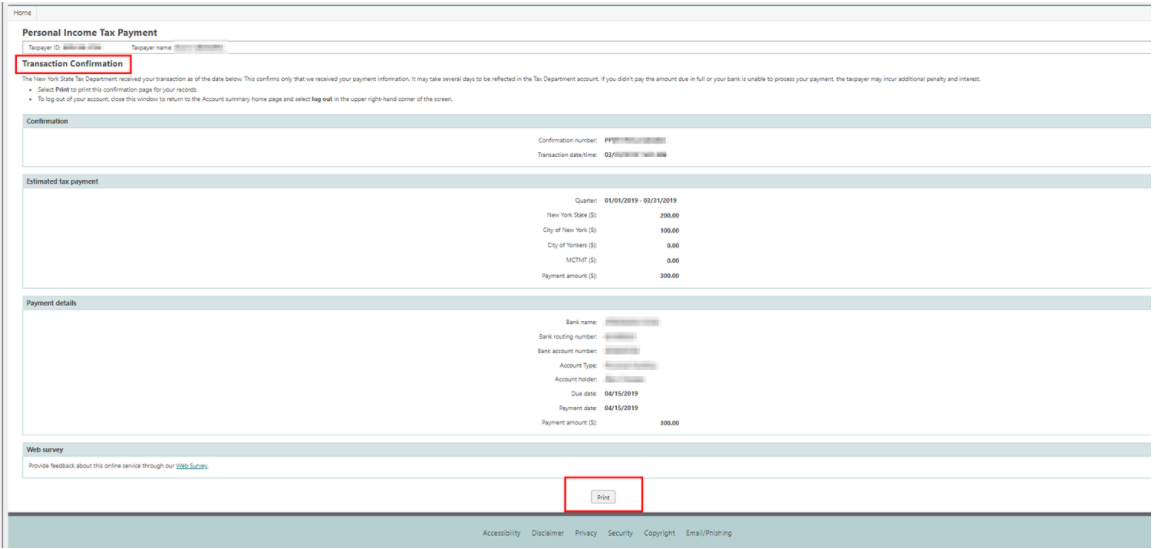
Upon successful processing of your payment, you will receive a confirmation number. This number is your proof of payment and is essential for your records. It is highly recommended to print or save a copy of this confirmation page, or at least the confirmation number, for your documentation. This confirmation number can be invaluable if any discrepancies arise in the future.
Tips for a Smooth Online Tax Payment Experience
While the online portal is designed for ease of use, a few proactive steps can further enhance your experience and ensure accuracy and compliance. Being prepared and informed is key to avoiding common pitfalls.
Maintaining Accurate Records
Keeping meticulous records is fundamental to good tax management. This applies equally to online payments.
Documenting Payment Information
Ensure you maintain clear and organized records of all your tax payments, including the date of payment, the amount paid, the tax type and period, the confirmation number, and the method of payment used. This documentation is crucial for your own financial tracking, for audits, or if you need to reference past transactions. Digital records, such as saved confirmation pages and bank statements showing the debited amounts, are essential.
Keeping Tax Forms and Returns
Store copies of your filed tax forms and returns alongside your payment records. This provides a complete picture of your tax obligations and how they were met. For businesses, this includes sales tax returns, withholding tax forms, and corporate tax filings.
Understanding Payment Deadlines and Potential Penalties
Timeliness is a critical factor in tax compliance. Missing deadlines can result in significant financial penalties.
Key New York State Tax Deadlines
Familiarize yourself with the specific deadlines for each type of tax you are responsible for. For personal income tax, this is typically April 15th for the annual return, with estimated tax payments due quarterly. Sales tax returns are often due monthly or quarterly, depending on your filing status. Corporate tax deadlines are also specific to the tax year and business type. The NYS DTF website provides a comprehensive calendar of tax deadlines.
Consequences of Late Payments and Underpayments
New York State imposes penalties and interest on late payments and underpayments. Penalties are typically a percentage of the unpaid tax, and interest accrues on the unpaid tax amount and any penalties. Understanding these consequences underscores the importance of making timely online payments. In some cases, taxpayers may qualify for penalty abatement if they can demonstrate reasonable cause.
By embracing the convenience and efficiency of online tax payments, New York State taxpayers can transform a potentially stressful obligation into a manageable part of their financial routine. The New York State Department of Taxation and Finance’s online portal offers a secure and reliable avenue to meet your tax responsibilities, ensuring you stay compliant and can focus on what matters most – whether it’s enjoying the vibrant culture of New York City, exploring the natural beauty of the Adirondack Mountains, or running your business.
LifeOutOfTheBox is a participant in the Amazon Services LLC Associates Program, an affiliate advertising program designed to provide a means for sites to earn advertising fees by advertising and linking to Amazon.com. Amazon, the Amazon logo, AmazonSupply, and the AmazonSupply logo are trademarks of Amazon.com, Inc. or its affiliates. As an Amazon Associate we earn affiliate commissions from qualifying purchases.