
The allure of a perfectly cooked New York strip roast is undeniable. It’s a centerpiece dish that speaks of comfort, celebration, and a touch of elegance, whether gracing a holiday table in New York City or a casual Sunday dinner. While often associated with steakhouse sophistication, preparing a magnificent strip roast at home is an achievable and incredibly rewarding culinary endeavor. This guide will walk you through the essential steps, from selecting the finest cut to achieving that coveted tender, juicy interior and beautifully caramelized crust. Our focus today is entirely on the culinary experience, the art of transforming a prime cut of beef into an unforgettable meal, a cornerstone of local culinary traditions and a highlight of any food-focused travel experience.
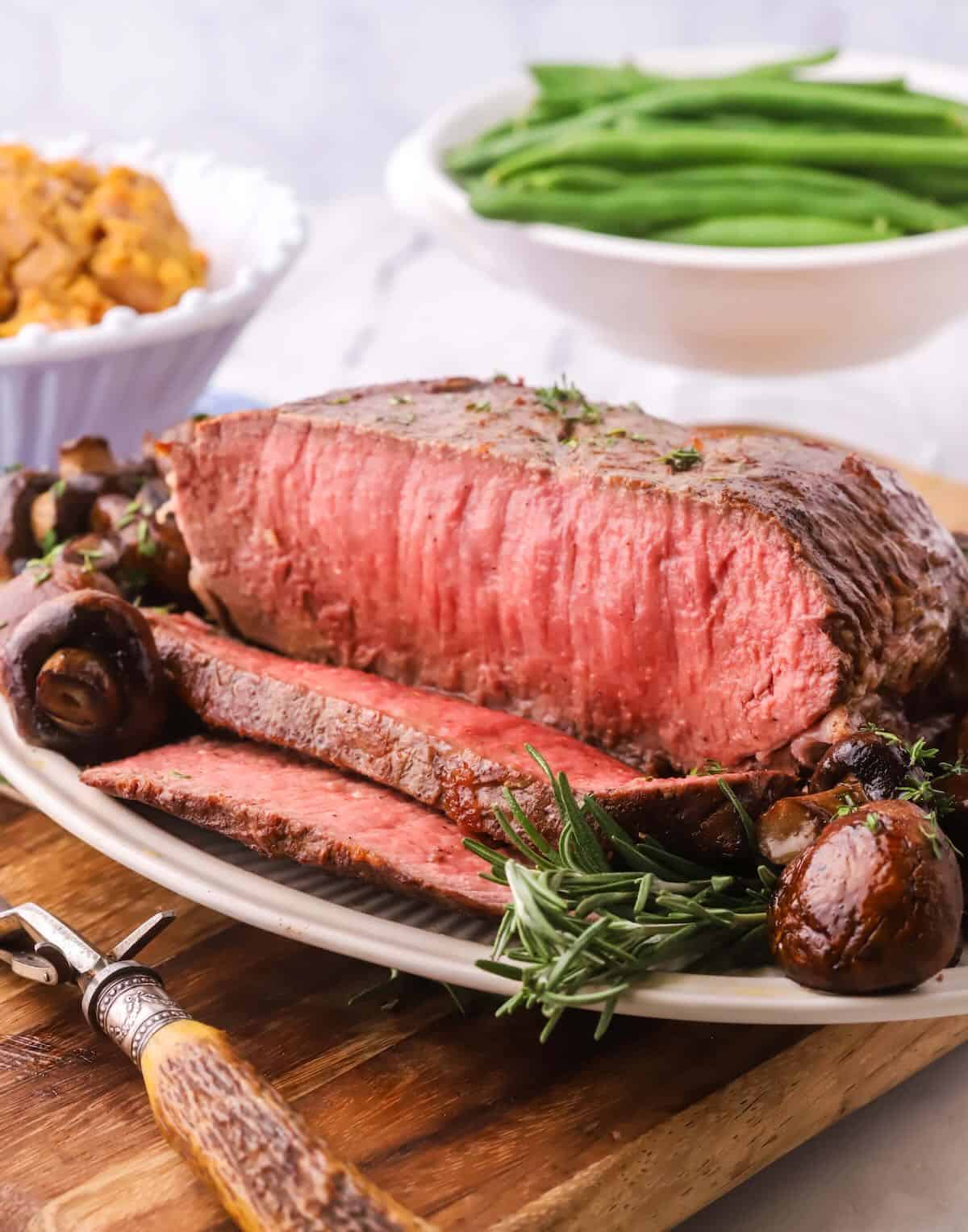
Selecting Your New York Strip Roast: The Foundation of Flavor
The journey to a spectacular strip roast begins with its very essence: the cut of meat. This isn’t merely about picking a roast; it’s about understanding the nuances that elevate it from good to extraordinary. The New York strip, also known as the Kansas City strip or top loin, is celebrated for its balance of tenderness and robust beefy flavor, with a distinct strip of fat running along the edge that renders beautifully during cooking, imparting succulence and taste.
Understanding the Cut and Grading
When sourcing your New York strip roast, look for a piece that is well-marbled. Marbling refers to the intramuscular flecks of fat that melt during cooking, basting the meat from within and contributing significantly to its tenderness and flavor. The USDA grading system provides a reliable indicator of quality. Prime is the highest grade, indicating abundant marbling. Choice is also excellent, with good marbling. Select grade has less marbling and can be leaner, requiring more attention to avoid drying out. For the most decadent experience, aim for Prime or Choice.
Size and Shape Considerations
The size of your roast will, of course, depend on the number of people you are serving. A general guideline is to allow about half a pound of raw meat per person. Observe the shape of the roast. A uniformly rectangular roast will cook more evenly than one with irregular thickness. Look for a roast with a good “cap” of fat on one side – this is the fat strip characteristic of the New York strip. This fat cap will protect the meat from overcooking and will render down, adding incredible flavor.
The Role of Aging
Dry-aged or wet-aged beef offers a more concentrated flavor and increased tenderness. Dry-aging involves controlled conditions for weeks, allowing enzymes to break down muscle tissue and moisture to evaporate. Wet-aging occurs in vacuum-sealed bags, with natural enzymes still at work. While both methods enhance the beef, dry-aged is generally considered to offer a more intense, complex flavor. If available, consider a dry-aged New York strip roast for an unparalleled culinary experience.
Mastering the Preparation: From Fridge to Sear
Once you’ve selected the perfect New York strip roast, meticulous preparation is key to unlocking its full potential. This stage involves bringing the meat to the optimal temperature, seasoning it generously, and creating the foundation for a flavorful exterior.
Bringing the Roast to Room Temperature
This is a critical, often overlooked step. A roast that is cold from the refrigerator will cook unevenly. The exterior will overcook before the interior reaches the desired temperature. Remove the roast from its packaging at least one to two hours before cooking (depending on its size). Place it on a wire rack set inside a baking sheet. This allows air to circulate and for the meat to gradually equalize in temperature, ensuring more even cooking from edge to center.
The Art of Seasoning: Simplicity and Impact
The inherent quality of a New York strip roast means it doesn’t require an abundance of complex marinades. The goal is to enhance, not mask, its natural flavor. A generous application of kosher salt and freshly cracked black pepper is paramount.
- Kosher Salt: Its larger flakes adhere well to the meat and provide a more even seasoning. Season the entire surface of the roast liberally. Don’t be shy; a good portion of the salt will fall off during cooking.
- Black Pepper: Freshly ground pepper offers a more pungent and aromatic flavor than pre-ground varieties.
- Optional Enhancements: For a touch of aromatics, you can rub the roast with minced garlic, fresh rosemary, or thyme. Be mindful not to overdo these; the beef should remain the star. Some chefs also advocate for a light brushing of olive oil before seasoning, which can help the salt and pepper adhere and contribute to a better sear.
Tying the Roast: For Even Cooking
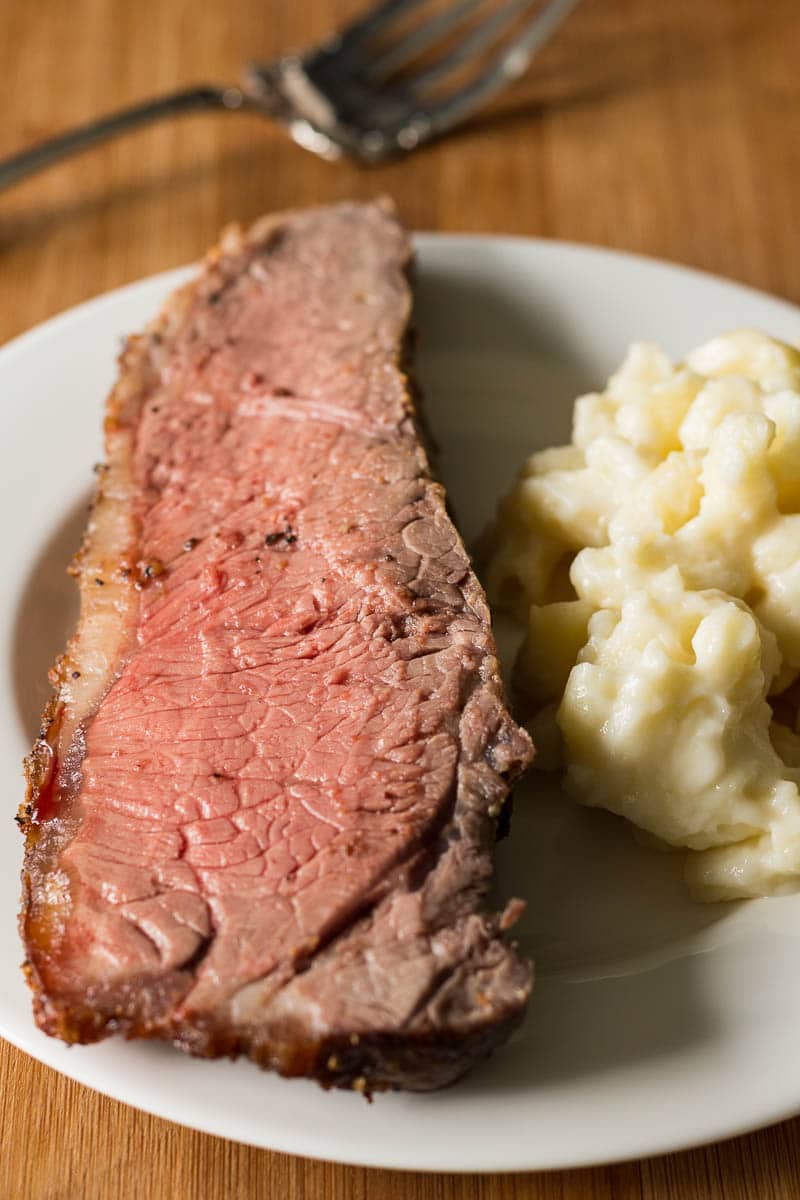
For larger roasts, especially if the shape is somewhat irregular, tying it with butcher’s twine can be beneficial. This process, known as “trussing,” helps the roast maintain a uniform shape during cooking, promoting even heat distribution and preventing the thinner parts from drying out before the thicker parts are cooked. Secure the twine at intervals of about two inches along the length of the roast.
The Cooking Process: Achieving Perfection
The cooking method for a New York strip roast is crucial for developing that exquisite contrast between a deeply browned, flavorful crust and a tender, rosy interior. This typically involves a high-heat sear followed by a gentler roasting period.
The High-Heat Sear: Building the Crust
Starting with a hot pan or oven is essential for creating the Maillard reaction – the complex chemical process that gives browned food its distinctive flavor and aroma.
- Pan-Searing: If you have an oven-safe skillet large enough to accommodate your roast, you can achieve a fantastic sear on the stovetop. Heat a tablespoon or two of a high-smoke-point oil (like canola, grapeseed, or avocado oil) in the skillet over medium-high heat until it shimmers. Carefully place the seasoned roast in the hot pan and sear each side for 2–3 minutes, until a deep brown crust forms. For a roast, you’ll typically sear all sides, including the ends.
- Oven-Roasting with a Sear: Alternatively, you can sear the roast in a very hot oven (around 450-475°F / 230-245°C) for 15-20 minutes before reducing the temperature for the remainder of the cooking time. This method is excellent for larger roasts or if you prefer to minimize stovetop splatter.
Roasting to the Perfect Temperature
After searing, the roast moves to a lower oven temperature to cook through gently and evenly.
- Oven Temperature: Reduce the oven temperature to 325-350°F (160-175°C) after the initial sear.
- Internal Temperature is Key: The most reliable way to achieve your desired doneness is by using an instant-read meat thermometer. Insert the thermometer into the thickest part of the roast, avoiding any bone.
- Rare: 120-125°F (49-52°C)
- Medium-Rare: 130-135°F (54-57°C) – Highly Recommended for New York Strip Roast
- Medium: 140-145°F (60-63°C)
- Medium-Well: 150-155°F (66-68°C)
- Well-Done: 160°F+ (71°C+) – Not recommended for this cut, as it can become dry.
- Carryover Cooking: Remember that the internal temperature will continue to rise by 5-10°F (3-5°C) after you remove the roast from the oven, so pull it out when it’s a few degrees below your target.
The Crucial Resting Period
This is arguably the most vital step in ensuring a moist and tender roast. Once the roast reaches its target internal temperature, remove it from the oven and tent it loosely with aluminum foil. Allow it to rest for at least 15-20 minutes for smaller roasts, and up to 30 minutes for larger ones. During this resting period, the muscle fibers relax, and the juices redistribute throughout the meat. If you cut into the roast immediately, all those delicious juices will run out onto the cutting board, leaving you with a dry steak.
Carving and Serving: The Grand Finale
The moment of truth arrives when you present your perfectly cooked New York strip roast. Proper carving ensures that each slice is as magnificent as the last.
The Carving Technique
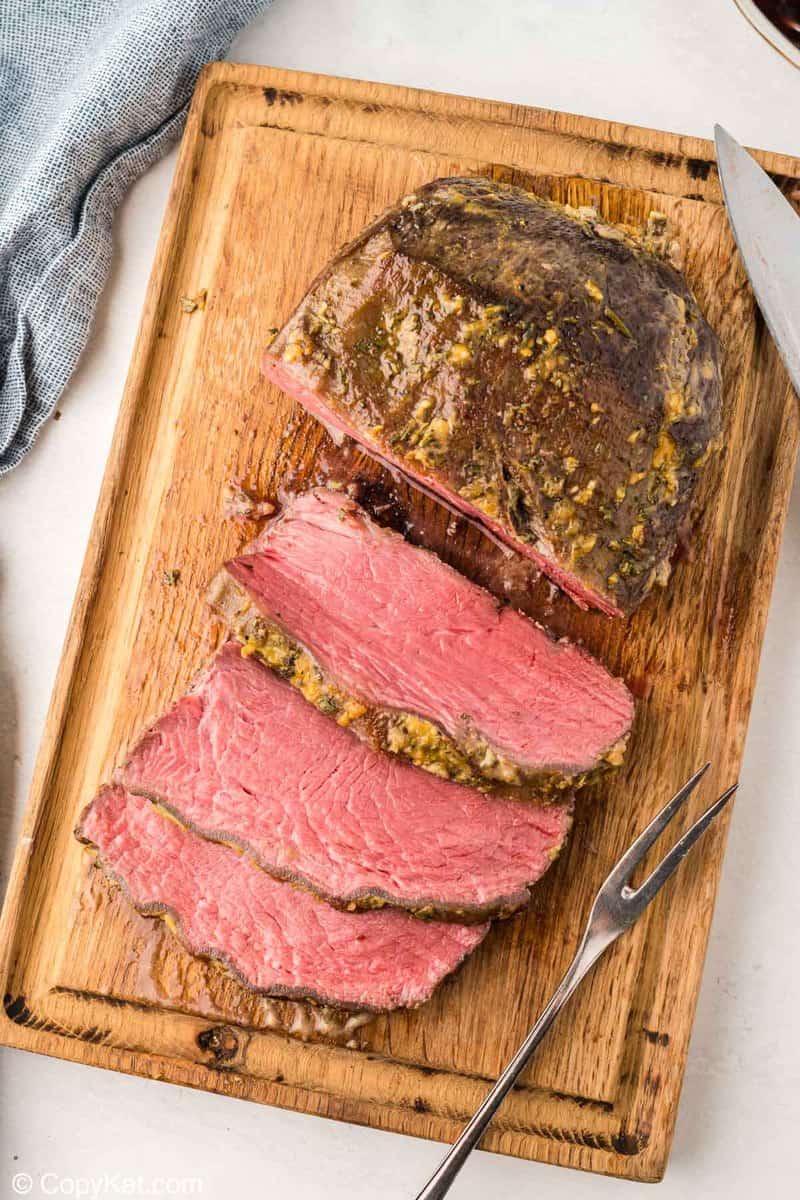
Using a sharp carving knife, slice the roast against the grain. The grain refers to the direction in which the muscle fibers are running. Identifying the grain and slicing perpendicular to it breaks down the muscle fibers, making the meat more tender and easier to chew. Remove any butcher’s twine before carving.
Accompaniments and Presentation
A New York strip roast is a versatile dish that pairs beautifully with a wide array of accompaniments. Classic choices include:
- Sauces: A red wine reduction, a peppercorn sauce, or a simple pan sauce made with the roast’s drippings can elevate the flavor.
- Vegetables: Roasted root vegetables like potatoes, carrots, and parsnips, or a vibrant green vegetable such as asparagus or broccoli, provide balance.
- Starches: Creamy mashed potatoes or a classic Yorkshire pudding are comforting and delicious partners.
When presenting your roast, arrange the slices attractively on a warm platter. You can spoon some of the pan juices over the sliced meat or serve a sauce on the side. The deep brown crust, the rosy pink interior, and the glistening juices are a testament to your culinary skill and a feast for the eyes before it is for the palate. Enjoy this magnificent cut, a true highlight of any discerning palate’s culinary adventures.
LifeOutOfTheBox is a participant in the Amazon Services LLC Associates Program, an affiliate advertising program designed to provide a means for sites to earn advertising fees by advertising and linking to Amazon.com. Amazon, the Amazon logo, AmazonSupply, and the AmazonSupply logo are trademarks of Amazon.com, Inc. or its affiliates. As an Amazon Associate we earn affiliate commissions from qualifying purchases.