
Navigating the labyrinthine streets of New York City can seem daunting to the uninitiated, but at its heart lies a vibrant, efficient, and undeniably iconic mode of transportation: the subway. For visitors and even some locals, understanding the intricacies of this vast underground network is the key to unlocking the city’s full potential. The New York City Subway system, operated by the Metropolitan Transportation Authority (MTA), is not just a way to get from point A to point B; it’s an essential part of the urban experience, a symphony of rumbling trains, diverse passengers, and ever-present energy. Mastering its use will empower you to explore every corner of the Big Apple, from the bustling avenues of Manhattan to the historic neighborhoods of Brooklyn, the vibrant streets of Queens, and beyond.
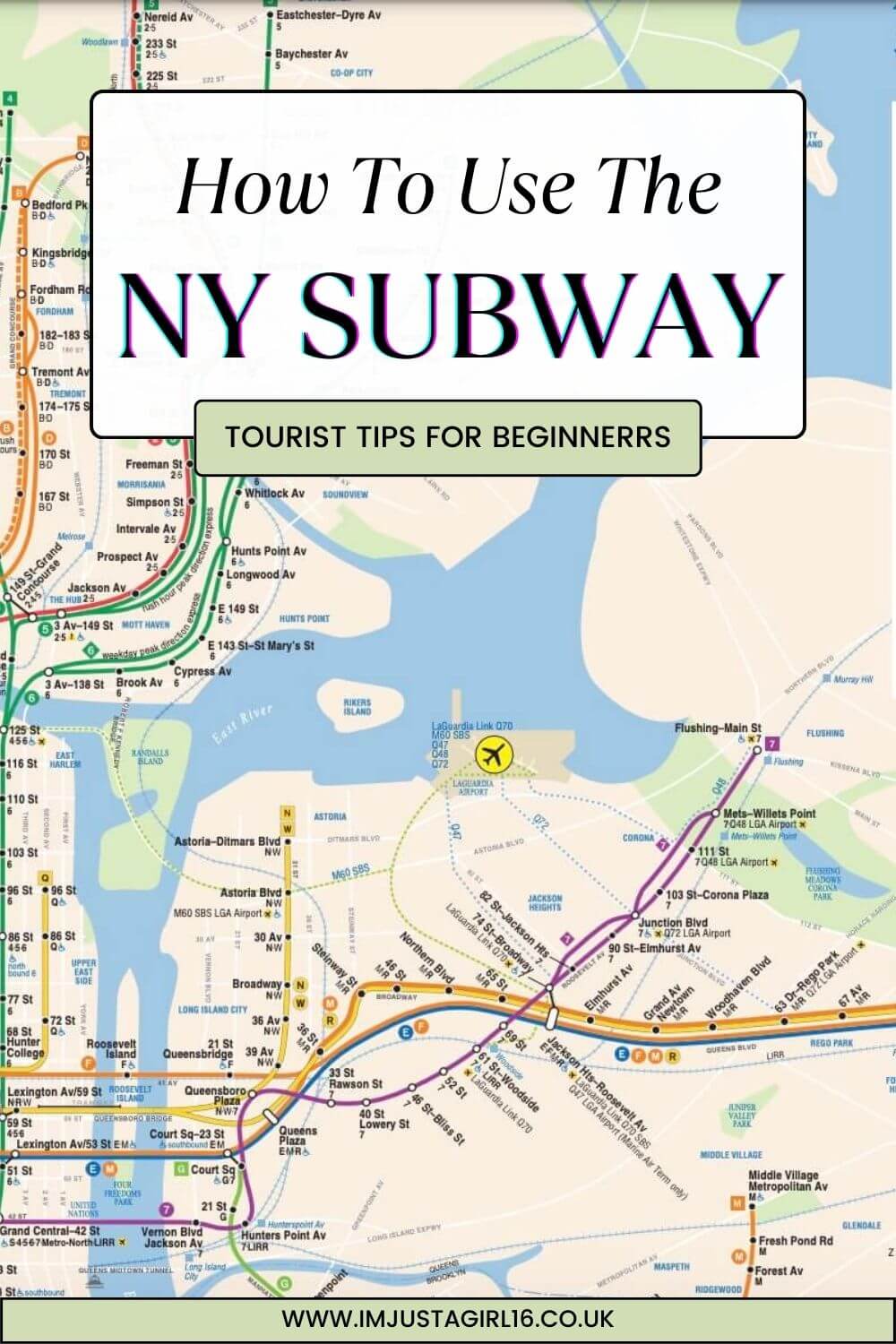
Understanding the Subway System
The New York City Subway is one of the world’s largest rapid transit systems, stretching across five boroughs. Its sheer scale can be intimidating, but with a little knowledge, you’ll be navigating it like a seasoned New Yorker in no time. The system operates 24 hours a day, 7 days a week, making it an indispensable tool for early risers and night owls alike. Understanding the basic structure and terminology is the first step to seamless travel.
Navigating the Grid: Lines, Colors, and Numbers
The subway system is organized into distinct lines, each identified by a letter or a number, and often associated with a color. These colors are crucial for understanding the routes, especially when looking at a subway map. For instance, the Lexington Avenue Line is represented by the 4, 5, and 6 trains, all typically depicted in green on maps. The Broadway Line includes the 1, 2, and 3 trains (red), while the 8th Avenue Line features the A, C, and E trains (blue).
It’s important to note that a single line color may represent multiple train routes. For example, the yellow line signifies the Broadway–7th Avenue Line (N, Q, R, W trains) and the Seventh Avenue–Broadway Line (B, D trains). Always pay attention to the specific letter or number of the train you need to catch. You’ll find these designations displayed prominently on the front and side of the trains, as well as on station signage.
Express vs. Local Trains: The Crucial Distinction
Within many lines, there are both express and local trains. This distinction is vital for efficient travel. Express trains skip many stops, making them significantly faster for longer journeys. Local trains, on the other hand, stop at every station along their route. You can usually identify express tracks by their position in the station – they are often the inner tracks, while local tracks are on the outer sides. Station signage will clearly indicate whether a train is express or local, and the corresponding stops it makes. Always double-check which type of train you are boarding to avoid missing your intended stop.
Planning Your Journey and Paying Your Fare
Effective planning and understanding fare payment are essential for a smooth subway experience. Gone are the days of paper tickets; the New York City Subway has embraced modern payment methods.
Getting a MetroCard or OMNY
Historically, the MetroCard has been the primary method of payment. You can purchase these from vending machines located in most subway stations. These machines accept cash and credit/debit cards. You can load a set amount of money onto the card (Pay-Per-Ride) or opt for an unlimited ride option, which is ideal if you plan on using the subway frequently within a set period (e.g., 7-day or 30-day unlimited).
More recently, the MTA has introduced OMNY (One Metro New York), a contactless payment system. You can tap your contactless credit or debit card, smartphone, or wearable device directly at the turnstile. OMNY offers a fare capping system, meaning that after you reach a certain spending threshold within a week, additional rides become free, effectively giving you the benefit of an unlimited pass without needing to purchase one upfront. For most visitors, OMNY is the most convenient option as it eliminates the need to buy and manage a physical card.
Using Navigation Apps and Station Maps
Before heading to the subway, it’s highly recommended to utilize navigation apps. Apps like Google Maps, Apple Maps, Citymapper, and the official MTA app provide real-time train information, journey planning, and service alerts. They can help you determine the best route, estimate travel times, and inform you of any delays or changes.
Once you arrive at a station, look for the subway maps prominently displayed. These maps, often color-coded, will show you the different train lines, their stops, and transfer points. Pay attention to the station names and the direction of travel. Most platforms will have signs indicating the direction of the train (e.g., “Uptown & The Bronx” or “Downtown & Brooklyn”).

Riding the Subway: Etiquette and Safety
Riding the subway is an integral part of the New York City experience. While generally safe and efficient, understanding basic etiquette and safety practices will enhance your journey and contribute to a positive environment for everyone.
Station Navigation and Boarding
Upon entering a station, follow the signs to the platform for your desired train line and direction. Before swiping your MetroCard or tapping your OMNY device, ensure you are on the correct side of the turnstile. Once on the platform, stand behind the yellow safety line. Wait for passengers to exit the train completely before attempting to board. It’s common courtesy to let people off before you get on.
Subway Etiquette: A Few Key Principles
- “Stand clear of the closing doors, please.”: This announcement is your cue to be mindful of the doors. Do not try to force them open or hold them.
- Offer your seat: If you are seated and see an elderly person, pregnant individual, or someone with a disability, offer them your seat.
- Keep your belongings with you: Do not leave bags or luggage unattended.
- Keep the volume down: While lively conversations are part of the city’s fabric, try to keep your voice at a reasonable level and use headphones for any audio.
- Move to the center of the car: If the train is crowded, try to move into the car to make space for others boarding at subsequent stops.
- Be aware of your surroundings: While the subway is generally safe, it’s always wise to be aware of your personal belongings and the people around you.
Safety Tips for Subway Riders
The MTA takes safety seriously, but as with any public transportation system in a major city, it’s good to be prepared.
- Stay alert: Be aware of your surroundings, especially during off-peak hours.
- Keep valuables secure: Store your phone, wallet, and other valuables in a secure place, preferably in front pockets or a bag worn across your body.
- Use well-lit areas: If you are waiting on a platform late at night, try to stand in areas with other people and good lighting.
- Report suspicious activity: If you see something that makes you feel uncomfortable or suspicious, do not hesitate to alert a transit employee or the police.
- Know your stops: Pay attention to the station announcements and posted signs to ensure you alight at your correct destination.
Exploring Beyond Manhattan: Subway Connections to Other Boroughs
The New York City Subway system is the lifeblood connecting the five boroughs, offering unparalleled access to the city’s diverse attractions. While Manhattan is often the starting point for many visitors, venturing out to the other boroughs via the subway unlocks a wealth of unique cultural experiences, culinary delights, and iconic landmarks.
Brooklyn: A Borough of Neighborhoods
From the trendy streets of Williamsburg to the historic charm of Brooklyn Heights and the vibrant cultural tapestry of Bushwick, Brooklyn is a must-explore destination. The Jay Street–MetroTech station serves as a major hub for multiple lines, connecting you to various parts of the borough. You can take the A, C, F, or R trains to reach Coney Island for a classic amusement park experience, or hop on the L train to explore the art galleries and boutiques of East Williamsburg. Don’t miss the stunning views of the Manhattan skyline from Brooklyn Bridge Park, accessible via subway lines like the A, C, or F to the High Street–Brooklyn Bridge station.
Queens: A Culinary and Cultural Mosaic
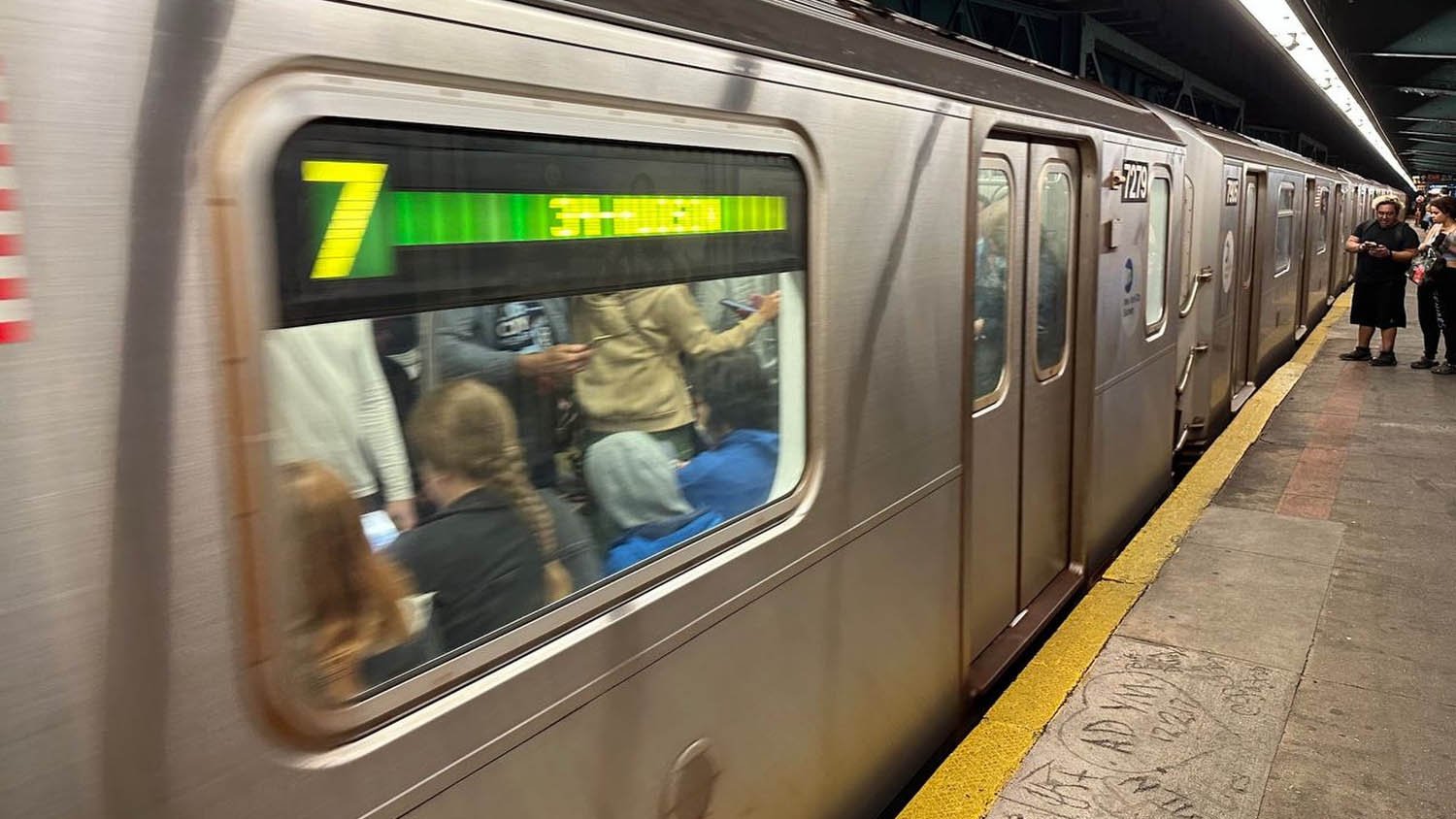
Queens is renowned for its incredible diversity and world-class cuisine. The subway provides easy access to neighborhoods like Jackson Heights, famous for its Indian and Tibetan restaurants, or Flushing, a bustling hub for authentic Chinese and Korean food. The 7 train, often called the “International Express,” is your gateway to many of these culinary adventures, passing through communities like Corona (home to Flushing Meadows–Corona Park and the Unisphere) and Long Island City (offering galleries, waterfront parks, and stunning city views).
The Bronx and Staten Island: Expanding Your Horizons
While the subway doesn’t extend to Staten Island (which has its own ferry service), it provides excellent access to The Bronx. The northernmost borough of New York City boasts attractions like the Bronx Zoo, the New York Botanical Garden, and the historic Yankee Stadium. You can reach these by taking various subway lines, including the 2, 4, and D trains, which run through the borough. Exploring the outer boroughs via the subway is not only economical but also offers a more authentic glimpse into the diverse lives of New Yorkers, far beyond the typical tourist paths.
By embracing the New York City Subway, you gain a powerful tool for exploration, allowing you to connect with the city’s heart and soul in a way that is both practical and profoundly immersive. It is, after all, the most democratic way to travel through this magnificent metropolis.
LifeOutOfTheBox is a participant in the Amazon Services LLC Associates Program, an affiliate advertising program designed to provide a means for sites to earn advertising fees by advertising and linking to Amazon.com. Amazon, the Amazon logo, AmazonSupply, and the AmazonSupply logo are trademarks of Amazon.com, Inc. or its affiliates. As an Amazon Associate we earn affiliate commissions from qualifying purchases.