
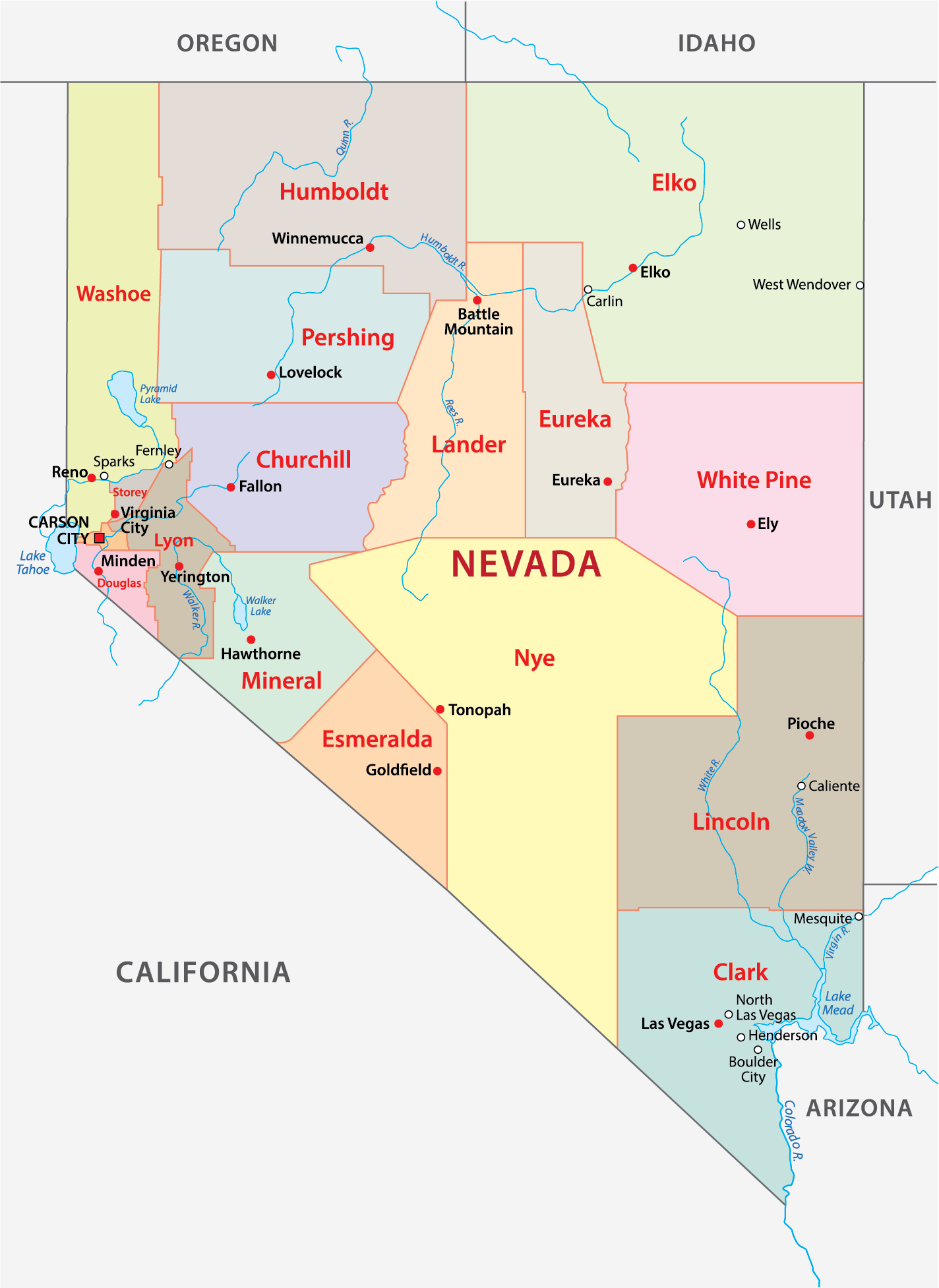
When planning a trip to the world’s most famous playground, visitors often focus on the neon lights and the towering resorts. However, understanding the administrative and cultural heart of the region provides a deeper appreciation for how this desert oasis functions. To answer the fundamental question: Las Vegas is located in Clark County, Nevada. This jurisdiction is not just a line on a map; it is the engine that drives the tourism industry in the United States and encompasses everything from the bustling city center to the serene natural landscapes of the Mojave Desert.
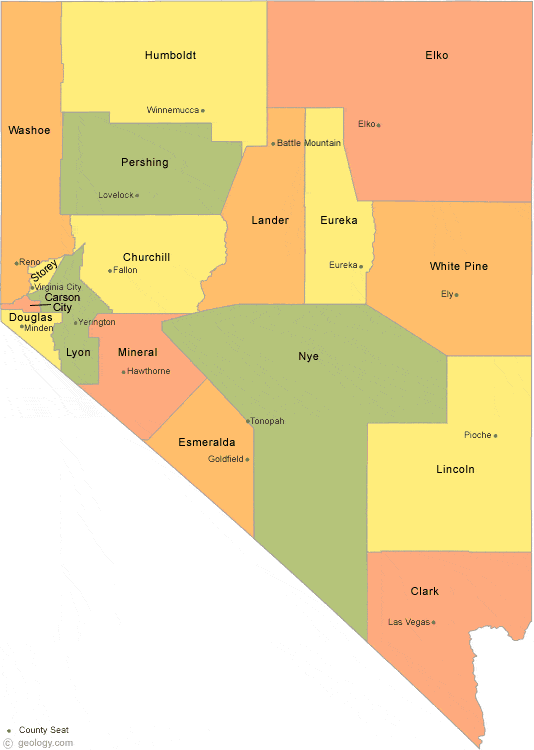
For the savvy traveler, distinguishing between the city and the county is essential. While the city itself holds a historic charm, many of the most iconic attractions—including the majority of the famous resort corridor—actually sit within unincorporated areas of the county. This distinction shapes the local culture, the tax structures, and the very nature of the activities available to tourists.
Understanding Clark County: The Heart of Southern Nevada
Clark County was established in 1908 and named after William Andrews Clark, a copper magnate and politician who was instrumental in bringing the railroad to the region. Today, it is the most populous county in the state, home to over two million residents and hosting tens of millions of visitors annually.
The Administrative Reach
The county government oversees a massive territory that includes not only Las Vegas but also neighboring cities like Henderson, North Las Vegas, Boulder City, and Mesquite. For a tourist, the most important aspect of this administration is the Clark County Department of Aviation, which manages Harry Reid International Airport. This gateway is the first touchpoint for most international and domestic travelers, setting the stage for their Nevada adventure.
The Geography of Tourism
The geography of the county is a study in contrasts. To the east, you have the engineering marvel of the Hoover Dam and the vast waters of Lake Mead. To the west, the crimson peaks of the Red Rock Canyon National Conservation Area provide a rugged backdrop to the urban sprawl. Understanding that Las Vegas is part of such a diverse county allows tourists to expand their itineraries beyond the casino floor and into the wild heart of the American Southwest.
The Impact of Unincorporated Areas
A fascinating quirk of Clark County is the existence of unincorporated towns. Places like Paradise and Winchester are governed directly by the county commission rather than a city council. Why does this matter to you? Because the world-renowned The Strip is technically located in Paradise, not within the official city limits of Las Vegas. This leads to a unique blend of high-level tourism management and local community oversight that ensures the “tourist bubble” remains pristine and safe.
Tourism Beyond the Neon: Cultural Highlights of Clark County
While gambling and nightlife are the primary draws, the local culture of Clark County is rich with history and artistic expression. Tourism here has evolved to include sophisticated culinary tours, museum crawls, and a thriving arts scene that reflects the diverse population of Nevada.
The Arts District and Local Creativity
Located just south of the downtown core, the 18b Las Vegas Arts District is the cultural hub for locals. This area is a must-visit for tourists looking for an authentic experience. Every first Friday of the month, the First Friday festival transforms the streets into a vibrant gallery of local painters, sculptors, and musicians. Visitors can browse eclectic boutiques, dine at farm-to-table restaurants, and enjoy craft brews at local favorites like Able Baker Brewing.
Museums and Heritage Sites
To understand the “why” behind the neon, one must visit the Neon Museum. This outdoor “boneyard” preserves the iconic signs that once illuminated the skyline, offering a nostalgic look at the evolution of graphic design and tourism marketing. Nearby, The Mob Museum—officially the National Museum of Organized Crime and Law Enforcement—provides a gripping history of the city’s darker roots and the county’s struggle to establish order in a wild frontier.
The Culinary Landscape
Food is a central pillar of Clark County tourism. Beyond the celebrity chef outposts at Caesars Palace or the Bellagio, there is a world of “off-Strip” dining that defines the local palate. Chinatown Las Vegas, located along Spring Mountain Road, is one of the best in the United States. Here, you can find everything from authentic Japanese ramen at Monta Ramen to upscale Thai cuisine at Lotus of Siam. Exploring these neighborhoods offers a taste of the real community that resides within the county.
Exploring the Jurisdictions: The Strip vs. The City
When tourists say they are going to “Vegas,” they are often referring to two very different geographic areas. Distinguishing between Downtown Las Vegas and The Strip is vital for planning activities and logistics.
The Historic Downtown Core
Downtown Las Vegas is the original townsite and the official “city.” This area is home to the Fremont Street Experience, a pedestrian mall featuring a massive LED canopy, street performers, and vintage casinos like the Golden Nugget. The vibe here is high-energy and slightly more approachable than the massive resorts to the south. It is also the seat of the Las Vegas City Hall and the Clark County Government Center.
The Unincorporated Strip
If you are staying at the Wynn Las Vegas or the MGM Grand, you are technically in the unincorporated town of Paradise. This four-mile stretch of Las Vegas Boulevard is where you will find the mega-resorts, world-class shopping at The Forum Shops, and the massive High Roller observation wheel. Because this area is under the jurisdiction of Clark County, the tax revenue generated here funds essential services across the entire southern half of the state.
The Suburban and Residential Appeal
Tourism also extends into the suburbs. Many travelers now opt for luxury stays in Summerlin or Henderson to enjoy high-end golf courses and a quieter atmosphere. The Red Rock Casino Resort and Spa in Summerlin offers a five-star experience with immediate access to hiking trails, showing that the county’s appeal reaches far beyond the gambling halls.
Natural Wonders Within the County Borders
Clark County is home to some of the most stunning geological formations in North America. For many visitors, these natural landmarks are the highlight of their trip, providing a much-needed break from the sensory overload of the city.
Red Rock Canyon
Just a short drive from the city center, Red Rock Canyon is a playground for hikers, rock climbers, and photographers. The 13-mile scenic drive offers numerous pull-offs with breathtaking views of the Keystone Thrust fault. It is a testament to the diverse landscape of Nevada that such a wild place exists within the same county as the world’s largest casinos.
Valley of Fire State Park
Located about an hour northeast of the city, Valley of Fire State Park is famous for its bright red Aztec sandstone outcrops and ancient petroglyphs. It is the oldest state park in Nevada and provides a surreal, Martian-like landscape that has been the backdrop for numerous Hollywood films.
Lake Mead and Hoover Dam
The eastern edge of Clark County is defined by the Lake Mead National Recreation Area. Created by the construction of the Hoover Dam, the lake is a hub for boating, fishing, and swimming. A tour of the dam itself is a quintessential Clark County experience, offering insight into how the Colorado River was harnessed to provide power and water to the burgeoning desert community.
Practical Tips for Navigating Clark County Tourism
Visiting a county as large and busy as Clark County requires some logistical planning. From transportation to local etiquette, being prepared ensures a smooth and enjoyable journey.
Transportation Logistics
While The Strip is somewhat walkable, the extreme desert heat can make it challenging. The Las Vegas Monorail is an efficient way to travel between major resorts. For exploring the wider county, renting a car is highly recommended, especially if you plan to visit Mount Charleston or the Seven Magic Mountains art installation. Ride-sharing services are ubiquitous and generally more affordable than traditional taxis for long-distance county travel.
Seasonal Considerations
The climate in Clark County is arid, with temperatures often exceeding 100 degrees Fahrenheit in the summer months (June through August). Spring and fall are the peak tourist seasons due to the mild weather, making outdoor activities in Red Rock Canyon much more pleasant. If you visit in winter, keep in mind that Mount Charleston often receives snow, offering a skiing and snowboarding experience just 45 minutes from the desert floor.

Local Laws and Etiquette
It is important to remember that while Las Vegas is known for its “What happens here, stays here” motto, Clark County has strict regulations regarding public conduct. Open container laws apply to specific areas like Fremont Street and The Strip, but are generally prohibited in residential neighborhoods. Always carry a valid ID, as security is tight at all gaming venues and nightclubs across the county.
In summary, Las Vegas is the crown jewel of Clark County, but the county itself offers far more than just the lights of the city. By understanding the administrative and geographical context of Nevada, tourists can unlock a world of cultural depth, natural beauty, and local secrets that make this region one of the most compelling destinations on earth. Whether you are exploring the Smith Center for the Performing Arts or hiking the trails of Sloan Canyon National Conservation Area, you are participating in the grand story of a county that truly never sleeps.
LifeOutOfTheBox is a participant in the Amazon Services LLC Associates Program, an affiliate advertising program designed to provide a means for sites to earn advertising fees by advertising and linking to Amazon.com. Amazon, the Amazon logo, AmazonSupply, and the AmazonSupply logo are trademarks of Amazon.com, Inc. or its affiliates. As an Amazon Associate we earn affiliate commissions from qualifying purchases.