
The question of whether New York is situated on the East Coast of the United States is not merely a geographical query; it is fundamental to understanding the nation’s history, culture, and economic development. For travelers planning an adventure, a business trip, or simply seeking to comprehend the diverse tapestry of American geography, pinpointing New York’s location is a crucial first step. The answer is a definitive yes, and exploring why and how this iconic state and its bustling metropolis fit into the broader East Coast narrative reveals a wealth of fascinating information.
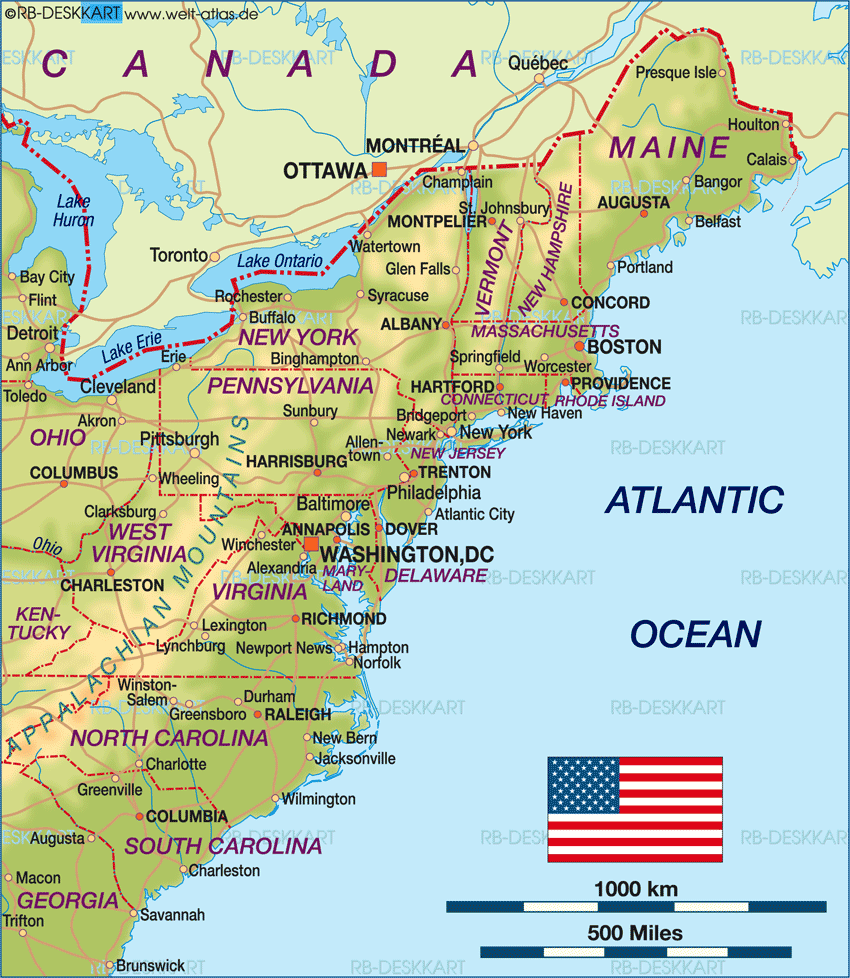
The Geographic and Historical Context of the East Coast
The East Coast of the United States, also known as the Atlantic Coast, encompasses a significant portion of the nation’s eastern seaboard. This region stretches from the border with Canada in the north down to the southern reaches of Florida. Historically, the East Coast holds immense significance as the landing point for European colonists and the cradle of the original thirteen colonies that eventually formed the nation. Its strategic location along the Atlantic Ocean facilitated trade, immigration, and early settlement, shaping the country’s trajectory for centuries.
Defining the East Coast: Boundaries and Significance
While the exact boundaries of the East Coast can be debated in more nuanced geographical discussions, for general purposes, it includes states such as Maine, New Hampshire, Massachusetts, Rhode Island, Connecticut, New York, New Jersey, Pennsylvania, Delaware, Maryland, Virginia, North Carolina, South Carolina, and Georgia, extending down to Florida. These states share a common maritime heritage, significant port cities, and a historical reliance on the Atlantic for commerce and defense. The East Coast is characterized by its diverse climates, from the cold winters of the north to the subtropical warmth of the south, and a varied landscape that includes coastal plains, Appalachian foothills, and numerous river systems. Its economic engine has long been powered by industries ranging from finance and technology in cities like New York City and Boston, to manufacturing and agriculture in its more rural areas.
The Role of Ports and Major Cities
The economic vitality of the East Coast is intrinsically linked to its numerous natural harbors and the major cities that developed around them. Ports such as the Port of New York and New Jersey, the Port of Norfolk, and the Port of Miami are critical hubs for international trade, receiving and shipping goods that fuel both the domestic and global economies. Iconic cities like New York City, Philadelphia, and Washington, D.C. are not only centers of commerce and government but also cultural powerhouses, attracting millions of visitors annually. Their historical significance as centers of political and social movements further solidifies their identity as core components of the East Coast experience.
New York’s Position on the East Coast
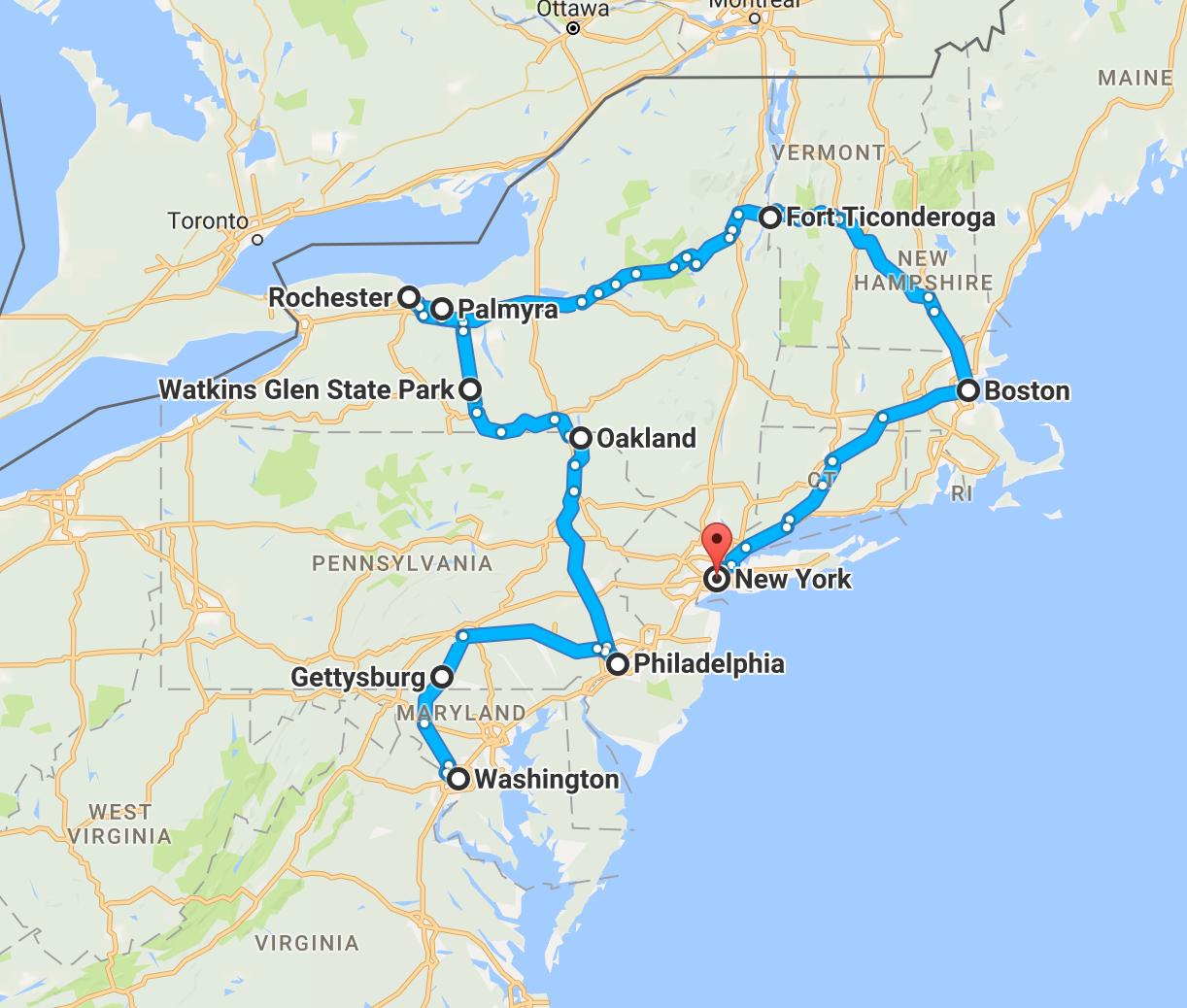
New York State, and its most famous resident, New York City, are unequivocally located on the East Coast of the United States. The state’s eastern border is defined by the Atlantic Ocean, and its major urban centers, including New York City, are situated along its coastline and the estuary of the Hudson River, which flows into the Atlantic. This strategic placement has been instrumental in its historical development and its continued prominence in national and international affairs.
New York City: The Crown Jewel of the East Coast Metropolis
New York City is arguably the most recognizable city on the East Coast and a global epicenter of finance, culture, fashion, and entertainment. Its geographical position, nestled at the mouth of the Hudson River where it meets the Atlantic Ocean, provided unparalleled access to maritime trade routes from its inception. This natural harbor, along with the ambitious development of infrastructure like the Erie Canal, transformed New York City into a bustling port and a gateway for millions of immigrants. Iconic landmarks such as the Statue of Liberty, the Empire State Building, and Times Square are not just tourist attractions but symbols of the city’s enduring spirit and its central role within the East Coast narrative. The city’s diverse neighborhoods, world-class museums like the Metropolitan Museum of Art, and vibrant culinary scene offer a rich tapestry of experiences that draw visitors from across the globe, all within its East Coast setting.
Upstate New York: Beyond the Metropolis
While New York City often dominates discussions about the state, Upstate New York also firmly resides within the broader East Coast region. The state’s northern and western territories, though inland, are geographically connected to the Atlantic watershed and share historical and economic ties with the coastal metropolises. Cities like Albany, the state capital, and the former industrial powerhouse of Buffalo on the shores of Lake Erie, are integral to New York’s identity as an East Coast state. The Adirondack Mountains and the Finger Lakes region, while not directly on the coast, are part of the larger geographical and cultural sphere influenced by the East Coast. The presence of the St. Lawrence River providing a waterway to the Atlantic further reinforces these connections.
Navigating the East Coast: Travel and Tourism Implications
Understanding New York’s position on the East Coast has significant implications for travelers. It frames New York within a broader geographical and cultural context, allowing for more informed travel planning and a deeper appreciation of the region’s diversity. Whether one is exploring the historic streets of Boston, the vibrant energy of New York City, the political heart of Washington, D.C., or the beaches of Florida, the East Coast offers an incredibly rich and varied travel experience.
Planning Your East Coast Itinerary
For travelers intending to explore multiple destinations on the East Coast, recognizing New York’s central location is key. Its extensive transportation networks, including major airports like John F. Kennedy International Airport and LaGuardia Airport, and well-developed rail and highway systems, make it an ideal starting point or transit hub for journeys north to New England or south to the Mid-Atlantic and Southern states. This connectivity allows for seamless transitions between diverse environments, from the urban landscapes of Philadelphia and Baltimore to the historical sites of Williamsburg and the natural beauty of the Outer Banks. A well-planned East Coast itinerary can encompass a wide array of attractions, catering to diverse interests.
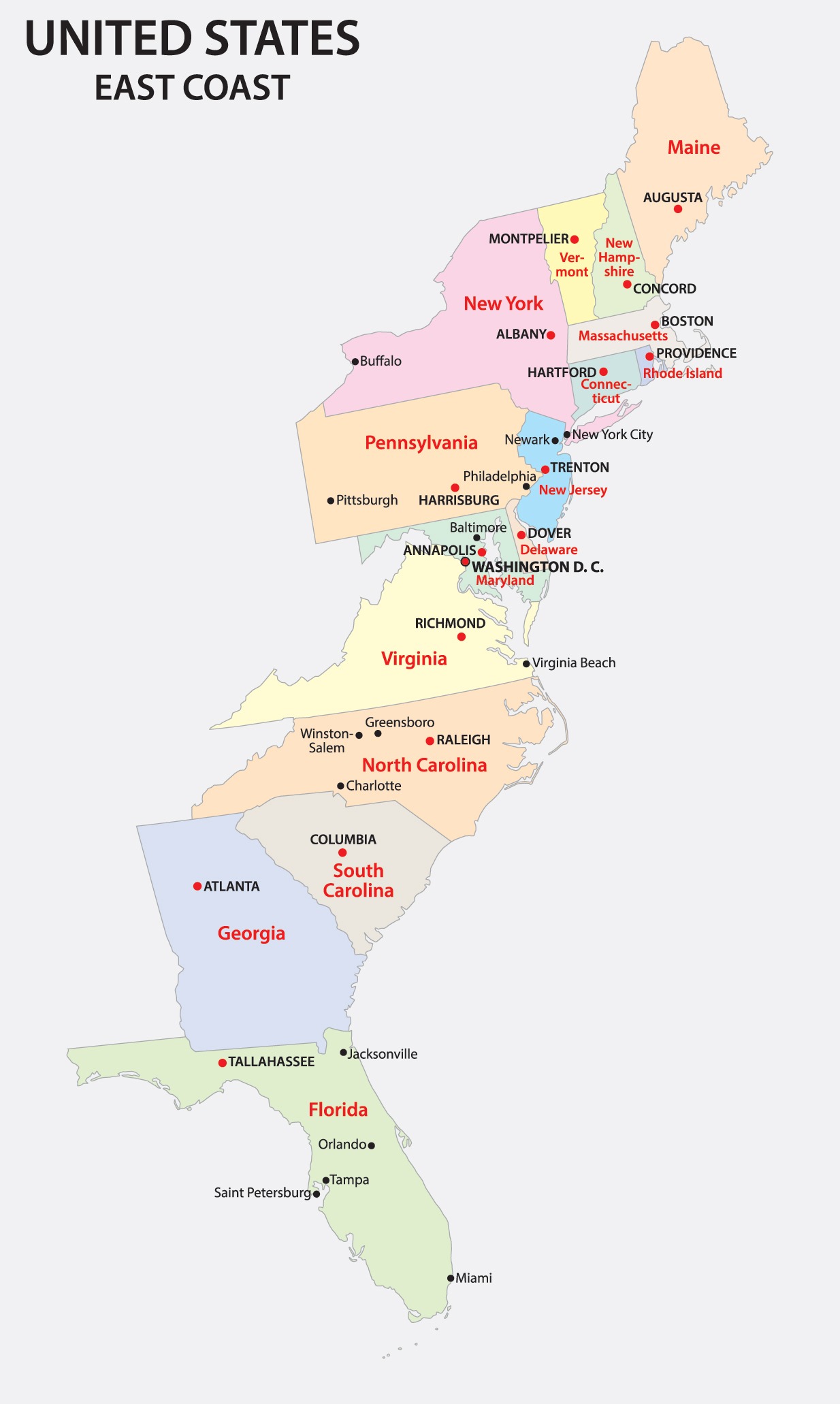
Experiencing East Coast Culture and Cuisine
The East Coast is a melting pot of cultures, shaped by centuries of immigration and regional development. From the seafood traditions of Maine and the Italian-American heritage of New Jersey to the Southern hospitality found further south, the culinary landscape is as varied as its geography. In New York itself, one can find everything from iconic New York style pizza and bagels to sophisticated fine dining establishments that reflect the city’s global influences. Experiencing these regional differences, whether through food, music, or local festivals, offers a deeper understanding of the East Coast as a whole. The proximity of New York to other major cultural centers like Boston, with its rich colonial history and academic institutions, or Philadelphia, with its pivotal role in the nation’s founding, further enriches the cultural tapestry of this dynamic region. The ability to easily travel between these destinations amplifies the potential for immersive cultural exploration for any visitor.
LifeOutOfTheBox is a participant in the Amazon Services LLC Associates Program, an affiliate advertising program designed to provide a means for sites to earn advertising fees by advertising and linking to Amazon.com. Amazon, the Amazon logo, AmazonSupply, and the AmazonSupply logo are trademarks of Amazon.com, Inc. or its affiliates. As an Amazon Associate we earn affiliate commissions from qualifying purchases.