
The question, seemingly simple, often sparks curiosity for those unfamiliar with the vast and intricate geography of the New York City metropolitan area. For residents and seasoned visitors alike, the answer is a resounding yes. Queens is not merely a neighboring county or a distinct city; it is one of the five boroughs that constitute New York City. Understanding this fundamental distinction is key to appreciating the diverse tapestry of experiences this global hub offers. This exploration delves into the identity of Queens, its integral role within New York City, and the unique allure it presents to travelers seeking an authentic and multifaceted urban adventure.
The Borough Identity: More Than Just a Name
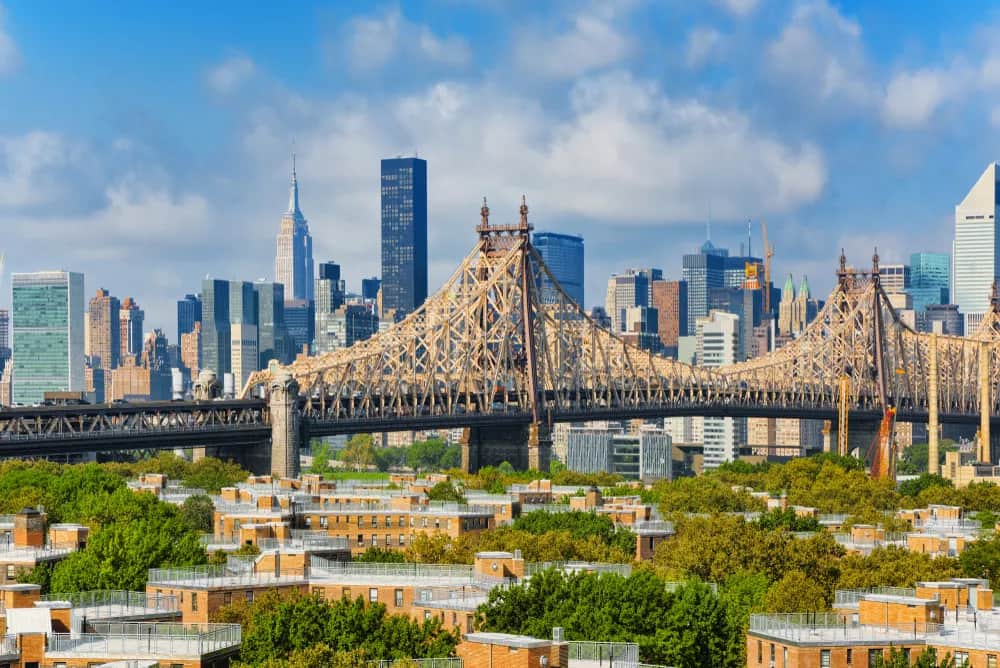
To fully grasp the significance of Queens as part of New York City, it’s crucial to understand the administrative and geographical structure of the city itself. New York City is composed of five distinct boroughs: Manhattan, Brooklyn, Queens, The Bronx, and Staten Island. Each borough possesses its own unique character, history, and demographic makeup, contributing to the overall vibrant mosaic of the city.
A Geographical Cornerstone
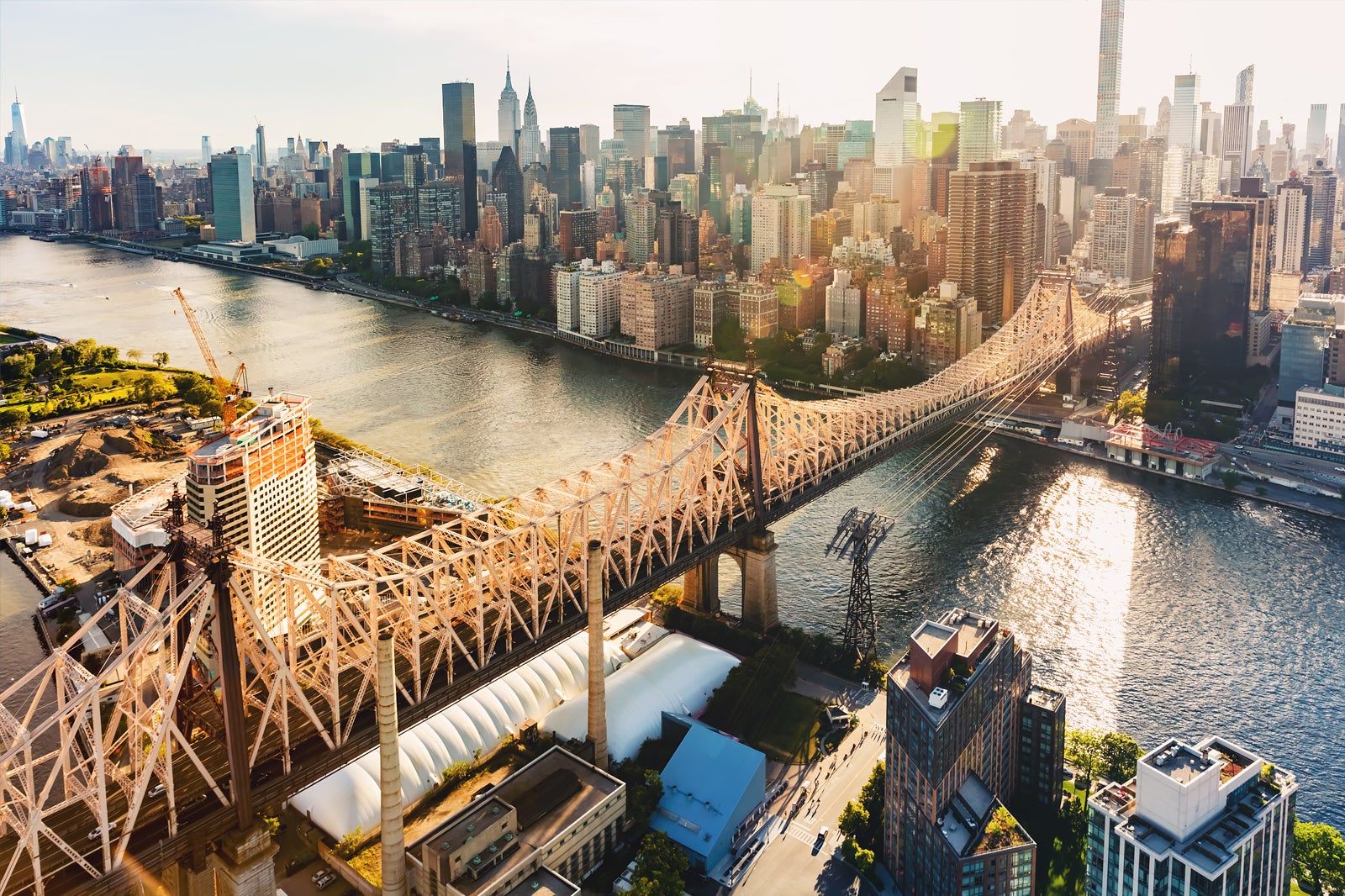
Queens, located to the east of Manhattan, is geographically the largest of the five boroughs. It covers an expansive area and is bordered by Long Island Sound to the north, the East River and Newtown Creek to the west, and the Atlantic Ocean to the south. This strategic location hosts two of the world’s busiest airports: John F. Kennedy International Airport (JFK) and LaGuardia Airport, serving as the primary gateway for millions of international and domestic travelers. This logistical importance solidifies Queens‘s role as a critical component of New York City‘s global connectivity.
Administrative and Political Integration
From an administrative and political standpoint, Queens is an integral part of New York City. It has its own borough president and is represented in the New York City Council. Its residents participate in city-wide elections, and its governance is intertwined with the broader municipal structure. This seamless integration means that navigating Queens and its attractions is, in essence, exploring another facet of New York City itself.
The Diverse Landscape of Queens: A World Within a City
The true marvel of Queens lies in its unparalleled diversity, a characteristic that permeates its neighborhoods, its people, and its culinary offerings. Often described as the most ethnically diverse urban area in the world, Queens offers a microcosm of global cultures, providing travelers with an immersive experience that transcends typical tourist itineraries.
A Tapestry of Neighborhoods
Each neighborhood within Queens boasts a distinct identity. From the vibrant Jackson Heights, known for its South Asian and Latin American communities, to the historic charm of Flushing with its significant East Asian presence, and the artistic enclaves of Astoria, a hub for Greek and Albanian cultures, the borough is a living atlas of global migration. Exploring these distinct enclaves is akin to journeying across continents without leaving the city. Visitors can wander through bustling markets, witness diverse religious practices, and observe the daily rhythms of communities from every corner of the globe.
Culinary Delights: A Global Palate
The diversity of Queens is perhaps most deliciously evident in its food scene. The borough is a veritable culinary paradise, offering authentic flavors from virtually every country. In Jackson Heights, one can savor authentic momos and curries, while Flushing provides an unparalleled experience of regional Chinese cuisines, from spicy Sichuan dishes to delicate Cantonese dim sum. Astoria is renowned for its traditional Greek tavernas and bakeries. Beyond these well-known culinary hubs, hidden gems serving Ethiopian injera, Korean barbecue, and authentic Italian pasta can be found throughout the borough, making every meal an adventure in itself.
Attractions and Experiences: Beyond the Iconic Skyline
While Manhattan may be home to the most recognizable skyscrapers and landmarks, Queens offers a wealth of unique attractions and experiences that provide a deeper, more nuanced understanding of New York City‘s character.
Cultural Hubs and Green Spaces
Queens is home to several significant cultural institutions and expansive green spaces. The Museum of the Moving Image in Astoria offers an interactive journey through the art, history, and technology of film, television, and digital media. For art enthusiasts, the MoMA PS1, an affiliate of The Museum of Modern Art, showcases cutting-edge contemporary art. Nature lovers can escape the urban bustle at Flushing Meadows-Corona Park, the largest park in Queens. This expansive park, once the site of the 1939 New York World’s Fair and the 1964–65 New York World’s Fair, is home to iconic landmarks like the Unisphere, the Queens Museum, and the New York Hall of Science.
Sporting Events and Entertainment
Queens also plays host to major sporting events. The USTA Billie Jean King National Tennis Center in Flushing Meadows-Corona Park is the venue for the annual US Open Tennis Championships, attracting top athletes and enthusiastic fans from around the globe. For baseball aficionados, Queens is home to Citi Field, the home stadium of the New York Mets. Beyond these major venues, the borough offers a vibrant live music scene, independent theaters, and numerous community festivals throughout the year, reflecting the energetic spirit of its diverse population.
Navigating Queens: Seamless Integration into the City
The question of “Is Queens in New York City?” is definitively answered by its seamless integration into the city’s transportation network and urban fabric. Traveling between Queens and other boroughs is remarkably straightforward, making it an accessible and convenient destination for exploration.
Public Transportation Backbone
The Metropolitan Transportation Authority (MTA) operates an extensive network of subways, buses, and commuter rail lines that connect Queens to every other part of New York City. Several subway lines, including the E, F, M, R, 7, and the Queens Boulevard Line, traverse the borough, offering direct access to Midtown Manhattan and other key areas. Numerous bus routes further enhance connectivity within Queens and to adjacent neighborhoods. The Long Island Rail Road (LIRR) also provides rapid transit from various points in Queens to Penn Station in Manhattan.

Accessibility and Connectivity
The presence of John F. Kennedy International Airport (JFK) and LaGuardia Airport within Queens underscores its vital role in New York City‘s status as a global travel hub. The AirTrain JFK system provides a seamless connection from the airport terminals to the A subway line and the LIRR, allowing travelers to easily reach the city. Similarly, LaGuardia Airport is well-connected by bus services linking to subway stations. This robust transportation infrastructure ensures that Queens is not an isolated entity but an accessible and integral part of the New York City experience.
In conclusion, Queens is unequivocally within New York City, functioning as one of its most dynamic and culturally rich boroughs. Its vastness, its unparalleled diversity, its unique attractions, and its excellent connectivity all contribute to its indispensable role in the grand narrative of New York City. For any traveler seeking an authentic, multifaceted, and deeply engaging urban exploration, Queens is an essential and rewarding destination.
LifeOutOfTheBox is a participant in the Amazon Services LLC Associates Program, an affiliate advertising program designed to provide a means for sites to earn advertising fees by advertising and linking to Amazon.com. Amazon, the Amazon logo, AmazonSupply, and the AmazonSupply logo are trademarks of Amazon.com, Inc. or its affiliates. As an Amazon Associate we earn affiliate commissions from qualifying purchases.