
Navigating the vibrant landscape of Las Vegas, Nevada, often involves more than just selecting the right hotel or show tickets; for many travelers, understanding the cost of essentials like gasoline is crucial for budgeting and seamless exploration. While Las Vegas is famed for its walkable Strip and readily available ride-shares, a significant number of visitors opt for the freedom of a personal vehicle, whether to explore beyond the city lights, venture to nearby national parks, or simply for the convenience of door-to-door travel. This comprehensive guide delves into the dynamic world of gas prices in Sin City, offering insights, tips, and strategies for travelers to manage their fuel expenses effectively.
Understanding Las Vegas Gas Prices: The Dynamic Landscape
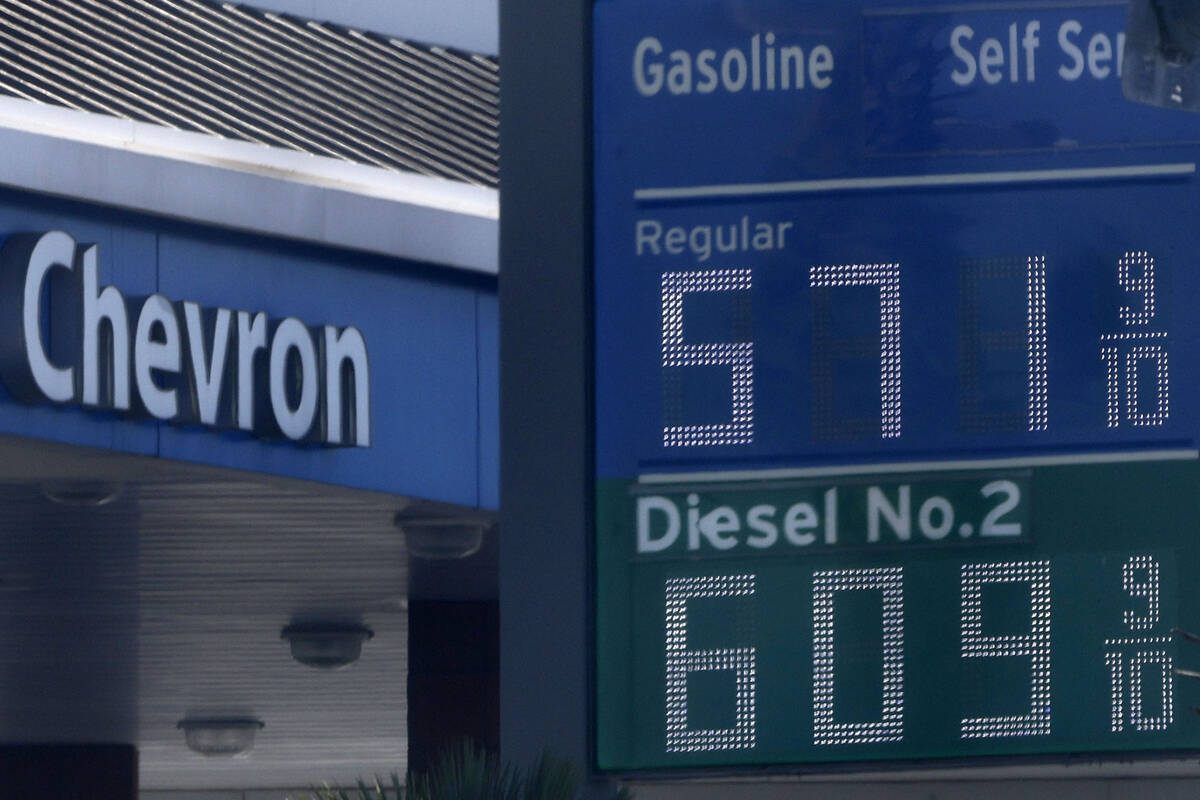
The price of gasoline in Las Vegas, much like any major metropolitan area, is subject to a complex interplay of global, national, and local factors. It’s rarely a static figure, fluctuating daily, weekly, and seasonally. For a traveler, these fluctuations can significantly impact their overall trip budget, especially if planning extensive driving.
General Price Trends in Southern Nevada
Historically, gas prices in Nevada tend to be higher than the national average. This is due to a combination of factors, including its geographical location as a desert state with limited local refining capacity, higher state taxes, and the logistical challenges of transporting refined fuel over long distances. Las Vegas, as the state’s largest city and a major tourist hub, often sees prices that reflect these underlying costs.
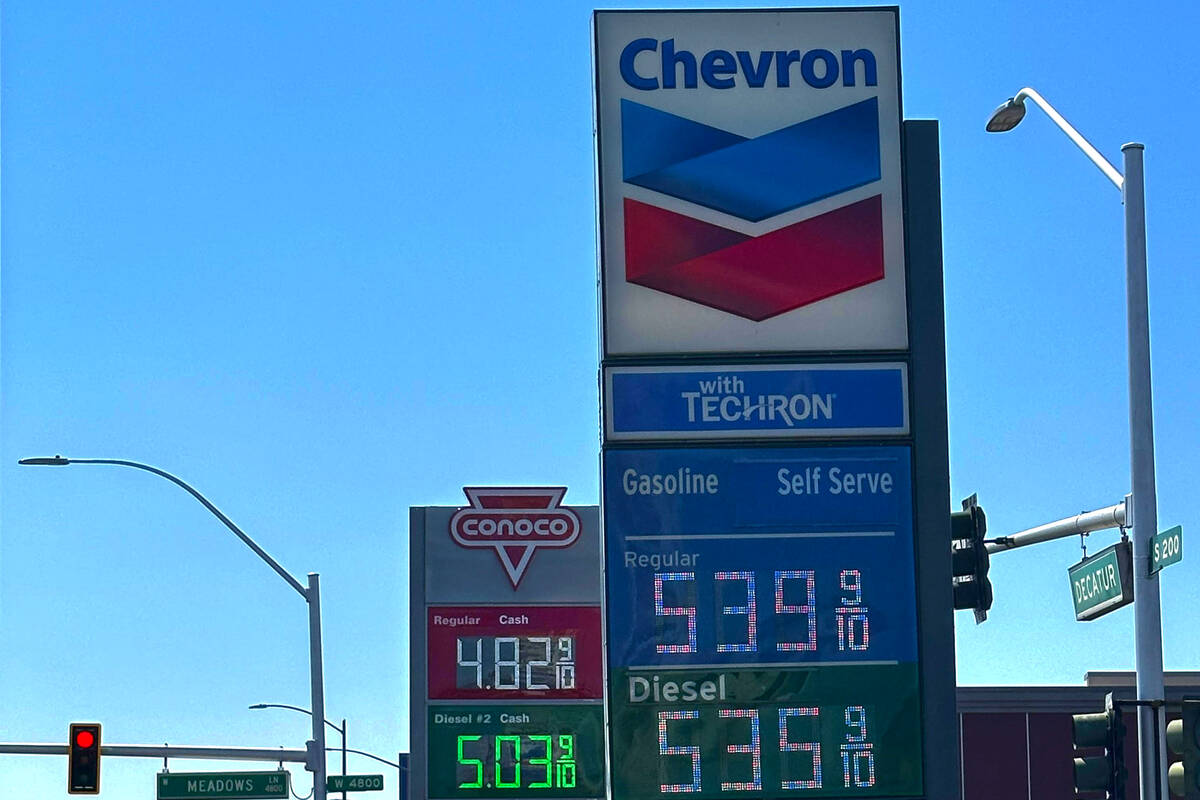
During peak tourist seasons, such as major holidays or large conventions, demand for gas can surge, potentially pushing prices upward. Conversely, during slower periods, or if global oil prices decline, travelers might find more favorable rates. It’s not uncommon for prices to vary by 20-50 cents or more per gallon within the metropolitan area itself, depending on specific neighborhoods and proximity to high-traffic tourist areas.
Comparing Las Vegas to National Averages
When planning a trip to Las Vegas, it’s advisable to check current gas price trends in Nevada and compare them to national averages. Websites and apps dedicated to tracking gas prices can provide real-time data, giving travelers a clear picture of what to expect. Generally, Nevada ranks among the top states for gas prices in the U.S., often alongside California and Hawaii, due to similar logistical and regulatory pressures. This means travelers arriving from states with lower gas prices should be prepared for a noticeable increase at the pump.
Factors Influencing Fuel Costs in Sin City
The cost of gasoline in Las Vegas is not arbitrarily set but is a result of several contributing factors. Understanding these can help travelers anticipate and even predict price movements.
Global Oil Markets and Refinery Capacity
The most significant factor influencing gas prices is the global price of crude oil. Events like geopolitical tensions, supply disruptions, or shifts in global demand can cause oil prices to spike or drop, with a direct impact on what consumers pay at the pump. Las Vegas is primarily supplied by refineries in California, making it susceptible to any issues affecting those facilities, such as maintenance shutdowns or natural disasters. Limited local refinery capacity in Nevada means the state relies heavily on these external sources, amplifying the impact of supply chain disruptions.
State and Federal Taxes
Both federal and state governments levy taxes on gasoline. The federal excise tax on gasoline is currently 18.4 cents per gallon. Nevada also imposes its own excise taxes, local option taxes, and potentially other fees, which collectively add a substantial amount to the base price of fuel. These taxes are crucial for funding infrastructure projects and other public services but also contribute to the higher overall cost of gas in the state compared to some others. Any changes in these tax rates, though infrequent, can directly affect prices.
Local Competition and Location Premium
Within Las Vegas, the specific location of a gas station plays a significant role in its pricing. Gas stations situated directly on or very close to the Strip, or near major attractions like Harry Reid International Airport, tend to charge a premium. This “convenience tax” reflects the high demand from tourists and the increased operational costs of doing business in prime locations. Conversely, stations further off the Strip, in residential areas, or near major highways on the outskirts of the city, often offer more competitive prices due to greater local competition and lower overheads.
Smart Strategies for Fueling Up on Your Las Vegas Trip
While you can’t control global oil prices or state taxes, you can control how and where you purchase gas in Las Vegas to minimize your expenses. Strategic planning can lead to significant savings over the course of your trip.
Utilizing Gas Price Apps and Websites
In the digital age, finding the cheapest gas is easier than ever. Apps like GasBuddy, Waze, and AAA Gas Prices provide real-time information on gas prices at stations near your current location or along a planned route. These tools allow you to compare prices instantly, identify trends, and navigate to the most economical options. Before heading out for a day of sightseeing or embarking on a longer road trip from Las Vegas, a quick check of these apps can save you several dollars per fill-up.
Timing Your Fill-Ups and Avoiding Peak Hours
While less impactful than location, the time of day can sometimes influence gas prices. Some stations might adjust prices slightly during peak commuting hours or late at night. More importantly, avoiding last-minute fill-ups when you’re in a hurry or low on fuel can prevent you from being forced to pay inflated prices at the nearest, most convenient (but expensive) station. Plan your gas stops during periods of lower demand when you have the flexibility to drive a little further for a better deal.
Avoiding the Tourist Traps
The golden rule for gas in Las Vegas is to avoid filling up on or immediately adjacent to the Strip. These stations are almost guaranteed to have the highest prices. Instead, venture a few miles off the main tourist corridor into more residential or commercial areas. For instance, stations along Paradise Road or near major grocery stores and big-box retailers typically offer significantly better value. If you’re arriving at Harry Reid International Airport and renting a car, consider filling up away from the airport precinct when returning your vehicle to avoid airport-area premiums.
Budgeting for Gas: Beyond the Pump in Las Vegas
Factoring gas costs into your Las Vegas travel budget goes beyond just the per-gallon price. It involves considering your itinerary, vehicle choice, and potential for additional driving-related expenses.
Estimating Your Fuel Consumption
To accurately budget, estimate your expected mileage. Are you staying solely on the Strip and only driving to and from the airport? Or are you planning day trips to attractions like the Hoover Dam, Red Rock Canyon National Conservation Area, or even further afield to the Grand Canyon or Death Valley National Park? Calculate the round-trip mileage for these excursions and multiply it by your vehicle’s average miles per gallon (MPG) to estimate total gallons needed. Then, multiply that by an average expected gas price per gallon in Las Vegas (using current app data for a realistic figure) to get a comprehensive estimate.
Accounting for Rental Car Fuel Policies
If you’re renting a car, pay close attention to the rental company’s fuel policy. Some offer options where you pay upfront for a full tank (often at a premium price), others require you to return it full, and some allow you to return it empty but charge a hefty refueling fee. The most cost-effective approach is usually to return the car with a full tank, having filled it up yourself at a competitively priced station away from the airport.
Hidden Driving Costs: Parking and Tolls
Gas is not the only driving-related expense in Las Vegas. Many hotels on the Strip charge for self-parking and valet services, which can add significant daily costs. While parking garages are common, their fees can accumulate, especially for multi-day stays or frequent movement between resorts. Las Vegas does not have tolls on its major roads or highways, which simplifies travel somewhat, but parking remains a key consideration for anyone driving their own vehicle.
Exploring Alternatives: Getting Around Las Vegas Without Your Own Tank
For many visitors, especially those primarily focused on the Strip and downtown Las Vegas, a personal vehicle might be an unnecessary expense and a source of stress due to parking and traffic. Las Vegas offers a robust array of transportation alternatives.
Public Transportation: Monorail and Buses
The Las Vegas Monorail runs along the east side of the Strip, connecting several major resorts and the Las Vegas Convention Center. It’s a quick and efficient way to cover significant distances on the Strip without dealing with traffic or parking. Day passes are available and can be more economical than repeated taxi or ride-share fares. The Regional Transportation Commission of Southern Nevada (RTC) operates an extensive bus system, including “The Deuce” and “SDX” routes that serve the Strip, downtown, and connect to other parts of the city. These are budget-friendly options for wider exploration.
Ride-Sharing Services and Taxis
Uber and Lyft are widely available in Las Vegas and offer a convenient door-to-door service. Designated pick-up and drop-off points are common at hotels and attractions. Taxis are also plentiful, particularly at airports and hotel taxi stands. While these options avoid gas costs, their fares can add up, especially during peak hours, special events, or for longer distances. Comparing surge pricing on ride-share apps with traditional taxi fares can help you choose the most economical option at any given time.
Walking and Shuttles for Strip Exploration
Perhaps the most iconic way to experience the Strip is on foot. Many resorts are connected by pedestrian bridges, walkways, and even free trams (e.g., between Mandalay Bay, Luxor, and Excalibur; or between Bellagio, CityCenter, and Park MGM). For exploring specific clusters of hotels, walking is often the most enjoyable and free method. Additionally, some hotels offer complimentary shuttle services to their sister properties or to specific attractions, which can be a convenient way to get around without incurring any direct costs.
In conclusion, while gas prices in Las Vegas tend to be higher than the national average, understanding the underlying factors and employing smart strategies can help travelers manage their fuel budget effectively. Whether you opt for the freedom of a rental car or choose to rely on the city’s diverse public and private transportation options, a well-informed approach ensures that your Las Vegas experience remains as exhilarating and hassle-free as possible.
LifeOutOfTheBox is a participant in the Amazon Services LLC Associates Program, an affiliate advertising program designed to provide a means for sites to earn advertising fees by advertising and linking to Amazon.com. Amazon, the Amazon logo, AmazonSupply, and the AmazonSupply logo are trademarks of Amazon.com, Inc. or its affiliates. As an Amazon Associate we earn affiliate commissions from qualifying purchases.