
Florida, often dubbed the Sunshine State, beckons millions of travelers each year with its pristine beaches, vibrant cities, and world-renowned attractions. From the theme parks of Orlando to the historic charm of St. Augustine and the tropical allure of Key West, there’s an endless array of experiences waiting to be discovered. However, for anyone planning a trip to this popular destination, understanding hurricane season is not just important – it’s crucial for ensuring a safe, enjoyable, and uninterrupted travel experience. This guide will delve into what hurricane season entails for Florida, its implications for travelers, and how to navigate it effectively within the context of your travel plans.
Understanding Florida’s Hurricane Season
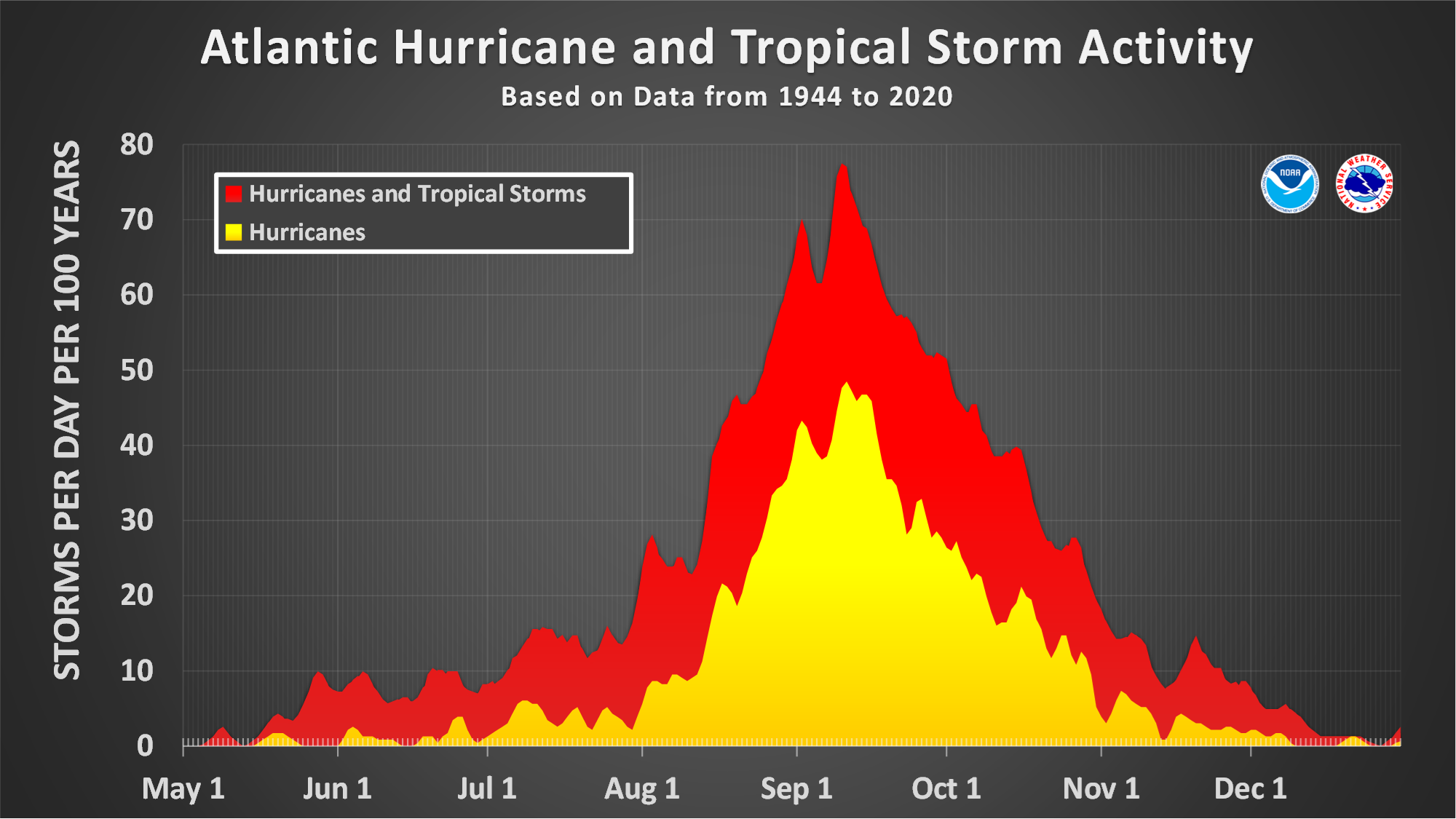
Hurricane season is a defined period each year when tropical cyclones are most likely to form in the Atlantic Ocean, Caribbean Sea, and Gulf of Mexico – the primary areas that can impact Florida. These powerful weather systems bring with them risks of strong winds, heavy rainfall, storm surge, and localized flooding. While a direct hit is never guaranteed, the potential for severe weather during this time means travelers need to be particularly informed and prepared.
When Does It Officially Begin and End?
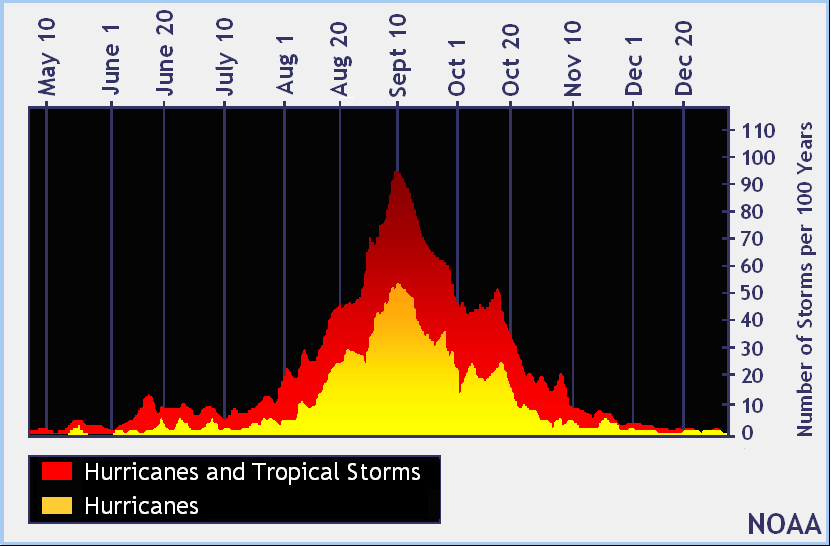
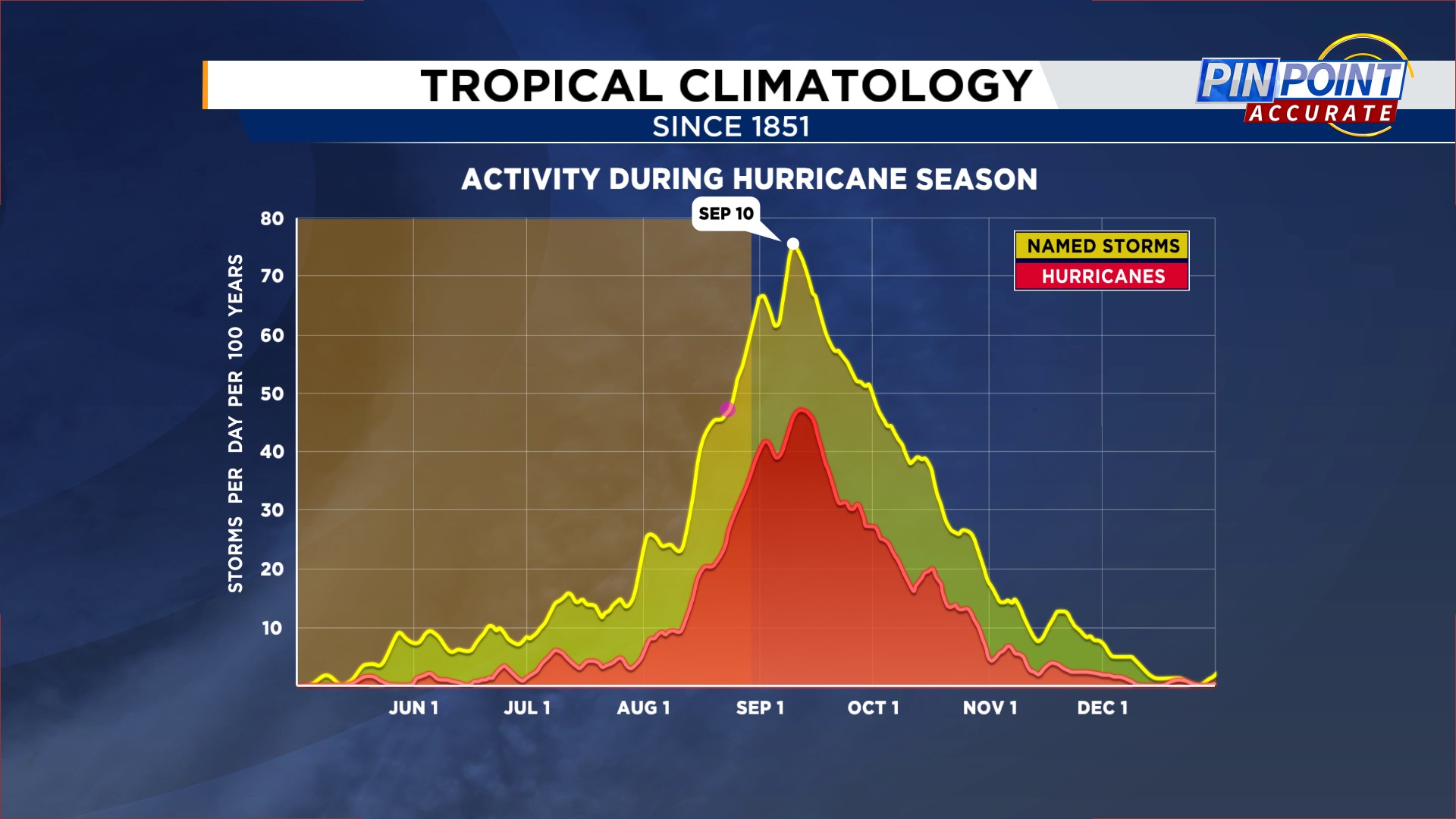
For the Atlantic basin, which directly affects Florida, hurricane season officially runs from June 1st to November 30th each year. While activity can occur outside of these dates, the vast majority of tropical storms and hurricanes form within this six-month window. Peak activity typically occurs between mid-August and late October, with September often being the most active month. Early season storms (June-July) and late-season storms (November) are less common but can still occur. This timeframe is critical for travel planning, as it directly influences weather patterns and travel conditions across the state.
Why Florida is Prone to Hurricanes
Florida’s unique geography makes it particularly susceptible to hurricanes. Its peninsular shape extends into warm tropical waters, which are the fuel for these powerful storms. The state’s long coastline, bordering both the Atlantic Ocean and the Gulf of Mexico, increases the chances of a storm making landfall. Furthermore, the warm sea surface temperatures prevalent during the summer and fall months provide ideal conditions for the development and intensification of tropical systems. This combination of geographical exposure and climatological factors means that any travel plans to Florida during these months should inherently account for the possibility of hurricane activity.
Categorizing Hurricanes: A Quick Guide
Hurricanes are classified using the Saffir-Simpson Hurricane Wind Scale, which categorizes storms based on their sustained wind speeds. Understanding these categories can help travelers gauge the potential impact of a storm:
- Tropical Depression: Winds up to 38 mph.
- Tropical Storm: Winds 39-73 mph. At this stage, storms are given a name.
- Category 1 Hurricane: Winds 74-95 mph.
- Category 2 Hurricane: Winds 96-110 mph.
- Category 3 Hurricane (Major Hurricane): Winds 111-129 mph.
- Category 4 Hurricane (Major Hurricane): Winds 130-156 mph.
- Category 5 Hurricane (Major Hurricane): Winds 157 mph or higher.
While even a tropical storm can cause significant disruptions, major hurricanes (Category 3 and above) pose severe threats to life and property, leading to widespread damage and extended recovery periods. Travelers must stay informed about the category of any approaching storm and heed all official warnings.
Impact on Travel and Tourism in Florida
Hurricane season can significantly affect travel plans to Florida, influencing everything from flight availability to hotel bookings and the operational status of attractions. While many travelers successfully visit during these months, awareness and preparation are essential to mitigate risks.
Best Times to Visit Florida Outside Hurricane Season
For travelers seeking to minimize their encounter with hurricane season, the ideal times to visit Florida are generally December to May. During these months, the weather is typically drier, cooler, and less humid, with a significantly lower risk of tropical storm activity. This period offers pleasant temperatures perfect for exploring Florida’s beaches, theme parks, and outdoor activities without the added stress of hurricane watch advisories. Early June and late November can sometimes offer a balance of good weather and fewer crowds, but still fall within the official season, requiring a degree of vigilance.
Travel Insurance: A Non-Negotiable Consideration
When traveling to Florida during hurricane season, comprehensive travel insurance is arguably a non-negotiable component of your travel budget. Policies vary, but many offer coverage for trip cancellations or interruptions due to named storms, mandatory evacuations, and travel delays. It’s vital to read the policy details carefully and understand what is and isn’t covered, especially concerning pre-existing storm warnings. Purchasing travel insurance before a storm is named or predicted to affect your destination is key, as coverage typically doesn’t apply once a storm has been identified and warnings issued. This can save travelers thousands in non-refundable expenses if plans are disrupted.
Potential Disruptions and Cancellations
Travelers visiting Florida during hurricane season must be prepared for potential disruptions. Airlines may cancel or delay flights, especially to and from airports in affected areas like Miami International Airport, Orlando International Airport, or Tampa International Airport. Hotels and resorts might close temporarily, theme parks could shut down, and cruises departing from Florida ports may alter their itineraries or be canceled. Even if your direct destination is not hit, broader travel infrastructure (roads, airports) can be affected, causing ripple effects. Maintaining flexibility and having alternative plans are crucial for managing these possibilities.
Preparing for Travel During Hurricane Season
Preparation is paramount for any traveler considering a trip to Florida during hurricane season. Proactive steps can significantly reduce stress and enhance safety should a storm threaten your plans.
Monitoring Weather Forecasts and Official Advisories
Before and during your trip, diligently monitor weather forecasts from reputable sources like the National Hurricane Center (NHC)) and local Florida weather services. Pay attention to tropical weather outlooks, storm watches (indicating conditions are possible within 48 hours), and storm warnings (conditions are expected within 36 hours). Stay informed about local advisories issued by county emergency management agencies in areas such as Miami-Dade County or Lee County if visiting Southwest Florida. Many hotels and attractions also provide real-time updates to guests, so utilize all available information channels.
Essential Emergency Kit for Travelers
Even if you don’t anticipate a direct hit, a mini emergency kit can be invaluable. For travelers, this might include:
- Copies of important documents (ID, passport, insurance policies, booking confirmations)
- Any necessary prescription medications
- A portable phone charger/power bank
- Basic first-aid supplies
- Cash (ATMs may be inoperable)
- Non-perishable snacks and bottled water
- A small flashlight
- Comfortable clothes and shoes suitable for walking or unexpected delays.
Being self-sufficient for a short period can make a significant difference if services are temporarily interrupted.
Communication Plans and Local Resources
Ensure you have a communication plan. Inform family and friends of your travel itinerary and how to reach you. Save local emergency numbers (police, fire, medical) and the contact information for your accommodation and airline. Familiarize yourself with emergency shelters and evacuation routes for your specific destination in Florida. Many Florida counties have dedicated emergency information websites and apps that provide real-time updates and resources, which are excellent tools for travelers.
Navigating a Trip During Hurricane Season: Tips and Strategies
Despite the risks, many travelers successfully visit Florida during hurricane season, often enjoying fewer crowds and lower prices. The key is to be strategic and adaptable.
Flexibility and Adaptability are Key
Perhaps the most important advice for hurricane season travel is to be flexible. If a storm threatens, be prepared to adjust your itinerary, change your destination, or even postpone your trip. Having refundable bookings for flights and accommodations can provide peace of mind. Consider booking last-minute if weather forecasts are clear, though this carries its own set of risks regarding availability and price. Being able to pivot quickly will reduce stress and potential losses.
Choosing Hurricane-Resilient Destinations and Accommodations
While no place in Florida is entirely immune, some areas or types of accommodations might be more resilient. Inland destinations like Orlando (home to major theme parks) might experience heavy rain and wind, but are less prone to devastating storm surge than coastal areas like Fort Myers or the Florida Keys. When choosing accommodation, look for properties that have established hurricane preparedness plans, offer flexible cancellation policies, and perhaps are not directly on the beachfront or in low-lying areas. Larger, more modern hotel structures are often built to withstand higher winds than older or smaller buildings.
Understanding Evacuation Procedures
If a hurricane warning is issued for your location and officials recommend or order an evacuation, it is imperative to comply immediately. Understand that evacuation routes can become congested, and resources like gas and hotel rooms along these routes can quickly become scarce. Know your planned route out of the area in advance, and have a “go-bag” ready. Remember, local authorities prioritize the safety of residents and visitors, and their directives are based on expert assessments of the threat. Ignoring an evacuation order not only puts your life at risk but can also endanger emergency responders.
Post-Hurricane Travel: What to Expect
Even after a storm has passed, its effects can linger, impacting travel to and within Florida. Understanding the post-storm landscape is as important as pre-storm preparation.
Recovery Efforts and Infrastructure
Following a hurricane, recovery efforts can be extensive. This means roads might be impassable due to flooding or debris, power outages could be widespread, and public services might be stretched thin. Access to certain areas, especially barrier islands or heavily damaged coastal towns, may be restricted for weeks or even months. While emergency crews work diligently, travelers should not expect immediate normalcy. Attractions might remain closed, and essential services like grocery stores or restaurants may have limited operations. Always check the status of specific destinations and services before attempting to travel into or through a recently affected area.
Supporting Local Communities
If you do travel to Florida after a hurricane, and the area is deemed safe for visitors, consider how your travel can support local communities. Patronizing local businesses, dining at local restaurants, and engaging with community-based activities can significantly contribute to their recovery. Be patient and understanding with locals who may be dealing with personal losses and the ongoing challenges of rebuilding. Your presence, when appropriate and respectful, can be a vital part of helping a community get back on its feet.
When is it Safe to Return?
The decision to return to a hurricane-affected area in Florida should always be guided by official advisories. Do not assume that once the winds die down, it is safe. Risks such as downed power lines, contaminated water, unstable structures, and lingering flooding can pose serious threats. Local emergency management agencies and the Florida Division of Emergency Management will issue clear guidance on when it is safe for residents and visitors to return. Prioritize your safety and allow communities the necessary time and space to recover before planning your post-storm visit.
In conclusion, while Florida’s hurricane season presents unique travel considerations, it doesn’t necessarily mean you should avoid the Sunshine State entirely during these months. With diligent research, smart planning, comprehensive insurance, and a flexible mindset, travelers can still enjoy many of the incredible experiences Florida has to offer, even during the summer and fall. The key is to be prepared, stay informed, and always prioritize safety above all else.
LifeOutOfTheBox is a participant in the Amazon Services LLC Associates Program, an affiliate advertising program designed to provide a means for sites to earn advertising fees by advertising and linking to Amazon.com. Amazon, the Amazon logo, AmazonSupply, and the AmazonSupply logo are trademarks of Amazon.com, Inc. or its affiliates. As an Amazon Associate we earn affiliate commissions from qualifying purchases.