
Venturing to the Hawaiian Islands is an immersion into a world where natural beauty intertwines seamlessly with a profound sense of community and cultural richness. While the pristine beaches of Maui, the volcanic landscapes of the Big Island, and the vibrant energy of Oahu are often the primary draw, the true essence of Hawaii lies in its unique cultural fabric. For visitors seeking an authentic experience, understanding and respecting local customs is paramount, and few gestures are as universally appreciated as expressing gratitude. More than just a polite formality, saying “thank you” in Hawaii carries a deeper resonance, a connection to the spirit of aloha that defines the islands. This guide delves into the nuances of expressing thanks, ensuring your interactions with locals are not only respectful but also enriching, fostering genuine connections that transcend simple tourist-local exchanges.

The Heart of Hawaiian Gratitude: Mahalo
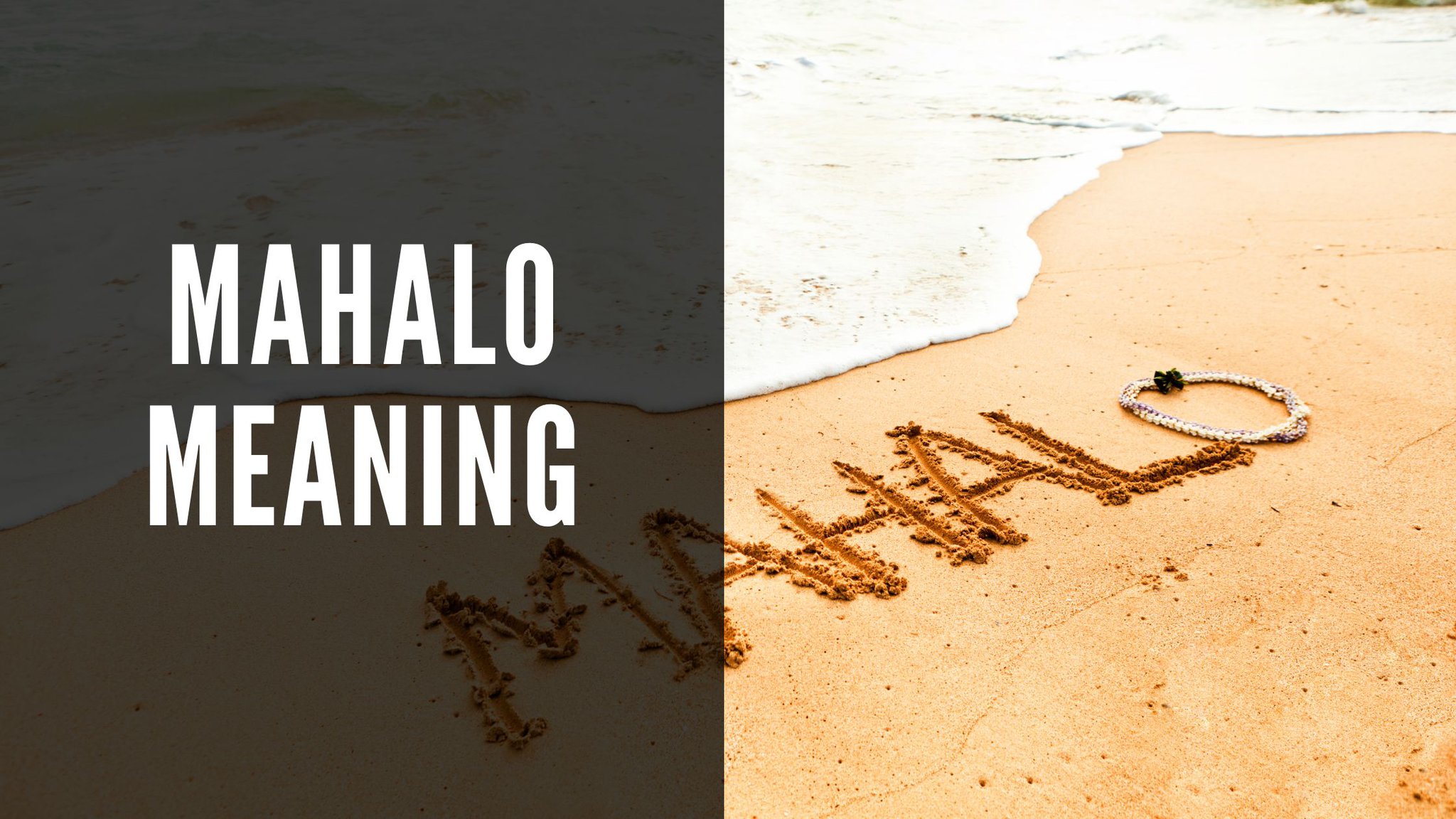
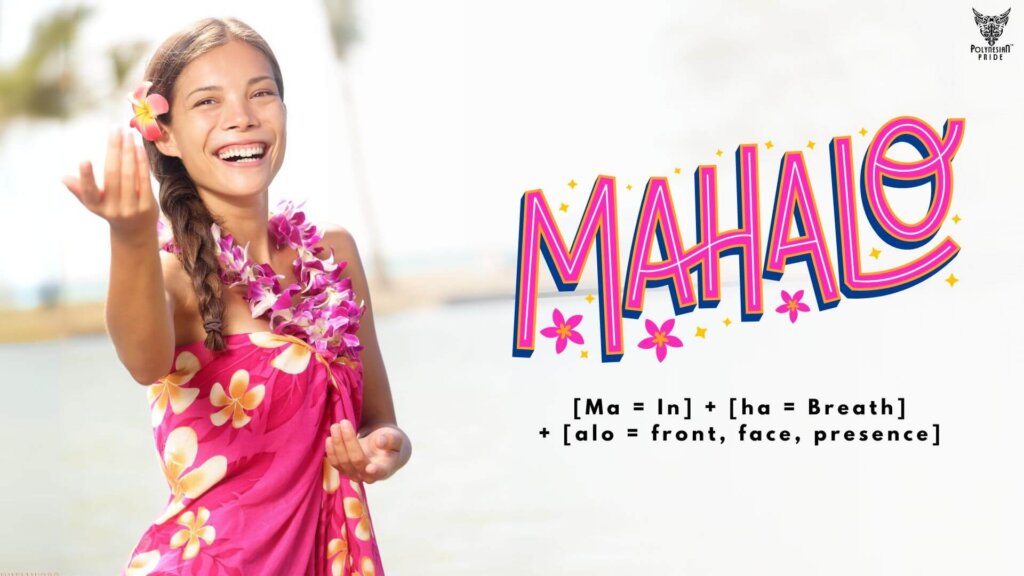
The most fundamental and widely recognized way to say “thank you” in Hawaiian is “Mahalo.” This single word encapsulates a respect and appreciation that goes beyond a mere transactional acknowledgment. Learning to use it correctly and understanding its underlying cultural weight is a cornerstone of respectful engagement with the Hawaiian culture.
Pronunciation and Basic Usage
“Mahalo” is pronounced “mah-HAH-loh,” with the emphasis typically on the second syllable. It’s a versatile word that can be used in almost any situation where you would express thanks in English. Whether you’re ordering a refreshing shave ice, receiving directions from a local, or simply being served a meal at a restaurant, a genuine “Mahalo” will always be well-received. Its simplicity belies its profound cultural significance, signaling an effort on your part to embrace and honor the local language and customs. Visitors are often encouraged to try and use Hawaiian phrases, even if just a few, as it demonstrates an active interest and respect for the host culture, fostering a warmer reception from the local community.
Beyond the Literal: The Spirit of “Mahalo”
While “Mahalo” directly translates to “thank you,” its meaning is often imbued with a deeper sense of appreciation and gratitude for the act of kindness, service, or generosity. In the context of Hawaiian culture, where the spirit of aloha emphasizes mutual respect, compassion, and shared life, expressing gratitude is not just about acknowledging a favor; it’s about recognizing the connection and goodwill extended. It reflects a deeper understanding of the inherent value of connection and community. Using “Mahalo” appropriately shows that you are not just a passive recipient but an engaged participant in the cultural exchange, respecting the values that govern daily life in the islands. It’s a bridge that connects visitors with the enduring legacy of Hawaiian hospitality and kindness.
Deeper Expressions: Extending Your Gratitude
While “Mahalo” is the perfect starting point, the Hawaiian language, like its culture, offers richer ways to convey profound appreciation. Understanding these variations allows you to tailor your thanks to the specific context and the depth of your feeling, truly honoring the spirit of generosity you encounter.
Mahalo Nui Loa: For Great Kindness
When you wish to express a more significant level of gratitude, “Mahalo Nui Loa” (mah-HAH-loh noo-ee LOH-ah) is the phrase to use. “Nui” means “great” or “much,” and “Loa” further intensifies it, meaning “very” or “exceedingly.” Thus, “Mahalo Nui Loa” translates to “Thank you very much” or “Thank you exceedingly.” This phrase is appropriate for situations where someone has gone out of their way to assist you, offered exceptional hospitality, or provided a service that truly stood out. For instance, if a local offers invaluable travel advice, shares a secret scenic spot, or extends a significant act of kindness, responding with “Mahalo Nui Loa” conveys a heartfelt appreciation that resonates deeply within the Hawaiian spirit of reciprocity and generosity. It signifies that you recognize and value the extra effort and thoughtfulness.
Gestures and Actions: Non-Verbal Thanks
In Hawaiian culture, gratitude is not solely conveyed through words; actions and gestures play a crucial role. The spirit of aloha emphasizes connection and respect, and demonstrating these qualities through your behavior is a powerful form of non-verbal thanks. One primary way is to embrace the concept of mālama ‘āina, which means “to care for the land.” This involves respecting the environment, taking your trash with you, staying on marked trails, and generally leaving natural spaces as pristine as you found them. By actively participating in the preservation of Hawaii‘s natural beauty, you are showing profound gratitude for the privilege of experiencing its wonders.
Another important aspect is demonstrating kōkua, or helpfulness. Offering to assist someone, even in small ways, or simply being considerate and patient, especially in crowded tourist areas, reflects a respectful attitude. Similarly, showing genuine interest in local stories, traditions, and the Hawaiian language demonstrates an appreciation for the culture itself. Sometimes, a warm smile, direct eye contact, and a sincere nod can communicate gratitude effectively, particularly when language barriers exist. These non-verbal cues reinforce the spoken word, creating a more holistic expression of thanks that is deeply ingrained in the Hawaiian way of life.
The Spirit of Ho’okipa and Reciprocity
The concept of Ho’okipa refers to the profound Hawaiian tradition of hospitality, extending warmth, welcome, and generosity to guests. When you are a recipient of this hospitality, expressing gratitude is not just polite; it’s an acknowledgement of this deep-rooted cultural value. Reciprocity, though not always in the form of material exchange, is an important aspect. Your sincere “Mahalo Nui Loa,” coupled with respectful behavior, is often the most valued form of reciprocation.
Consider leaving a thoughtful tip for service providers, such as guides on a tour of Pearl Harbor or staff at a resort in Waikiki. Beyond monetary contributions, sharing a story from your home, offering a small, appropriate token of appreciation (if the context allows), or simply engaging in genuine conversation can create a reciprocal connection. The goal is to acknowledge the effort and kindness extended to you and to foster a positive, respectful interaction that upholds the spirit of aloha. This deep appreciation for Ho’okipa means that visitors’ gestures of gratitude are not only recognized but truly cherished.
Cultural Nuances and Etiquette for Visitors
Navigating the cultural landscape of Hawaii involves more than just learning a few phrases; it requires an understanding of the underlying values that shape interactions. Embracing these nuances enriches your experience and ensures your expressions of gratitude are received in the spirit in which they are given.
Respect for Kupuna (Elders) and Kumu (Teachers)
In Hawaiian culture, immense respect is shown to kupuna (elders) and kumu (teachers or mentors). These individuals are seen as keepers of knowledge, wisdom, and tradition. When interacting with elders or those in teaching roles, your expressions of gratitude should be particularly sincere and mindful. A respectful posture, attentive listening, and a humble demeanor complement your verbal “Mahalo.” If a kupuna shares a story, a piece of advice, or a cultural insight, a heartfelt “Mahalo Nui Loa” delivered with eye contact and genuine appreciation is particularly fitting. Acknowledging their wisdom and contributions not only shows your respect for them as individuals but also for the cultural heritage they represent. This profound reverence for elders is a cornerstone of Hawaiian society and recognizing it is key to authentic engagement.
The Sense of Ohana (Family) and Aloha
The concept of ohana (family) in Hawaii extends beyond immediate blood relatives to encompass close friends, community members, and even visitors who are embraced with warmth and care. The spirit of aloha is not merely a greeting; it’s a way of life, embodying love, peace, compassion, and mutual respect. When you receive kindness, help, or hospitality, it often stems from this deep-seated sense of ohana and aloha. Your gratitude, therefore, should reflect an appreciation for this intrinsic generosity. It’s about recognizing that you’re being welcomed into a broader community, even temporarily. Your thankfulness becomes a reciprocal act of aloha, reinforcing positive connections. Embrace this spirit by being open, friendly, and appreciative, not just of the service or favor, but of the connection itself.
Mindfulness and Presence
In today’s fast-paced world, being truly present and mindful can be a powerful form of respect and gratitude. When you’re engaging with locals in Hawaii, take the time to make eye contact, listen attentively, and engage genuinely. Avoid rushing conversations or being distracted by your phone. Acknowledging someone’s effort or kindness with full presence communicates that you value their time and contribution. This simple act of being mindful of your surroundings and interactions demonstrates respect for the individual and the moment, implicitly conveying your gratitude for their presence and any assistance they provide. It’s a subtle yet profound way to honor the people you encounter and the beauty of the islands.
Practical Application for Visitors
Integrating Hawaiian expressions of gratitude into your travel experience is not only a sign of respect but also a powerful way to enhance your interactions and create memorable moments.
When and Where to Use “Mahalo”
You’ll find countless opportunities to use “Mahalo” throughout your trip to Hawaii. Common scenarios include:
- Restaurants and Cafes: After your meal, when your server brings the check, or upon leaving.
- Shops and Markets: When a cashier hands you your purchase, or a vendor offers a sample.
- Tour Guides and Activity Operators: At the end of a tour or experience, especially if they went above and beyond.
- Hotel Staff: To housekeepers, front desk agents at the Grand Hyatt Kauai Resort & Spa, or concierges for their assistance.
- Local Interactions: Whenever someone gives you directions, offers a recommendation, or simply shares a friendly smile.
- Transportation: To bus drivers, taxi drivers, or shuttle operators.
Making an effort to use “Mahalo” in these everyday situations shows your appreciation for the service and the local culture.
Avoiding Misunderstandings and Cultural Sensitivity
While embracing local customs is encouraged, it’s equally important to do so with sensitivity and authenticity. Avoid using Hawaiian phrases in a mocking or superficial way. Ensure your tone is sincere and respectful. If you’re unsure about pronunciation, it’s better to ask or stick to “Mahalo” than to mispronounce a more complex phrase repeatedly.
Be mindful of cultural differences in personal space and communication styles. While Hawaiians are known for their warmth, always gauge the comfort level of the person you are interacting with. Remember that Hawaii is not just a tourist destination; it is home to a rich, living culture with a history that predates Western contact. Approaching your visit with humility and an open mind will pave the way for more meaningful interactions and a deeper understanding of this unique place.
Embracing the Local Way
The most profound way to express gratitude in Hawaii is to truly embrace the local way of life. This means slowing down, appreciating the natural beauty, respecting the land (mālama ‘āina), and engaging with the community with an open heart. Participate in local traditions if invited, learn about the history of the islands, and support local businesses. By doing so, you’re not just saying “thank you” with words, but with your actions and your entire demeanor. This deep respect for the culture, land, and people is the highest form of appreciation and will leave you with a far richer and more authentic Hawaiian experience.
In conclusion, understanding how to say “thank you” in Hawaii extends far beyond merely uttering a phrase. It’s an invitation to engage with the profound spirit of aloha, to acknowledge the deep-rooted hospitality of the islands, and to participate respectfully in a vibrant culture. By embracing “Mahalo,” “Mahalo Nui Loa,” and the accompanying gestures of respect and mindfulness, visitors can transform their trip from a simple vacation into a truly enriching cultural exchange. This effort to connect on a deeper level not only shows genuine appreciation but also fosters a memorable experience that honors both the visitor and the cherished home of the Hawaiian people.
LifeOutOfTheBox is a participant in the Amazon Services LLC Associates Program, an affiliate advertising program designed to provide a means for sites to earn advertising fees by advertising and linking to Amazon.com. Amazon, the Amazon logo, AmazonSupply, and the AmazonSupply logo are trademarks of Amazon.com, Inc. or its affiliates. As an Amazon Associate we earn affiliate commissions from qualifying purchases.