
New York State, a mosaic of bustling metropolises, charming towns, and breathtaking natural landscapes, is defined by its vibrant urban centers. While the iconic skyline of New York City often dominates the global imagination, the Empire State is home to a diverse array of significant cities, each contributing to its rich tapestry of culture, economy, and history. Understanding the largest cities provides a crucial lens through which to appreciate the state’s multifaceted identity and its appeal to residents and visitors alike. These urban hubs are not just points on a map; they are engines of innovation, centers of culture, and gateways to unique regional experiences, making them essential destinations for anyone seeking to explore the true breadth of New York.
Understanding the Metrics of “Largest”
The term “largest” can be interpreted in several ways, and when discussing cities, population size is typically the primary metric. However, geographical area and economic influence also play significant roles in defining a city’s scale and importance. For the purpose of this exploration, we will primarily focus on population as the defining characteristic of a city’s “largeness,” as this most directly reflects the concentration of people, activity, and consequently, the potential for diverse experiences and attractions.
Population as the Primary Indicator
When New Yorkers and travelers alike refer to the “largest cities,” they are most often alluding to the cities with the highest number of inhabitants. This metric is a direct reflection of the urban density, the sheer volume of people who call these places home, and the dynamic energy that emanates from such concentrations. A larger population often correlates with a wider array of amenities, a more diverse cultural scene, and a greater number of potential attractions and activities. It signifies a city that is a hub of human activity, commerce, and social interaction, offering a wealth of opportunities for exploration and discovery.
Beyond Population: Economic and Geographic Scale
While population is a key determinant, it’s also important to acknowledge that other factors contribute to a city’s perceived size and importance. A city with a vast geographical footprint, even if its population density is lower, can feel expansive and offer a different kind of urban experience. Similarly, cities with significant economic clout, even if their population numbers are not at the very top, can exert a powerful influence on their region and beyond, attracting business, talent, and investment. For travelers, understanding these nuances can help in choosing destinations that best align with their interests, whether they seek the vibrant energy of a densely populated center or the sprawling potential of a geographically large urban area with a substantial economic impact.
The Titans of New York: A Population-Centric View
When we examine New York State through the lens of population, a clear hierarchy emerges, with certain cities standing out as the undisputed titans. These are the urban centers that draw the most residents, offering a concentration of opportunities and experiences that are unparalleled within the state. Exploring these cities provides a direct route to understanding the heart of New York’s urban landscape.
New York City: The Unrivaled Metropolis
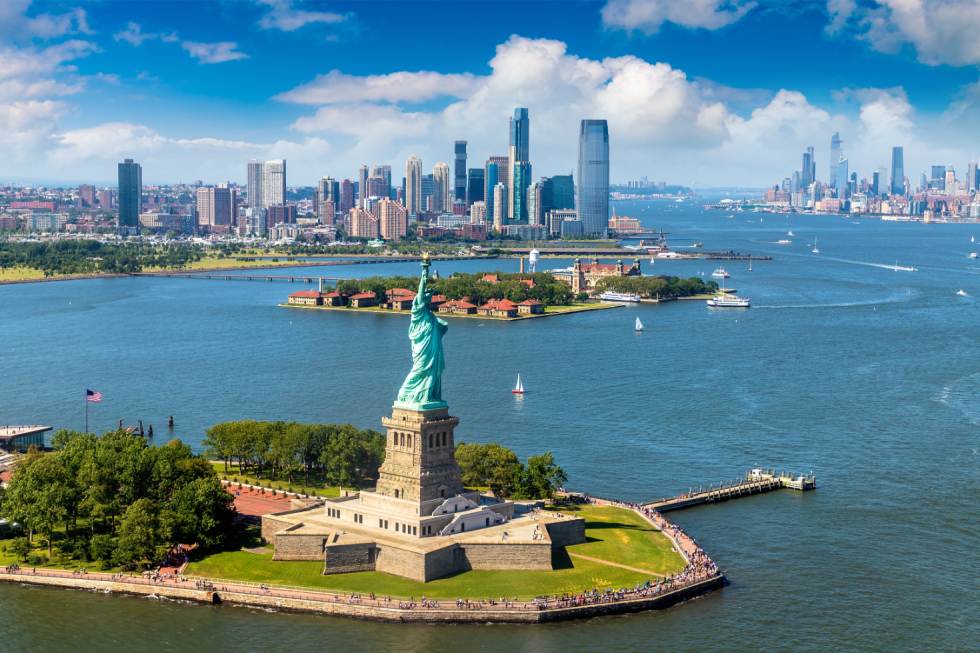
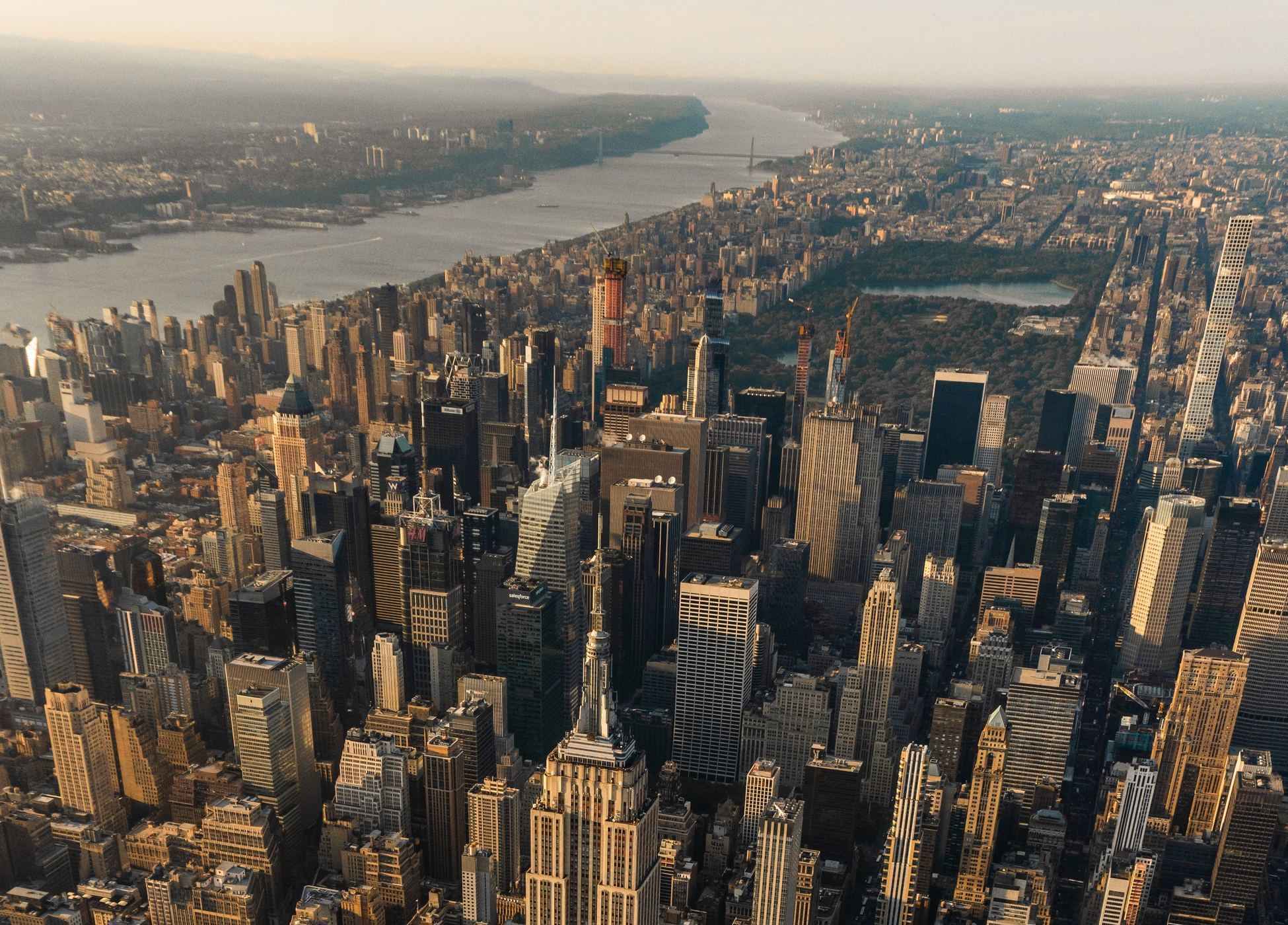
It is impossible to discuss the largest cities in New York State without immediately acknowledging New York City. Comprising five distinct boroughs – Manhattan, Brooklyn, Queens, the Bronx, and Staten Island – the city is a global hub of finance, culture, fashion, and media. Its population numbers dwarf those of any other city in the state, making it the undisputed number one. For travelers, New York City offers an inexhaustible list of attractions, from world-renowned museums like the Metropolitan Museum of Art and the Museum of Modern Art to iconic landmarks such as the Statue of Liberty and Times Square. The sheer diversity of its neighborhoods, each with its unique character and culinary offerings, makes it a destination that can be revisited countless times, always revealing something new.
Buffalo: A Resilient Gem on the Great Lakes
Moving westward, we encounter Buffalo, a city that has undergone a remarkable renaissance. Situated on the eastern shore of Lake Erie, Buffalo is the second-largest city in New York State by population. Historically known for its industrial past, it has re-emerged as a vibrant cultural center with a thriving arts scene, stunning architecture, and a burgeoning culinary landscape. Visitors can explore the historic Architecture of Frank Lloyd Wright, wander through the beautiful Delaware Park, and enjoy the revitalized waterfront. The city’s proximity to the awe-inspiring Niagara Falls also makes it a convenient base for experiencing one of the world’s most spectacular natural wonders.
Rochester: Innovation and Culture on Lake Ontario
Further along the southern shore of Lake Ontario lies Rochester, New York’s third-largest city. Once a powerhouse of American industry, particularly in photography and imaging with companies like Eastman Kodak, Rochester has successfully diversified its economy and cultural offerings. It boasts a strong educational presence, with several universities contributing to its youthful energy and intellectual vibrancy. The city is a haven for art and history enthusiasts, home to the renowned Memorial Art Gallery and the Strong National Museum of Play. Its numerous parks and waterfront access provide ample opportunities for outdoor recreation, and its growing craft brewery and restaurant scene offers a taste of modern Rochester.
Syracuse: A Central Hub of Commerce and Community
Centrally located within the state, Syracuse ranks as the fourth-largest city in New York. Known for its vibrant downtown area, a bustling university, and a rich history of commerce and industry, Syracuse serves as an important regional center. The city is a popular destination for its cultural events, including the annual New York State Fair, and its commitment to revitalizing its urban core is evident in its growing array of dining, entertainment, and shopping options. The nearby Finger Lakes region, renowned for its wineries and natural beauty, also makes Syracuse a strategic point for exploring a broader segment of upstate New York.

Albany: The Political and Historic Heart
As the capital of New York State, Albany holds a significant place in both the political and historical narrative of the region. While its population places it as the fifth-largest city, its importance as a governmental center and its rich colonial history are undeniable. Visitors can explore the impressive New York State Capitol Building, delve into history at the New York State Museum, and admire the architecture of its historic neighborhoods. Situated on the Hudson River, Albany offers a blend of civic importance and a gateway to the natural beauty of the Capital Region and beyond.
Exploring Beyond the Top Tier: Other Significant Urban Centers
While the top five cities command the largest populations, New York State is dotted with numerous other cities that are significant in their own right, offering unique attractions and contributing to the state’s diverse character. These cities, though smaller in population, often possess strong regional identities, distinct historical narratives, and developing cultural scenes that make them worthy of exploration.
Yonkers: A Bridge Between City and Suburb
Located just north of New York City, Yonkers is the sixth-largest city in New York State by population. Its strategic location makes it a vital urban center within the greater metropolitan area, offering a blend of residential communities and commercial districts. Yonkers boasts a revitalized waterfront along the Hudson River, featuring attractions like the Empire City Casino and a growing number of restaurants and shops. Its proximity to New York City allows residents and visitors to easily access the unparalleled offerings of the metropolis while enjoying a slightly more suburban feel.
Utica: A City of Immigrant Heritage and Revitalization
Further upstate, Utica is a city with a rich immigrant history and a spirit of ongoing revitalization. Its population places it among the significant urban centers of New York State. Utica is particularly known for its diverse culinary scene, influenced by generations of immigrants, offering authentic ethnic flavors from around the world. The city is also home to several cultural institutions, including the Munson-Williams-Proctor Arts Institute, and is undergoing a transformation that highlights its industrial heritage while embracing new opportunities for growth and development.
Schenectady: Historic Charm and Technological Advancement
Nestled in the Capital Region, Schenectady is a city that balances its historic past with a forward-looking approach to technology and innovation. Once a major hub for the General Electric Company, Schenectady is experiencing a resurgence, particularly in its downtown area, with new businesses, cultural venues, and residential developments. Visitors can explore its historic architecture, enjoy performances at the historic Proctors Theatre, and discover the unique character of this historically significant city.
Niagara Falls: A Natural Wonder’s Urban Companion
While the natural wonder of Niagara Falls is the primary draw, the city of Niagara Falls itself is a significant urban center in western New York. It serves as the gateway to the majestic waterfalls and offers a range of attractions, from state parks and observation decks to casinos and entertainment venues. The city has been actively engaged in redevelopment efforts aimed at enhancing the visitor experience and capitalizing on its unique position as a global tourist destination. Exploring the city provides a different perspective on this iconic natural landmark.
The Enduring Appeal of New York’s Urban Tapestry
The largest cities in New York State represent a dynamic spectrum of urban life, each offering a distinct experience for residents and visitors. From the unparalleled global influence of New York City to the resilient charm of Buffalo and the historic significance of Albany, these urban centers are more than just population centers; they are vibrant ecosystems of culture, commerce, and community.
A Wealth of Destinations for Every Traveler
For the discerning traveler, New York State offers an astonishing variety of urban adventures. Whether one is drawn to the fast-paced excitement of the metropolis, the historical echoes of industrial towns, or the cultural vibrancy of university cities, there is a destination to suit every interest. The largest cities, in particular, provide a concentrated dose of what makes New York so captivating: world-class dining, cutting-edge arts and entertainment, significant historical sites, and the sheer energy of millions of people living and working together. Exploring these cities is an invitation to discover the diverse narratives that have shaped and continue to shape the Empire State.
Beyond the Headlines: Uncovering Regional Identities
While New York City often captures the lion’s share of attention, venturing into the state’s other major cities reveals a rich tapestry of regional identities. Buffalo’s Great Lakes heritage, Rochester’s legacy of innovation, and Syracuse’s central location all contribute to distinct local flavors. Even cities like Utica and Schenectady possess unique historical narratives and are undergoing exciting transformations that promise to further enrich their appeal. Understanding these larger cities provides a foundational appreciation for the breadth of experiences available across New York State, encouraging deeper exploration beyond the most famous landmarks.
LifeOutOfTheBox is a participant in the Amazon Services LLC Associates Program, an affiliate advertising program designed to provide a means for sites to earn advertising fees by advertising and linking to Amazon.com. Amazon, the Amazon logo, AmazonSupply, and the AmazonSupply logo are trademarks of Amazon.com, Inc. or its affiliates. As an Amazon Associate we earn affiliate commissions from qualifying purchases.