
For many, the mention of Texas conjures images of sprawling ranches, bustling metropolises like Houston and Dallas, or the vibrant music scene of Austin. Yet, nestled discreetly in the heart of the Texas Gulf Coast region lies Victoria, a city often referred to as “The Crossroads” due to its strategic geographical position. More than just a dot on the map, Victoria offers a compelling blend of historical depth, natural beauty, and modern Texan hospitality, making it an intriguing destination for travelers seeking an authentic experience away from the state’s more trodden paths.
This comprehensive guide aims to precisely answer the question of Victoria’s whereabouts, elucidate its significance, and provide an insightful look into why this charming city should be on your travel radar. We will explore its precise location, the ease of access, its unique attractions, and practical tips for planning your visit, ensuring a rich and rewarding exploration of this overlooked Texan gem.

Pinpointing Victoria on the Texas Map
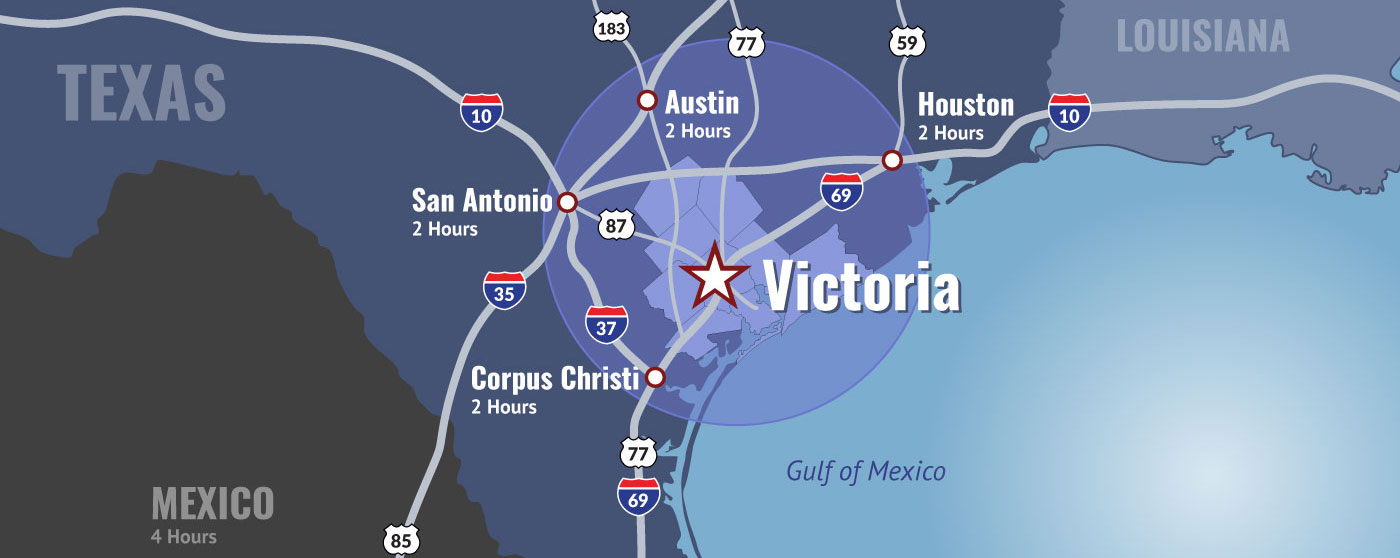
Victoria is strategically situated in the southeastern part of Texas, approximately 30 miles inland from the Gulf of Mexico. This inland position, while close to the coast, offers a distinct landscape compared to purely coastal towns, characterized by rich agricultural lands and the confluence of several key waterways.
Geographical Significance and Proximity to Major Cities
Victoria’s designation as “The Crossroads” is no mere marketing slogan; it accurately reflects its position at the intersection of major U.S. routes and its equidistant location from several prominent Texan cities. The city lies roughly:
- Two hours southwest of Houston.
- Two hours southeast of San Antonio.
- Two hours northeast of Corpus Christi.
- Two and a half hours southeast of Austin.
This central location makes Victoria an ideal stopover for travelers traversing the region or a convenient base for exploring the broader South Texas landscape. It acts as a gateway to both the coastal plains and the rich agricultural heartland, influenced by the presence of the Guadalupe River and the Lavaca River, which converge nearby. These rivers have historically been vital for trade, transport, and agriculture, shaping the region’s development.
Understanding Victoria’s Regional Role
Beyond its geographical centrality, Victoria plays a crucial economic and cultural role in its region. It serves as the county seat of Victoria County and is a hub for petrochemical industries, healthcare, and education. This economic robustness contributes to a stable and welcoming community, providing ample services and amenities for residents and visitors alike. Its position also means it’s a critical point for the energy sector, contributing significantly to Texas’s overall economic output. The blend of industrial presence with a deeply rooted historical identity creates a unique character for the city, distinguishing it from purely tourist-driven destinations.
Getting to Victoria: Your Gateway to the Crossroads
Given its central location, Victoria is remarkably accessible by various modes of transportation, primarily by road and air. Understanding your options will help in planning a seamless journey to this Texan treasure.
Driving Routes and Interstate Connections
Driving is arguably the most popular and convenient way to reach Victoria, thanks to its position at the nexus of several key highways.
- U.S. Route 59: This is the primary artery connecting Victoria to Houston to the northeast and to the Rio Grande Valley to the southwest. Plans are in motion for U.S. Route 59 to be upgraded to Interstate 69, further enhancing connectivity.
- U.S. Route 77: Running north-south, U.S. Route 77 links Victoria with Austin and Waco to the north and Corpus Christi to the south.
- U.S. Route 87: This highway provides access from San Antonio to the northwest and eventually to the coastal areas further south.
These well-maintained routes ensure a comfortable drive, offering scenic glimpses of the Texas landscape as you approach Victoria. For those on a road trip across Texas, Victoria presents a natural and logical point for a stopover or a dedicated exploration.
Air Travel Options and Nearby Airports
While Victoria boasts its own regional airport, travelers often find more extensive flight options by flying into larger nearby international airports and then driving to Victoria.
- Victoria Regional Airport (VCT): This airport offers limited commercial service, typically connecting to Houston, providing a direct, albeit less frequent, option for reaching the city. It’s an excellent choice for those prioritizing convenience and a smaller airport experience.
- Houston George Bush Intercontinental Airport (IAH) and William P. Hobby Airport (HOU): Both Houston airports offer a vast array of domestic and international flights. From Houston, Victoria is an easy two-hour drive southwest.
- San Antonio International Airport (SAT): Another major hub, SAT provides numerous flight connections, and from there, Victoria is about a two-hour drive southeast.
- Corpus Christi International Airport (CCIA): For travelers coming from specific regions, CCIA can be a viable option, with Victoria being roughly a 90-minute drive northeast.
Renting a car from any of these major airports is straightforward and highly recommended for exploring Victoria and its surrounding areas, as public transportation within the city is limited.
Alternative Transportation Methods
While driving and flying are the primary modes, some might consider bus services. Greyhound operates routes that include Victoria, connecting it to larger cities like Houston and San Antonio. However, for flexibility and convenience in exploring the region, personal or rental vehicle remains the preferred choice for most travelers.
Why Visit Victoria? Unveiling Its Charm
Victoria’s appeal extends far beyond its convenient location. It’s a city with a distinctive character, offering a rich tapestry of history, abundant natural beauty, and a vibrant local culture that promises an engaging travel experience.
A Rich Tapestry of History and Heritage
Victoria holds a significant place in Texas history. Founded in 1824 by Martín De León, an empresario of Mexican Texas, it is one of the oldest cities in the state. Its past is marked by diverse cultural influences, from Native American tribes and Spanish explorers to Mexican settlers and American pioneers. This history is palpable in its architecture, museums, and well-preserved historical sites. The city was a crucial point during the Texas Revolution and played a role in the subsequent development of the state, leaving behind a legacy that is both educational and deeply moving.
Natural Beauty and Outdoor Pursuits
Despite being inland, Victoria benefits from its proximity to major rivers and a subtropical climate, fostering a lush environment ripe for outdoor activities. The Guadalupe River and Lavaca River offer opportunities for fishing, kayaking, and scenic walks along their banks. The area is also known for its diverse wildlife, making it a haven for birdwatching and nature photography. Parks and green spaces are abundant, providing residents and visitors with ample opportunities to connect with nature and enjoy the mild Texan weather for much of the year.
Local Culture, Arts, and Community Events
Victoria boasts a lively cultural scene that belies its size. The community takes pride in its local artists, musicians, and performers, supported by various venues and organizations. From live music events to art exhibitions, there’s always something happening to immerse visitors in the local flavor. Seasonal festivals and community gatherings are particularly popular, showcasing Texan traditions, culinary delights, and a strong sense of community spirit. This active cultural life provides a genuine insight into the heart of Victoria.
Exploring Victoria’s Key Attractions and Experiences
Once in Victoria, travelers will find a surprising array of attractions that cater to diverse interests, from history buffs and art enthusiasts to nature lovers and families.
Historical Sites and Architectural Gems
Victoria’s history is best experienced firsthand through its landmarks.
- The Museum of the Coastal Bend: Located on the campus of Victoria College, this museum offers fascinating exhibits on the rich cultural and natural history of the Texas Coastal Bend region, from prehistoric times through the present.
- Nave Museum: An architectural marvel in itself, this museum houses a collection of works by local artists and hosts rotating exhibitions, embodying the artistic spirit of the city.
- Presidio La Bahia and Fannin Battleground State Historic Site: A short drive from Victoria, near Goliad, these sites offer a profound look into the Texas Revolution, including the Goliad Massacre. Goliad State Park & Historic Site, which includes the reconstructed Mission Espiritu Santo, is another essential visit for history enthusiasts.
- DeLeon Plaza: The historic heart of downtown Victoria, this plaza is a focal point for community events and surrounded by beautiful historic buildings. The Victoria Main Street Program actively preserves and revitalizes the historic downtown area, making it a pleasant area for walking and exploring.
Parks, Recreation, and Wildlife Encounters
For those seeking outdoor adventures, Victoria delivers.
- Riverside Park: One of the largest municipal parks in Texas, Riverside Park offers extensive walking and biking trails, disc golf, picnic areas, and boat ramps for access to the Guadalupe River. It’s a perfect spot for a leisurely day out.
- The Texas Zoo: Also located within Riverside Park, this charming zoo focuses on animals native to Texas and North America, providing an educational and enjoyable experience for all ages.
- Coleto Creek Park & Reservoir: A short drive south, this reservoir is a popular spot for fishing, boating, camping, and birdwatching, offering tranquil waters and diverse ecosystems.
Culinary Delights and Local Shopping
Victoria’s dining scene offers a taste of authentic Texas, with a mix of classic Tex-Mex, BBQ joints, and diverse local eateries. Visitors can find everything from casual diners to upscale restaurants. Exploring the downtown area also reveals unique boutiques and shops, perfect for finding local crafts, antiques, and souvenirs that capture the spirit of Victoria. Don’t miss out on local events like Food Truck Fridays for a taste of the diverse local food scene.
Planning Your Victoria Excursion: Essential Travel Tips
To make the most of your visit to Victoria, a little planning goes a long way. Considering the local climate, accommodation options, and how to navigate the city will enhance your travel experience.
Best Time to Visit and Local Climate
Victoria experiences a humid subtropical climate, characterized by hot, humid summers and mild winters.
- Spring (March to May) and Fall (September to November) are generally considered the best times to visit. During these seasons, temperatures are pleasant, ideal for outdoor activities and exploring historical sites, and the chances of rainfall are moderate. Spring also brings vibrant wildflowers.
- Summer (June to August) can be very hot and humid, with temperatures often exceeding 90°F (32°C). If visiting during summer, plan indoor activities during the hottest parts of the day and stay hydrated.
- Winter (December to February) is mild, with occasional cold fronts. Freezing temperatures are rare, making it a good escape from colder northern climates.
Accommodation Considerations
Victoria offers a range of accommodation options to suit various preferences and budgets. From well-known hotel chains to charming local inns and vacation rentals, visitors can find comfortable lodging. Many hotels are conveniently located near major highways, offering easy access to the city’s attractions. For a more unique experience, consider exploring bed-and-breakfast options that provide a personalized touch and often reside in historic properties. When booking, consider proximity to the specific attractions or areas you plan to frequent, keeping in mind that a rental car offers the most flexibility for exploring the broader region.

Navigating the City and Local Resources
While Victoria is a relatively easy city to navigate by car, understanding local resources can enhance your visit.
- Visitor’s Center: Start your trip with a stop at the Victoria Convention & Visitors Bureau to gather maps, brochures, and insights from local experts. They can provide up-to-date information on events, attractions, and dining.
- Walking Tours: Consider a self-guided historical walking tour of downtown Victoria, utilizing resources like the Old Victoria Driving Tour map, which can often be adapted for walking in specific areas.
- Local Events Calendars: Check local publications and the city’s official website for calendars of events, festivals, and performances during your stay.
Victoria, Texas, may not be as widely known as some of its larger Texan counterparts, but its rich history, accessible location, and genuine charm make it a destination well worth discovering. Whether you’re a history enthusiast, a nature lover, or simply seeking an authentic Texan experience, Victoria offers a compelling journey into the heart of the Lone Star State. Its position as “The Crossroads” truly makes it a pivotal point for exploration, revealing layers of culture, beauty, and heritage that define this unique corner of Texas.
LifeOutOfTheBox is a participant in the Amazon Services LLC Associates Program, an affiliate advertising program designed to provide a means for sites to earn advertising fees by advertising and linking to Amazon.com. Amazon, the Amazon logo, AmazonSupply, and the AmazonSupply logo are trademarks of Amazon.com, Inc. or its affiliates. As an Amazon Associate we earn affiliate commissions from qualifying purchases.