
New York Fashion Week (NYFW) stands as a cornerstone of the global fashion calendar, a bi-annual spectacle that transforms the city into a vibrant hub of creativity, commerce, and cultural influence. More than just a series of runway shows, NYFW is a multifaceted event that shapes trends, launches careers, and attracts a diverse array of designers, buyers, editors, celebrities, and fashion enthusiasts from across the globe. It’s a dynamic ecosystem where innovation meets tradition, and where the future of style is unveiled.
The Genesis and Evolution of a Fashion Powerhouse
The origins of organized fashion presentations in New York can be traced back to the mid-20th century, a deliberate effort to establish an American presence in the international fashion arena, which was then heavily dominated by Paris. The first official New York Fashion Week, or more accurately, Fashion Week, was established in 1943 by Eleanor Lambert, a pioneering fashion publicist.

The Birth of American Fashion Representation
In the midst of World War II, with travel to Paris curtailed, Lambert recognized the need to showcase American designers and their work to the press and the public. She created “Press Week,” an event designed to highlight American designers and serve as a platform for them to gain visibility and attract buyers. This initiative was a resounding success, laying the groundwork for what would eventually become a globally recognized fashion event.
From Press Week to a Global Phenomenon
Over the decades, NYFW has undergone a significant transformation. It evolved from a focused press event into a comprehensive industry gathering. The advent of digital media and social platforms has further amplified its reach, making it a truly international phenomenon. The physical venues have shifted, the scale of productions has grown exponentially, and the integration of technology has become paramount, but the core mission of showcasing American design talent and setting global trends remains. Today, NYFW is a testament to the enduring power of American fashion and its continuous innovation.
The Multifaceted Landscape of New York Fashion Week
NYFW is not a monolithic event; it’s a complex tapestry woven from various threads, each contributing to its overall significance and appeal. Understanding these different components is key to appreciating its impact.
The Runway Shows: The Heartbeat of Fashion
At its core, NYFW is defined by the runway shows. These meticulously choreographed presentations serve as the primary stage for designers to unveil their latest collections. From established American houses to emerging independent talents, hundreds of designers present their vision for the upcoming seasons. The shows are more than just clothes on models; they are immersive experiences, often reflecting contemporary art, music, and social commentary. The collections presented dictate the direction of trends for the year, influencing everything from haute couture to fast fashion.
From Lincoln Center to Downtown Studios
Historically, major shows were concentrated in iconic locations. For years, Lincoln Center served as a central hub, its plazas and theaters buzzing with activity. More recently, the event has seen a decentralization, with shows and presentations taking place across various boroughs, from the industrial lofts of SoHo and Tribeca to the more contemporary venues in Chelsea and the Meatpacking District. This diffusion allows designers greater creative freedom in choosing spaces that complement their collections and offers attendees a chance to experience different facets of the city.
Beyond the Runway: A Spectrum of Experiences
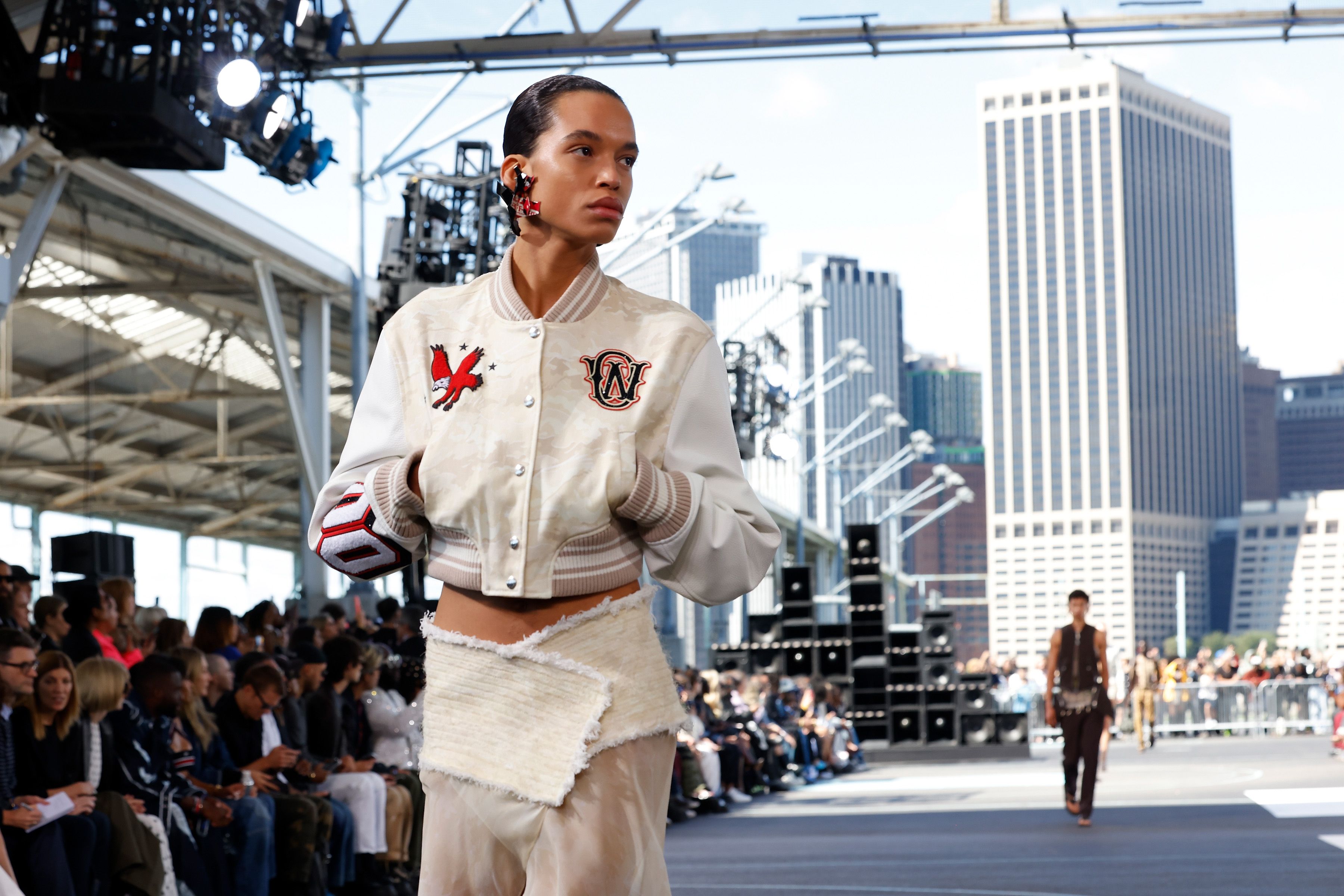
While the catwalk is the main attraction, NYFW encompasses a broader range of activities and events that contribute to its vibrant atmosphere.
Presentations and Showrooms: Intimate Engagements
Alongside traditional runway shows, many designers opt for presentations or showroom displays. These formats offer a more intimate setting, allowing press, buyers, and stylists to view collections up close, examine fabrications, and interact directly with the designer or their team. This method fosters deeper engagement and is particularly favored by emerging designers seeking to build personal relationships within the industry.
Industry Events and Networking: Building Connections
NYFW is a critical period for industry professionals. Buyers from major department stores and boutiques scout for new talent and place orders for upcoming seasons. Editors and stylists identify key pieces for editorial shoots and celebrity dressing. The week is punctuated by exclusive parties, networking events, and trade shows, all designed to facilitate connections and drive business within the fashion world.
Public Engagement and Street Style: The Unofficial Show
In recent years, NYFW has become increasingly accessible to the public, largely through the influence of social media and the rise of street style photography. Beyond the official schedule, the streets surrounding fashion venues transform into a runway of their own. Fashion-conscious individuals, influencers, and attendees don elaborate and trendsetting outfits, creating a captivating visual spectacle that draws crowds and generates significant online buzz. This democratization of fashion allows the public to participate in and be inspired by the week’s energy.
The Economic and Cultural Impact of New York Fashion Week
New York Fashion Week is not merely a fleeting fashion event; it has profound economic and cultural implications that resonate far beyond the immediate glamour.
A Significant Economic Driver
NYFW is a major economic engine for New York City. The influx of international and domestic visitors during the week translates into substantial revenue for hotels, restaurants, transportation, and retail sectors. The fashion industry itself, a significant employer in the city, experiences a boost in orders, partnerships, and investment. Furthermore, the global exposure generated by NYFW elevates New York City‘s status as a leading cultural and commercial capital, attracting further investment and talent.
Shaping Global Trends and Cultural Discourse
The trends unveiled at NYFW have a ripple effect across the globe, influencing sartorial choices for millions. However, its impact extends beyond mere aesthetics. NYFW has increasingly become a platform for designers to address social and political issues, fostering dialogue and reflecting the zeitgeist. From advocating for sustainability to promoting diversity and inclusion, designers are using their platforms to drive cultural conversations, making fashion a more potent force for social change. The collections and the surrounding discourse contribute to the evolving narrative of what fashion represents in the 21st century.

A Nexus for Creativity and Innovation
NYFW remains a crucial incubator for emerging talent. The visibility and connections forged during the week can launch the careers of aspiring designers. It fosters an environment of healthy competition and collaboration, pushing the boundaries of creativity and design. The continuous innovation seen in textiles, silhouettes, and presentation methods ensures that NYFW remains at the forefront of the fashion industry, a testament to the enduring spirit of American design and its global influence.
LifeOutOfTheBox is a participant in the Amazon Services LLC Associates Program, an affiliate advertising program designed to provide a means for sites to earn advertising fees by advertising and linking to Amazon.com. Amazon, the Amazon logo, AmazonSupply, and the AmazonSupply logo are trademarks of Amazon.com, Inc. or its affiliates. As an Amazon Associate we earn affiliate commissions from qualifying purchases.