
For many, owning a boat in Florida isn’t just a hobby; it’s a quintessential part of the lifestyle. The Sunshine State, with its unparalleled coastline, myriad of lakes, and intricate canal systems, offers an aquatic playground unlike any other. From the serene waters of the Gulf of Mexico to the vibrant depths of the Atlantic Ocean, Floridians embrace boating as a way of life, whether for fishing, leisurely cruises, watersports, or simply soaking up the sun. This pervasive maritime culture, however, comes with responsibilities, one of the most significant being boat insurance. Understanding the costs associated with protecting your vessel and your peace of mind is crucial for any boater in Florida. While there’s no single answer to “how much is boat insurance in Florida?”, an insightful exploration into the contributing factors can help you navigate the landscape of premiums and policies. This article delves into the intricacies of boat insurance costs, offering a professional, engaging, and comprehensive guide for the discerning Floridian boater.

The Essence of Boating in Florida: A Lifestyle Choice
Boating in Florida isn’t merely an activity; it’s a declaration of a lifestyle that values freedom, adventure, and connection with nature. From the bustling marinas of Miami and Fort Lauderdale, often dubbed the “Yachting Capital of the World,” to the tranquil shores of the Florida Keys and the diverse waterways near Tampa and Orlando, the state caters to every conceivable type of boater. This vibrant boating scene contributes significantly to the state’s economy and social fabric. However, with such a high concentration of watercraft and year-round activity, the potential for incidents—from minor fender-benders to significant storm damage—is ever-present. This makes boat insurance not just a smart financial decision but an indispensable component of responsible boat ownership. It’s about protecting your investment, your liabilities, and your cherished lifestyle on the water.
Why Insurance is Non-Negotiable
While Florida law does not mandate personal boat insurance for all vessels, most marinas require proof of liability coverage for docking, and many lenders require comprehensive coverage for financed boats. Beyond legal or contractual obligations, boat insurance offers critical protection. Accidents happen, and without proper coverage, the financial repercussions of damage to your boat, injuries to others, or even environmental cleanup can be devastating. For those who embrace the boating lifestyle, insurance is the safeguard that ensures uninterrupted enjoyment and recovery from unforeseen events. It’s an investment in peace of mind, allowing you to focus on the joy of the open water rather than the anxieties of potential risks.
Unpacking the Variables: What Drives Your Boat Insurance Costs?
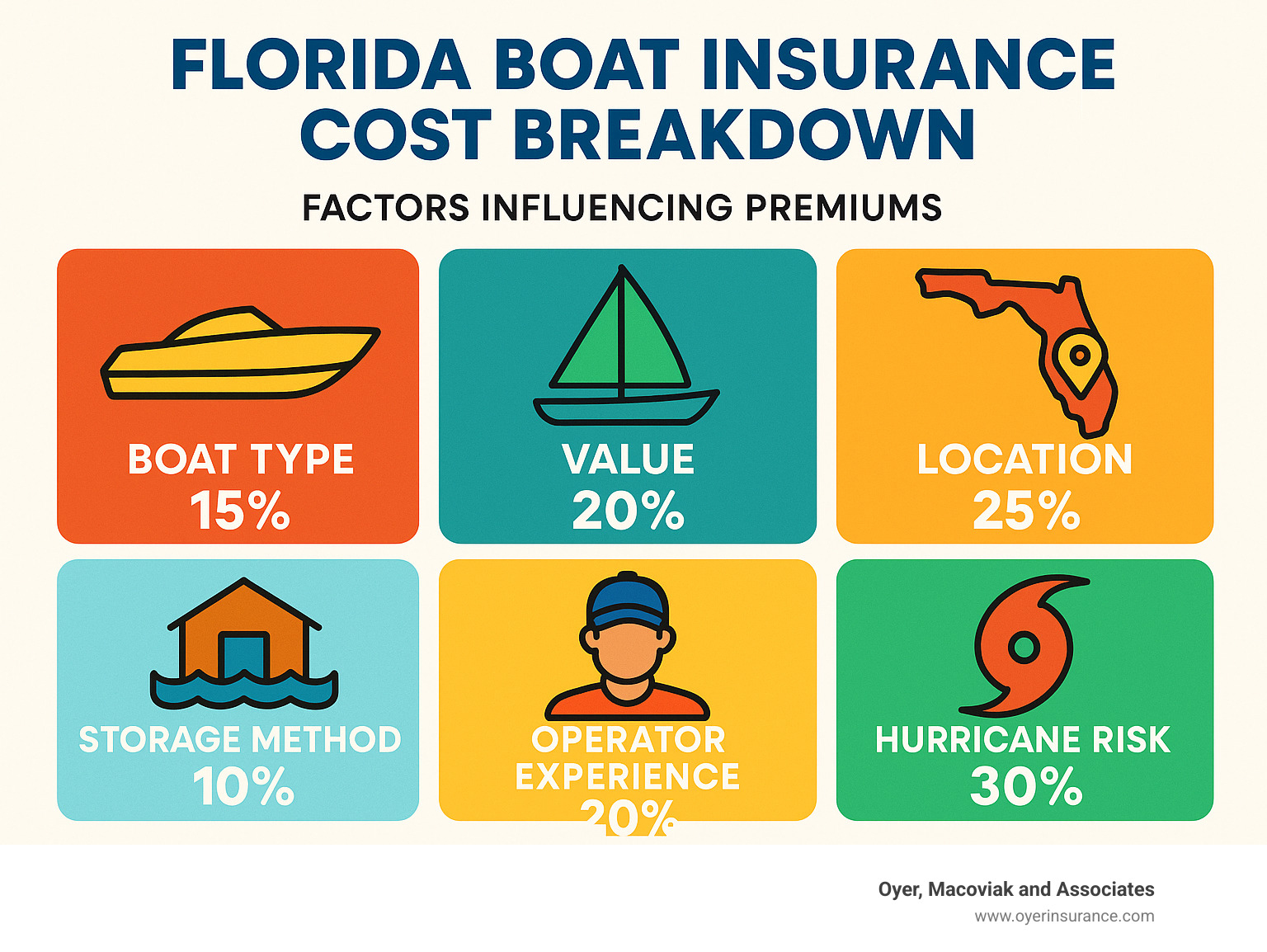
The cost of boat insurance in Florida is highly individualized, reflecting a complex interplay of various factors unique to your vessel, your boating habits, and your personal profile. Understanding these variables is key to comprehending your premium and making informed decisions.
Type, Size, and Value of Your Vessel
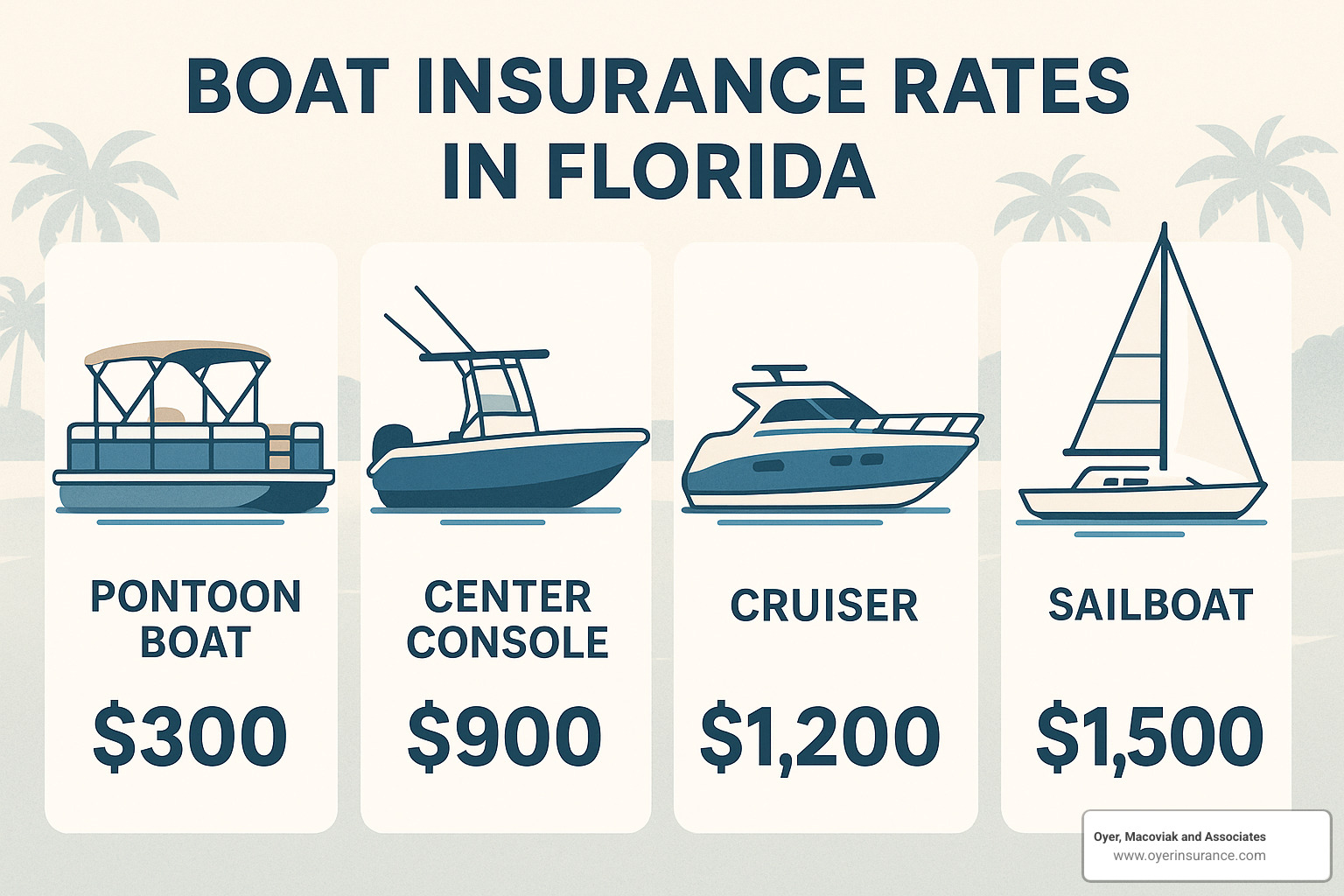
Unsurprisingly, the type, size, and value of your boat are primary determinants. A small personal watercraft (PWC) will cost significantly less to insure than a luxury yacht.
- Vessel Type: Sailboats, fishing boats, pontoons, speedboats, and yachts all carry different risk profiles. High-performance boats or those with specialized equipment (e.g., advanced navigation systems, custom rigging) typically command higher premiums.
- Age and Condition: Newer, well-maintained boats might have lower physical damage premiums due to their reliability, but their higher replacement value can increase costs. Older boats, especially those not regularly maintained, might be deemed higher risk.
- Engine Type and Horsepower: More powerful engines or multiple engines generally lead to higher premiums due due to increased speed potential and repair costs.
- Hull Material: Fiberglass, aluminum, or wooden hulls have different vulnerabilities and repair costs, impacting the premium.
Your Boating Experience and Record
Just like auto insurance, your experience as a boater plays a crucial role.
- Operator Experience: Insurers often favor experienced boaters with a clean record. Newer boaters or those with past claims or violations might face higher premiums.
- Boating Safety Courses: Completing approved boating safety courses (e.g., those from the U.S. Coast Guard Auxiliary or United States Power Squadrons) can often result in significant discounts, demonstrating a commitment to safe operation.
Navigational Area and Storage
Where you boat and how you store your vessel are critical considerations for insurers, especially in Florida.
- Geographic Location: Florida is prone to hurricanes and severe weather, particularly in coastal regions. Boating in high-risk hurricane zones (e.g., South Florida, the Florida Keys) will generally result in higher premiums or specific hurricane deductibles. Boating solely on inland freshwater lakes, like Lake Okeechobee, may incur lower rates.
- Storage Method: Boats stored on a lift, in a secure marina, or on a trailer at home might be considered less risky than those moored in open water, affecting theft and damage risk.
Coverage Levels and Deductibles
The specific coverages you choose and your deductible amounts directly influence your premium. Opting for minimal liability coverage with a high deductible will be cheaper upfront but could leave you exposed to significant out-of-pocket costs later. Conversely, comprehensive coverage with low deductibles offers maximum protection but at a higher premium.
Essential Coverages for the Florida Boater
A robust boat insurance policy typically comprises several key components, each designed to protect against different types of risks. Understanding these coverages is essential for tailoring a policy that meets your specific needs.
Liability Coverage
This is arguably the most critical component. It protects you financially if you are found responsible for causing bodily injury to another person or damage to their property (another boat, a dock, etc.). In Florida’s busy waterways, accidents can happen quickly, and liability claims can be substantial. This coverage typically includes:
- Bodily Injury Liability: Covers medical expenses, lost wages, and pain and suffering for individuals injured by your boat.
- Property Damage Liability: Covers damage to other boats, docks, navigational aids, or other property.
Physical Damage Coverage (Hull Coverage)
This covers damage to your own boat, including its hull, machinery, and permanently attached equipment. This is what protects your investment in the vessel itself.
- Collision Coverage: Pays for repairs or replacement if your boat collides with another vessel or object.
- Comprehensive Coverage: Protects against non-collision incidents such as theft, vandalism, fire, sinking, and damage from natural disasters like hurricanes. Given Florida’s climate, comprehensive coverage is paramount.
Uninsured/Underinsured Boater Coverage
Similar to auto insurance, this protects you if you are involved in an accident with a boater who either has no insurance or insufficient insurance to cover your damages and injuries.
Medical Payments Coverage
This coverage helps pay for immediate medical expenses for you and your passengers if an accident occurs on your boat, regardless of fault.
Additional Coverage Options
Many insurers offer specialized coverages tailored to the boating lifestyle:
- Salvage and Towing: Covers the cost of retrieving your boat if it’s disabled and needs to be towed to shore or salvaged.
- Personal Effects: Protects your personal belongings (e.g., fishing gear, electronics, watersports equipment) on board from theft or damage.
- Wreck Removal: Covers the cost of removing your sunken boat if it becomes a navigational hazard, which can be legally mandated and extremely expensive.
- Fuel Spill Liability: Essential in environmentally sensitive areas, this covers the costs of cleanup and fines associated with fuel spills.
Navigating Savings: Smart Strategies for Lower Premiums
While boat insurance is a necessary expense for the Florida boater, there are several proactive steps you can take to potentially lower your premiums without compromising essential coverage.
Take Boating Safety Courses
As mentioned, completing an approved boating safety course is one of the most effective ways to earn discounts. These courses not only reduce your premium but also enhance your skills and awareness, making you a safer boater. Organizations like the Florida Fish and Wildlife Conservation Commission (FWC) offer resources for finding such courses.
Increase Your Deductible
Opting for a higher deductible means you’ll pay more out-of-pocket if you file a claim, but it can significantly lower your annual premium. Evaluate your financial situation and risk tolerance to find a deductible that works for you.
Install Safety and Anti-Theft Equipment
Equipping your boat with safety features such as GPS trackers, advanced navigation systems, fire extinguishers, bilge alarms, and anti-theft devices can qualify you for discounts. These features demonstrate a commitment to safety and reducing risk.
Maintain a Clean Boating Record
A history free of claims, accidents, or violations speaks volumes to insurers. Operating your boat responsibly and adhering to all maritime laws will help keep your premiums stable and potentially lead to loyalty discounts over time.
Bundle Your Policies
Many insurance providers offer discounts if you bundle your boat insurance with other policies, such as home, auto, or RV insurance. It’s always worth asking your current insurer about potential bundling opportunities.
Winter Lay-Up or Storage Discounts
If you don’t use your boat year-round, particularly during certain months, some policies offer “lay-up” or storage credits. While Florida boasts year-round boating weather, if you primarily use your boat only seasonally (e.g., during specific fishing seasons or tourist influx periods like spring break in South Beach), inquire about this option.
The Florida Factor: Unique Risks and Considerations
Boating in Florida presents a unique set of challenges and considerations that directly impact boat insurance costs and policy structures.
Hurricane Season
Florida is ground zero for hurricane activity. From June 1st to November 30th, the state faces an elevated risk of severe tropical storms. Insurers account for this risk, often implementing:
- Hurricane Deductibles: These are separate, higher deductibles that apply specifically to damage caused by named storms. They are typically a percentage of your boat’s insured value (e.g., 5% or 10%) rather than a flat dollar amount.
- Named Storm Exclusion Periods: During peak hurricane threats, insurers may implement binding restrictions, meaning they won’t issue new policies or allow coverage changes until the threat has passed.
- Hurricane Preparedness Plans: Some policies may require boat owners to have a documented hurricane preparedness plan, detailing how they will secure or move their vessel when a storm approaches.
High Boating Traffic
Florida’s popularity as a boating destination means its waterways, especially around major metropolitan areas like Jacksonville, Tampa Bay, and Miami, can be incredibly congested. This increases the likelihood of collisions and accidents, which is factored into liability and physical damage premiums.
Environmental Sensitivities
With vast stretches of sensitive marine ecosystems, including coral reefs in the Florida Keys National Marine Sanctuary and seagrass beds throughout the state, environmental damage from fuel spills or sinkings carries significant penalties. This underscores the importance of adequate fuel spill liability and wreck removal coverage.
Variety of Watercraft
The sheer diversity of boats in Florida—from airboats in the Everglades to massive cruise ships leaving Port Everglades or Port Canaveral—means insurers must account for a broad spectrum of risks. Each type of vessel has its own set of operational hazards and maintenance requirements, influencing premium calculations.
Ultimately, the cost of boat insurance in Florida is a dynamic figure, influenced by a myriad of personalized and environmental factors. While an average range might sit anywhere from a few hundred dollars annually for a small PWC to tens of thousands for a large yacht, the true cost depends on your individual profile and choices. For the discerning boater, investing time to understand these factors, explore different coverage options, and proactively implement risk-reducing strategies is paramount. It ensures that your boat, your lifestyle, and your financial well-being are adequately protected, allowing you to fully embrace the unparalleled boating experiences Florida has to offer.
LifeOutOfTheBox is a participant in the Amazon Services LLC Associates Program, an affiliate advertising program designed to provide a means for sites to earn advertising fees by advertising and linking to Amazon.com. Amazon, the Amazon logo, AmazonSupply, and the AmazonSupply logo are trademarks of Amazon.com, Inc. or its affiliates. As an Amazon Associate we earn affiliate commissions from qualifying purchases.