
Navigating the financial landscape of any destination is a crucial aspect of responsible travel, and for those planning an extended stay or a significant expenditure in the Empire State, understanding New York State tax is paramount. While the allure of iconic landmarks like the Statue of Liberty and the vibrant energy of New York City might dominate initial travel planning, a pragmatic approach necessitates an awareness of the fiscal responsibilities associated with your visit. This guide aims to demystify New York State tax, providing travelers and visitors with the essential knowledge to budget effectively and avoid unexpected costs during their exploration of this diverse and dynamic state. From the bustling streets of Manhattan to the serene beauty of the Adirondack Mountains, understanding the tax implications will contribute to a smoother and more enjoyable experience.
Understanding the Core Components of New York State Tax
New York State tax, in its broadest sense, encompasses a variety of levies imposed by the state government on individuals and businesses. For travelers and visitors, the most pertinent forms of taxation typically revolve around consumption and, in some cases, income. This section will delve into the primary taxes that are likely to affect your expenditures and financial activities while within the state’s borders, focusing on those that directly impact tourism and short-term stays.
Sales and Use Tax: The Traveler’s Primary Consideration
The most direct and pervasive form of New York State tax for visitors is the sales and use tax. This tax is levied on the retail sale of tangible personal property and certain services. When you purchase souvenirs in Times Square, dine at a restaurant in Buffalo, or book a stay at a charming bed and breakfast in the Hudson Valley, sales tax is likely to be applied.
How Sales Tax is Calculated and Applied
The general state sales tax rate in New York is 4%. However, this rate is augmented by local sales taxes, which vary significantly depending on the county. This means that the total sales tax rate can range from 4% to over 8.75% in certain localities. For instance, purchases made within New York City are subject to a combined state and local rate of 8.875%. It is essential for travelers to be aware of these local variations, as a purchase made in Albany will have a different tax burden than an identical purchase in Rochester. This tax is typically added at the point of sale, and the listed price of goods and services generally does not include the tax.
The Role of Use Tax
While sales tax is applied at the time of purchase, use tax is designed to capture tax on items purchased outside of New York State but used, stored, or consumed within the state. This primarily applies to situations where an item was bought tax-free or at a lower tax rate elsewhere and then brought into New York. For most transient visitors, the direct impact of use tax is minimal, as it’s more commonly a concern for residents or businesses bringing significant purchases into the state. However, if you were to purchase a large item online and have it shipped to your temporary New York address, use tax principles could come into play if sales tax wasn’t collected at the point of purchase.
Other Potentially Relevant Taxes for Visitors
Beyond sales and use tax, other forms of New York State tax might indirectly affect your travel experience or become relevant depending on the nature and duration of your visit.
Hotel Occupancy Tax
Many localities in New York State impose a hotel occupancy tax, often referred to as a “hotel tax” or “lodging tax.” This tax is levied on the rental of hotel rooms, motels, and other forms of temporary lodging. While it is a local tax, it is administered and collected by the hotel establishments, who then remit it to the relevant government authorities. The rates for hotel occupancy taxes vary widely by county and city, and they are often in addition to the state and local sales tax. Therefore, when budgeting for accommodation in places like the Finger Lakes or staying at a resort near Niagara Falls, factor in these additional lodging taxes. These can add a significant percentage to your nightly rate, so it’s wise to inquire about the total tax inclusive price when booking.
Rental Car Taxes
If you plan to rent a vehicle for your journey across New York, be aware that rental car companies are subject to various taxes and fees, which are passed on to the consumer. These can include sales tax, as well as specific local taxes or surcharges related to vehicle rentals. These charges will be itemized on your rental agreement and contribute to the overall cost of renting a car.
Tax Implications for Extended Stays and Business Travel
While many tourists engage in short-term visits, those planning longer stays or conducting business in New York may encounter more complex tax considerations. This section addresses how New York State tax can extend beyond simple retail purchases for individuals who spend more time or conduct economic activities within the state.
Income Tax: When Does it Apply to Non-Residents?
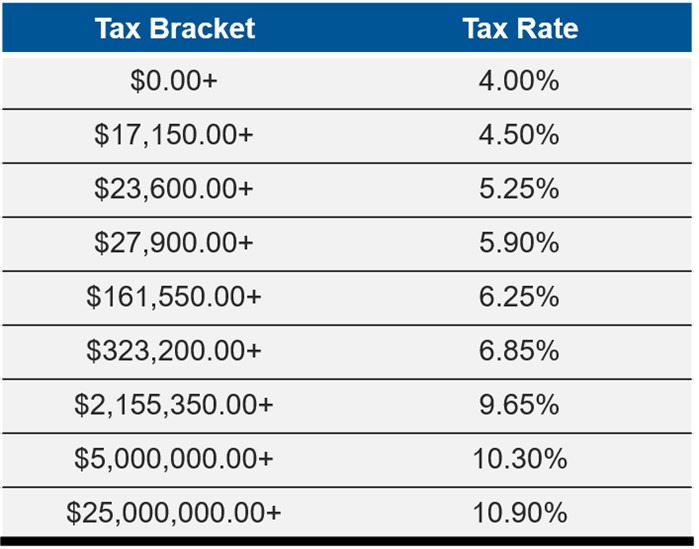
New York State imposes income tax on individuals who are residents of the state, as well as on non-residents who earn income from New York sources. For a typical tourist, earning income while on vacation is uncommon, and thus, state income tax is generally not a concern. However, if a visitor engages in freelance work, consulting, or any other form of employment while physically present in New York, that income may be subject to New York State income tax.
Establishing Residency for Tax Purposes
New York State has specific rules for determining residency, which often hinge on factors like the number of days spent in the state, the presence of a permanent home, and intent. Generally, spending a significant amount of time in New York, beyond a typical tourist visit, could potentially lead to establishing residency for tax purposes. This means you could become liable for New York income tax on your worldwide income, not just income earned within the state. Understanding these residency rules is crucial for individuals contemplating extended stays or relocation.
Income Sourced Within New York
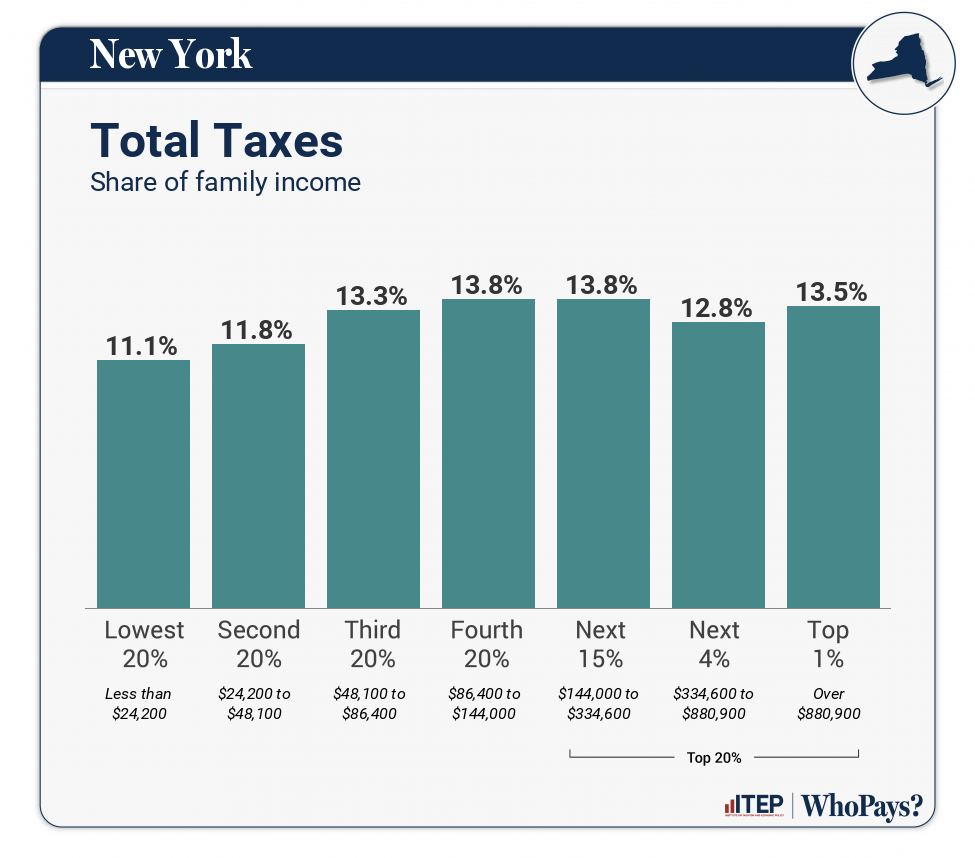
Even if you are not considered a New York resident, income earned from services performed or business conducted within the state is considered New York source income. This means that if you are a self-employed individual from, say, California, and you travel to Syracuse to perform a paid consulting gig, the income derived from that work would likely be taxable by New York State. Tax treaties or credits may exist between your home state and New York to prevent double taxation, but proper reporting is essential.
Business-Related Taxes for Visiting Entrepreneurs
Individuals or companies planning to conduct business activities in New York, even on a temporary basis, may face various business taxes. This can include sales tax on goods or services provided within the state, corporate income tax (if structured as a corporation), and other industry-specific taxes.
Nexus and Business Activity
The concept of “nexus” is central to business taxation. If a business has sufficient connection or presence within New York State (e.g., employees, offices, property, or significant sales), it may establish nexus and become liable for state taxes. For visiting entrepreneurs, this means that even a short-term business venture could trigger tax obligations. Consulting with a tax professional is highly recommended for those planning to engage in business activities within New York.
Navigating Tax Exemptions and Special Considerations
While taxes are a ubiquitous part of any economic transaction, New York State does offer certain exemptions and considerations that can impact visitors. Being aware of these can lead to potential savings and a clearer understanding of your financial obligations.
Exemptions from Sales and Use Tax
Certain goods and services are exempt from New York State sales and use tax. These often include:
- Most Food Products: Groceries and most food items intended for home consumption are generally exempt from sales tax. However, prepared foods sold for immediate consumption, such as those from delis or restaurants, are typically taxed.
- Prescription Medications: Medicines sold with a prescription from a licensed physician are exempt.
- Certain Services: While many services are taxable in New York, some specific professional or personal services may be exempt depending on their nature.
For travelers, the most commonly encountered exemption pertains to food purchased for consumption off-premises. It’s always advisable to ask the vendor if a particular item or service is taxable.
Tax Treatment of Goods Shipped Out of State
If you make a significant purchase in New York and arrange for it to be shipped directly to an out-of-state address, you may be exempt from New York sales tax. This often applies to large items like furniture or electronics purchased from a New York retailer. The key is that the retailer must ship the item directly to the out-of-state destination. If you take possession of the item yourself in New York and then ship it later, or transport it yourself, New York sales tax will likely apply. This can be a significant consideration for travelers purchasing high-value goods while visiting cities like New York City or Schenectady.
The Importance of Documentation and Record-Keeping
Regardless of whether you are a transient visitor or planning a longer stay, maintaining good records of your expenditures can be beneficial. For tax purposes, this means keeping receipts for purchases where tax was applied, especially for larger items or if you are engaged in any business activities. This documentation can be invaluable if you need to claim exemptions, report income, or understand your tax liabilities. For businesses operating in New York, meticulous record-keeping is a legal requirement and a cornerstone of tax compliance.
Resources for Further Information
Understanding the intricacies of New York State tax can be complex, and the information provided here is intended as a general overview for travelers and visitors. For specific advice tailored to your individual circumstances, it is always recommended to consult official resources or seek professional guidance.
Official New York State Tax Resources
The primary authority on New York State tax matters is the New York State Department of Taxation and Finance. Their official website is a comprehensive repository of information, including:
- Tax Rates: Detailed information on state and local sales tax rates, as well as hotel occupancy tax rates.
- Publications and Forms: Guidance documents, brochures, and tax forms related to various taxes.
- Tax Law: Access to the New York State Tax Law and related regulations.
- Contact Information: Ways to reach the Department of Taxation and Finance for specific inquiries.
Navigating the official website can provide precise details on tax obligations for specific purchases, services, or income earned within the state.

When to Seek Professional Tax Advice
While most transient visitors will only encounter sales and occupancy taxes, situations can arise that warrant professional advice. This is particularly true for:
- Individuals establishing residency or spending extended periods in New York.
- Those earning income while physically present in New York.
- Businesses planning to operate or conduct significant sales within the state.
- Individuals making large purchases and exploring shipping exemptions.
A qualified tax advisor or an accountant specializing in New York State tax law can provide personalized guidance, ensure compliance, and help you navigate any potential tax liabilities effectively. By taking the time to understand these fiscal considerations, your journey through the diverse landscapes and vibrant cities of New York State can be both enriching and financially sound.
LifeOutOfTheBox is a participant in the Amazon Services LLC Associates Program, an affiliate advertising program designed to provide a means for sites to earn advertising fees by advertising and linking to Amazon.com. Amazon, the Amazon logo, AmazonSupply, and the AmazonSupply logo are trademarks of Amazon.com, Inc. or its affiliates. As an Amazon Associate we earn affiliate commissions from qualifying purchases.