
Understanding the tax implications of your visit or stay in New York State is crucial for budgeting and making informed financial decisions. Whether you’re planning a brief getaway to experience the vibrant energy of New York City, a serene retreat in the Adirondack Mountains, or a longer-term accommodation in a charming town, navigating the various tax rates can seem complex. This guide aims to demystify the New York State tax landscape, focusing specifically on how it impacts travelers and those seeking temporary lodging.
Understanding the Components of New York State Sales Tax
New York State’s sales tax is not a single, monolithic entity. It’s a combination of state, local, and often metropolitan commuter transportation district taxes. For travelers, understanding these layers is key to accurately estimating the final cost of goods and services, particularly accommodations.
The Base State Sales Tax
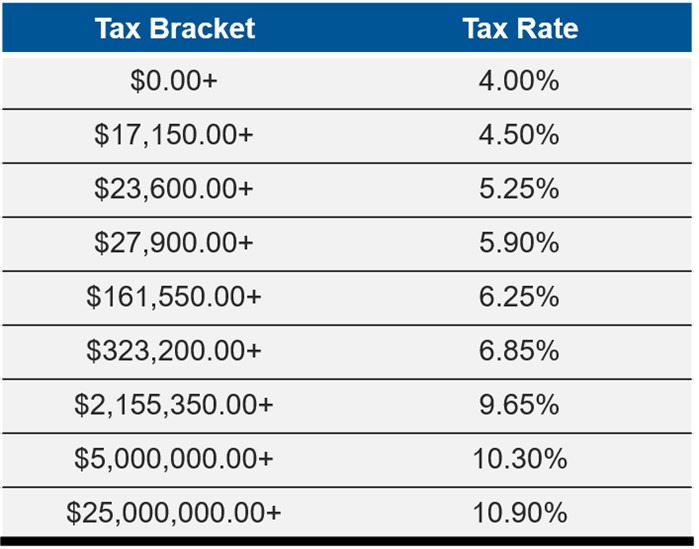
The fundamental component of sales tax in New York is the state-level rate. This rate is applied across the entire state to a wide range of taxable goods and services. For consumers, this means that every purchase, from souvenirs in Times Square to a meal in a upstate restaurant, will have this base tax added. The state sales tax rate provides essential funding for public services throughout New York.
Local Sales Taxes: A Layered Approach
Beyond the state rate, counties and, in some cases, cities levy their own local sales taxes. This is where the variation becomes significant. Each county can set its own local sales tax rate, meaning the total sales tax you pay can differ considerably depending on your exact location within the state. For instance, the tax rate in New York City will differ from that in Buffalo or a more rural county. These local taxes are crucial for funding local government services, such as schools, police departments, and infrastructure projects. When you are considering different destinations, such as booking a stay at the Mohonk Mountain House in the Hudson Valley versus a hotel in Albany, the local sales tax component will be a factor in the overall cost.
Metropolitan Commuter Transportation District (MCTD) Surtax
In addition to the state and local sales taxes, certain regions have an additional tax known as the Metropolitan Commuter Transportation District (MCTD) Surtax. This surtax applies specifically within the Metropolitan Commuter Transportation District, which encompasses New York City and the surrounding suburban counties that are part of the Metropolitan Transportation Authority (MTA) service area. This extra layer of taxation is dedicated to funding public transportation services within this highly populated region. Therefore, visitors traveling to or within this district will encounter a slightly higher total sales tax rate compared to areas outside of the MCTD.
Sales Tax on Accommodations in New York State

For travelers looking for a place to stay, understanding how sales tax applies to hotel rooms, apartments, and other forms of accommodation is particularly important. This often involves more than just the standard sales tax; it can include occupancy taxes.
The Impact of Occupancy Taxes on Short-Term Stays
When you book a hotel room, resort, or vacation rental for a short period, you will typically be subject to not only the combined state and local sales tax but also an occupancy tax. This tax is levied on the rental of lodging accommodations and is often set by the municipality or county where the property is located. For example, a stay at a boutique hotel in the Finger Lakes region might have a different occupancy tax rate than a luxury resort in the Catskill Mountains. These taxes help fund local tourism initiatives, infrastructure improvements, and other services that benefit the hospitality industry and visitors. It’s always advisable to factor these occupancy taxes into your accommodation budget when planning a trip to destinations like Niagara Falls or Saratoga Springs.
Differentiating Between Hotel Rooms and Long-Term Rentals
The application of taxes can sometimes differ between short-term hotel stays and longer-term accommodation rentals. While both are generally subject to sales and occupancy taxes, the specific rates and exemptions can vary. For instance, many states and localities offer exemptions on occupancy taxes for rentals exceeding a certain duration, such as 30 consecutive days. This means that if you are considering a longer stay in an apartment rental or a prolonged visit to a resort, such as the Omni Berkshire Place, you may find that the occupancy tax is waived after a specific period. This distinction is crucial for individuals planning extended business trips or immersive travel experiences within New York State. Always verify the tax regulations with your accommodation provider to understand the full cost.
Navigating Specific Tax Rates and Exemptions
While the general principles of sales and occupancy taxes apply across New York State, understanding specific rates and potential exemptions can lead to significant savings.
Current State and Local Sales Tax Rates
As of the most recent updates, the statewide sales tax rate in New York is 4%. However, this is rarely the total rate you will pay. Local sales taxes vary widely by county. For example, New York City has a combined state and local sales tax rate that typically reaches 8.875%. Other counties may have rates ranging from 7% to over 9%. The Metropolitan Commuter Transportation District adds an additional 0.375% to the rate in its jurisdiction. Staying informed about the specific rates for your intended destination, whether it’s a bustling city like Rochester or a quiet town in the Thousand Islands, is essential for accurate budgeting. Many government websites provide detailed breakdowns of these rates by county.
Common Exemptions and Considerations for Travelers
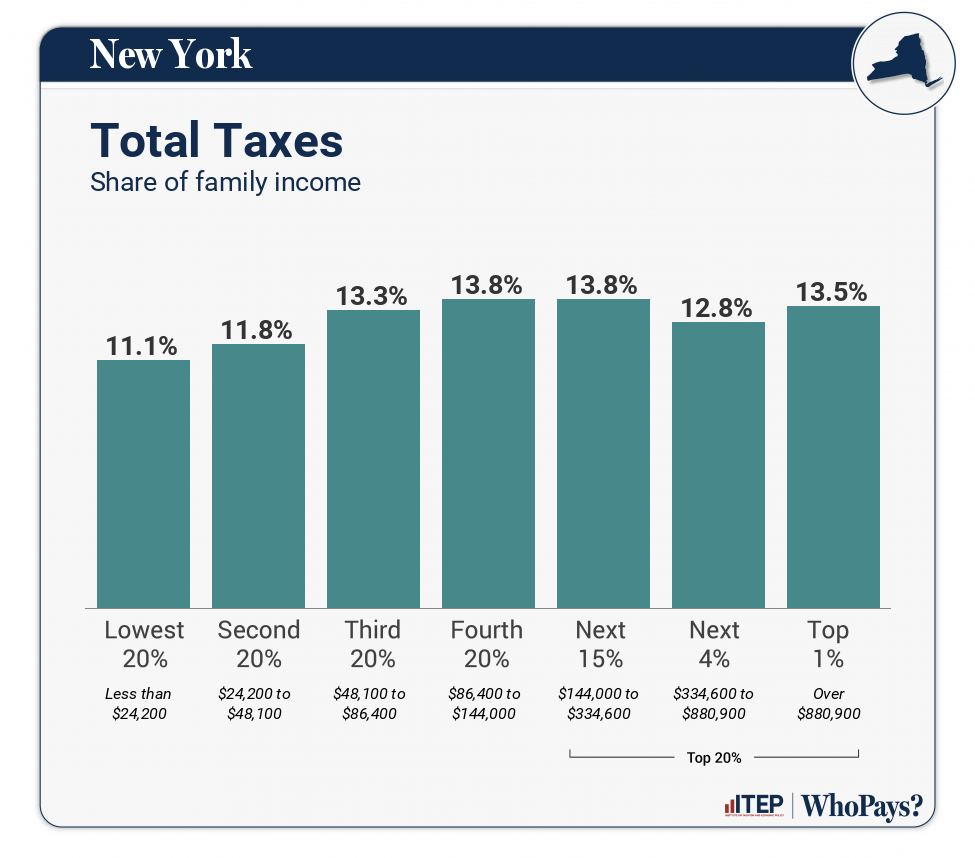
Certain goods and services may be exempt from sales tax, and understanding these can be beneficial for travelers. For instance, basic groceries are typically exempt from sales tax. However, prepared foods, such as those purchased from a deli or restaurant, are usually taxable. Clothing and footwear purchased for less than $110 per item are also generally exempt from state sales tax, though local taxes may still apply. For accommodations, as mentioned earlier, longer-term stays (usually over 30 days) can be exempt from occupancy taxes. Additionally, certain organizations or types of purchases might qualify for exemptions, although these are less common for typical tourists. It’s always a good practice to inquire about potential exemptions or specific tax treatments when making significant purchases or booking extended stays at establishments like the Waldorf Astoria New York. Staying informed about these nuances can help you manage your travel expenses more effectively.
LifeOutOfTheBox is a participant in the Amazon Services LLC Associates Program, an affiliate advertising program designed to provide a means for sites to earn advertising fees by advertising and linking to Amazon.com. Amazon, the Amazon logo, AmazonSupply, and the AmazonSupply logo are trademarks of Amazon.com, Inc. or its affiliates. As an Amazon Associate we earn affiliate commissions from qualifying purchases.