
Embarking on a journey across the Sunshine State, from the historic northern city of Jacksonville to the vibrant, tropical metropolis of Miami, is a quintessential Florida experience. Whether you’re planning a leisurely road trip, a swift flight, or a comfortable bus or train ride, understanding the distance and various travel options is the first step towards a seamless adventure. This guide aims to demystify the journey, providing insights into distances, estimated travel times, popular routes, and what to expect along the way, ensuring your travel plans are as smooth as the Florida coastline.

Jacksonville, often referred to as “Jax,” is the largest city by land area in the contiguous United States and a hub of business, military presence, and beautiful Atlantic Ocean beaches. Its character is distinctly Northeast Florida, offering a blend of Southern charm, a thriving arts scene, and extensive natural parks. Miami, on the other hand, is the glittering jewel of South Florida, renowned for its dazzling beaches, dynamic nightlife, rich Latin culture, and status as an international finance and cultural center. The contrast between these two cities makes the journey between them not just a physical distance covered but a transition through diverse Florida landscapes and experiences.
The Straightforward Answer: Distance and Time
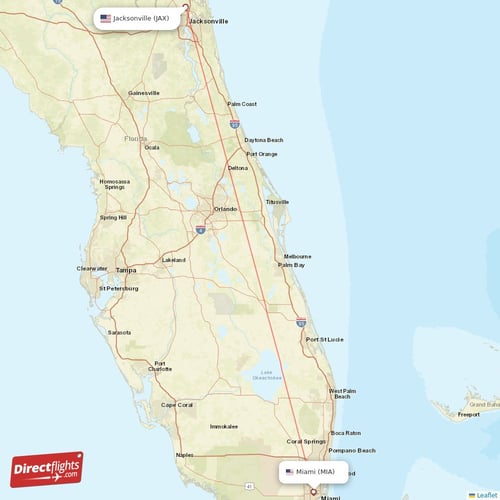
The journey from Jacksonville to Miami covers a significant stretch of Florida’s eastern seaboard. While the exact distance can vary slightly depending on your specific starting and ending points within each city and the chosen route, here’s a general overview.
Driving Distance and Estimated Travel Time
The most common and practical way to travel between Jacksonville and Miami is by car. The primary route utilizes Interstate 95 (I-95), a major north-south artery that runs parallel to the Atlantic coast.
- Distance: Approximately 340 to 350 miles (547 to 563 kilometers).
- Estimated Driving Time: Without significant stops, heavy traffic, or unexpected delays, the drive typically takes between 5.5 and 6 hours.
It’s crucial to factor in potential variables. Traffic can be particularly dense around major metropolitan areas like Daytona Beach, Orlando (if taking a slightly inland route or near its connecting highways), Fort Lauderdale, and especially as you approach Miami itself, especially during rush hour or peak tourist seasons. Planning for at least one or two rest stops for fuel, meals, or stretching will easily add an hour or more to your journey, making a full day’s travel more realistic.
Alternative Modes of Transportation
While driving offers the most flexibility, other options cater to different preferences for speed, cost, and convenience.
- Air Travel: A direct flight between Jacksonville International Airport (JAX) and Miami International Airport (MIA) or Fort Lauderdale-Hollywood International Airport (FLL) typically takes around 1 hour and 15 minutes to 1 hour and 30 minutes. However, when you factor in travel to and from airports, security checks, and boarding, the total door-to-door travel time can easily stretch to 4-5 hours or more.
- Bus Services: Companies like Greyhound offer routes between the two cities. Bus travel is generally the most economical option but also the slowest, with journey times ranging from 7 to 9 hours or even longer, depending on the number of stops and transfers.
- Train Services: Amtrak provides train service along Florida’s eastern corridor. While a comfortable and scenic way to travel, train journeys are also longer than driving, typically taking 6.5 to 8 hours, again depending on the specific schedule and number of stops.
Navigating the Journey: Route Options and Road Trip Tips
For those opting for a road trip, the journey from Jacksonville to Miami offers both direct efficiency and opportunities for scenic detours.
The Primary Route: Interstate 95
The most direct and widely used route is to take I-95 South from Jacksonville all the way to Miami. This multi-lane highway is generally well-maintained and offers numerous exits for gas, food, and lodging.
- Efficiency: I-95 is designed for through-traffic, minimizing local stops and maximizing speed limits.
- Points of Interest along I-95 (or slight detours):
- St. Augustine: Just south of Jacksonville, America’s oldest continuously inhabited European-established settlement offers rich history, cobblestone streets, and the impressive Castillo de San Marcos. A worthwhile stop for a few hours or an overnight stay.
- Daytona Beach: Famous for its motorsports, the “World’s Most Famous Beach” is about halfway between the two cities. Great for a quick stretch and some beach air.
- Kennedy Space Center: A slightly longer detour inland from Titusville (Exit 220), this is an unforgettable experience for space enthusiasts.
- Cocoa Beach: Close to the Kennedy Space Center, it’s a classic surf town with a laid-back vibe.
- Fort Lauderdale: As you get closer to Miami, Fort Lauderdale is a major city known for its canals, beaches, and vibrant arts scene.
Scenic Alternatives

While I-95 is the quickest, adventurers might consider parts of A1A (Highway A1A), the scenic coastal highway. Taking A1A would significantly increase travel time, potentially adding several hours, but it offers unparalleled views of the Atlantic, charming beach towns, and a slower pace. This is best reserved for those with ample time and a desire to explore Florida’s coastal communities in depth. You could drive sections of A1A and then rejoin I-95.
Another alternative is to use the Florida Turnpike for parts of the journey, particularly from Orlando southward. While it’s a toll road, the Turnpike can sometimes offer a smoother, faster ride by bypassing some of the heavier local traffic found on I-95, especially around Orlando and West Palm Beach.
Essential Road Trip Considerations
- Tolls: Be prepared for tolls, especially if using the Florida Turnpike or certain express lanes on I-95 in South Florida. An electronic toll pass like SunPass (or E-ZPass if your transponder is compatible) is highly recommended for convenience.
- Fuel and Rest Stops: Plan your stops. While service stations are abundant along I-95, knowing where you’ll refuel and rest helps maintain momentum.
- Navigation: Utilize GPS apps (Google Maps, Waze) for real-time traffic updates and accurate directions.
- Vehicle Maintenance: Ensure your vehicle is in good condition for a long drive, checking tires, oil, and fluids before departure.
- Hydration and Snacks: Keep water and snacks handy to avoid unnecessary stops and stay refreshed.
Exploring Travel Options Beyond Driving
While the open road calls to many, not everyone prefers to drive. Florida’s travel infrastructure offers viable alternatives for traversing the state.
Flying Between Jacksonville and Miami
For speed and efficiency, air travel is unmatched.
- Airports: Your departure point will be Jacksonville International Airport (JAX). For arrival, you have two primary options in South Florida: Miami International Airport (MIA) or Fort Lauderdale-Hollywood International Airport (FLL). FLL is often a popular choice due to potentially lower fares and sometimes less congestion than MIA, and it’s only about a 30-minute drive north of downtown Miami.
- Flight Duration: Direct flights are typically just over an hour.
- Cost and Logistics: Flight prices fluctuate based on season, booking time, and airline. Remember to factor in the cost and time of getting to and from the airports, parking fees, and baggage fees. For solo travelers or those with tight schedules, flying can be a competitive option despite the perceived “short” flight.
Bus and Train Services
For budget-conscious travelers or those who prefer to sit back and relax, bus and train services offer an alternative.
- Bus (Greyhound): Greyhound operates multiple daily services between Jacksonville and Miami.
- Pros: Generally the cheapest option, no need to drive or worry about parking.
- Cons: Longest travel times (7-9+ hours), comfort can vary, and schedules can be less flexible.
- Train (Amtrak): Amtrak’s “Silver Service” (Silver Star and Silver Meteor lines) connects Jacksonville (JAX) to Miami (MIA).
- Pros: More spacious seating than a bus, opportunities to walk around, and a relaxed way to see parts of Florida’s interior.
- Cons: Longer travel times than driving (6.5-8 hours), and tickets can sometimes be comparable to budget flights if not booked in advance.
- Brightline (High-Speed Rail): While Brightline currently doesn’t extend to Jacksonville, it’s a significant modern rail option for those traveling within South and Central Florida (e.g., Orlando to Miami). If you combine an Amtrak or bus journey to Orlando, you could then transition to Brightline for a much faster and more luxurious trip to Miami.
What to Expect: From Northeast to South Florida
The journey from Jacksonville to Miami is more than just covering miles; it’s an experience of transitioning through distinct Florida environments and cultures.
Geographic and Climatic Shifts
As you travel south, you’ll notice subtle but definite changes in the landscape. Northeast Florida has a more temperate, humid subtropical climate, with pine forests, marshes, and expansive river systems. As you approach Central Florida, the landscape often shifts to citrus groves and vast flatlands. By the time you enter South Florida, the climate becomes more tropical, with palm trees becoming ubiquitous, and the vegetation more lush and exotic. Expect warmer temperatures, especially in winter months, and a higher likelihood of afternoon thunderstorms during the summer rainy season in South Florida.
Cultural and Recreational Differences
The cultural atmosphere also transforms significantly. Jacksonville offers a blend of Southern hospitality, a strong naval presence, and a growing urban arts scene, alongside its historic beaches. Its recreation often revolves around its vast parks, waterways, and local sports.
Miami, in stark contrast, is a vibrant, multicultural hub with a pronounced Latin American and Caribbean influence. The city pulsates with energy, known for its iconic Art Deco architecture in South Beach, world-class dining, pulsating nightlife, and a thriving arts district (Wynwood, Design District). Recreation in Miami often involves beach activities, luxury shopping, international festivals, and exploring diverse neighborhoods like Little Havana and Coconut Grove. The transition highlights the incredible diversity within Florida itself.
In conclusion, the distance between Jacksonville and Miami is substantial, making the journey a notable part of any Florida itinerary. Whether you prioritize speed, cost, or scenic exploration, a well-planned trip using the primary I-95 route, a quick flight, or a leisurely train/bus ride will get you from the business-centric north to the tropical allure of the south. Whichever mode of transport you choose, the journey promises a fascinating glimpse into the diverse landscapes and cultures that make Florida such a captivating travel destination.
LifeOutOfTheBox is a participant in the Amazon Services LLC Associates Program, an affiliate advertising program designed to provide a means for sites to earn advertising fees by advertising and linking to Amazon.com. Amazon, the Amazon logo, AmazonSupply, and the AmazonSupply logo are trademarks of Amazon.com, Inc. or its affiliates. As an Amazon Associate we earn affiliate commissions from qualifying purchases.