
The iconic New York pizza is a culinary cornerstone of the city, instantly recognizable by its distinctive crust. More than just a base for toppings, the crust is the foundation upon which the entire New York pizza experience is built. It’s a testament to a specific time, place, and a particular method of preparation that has evolved over decades, yet retains its essential character. Understanding what defines New York-style crust is to delve into the heart of the city’s beloved pizza culture, a culture that extends far beyond its geographical boundaries and influences pizzerias worldwide. This exploration will dissect the elements that make this crust unique, from its historical origins to its tactile and gustatory qualities, and why it remains a benchmark for pizza aficionados.
The Genesis of a Legend: Historical Roots and Influences
The narrative of New York-style pizza, and by extension its crust, is intrinsically linked to the waves of Italian immigration that shaped the culinary landscape of the late 19th and early 20th centuries. While pizza itself originated in Naples, Italy, its adaptation in New York developed a distinct personality. The economic realities and available ingredients of the time played a crucial role. Immigrants sought to recreate a taste of home with the resources at hand, leading to innovations that would eventually define the American pizza.
Early Pizzerias and the Coal-Fired Oven Era
The first pizzerias in New York City, such as Lombardi’s (often cited as the first in the United States, established in 1905), were instrumental in popularizing this Italian import. These early establishments typically employed coal-fired ovens. The intense, dry heat generated by coal is a critical factor in achieving the characteristic char and crispness of a New York-style crust. This high-temperature baking environment is not merely a detail; it’s a defining element that contributes significantly to the crust’s texture and flavor profile. The rapid cooking process allows the dough to puff up quickly, creating a desirable contrast between a tender interior and a slightly crispy exterior.
Adaptation to American Palates and Ingredients
As pizza became more widespread, it adapted to American tastes. The readily available ingredients in New York, particularly high-gluten flour, contributed to the dough’s elasticity and chew. Unlike the softer, more delicate crusts of some Neapolitan variations, New York-style dough is designed to be sturdy enough to hold a generous amount of sauce and cheese, yet flexible enough to be folded. This practicality, born out of necessity and evolving culinary preferences, is a hallmark of the New York pizza’s enduring appeal. The emphasis shifted from a pure replication of Italian tradition to an evolution that embraced local resources and consumer demand.
The Anatomy of Perfection: Ingredients and Dough Preparation
The soul of New York-style crust lies in its carefully selected ingredients and the meticulous process of dough preparation. These elements are not to be underestimated, as they are the building blocks of the unique texture and flavor that distinguishes it from other pizza styles.
Flour: The High-Gluten Foundation
The choice of flour is paramount. New York-style pizza dough typically relies on high-gluten flour, also known as bread flour. This type of flour, with its high protein content (around 12-14%), is crucial for developing a strong gluten network. Gluten is what gives dough its elasticity and chew. When the dough is kneaded, the gluten strands align and form a resilient structure. This allows the dough to be stretched thinly without tearing, a characteristic of New York pizza, and contributes to the satisfying bite. The protein in the flour also aids in trapping gases produced by the yeast during fermentation, leading to a lighter, airier interior when baked.
Water, Yeast, Salt, and Olive Oil: The Supporting Cast
Beyond flour, a few simple, high-quality ingredients complete the dough’s composition.
- Water: The hydration level (the ratio of water to flour) is carefully controlled. New York-style dough typically has a moderate hydration, usually around 60-65%. This level of hydration contributes to a dough that is workable yet not overly sticky, allowing for thin stretching and a crispier bake.
- Yeast: Fresh or active dry yeast is used to leaven the dough, creating the airy pockets that give the crust its texture. The fermentation process, often involving a slow, cold rise (refrigeration), allows for complex flavor development.
- Salt: Essential for flavor, salt also controls the yeast activity and strengthens the gluten structure, contributing to the overall texture and chew.
- Olive Oil: A small amount of olive oil is often incorporated into the dough. This adds a subtle richness, helps tenderize the crust, and contributes to its characteristic golden-brown color and slight crispness upon baking.
The Kneading and Fermentation Ritual
The process of preparing the dough is as important as the ingredients themselves.

- Kneading: The dough is typically kneaded until it becomes smooth, elastic, and passes the “windowpane test” – where a small piece of dough can be stretched thin enough to see light through it without tearing. This ensures optimal gluten development.
- Fermentation: After kneading, the dough is allowed to ferment. A crucial aspect for many New York pizzerias is a slow, cold fermentation process. This involves refrigerating the dough for an extended period, often 24 to 72 hours. This extended fermentation allows enzymes to break down starches and proteins, developing a more complex, nuanced flavor and improving the texture of the final crust. The slow rise also creates larger, more irregular air pockets within the dough, contributing to a desirable chewiness.
The Signature Texture and Taste: What It Feels and Tastes Like
The culmination of these ingredients and techniques results in a crust that is immediately identifiable by its tactile and gustatory qualities. It’s a symphony of textures and subtle flavors that makes New York pizza an enduring favorite.
The Crispy Exterior, Tender Interior Dichotomy
The hallmark of New York-style crust is its distinctive texture: a delicate balance between crispness and chewiness.
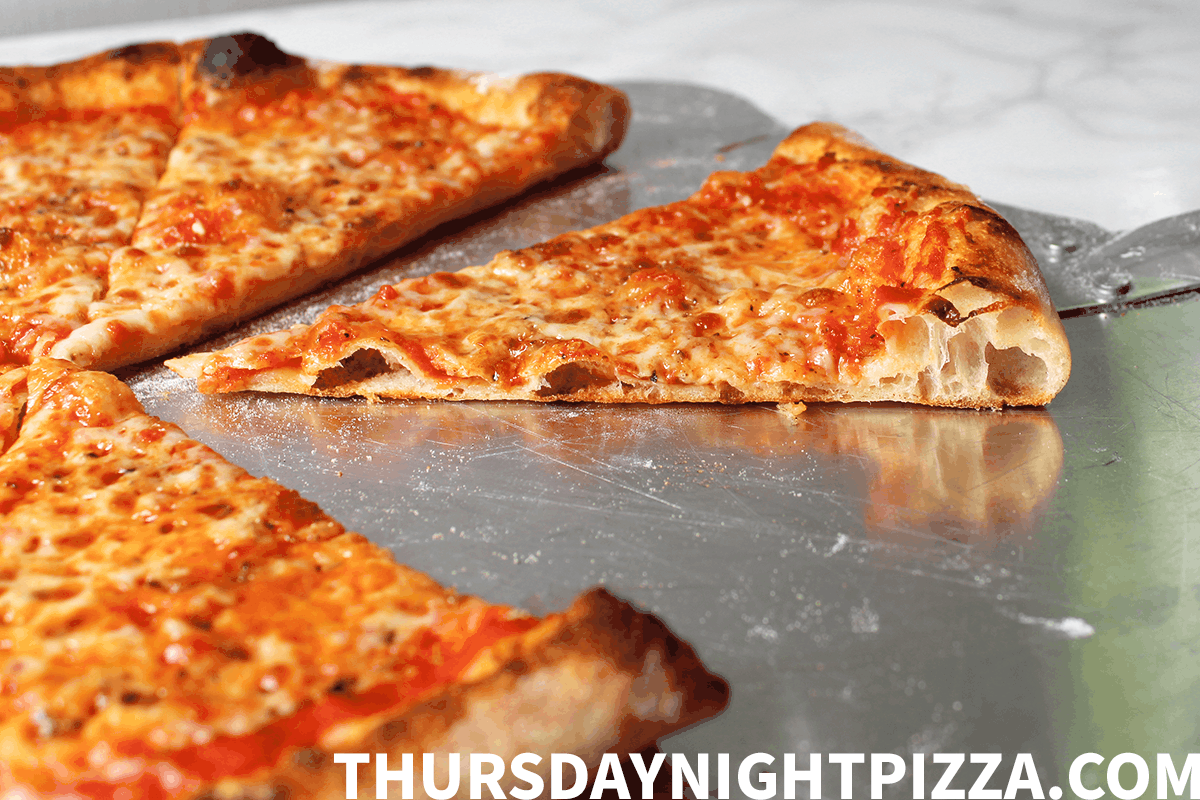
- The Undercarriage: The bottom of the crust, often referred to as the “shoe leather” by some enthusiasts (in a good way!), should be thin, firm, and slightly charred, especially around the edges of the pie. This crispness is achieved through the high heat of the oven, often a deck oven or a coal-fired oven, which directly bakes the dough. This allows for a satisfying crunch with every bite.
- The Rim (Cornicione): The outer edge, or cornicione, is typically puffed and airy, offering a delightful contrast. It’s often slightly chewy on the inside, providing a satisfying resistance to the bite, while the exterior can be subtly crisp. This texture allows for the signature New York fold – bending the slice in half to eat it without the toppings sliding off.
- The Base: The portion of the crust beneath the toppings is designed to be thin and pliable. It’s sturdy enough to support the weight of the cheese and sauce without becoming soggy, yet yields a pleasant chew when eaten.
Flavor Profile: A Subtle Sophistication
While the toppings often take center stage, the crust itself possesses a subtle yet essential flavor.
- Toasted Notes: The high-temperature baking imparts a pleasant, slightly toasted flavor to the dough. This is amplified by any charring on the edges, which adds a hint of smoky bitterness that complements the other flavors.
- Slightly Tangy Undertones: The long fermentation process, especially the cold fermentation, can develop a mild tanginess in the dough. This is not as pronounced as in a sourdough, but it adds a layer of complexity that elevates the overall taste experience.
- Neutral Canvas: Ultimately, the crust serves as an excellent canvas, its subtle flavors designed to enhance, rather than overpower, the toppings. It’s the perfect vehicle for the tangy tomato sauce, rich mozzarella, and other classic New York pizza additions.
Beyond the City: The Global Reach of New York-Style Crust
The influence of New York-style crust has transcended its geographical origins, becoming a benchmark for pizza lovers and aspiring pizzaiolos worldwide. Its distinctive characteristics have inspired countless imitations and adaptations, solidifying its status as a global culinary icon.
Variations and Adaptations
While purists might debate the authenticity of any crust made outside the five boroughs of New York City, the principles of New York-style crust have been widely adopted. Many pizzerias in other cities and countries strive to replicate the characteristic thin, foldable, yet crispy crust. This often involves using high-gluten flour, employing specific fermentation techniques, and utilizing high-temperature ovens. While ovens may differ – from gas-fired deck ovens to custom-built brick ovens – the pursuit is the same: to capture that essential New York texture.
The “Foldable Slice” Culture
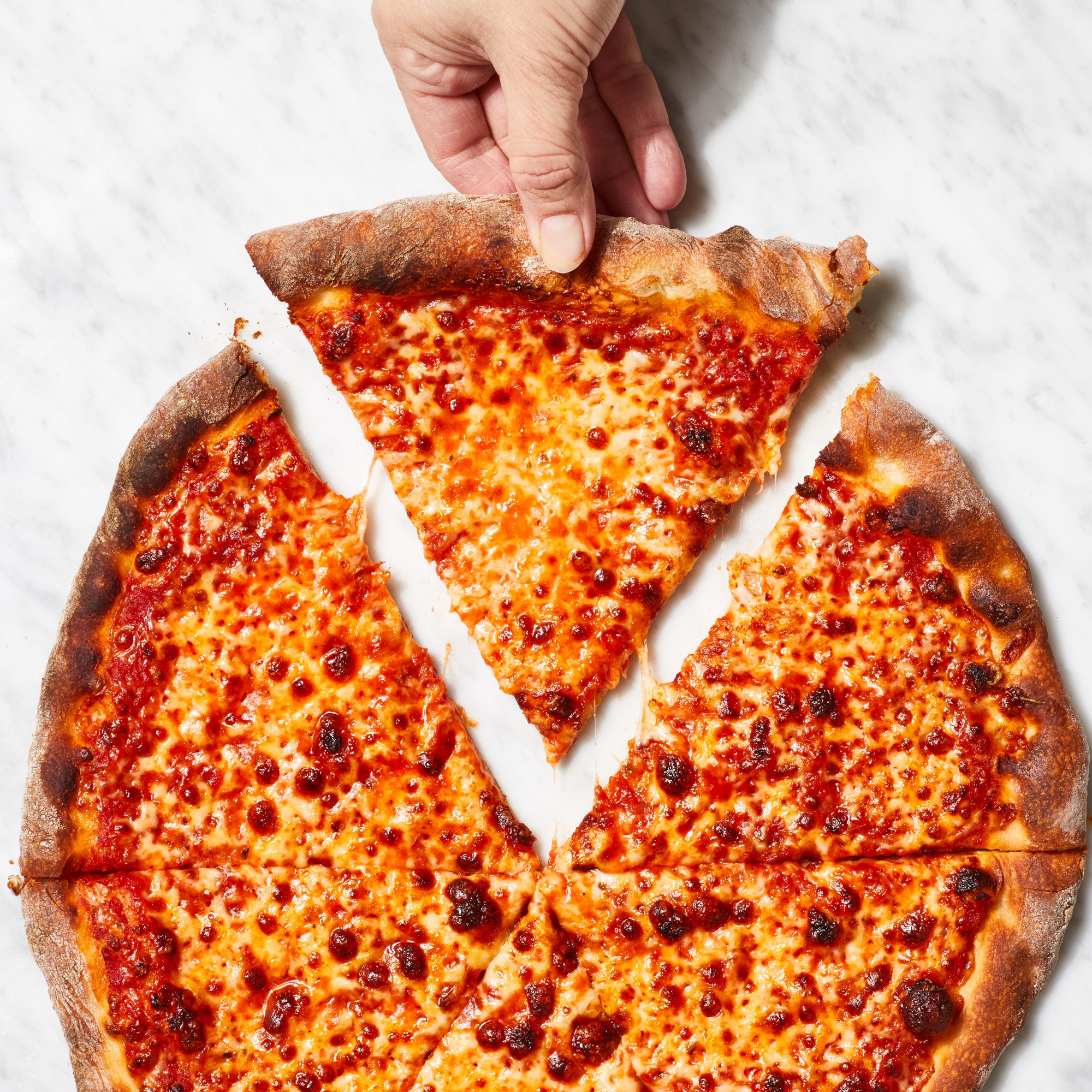
Perhaps the most enduring legacy of New York-style crust is its inherent suitability for the “foldable slice.” This iconic way of eating pizza is a direct result of the crust’s structural integrity and flexibility. It’s a practical innovation born from the need to eat on the go in a bustling metropolis. This practice has become synonymous with New York pizza, and the crust’s ability to facilitate this ritual is a key part of its appeal. It speaks to the pizza’s role as a quick, satisfying, and quintessentially urban meal.
The Benchmark of Excellence
For many, the quest for the perfect pizza often leads back to New York-style crust. It is frequently used as a standard against which other pizza styles are measured. The balance of crispness, chewiness, and the subtle flavors achieved through proper technique and ingredients set a high bar. Whether one is visiting iconic pizzerias in Manhattan or exploring local neighborhood joints, the New York-style crust remains a consistent and cherished element of the city’s vibrant food scene, a testament to its enduring quality and universal appeal.
LifeOutOfTheBox is a participant in the Amazon Services LLC Associates Program, an affiliate advertising program designed to provide a means for sites to earn advertising fees by advertising and linking to Amazon.com. Amazon, the Amazon logo, AmazonSupply, and the AmazonSupply logo are trademarks of Amazon.com, Inc. or its affiliates. As an Amazon Associate we earn affiliate commissions from qualifying purchases.