
The question “How far is South Bend, Indiana from Chicago?” is a common one for travelers, students, business professionals, and anyone planning a journey across the Midwest. These two significant urban centers, while distinct in character and scale, are closely connected by geography, economy, and culture. Understanding the distance and various travel options is key to planning an efficient and enjoyable trip, whether for a quick visit, a university event, or a longer stay. This comprehensive guide will delve into all aspects of traveling between the vibrant metropolis of Chicago and the dynamic city of South Bend, providing insights into distances, routes, and transportation choices.
Understanding the Geographic Connection
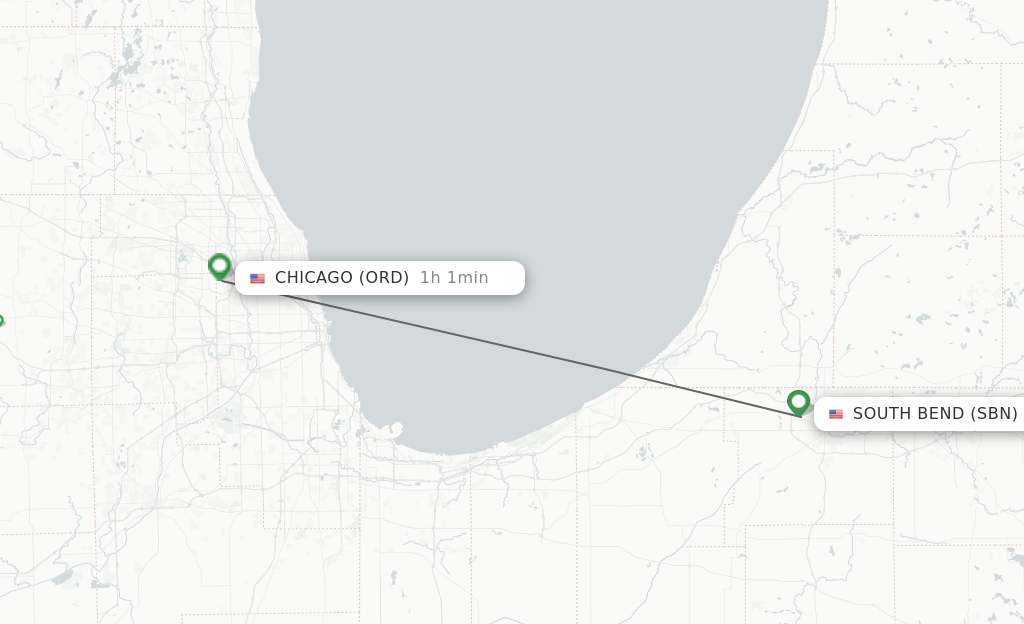
The proximity of South Bend to Chicago makes it a critical waypoint and destination within the regional travel network. Situated in northern Indiana, South Bend serves as a gateway to the broader Midwest, while Chicago, nestled on the shores of Lake Michigan in Illinois, is a global hub.
The Straight-Line Distance vs. Practical Travel Miles
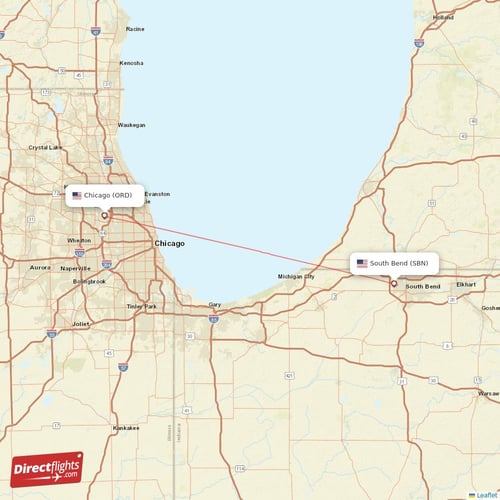
When considering “how far,” it’s important to distinguish between the straight-line (as-the-crow-flies) distance and the actual driving or travel distance. The straight-line distance between the geographical centers of Chicago and South Bend is approximately 75 to 80 miles (120 to 129 kilometers). However, practical travel, especially by road, involves following established highways and routes, which naturally increases the mileage.
For most travelers, the driving distance is the most relevant metric. Typically, the driving distance via major interstates like I-90 (the Indiana Toll Road and Chicago Skyway) or a combination of I-80/I-94 (the Borman Expressway) ranges from 90 to 100 miles (145 to 160 kilometers). This variation depends slightly on the specific starting point in Chicago (e.g., downtown vs. a western suburb) and the destination within South Bend. This relatively short distance makes the journey highly manageable for various travel modes.
Why Travel Between Chicago and South Bend?
The motivations for travel between these two cities are diverse, reflecting their respective roles in the region:
- University of Notre Dame (Notre Dame): Perhaps the most significant magnet drawing visitors to South Bend is the world-renowned University of Notre Dame. Parents, alumni, prospective students, and sports fans frequently make the trip from Chicago for sporting events (especially football games), graduations, conferences, and campus visits.
- Business and Commerce: Both cities are economic centers. Chicago, as a global financial and business hub, attracts professionals from South Bend, while South Bend’s growing industries and startup scene draw business interest from Chicago.
- Leisure and Tourism: Chicago’s myriad attractions—world-class museums, theatre, dining, and shopping—make it a popular weekend getaway for South Bend residents. Conversely, South Bend offers a more relaxed pace, access to the St. Joseph River, and attractions like the Potawatomi Zoo and the Studebaker National Museum, appealing to those seeking a change of scenery from the big city.
- Commuting and Regional Connectivity: For some, the route serves as part of a longer commute or a connection to wider regional or national travel networks via Chicago’s major airports.
Navigating the Journey: Your Travel Options
Travelers have several convenient options for making the journey between Chicago and South Bend, each with its own advantages regarding cost, comfort, and speed.
Driving: The Most Popular Choice
Driving remains the most flexible and preferred method for many, offering door-to-door convenience and the ability to travel on one’s own schedule.
Routes and Road Conditions
The primary driving routes are straightforward:
- I-90 East (Indiana Toll Road): This is generally the fastest and most direct route. From downtown Chicago, you’ll typically take the Chicago Skyway (which becomes part of I-90 East) directly into Indiana as the Indiana Toll Road. This is a tolled highway, but it is well-maintained and typically offers smooth travel.
- I-80/I-94 East (Borman Expressway): This route runs parallel to I-90 for a significant portion and is often used as an alternative, particularly by those trying to avoid tolls or coming from certain parts of Chicago’s southern suburbs. While it eventually merges or connects with roads leading to South Bend, it can sometimes be more congested, especially around the industrial areas of Northwest Indiana.
Road conditions are generally excellent, but travelers should be aware of potential issues:
- Traffic Congestion: Weekday rush hours in and around Chicago can add significant delays. Weekends, especially during major University of Notre Dame events, can also see increased traffic volume.
- Weather: Midwestern winters can bring snow and ice, impacting travel times. Summers might see construction work. Always check weather and traffic reports before departing.
Estimated Travel Time and Factors Influencing It
Under ideal conditions (no traffic, good weather), the drive typically takes between 1 hour 30 minutes to 2 hours. However, several factors can extend this:
- Time of Day: As mentioned, rush hour can easily add 30 minutes to an hour or more to the journey.
- Day of Week: Friday afternoons/evenings and Sunday afternoons are often busier, especially if a Notre Dame event is concluding.
- Special Events: University of Notre Dame football games are a prime example; traffic can become extremely heavy on game days.
- Construction: Road construction is a perennial factor that can cause delays, particularly during warmer months.
Public Transportation Alternatives
For those who prefer not to drive, or who want to avoid parking hassles, public transportation offers viable alternatives.
Train Travel: Amtrak’s Convenience
Amtrak provides a direct and scenic train service between Chicago’s Union Station and South Bend’s main station. This is a popular choice, particularly for students and those seeking a relaxed journey.
- Service: The Pere Marquette line offers daily service, typically one round trip per day. Additional services or lines might be available depending on the schedule.
- Duration: The train journey usually takes approximately 2 hours to 2 hours 30 minutes, offering comfortable seating and the ability to relax, work, or enjoy the scenery.
- Advantages: Avoids traffic, comfortable, often has Wi-Fi, drops you directly into downtown South Bend.
- Disadvantages: Less frequent service compared to driving, fixed schedule, might require additional local transportation upon arrival.
Bus Services: Greyhound and Other Operators
Intercity bus services offer an economical option for travel between the two cities.
- Greyhound: The most prominent bus operator, Greyhound offers multiple daily departures from Chicago’s Union Station area to South Bend’s bus terminal.
- Duration: Bus journeys typically range from 2 hours to 3 hours, depending on the route taken and any stops along the way.
- Advantages: Generally the most budget-friendly option, frequent departures.
- Disadvantages: Can be less comfortable than train travel, subject to traffic delays, bus stations might be less centrally located than train stations in some areas.
Ride-Sharing and Carpooling Considerations
Ride-sharing services like Uber and Lyft are available in both Chicago and South Bend. While convenient for local travel, a long-distance trip between the two cities can be quite expensive. Carpooling services or arranging a shared ride in advance might be a more cost-effective option for groups or those with flexible schedules.
Air Travel: A Less Common but Feasible Option
While not the primary mode of transport given the relatively short distance, air travel can be considered in specific circumstances, particularly if connecting from further destinations or for specific time-sensitive needs.
South Bend International Airport (SBN) and Chicago’s Airports (ORD, MDW)
South Bend International Airport (SBN) is a regional airport offering connections to major hubs. Chicago is served by two major international airports: O’Hare International Airport (ORD) and Midway International Airport (MDW).
- Direct Flights: Direct flights between SBN and ORD or MDW are generally not available or practical due to the short distance.
- Connecting Flights and Overall Efficiency: Air travel would only be practical if you are flying into or out of Chicago from a distant location and need to connect to South Bend by air. Even then, the total travel time, including getting to/from airports, security, and potential layovers, would likely exceed the ground travel options. For most direct travel between the two cities, driving or taking the train is considerably more efficient.
Planning Your Trip: Essential Considerations
Regardless of your chosen mode of transport, a well-planned trip enhances the experience and helps avoid unexpected delays or frustrations.
Best Times to Travel
- Avoid Rush Hours: For driving, plan to depart early in the morning (before 7 AM) or later in the morning (after 9 AM) to avoid Chicago’s morning rush. For return trips, avoid leaving South Bend between 3 PM and 6 PM on weekdays.
- University of Notre Dame Event Weekends: Be highly aware of the university’s academic calendar and sporting schedules. Football weekends, in particular, see massive increases in traffic, hotel demand, and public transport bookings. Book well in advance and prepare for longer travel times.
- Seasonal Considerations: Fall offers beautiful foliage but also peak Notre Dame activity. Summers are pleasant for travel but may involve road construction. Winters can bring challenging driving conditions due to snow and ice.
Budgeting for Your Journey
- Driving: Factor in fuel costs (approximately 100 miles round trip), tolls (for I-90), and potential parking fees in Chicago or South Bend.
- Train/Bus: Purchase tickets in advance for potentially better fares. Compare prices between Amtrak and bus services.
- Accommodation: If staying overnight, research hotel costs in both cities, noting that South Bend accommodation can spike significantly during University of Notre Dame events.
Packing Essentials
Your packing list will depend on the season and purpose of your trip.
- Weather Appropriate Clothing: Layers are always advisable, especially during spring and fall when temperatures can fluctuate. A good quality waterproof jacket is useful year-round.
- Comfortable Walking Shoes: Essential for exploring either city.
- Tech Gear: Chargers, power banks, and any necessary adapters.
- Entertainment: Books, headphones, or downloaded content for train/bus journeys.
- University of Notre Dame Game Days: Don’t forget your team colors, rain gear (just in case), and a clear bag if attending a game.
Exploring South Bend: A Traveler’s Perspective
While Chicago is often the starting point, South Bend offers its own unique charm and attractions that make the journey worthwhile.
Key Attractions and Activities
- University of Notre Dame: The campus itself is a landmark, featuring the Golden Dome, Basilica of the Sacred Heart, Grotto, and the iconic Notre Dame Stadium. Guided tours are available.
- Studebaker National Museum: Explores the history of the Studebaker Corporation and the automotive industry.
- Potawatomi Zoo: Indiana’s oldest zoo, offering a fun family outing.
- East Race Waterway: North America’s first man-made white-water rafting course, popular for rafting and kayaking during warmer months.
- St. Joseph River Walkway: Enjoy scenic strolls and bike rides along the river.
Local Dining and Accommodation Insights
South Bend offers a range of dining experiences, from casual eateries to upscale restaurants, with many clustered around the downtown area and near the University of Notre Dame. Accommodation options include major hotel chains, boutique hotels, and guesthouses. It is crucial to book well in advance, especially during university events, as availability can be scarce and prices may significantly increase.
Extending Your Journey: Regional Connections
The trip between Chicago and South Bend can also be part of a larger travel itinerary, exploring more of the Midwest.
Day Trips from South Bend
From South Bend, travelers can easily access other attractions within a short drive:
- Indiana Dunes National Park: Located along the southern shore of Lake Michigan, offering beautiful beaches, hiking trails, and unique dune landscapes.
- Michigan City: Home to a lighthouse, outlet mall, and the Friendship Botanic Gardens.
- Amish Country: To the east of South Bend, explore the rich Amish heritage, local crafts, and delicious homemade food in towns like Shipshewana.
Multi-City Itineraries
A trip that combines the urban excitement of Chicago with the collegiate atmosphere and smaller-city charm of South Bend makes for a well-rounded Midwestern experience. Travelers can start their journey in Chicago, spend a few days exploring its iconic sights, then take the short trip to South Bend to experience the University of Notre Dame or other local attractions, perhaps even venturing further into Indiana’s diverse offerings.
In conclusion, the journey from Chicago to South Bend is manageable and straightforward, with multiple transportation options to suit various preferences and budgets. By understanding the distances, routes, and planning considerations, travelers can ensure a smooth and enjoyable trip, connecting two important points in the heart of America’s Midwest.
LifeOutOfTheBox is a participant in the Amazon Services LLC Associates Program, an affiliate advertising program designed to provide a means for sites to earn advertising fees by advertising and linking to Amazon.com. Amazon, the Amazon logo, AmazonSupply, and the AmazonSupply logo are trademarks of Amazon.com, Inc. or its affiliates. As an Amazon Associate we earn affiliate commissions from qualifying purchases.