
Navigating the financial landscape of any destination is a crucial part of planning a trip, and for visitors to the Empire State, understanding New York sales tax is no exception. Whether you’re indulging in world-class shopping in New York City, savoring culinary delights upstate, or enjoying the natural beauty of the Adirondacks, sales tax will invariably be a factor in your expenditure. This guide aims to demystify the complexities of New York’s sales tax, providing clarity for tourists and travelers, ensuring a smoother and more informed experience in the state.
Understanding the Basics of New York Sales Tax
At its core, sales tax is a consumption tax imposed by governments on the sale of goods and some services. In New York, this tax is levied by both the state and, in many areas, by local governments. This dual taxation structure means that the rate you pay can vary significantly depending on your precise location within the state. For travelers, this implies that a purchase made in Manhattan might have a different tax burden than the exact same item bought in Buffalo or on Long Island.
State and Local Components
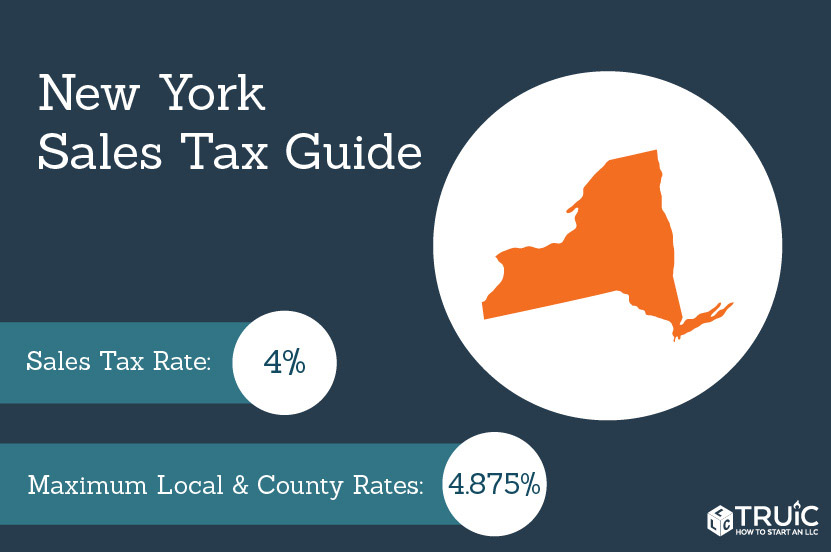
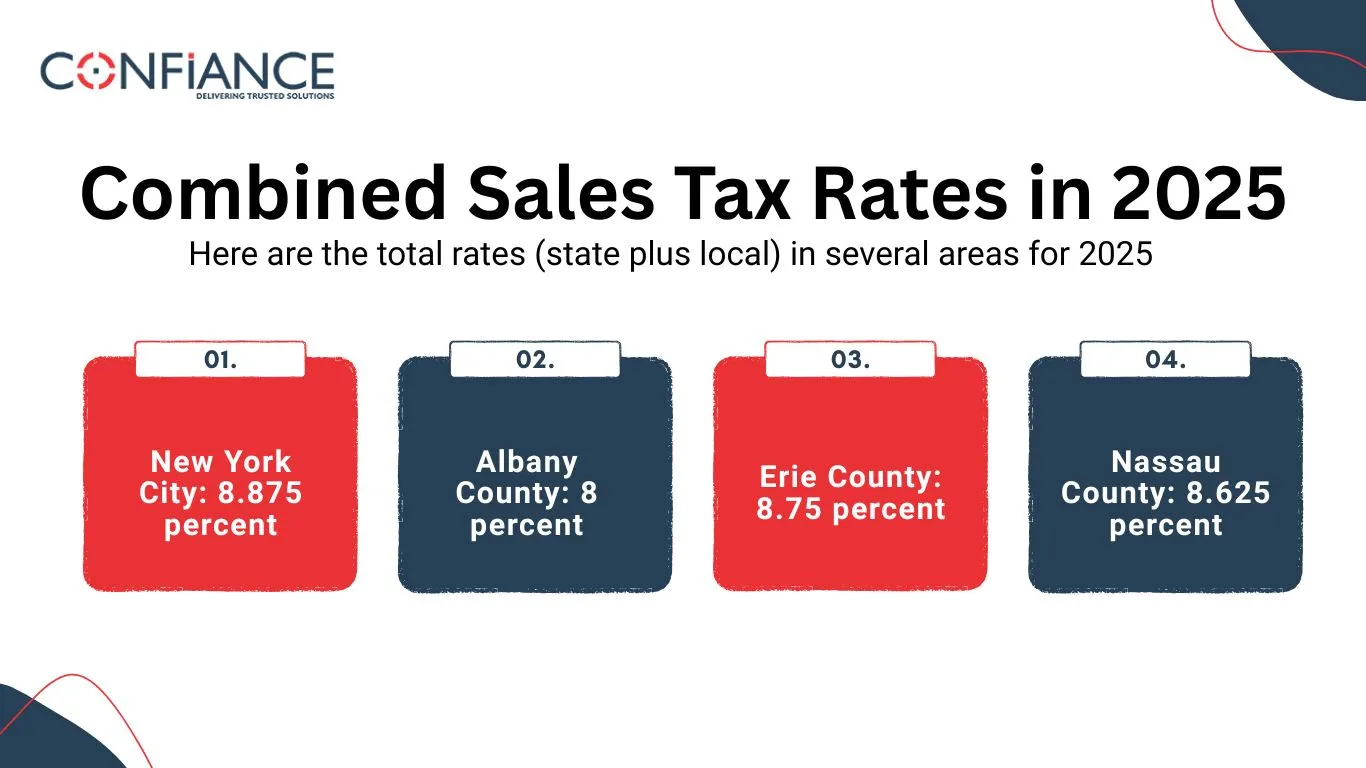
The New York State sales tax rate is currently set at 4%. However, this is often not the final figure a consumer will see at the point of sale. Local governments, including counties and metropolitan transportation districts, are authorized to impose their own additional sales taxes. This is where the rates begin to diverge. For instance, New York City has the highest combined state and local sales tax rate in the state, which can reach up to 8.875%. Other areas, such as those within the Metropolitan Commuter Transportation District (MCTD), will have an additional 0.375% added to the state rate. Many counties also impose their own local rates, further contributing to the varied landscape of sales tax. It is this combination of state and local levies that forms the total sales tax rate applicable to a transaction.
Taxable vs. Exempt Items
Understanding what is subject to sales tax is as vital as knowing the rate. In New York, most tangible personal property is taxable. This includes clothing and footwear under a certain price threshold, electronics, furniture, and souvenirs. Similarly, many services are also subject to sales tax. However, there are notable exceptions designed to either encourage certain activities or provide relief to consumers. For travelers, key exemptions might include:
- Food and Drinks for Home Consumption: Groceries purchased from a supermarket are generally exempt from sales tax. This distinction is important; prepared foods purchased from a restaurant or deli for immediate consumption are typically taxable.
- Prescription Medications: Medications prescribed by a healthcare professional are exempt.
- Certain Services: Services related to real property, such as construction or repair work on a building, may have different tax rules. Professional services like legal advice or accounting services are generally not subject to sales tax.
- Clothing and Footwear Below a Threshold: While most clothing is taxable, the first $110 of any single retail sale of clothing or footwear is exempt from state sales tax. This exemption applies to items like shirts, pants, dresses, and shoes. It does not apply to accessories like jewelry or handbags, nor does it exempt alterations or repair services. This exemption can significantly reduce the tax burden for shoppers in popular retail destinations like Fifth Avenue.
It is always prudent to inquire at the point of sale if you are unsure about the taxability of an item or service, especially for unique purchases or when dealing with smaller, independent businesses.
Sales Tax Implications for Tourists
For visitors to New York, understanding sales tax is not just about knowing the rate; it’s about how it impacts your travel budget and purchasing decisions. From the moment you arrive, whether it’s checking into a hotel like the Plaza Hotel or enjoying a Broadway show, the implications of sales tax are present.
Shopping and Souvenirs
New York is a global shopping mecca, from high-end designer boutiques on Madison Avenue to eclectic shops in Greenwich Village. When purchasing souvenirs, clothing, or gifts, remember that the sales tax will be added to the listed price. For instance, buying a $100 sweater in New York City (with an 8.875% sales tax) will cost you $108.75. The initial $110 clothing exemption can be particularly beneficial for significant apparel purchases. Be mindful of this added cost when budgeting for your shopping sprees, especially if you plan on making multiple purchases. Keep receipts from various locations to track your spending and the tax applied.
Dining and Entertainment
The vibrant culinary scene of New York offers everything from Michelin-starred restaurants to iconic street food. While groceries for home consumption are largely exempt, prepared meals and beverages purchased for immediate consumption are generally subject to sales tax. This includes dining in restaurants, ordering takeout, and even buying a coffee or a slice of pizza from a vendor. The same applies to entertainment. Tickets to see a concert at Madison Square Garden, a performance at the Metropolitan Opera, or admission to attractions like the Statue of Liberty typically include sales tax in the ticket price. This is an essential consideration when budgeting for your dining and entertainment experiences across the state.
Accommodation and Services
When booking accommodation, such as a stay at the Waldorf Astoria New York or a charming bed and breakfast in the Hudson Valley, it’s important to note that hotel room occupancy taxes are separate from sales tax. While hotel rooms themselves are generally not subject to state sales tax, they are subject to local occupancy taxes, which can vary considerably. However, some services provided by hotels, such as meals in their restaurants, spa treatments, or laundry services, may be subject to sales tax. Understanding the distinction between occupancy taxes and sales taxes is key to managing your accommodation costs.
Navigating Specific Tax Scenarios
Beyond the general rules, certain situations can present unique sales tax considerations for travelers. Being aware of these can help avoid surprises and ensure compliance.
Purchases for Resale or Business Use
If you are a business owner or purchasing items for resale, New York offers procedures for exemption from sales tax. This typically involves providing a valid resale certificate to the vendor at the time of purchase. However, for most tourists making personal purchases, this exemption is not applicable. It is crucial to ensure you are not misusing a resale exemption, as this can lead to penalties.
Delivery of Goods
The taxability of goods can depend on where the sale is considered to have occurred. In New York, sales tax is generally based on the location where the tangible personal property is delivered. This means if you purchase an item online from a retailer not based in New York and have it shipped to your hotel or home within the state, you will likely be subject to New York sales tax. Conversely, if you purchase an item in New York and have it shipped to another state where you reside, you may be subject to that state’s sales tax, but not New York sales tax on that shipment. This distinction is particularly relevant for online shoppers and those planning to make large purchases during their travels.
Internet Sales and Remote Sellers
With the rise of e-commerce, understanding how sales tax applies to online purchases is essential. Since the landmark Supreme Court decision in South Dakota v. Wayfair, Inc., New York has enacted laws requiring remote sellers (businesses without a physical presence in the state) to collect and remit sales tax on sales made to New York customers if certain sales thresholds are met. This means that many online purchases made by tourists from out-of-state retailers may now include New York sales tax, regardless of whether the retailer has a physical store in the state. Travelers should be aware that the price displayed on a website might not be the final price they pay if sales tax is added at checkout.
Minimizing Sales Tax Impact on Your Trip
While sales tax is a mandatory component of many transactions, there are strategies travelers can employ to manage its impact on their overall budget.
Strategic Shopping Locations
Understanding the variation in local sales tax rates can inform your shopping decisions. For instance, if you’re looking to purchase items that are consistently taxed, shopping in areas with lower combined state and local rates, compared to a high-taxed area like New York City, could result in savings. While the difference might seem small on individual items, it can add up significantly over a trip with multiple purchases.
Utilizing Exemptions and Discounts
Maximizing the use of available exemptions is key. For clothing purchases under the $110 threshold, this can be particularly beneficial. Additionally, some retailers may offer tax-free shopping events or special promotions, especially around holidays. While these are not official tax exemptions, they can effectively reduce the overall cost of your purchases. Always keep an eye out for sales and discounts, as these directly reduce the taxable amount.
Planning for Food and Dining Expenses
Given that prepared foods are taxed, planning your meals can help manage these costs. Consider a mix of dining out at restaurants (where tax is applied to the meal) and purchasing groceries from supermarkets for some meals if your accommodation allows for it. This can lead to considerable savings over the duration of your stay, especially for families or longer trips. For example, preparing breakfast in your hotel room can save you the tax and cost of ordering room service or visiting a café.
Reclaiming Sales Tax (for eligible individuals)
While not broadly applicable to most tourists, New York does have provisions for certain individuals to reclaim sales tax. For example, diplomats and certain international organizations may be eligible for sales tax refunds under specific conditions. Foreign visitors who are not residents of the United States may also be eligible for a refund of sales tax paid on merchandise they purchase and export from the state, provided certain criteria are met. This often involves a formal application process with supporting documentation, such as receipts and proof of export. Information regarding these specific programs can be obtained from the New York State Department of Taxation and Finance. For the average tourist, however, focusing on budgeting and smart purchasing is the most practical approach.
By understanding these facets of New York sales tax, travelers can approach their expenditures with greater confidence, ensuring they get the most out of their visit to this dynamic state.
LifeOutOfTheBox is a participant in the Amazon Services LLC Associates Program, an affiliate advertising program designed to provide a means for sites to earn advertising fees by advertising and linking to Amazon.com. Amazon, the Amazon logo, AmazonSupply, and the AmazonSupply logo are trademarks of Amazon.com, Inc. or its affiliates. As an Amazon Associate we earn affiliate commissions from qualifying purchases.