
In today’s information-saturated world, staying informed is paramount, and for many, The New York Times stands as a beacon of journalistic integrity and insightful reporting. However, the paywall that shields its premium content can often feel like an insurmountable barrier. For travelers, urban explorers, and culture enthusiasts, the ability to access this rich repository of knowledge can significantly enhance their experiences. This guide will delve into the various legitimate and resourceful ways to navigate the digital landscape and enjoy the in-depth articles, travel features, and cultural critiques offered by The New York Times without incurring a subscription fee.
Unlocking Public Access and Library Resources
One of the most robust and often overlooked avenues for free access to The New York Times lies within the public domain and academic institutions. Libraries, in particular, serve as invaluable hubs for information, and many have established partnerships that extend their digital collections to cardholders. Understanding these resources can open a world of premium content, allowing you to plan your next adventure, research local customs in a foreign land, or simply stay abreast of global events that might impact your travels.
Leveraging Local Library Subscriptions
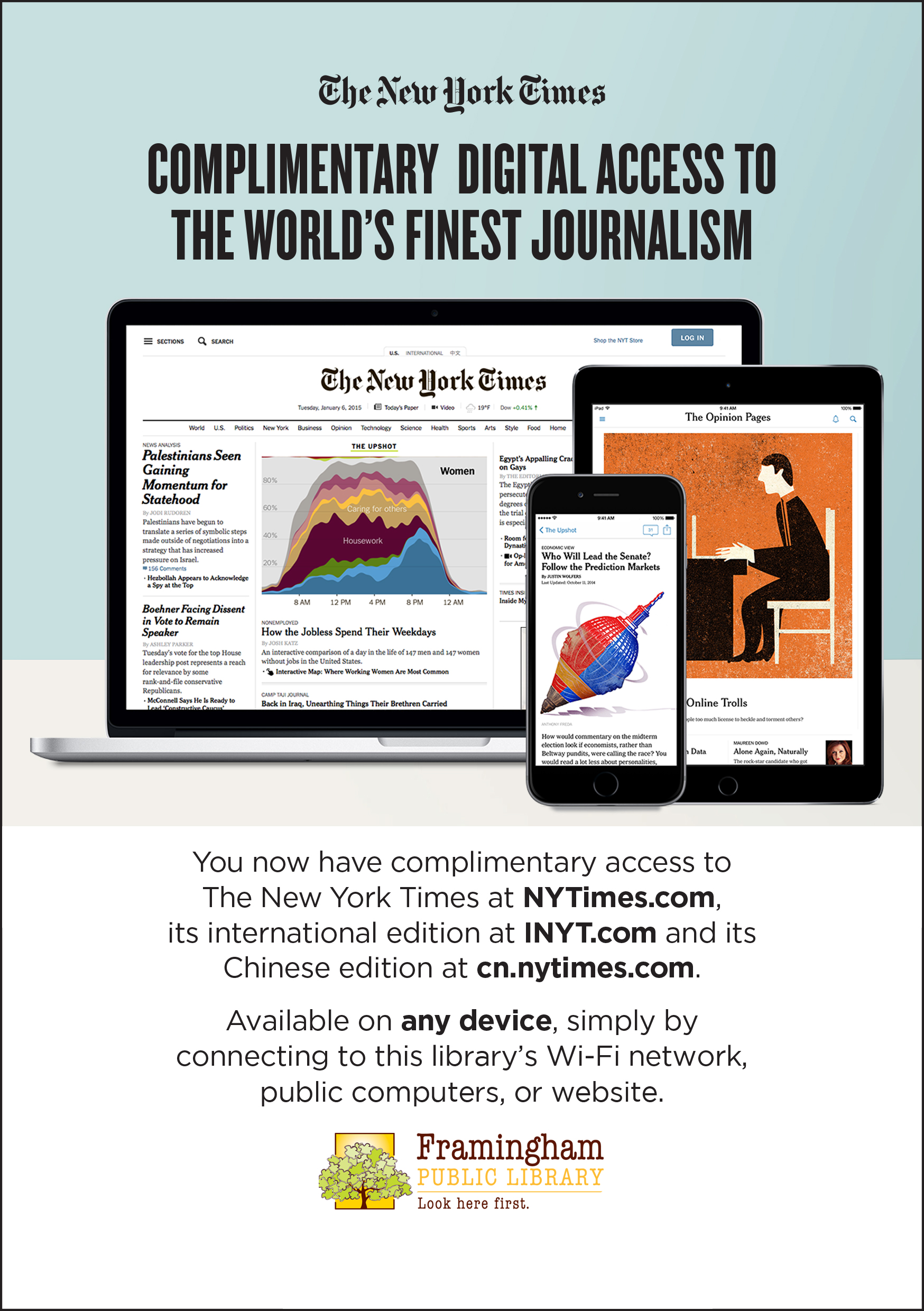
Your local public library is a treasure trove of digital resources, many of which are freely accessible with a valid library card. A significant number of libraries subscribe to a wide array of digital publications, including The New York Times. These subscriptions often grant cardholders remote access to the full content of the newspaper, including its revered travel section, restaurant reviews, and in-depth cultural analyses.
To take advantage of this, begin by visiting your local library’s website. Look for sections dedicated to “Databases,” “Digital Resources,” or “e-Newspapers.” You will likely find The New York Times listed among the available options. You may be required to log in using your library card number and a PIN. Once authenticated, you can typically read articles directly through the library’s portal or, in some cases, receive a temporary access code that allows you to log in to The New York Times website directly for a limited period. This method is ideal for planning trips to destinations like Paris or Tokyo, allowing you to browse articles on local attractions, dining, and cultural etiquette before you even book your flight.
Academic and University Libraries
If you are affiliated with a university or college, either as a student, faculty, or staff member, your access expands even further. University libraries typically boast extensive digital subscriptions, often surpassing those of public libraries in scope and breadth. This is particularly relevant for those pursuing academic research related to history, sociology, or economics in specific regions. For instance, a student researching the historical significance of Machu Picchu could access decades of New York Times articles detailing its discovery and cultural impact.
Even if you are not directly affiliated with an academic institution, some universities offer community access programs or guest passes that may allow limited use of their library resources. It’s worth investigating the policies of nearby universities, especially if you reside in a larger city with multiple educational institutions. The wealth of archived content within university libraries can provide unparalleled context for understanding the nuances of a destination’s history and cultural evolution.
Strategic Use of Social Media and News Aggregators
While not a direct route to the full archive, social media platforms and reputable news aggregators can offer glimpses into The New York Times‘ premium content and provide timely updates on breaking news and featured articles. By employing a strategic approach, you can still benefit from the paper’s reporting without a direct subscription.
Following The New York Times on Social Media
The New York Times maintains an active presence on various social media platforms, including Twitter, Facebook, and Instagram. Their social media accounts frequently share links to their latest articles, often highlighting key stories, travel destinations, and significant cultural events. While some links may still lead to the paywall, these platforms can serve as an excellent way to discover trending topics and articles that might be particularly relevant to your interests as a traveler or cultural explorer.
Furthermore, individual journalists and section editors at The New York Times often share their work and insights on social media. Following key figures in the travel or culture desks can provide direct links to their published pieces, sometimes with accompanying commentary that offers additional context. This is a dynamic way to stay updated on emerging trends and destinations, from the latest boutique hotels in Kyoto to hidden gems in Italy.
Utilizing News Aggregation Apps and Services

Several news aggregation apps and services are designed to bring together content from various sources, and some offer integrations that can be beneficial. While direct access to paywalled content is usually restricted, these platforms can alert you to significant articles published by The New York Times. For example, an app like Google News or Apple News might surface a prominent headline from the paper, and by clicking on it, you might be presented with a limited preview or even the full article if The New York Times has chosen to make a particular piece freely available.
Some services also allow users to create custom news feeds based on keywords or topics. If you are planning a trip to London and are interested in its theatre scene, you could set up alerts for keywords like “West End” or “London theatre.” This could potentially surface relevant articles from The New York Times that are accessible without a subscription. It’s a method that requires a degree of proactivity but can yield rewarding results for those seeking specific information.
Exploring Limited Free Access and Promotional Offers
The New York Times occasionally makes certain articles or sections of its website freely available to all visitors. Understanding when and how to access these limited offerings can be a valuable strategy for budget-conscious readers. Additionally, keeping an eye out for special promotions and trial periods can provide temporary, yet comprehensive, access.
Identifying Freely Available Articles
The digital publishing landscape is dynamic, and The New York Times, like many news organizations, strategically chooses to make certain articles available without a paywall. These often include breaking news stories, articles of significant public interest, or pieces that the publication wishes to promote to a wider audience. Regularly visiting the New York Times homepage, particularly its “World,” “U.S.,” “Politics,” and “Opinion” sections, can reveal these freely accessible articles.
The travel section, a goldmine for anyone planning an excursion, occasionally features destination guides or trend pieces that are open to all readers. For instance, an article detailing the burgeoning food scene in Mexico City or an overview of hiking trails in Banff National Park might be published as a free feature. By making these articles available, The New York Times not only shares valuable information but also aims to attract new readers who might eventually consider a subscription.
Taking Advantage of Free Trials and Special Promotions
The New York Times frequently offers promotional periods or free trial subscriptions. These are excellent opportunities to gain unfettered access to the entire website for a limited time. These offers are often advertised directly on the New York Times website, via email newsletters, or through partner promotions.
If you are planning an extended trip or researching multiple destinations, strategically signing up for a free trial can provide ample time to consume a vast amount of relevant content. For example, if you’re planning a multi-city European tour, a one-month trial could allow you to read extensive guides to Rome, Berlin, and Amsterdam, including their historical landmarks, local cuisine, and unique cultural experiences. It is crucial to remember the expiration date of any trial and manage your subscription accordingly if you do not wish to incur charges.
The Community and Educational Approach
Beyond digital access, there are community-driven initiatives and educational contexts where The New York Times can be accessed without personal subscription costs. These methods often involve a shared resource model and can be particularly useful for students, researchers, or those who prefer a more communal approach to information consumption.
University Course Materials and Syllabi
Many university courses, particularly in journalism, political science, international relations, and even humanities, incorporate articles from The New York Times as required or recommended reading. If you are a student enrolled in such a course, you will typically have access to these articles through your university’s learning management system or library resources. Professors often upload PDFs or provide direct links to articles that are essential for understanding the course material. This is a practical way to access high-quality journalism that is directly relevant to your studies, and it can significantly enrich your understanding of global affairs and specific topics, whether it’s the geopolitical landscape of the Middle East or the evolving art scene in New York City.

Community and Group Access
In some limited instances, organizations or community groups may arrange for bulk subscriptions or access to digital publications for their members. This could include professional organizations, cultural societies, or even co-working spaces that aim to provide valuable resources to their constituents. While less common for individual access, it’s worth inquiring within any relevant groups you are part of to see if such arrangements exist. This collective approach to accessing premium content can foster discussion and shared learning, further enhancing the value derived from The New York Times‘ reporting.
LifeOutOfTheBox is a participant in the Amazon Services LLC Associates Program, an affiliate advertising program designed to provide a means for sites to earn advertising fees by advertising and linking to Amazon.com. Amazon, the Amazon logo, AmazonSupply, and the AmazonSupply logo are trademarks of Amazon.com, Inc. or its affiliates. As an Amazon Associate we earn affiliate commissions from qualifying purchases.