
Understanding the temperature in New York is paramount for any traveler planning a visit, whether they are seeking the vibrant energy of summer or the cozy charm of winter. The city, a global hub of culture, finance, and entertainment, experiences a distinct four-season climate, each offering a unique experience. From the sweltering heat of July to the biting cold of January, anticipating the mercury’s fluctuations allows for optimized packing, activity planning, and an overall more comfortable and enjoyable exploration of this iconic metropolis. This guide delves into the typical temperature ranges throughout the year, offering insights into how to best prepare for your journey to the Empire State.
Understanding New York’s Seasonal Climate
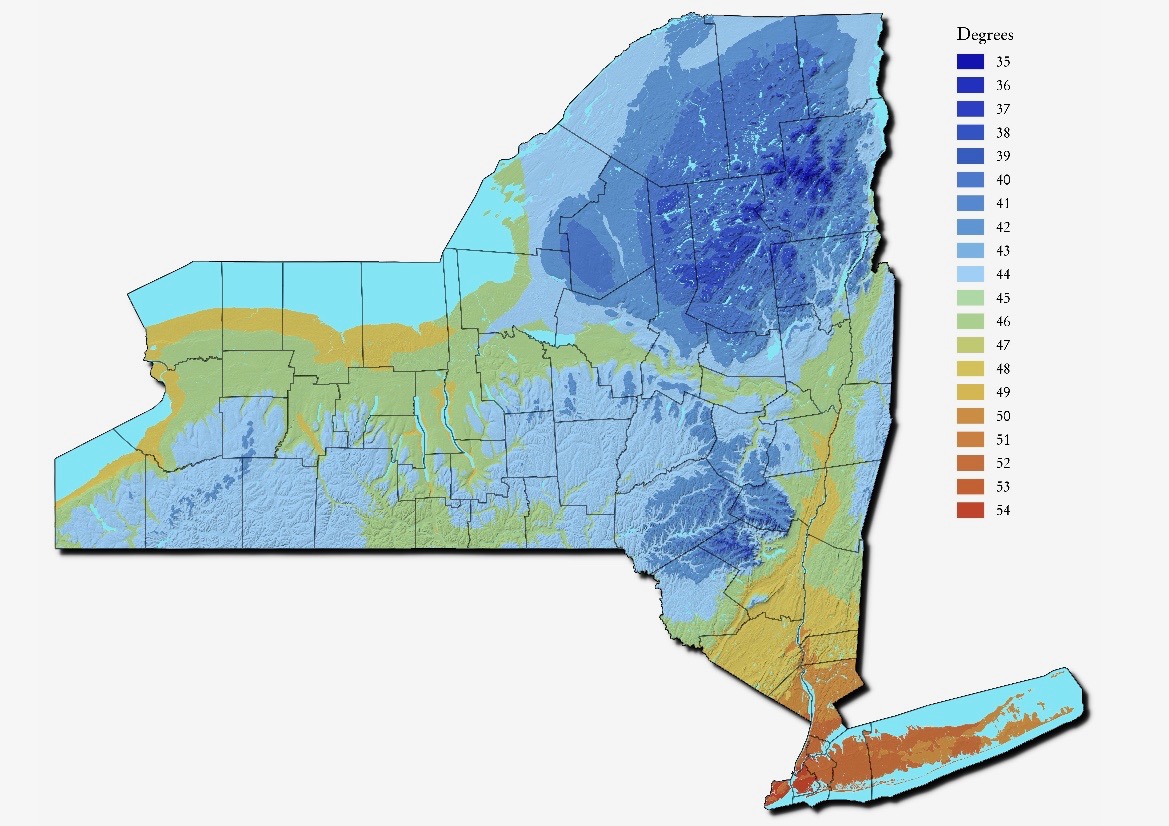
New York’s climate is characterized by its significant seasonal variations. Located in the humid continental climate zone, the city experiences warm to hot summers and cold winters, with transitional periods of spring and autumn that can be quite pleasant. These distinct seasons dictate everything from the types of clothing one should pack to the kinds of outdoor activities that are feasible and enjoyable. Understanding these patterns is crucial for aligning your travel plans with your desired experiences.
Summer in New York: Heat and Humidity
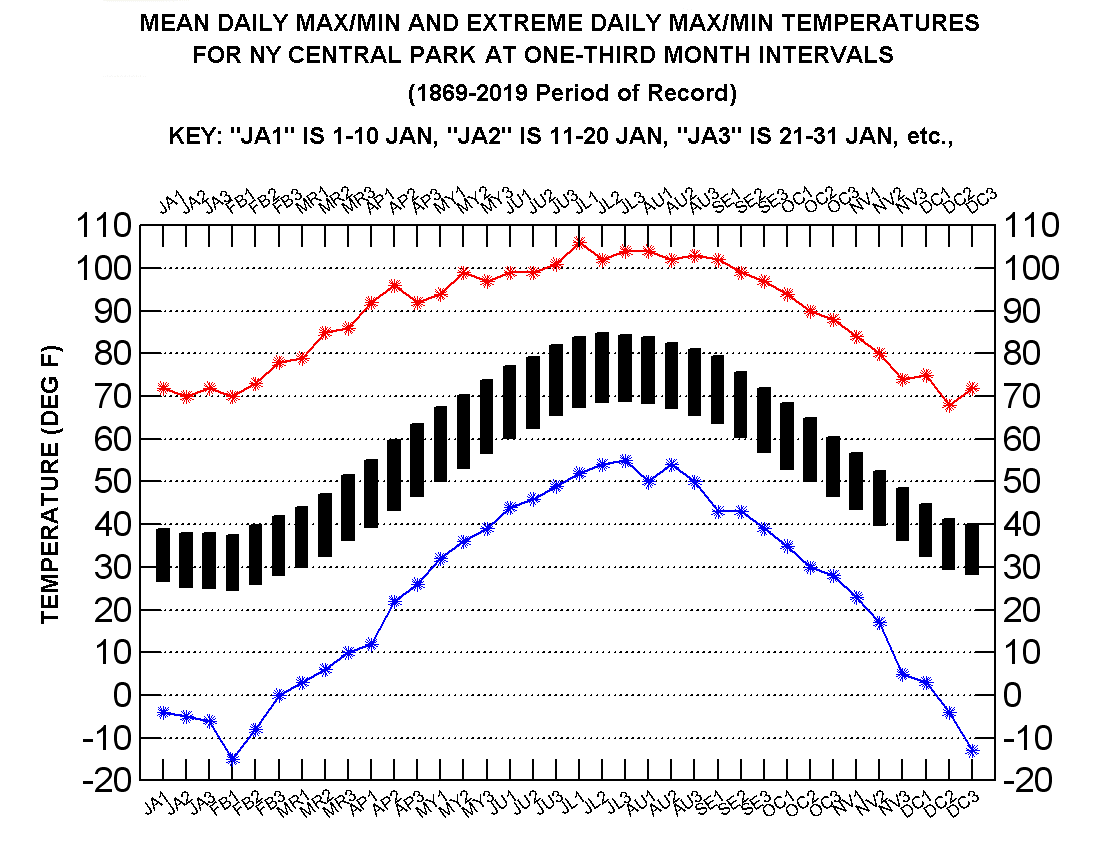
Summers in New York, typically from June through August, are known for their warmth and often significant humidity. Average daily high temperatures often hover in the mid-80s Fahrenheit (around 29-30°C), but heatwaves can push these numbers into the 90s Fahrenheit (32°C and above), with heat indices making it feel even warmer. Nights offer some respite, usually cooling down into the 70s Fahrenheit (21-24°C). This is the season for al fresco dining, rooftop bars, and exploring parks like Central Park or taking a ferry to see the Statue of Liberty. However, visitors should be prepared for the humidity, which can make the heat feel more intense. Staying hydrated and seeking air-conditioned spaces during the hottest parts of the day is highly recommended. The humidity can also contribute to occasional thunderstorms, which can be dramatic but usually pass relatively quickly.
Winter in New York: Cold and Snow
Winter, from December through February, brings a significant chill to New York. Average daily high temperatures typically range from the low 30s Fahrenheit (around 0-2°C) to the low 40s Fahrenheit (5-7°C), with overnight lows frequently dipping below freezing, into the 20s Fahrenheit (-7 to -1°C). Snowfall is common, and while the amount can vary greatly from year to year, accumulations can transform the city into a picturesque winter wonderland. This is the time for ice skating at Rockefeller Center, visiting museums, and enjoying the festive holiday decorations that adorn Fifth Avenue and other shopping districts. Visitors during this season must pack warm layers, including heavy coats, hats, gloves, and waterproof footwear. The cold can be invigorating, but it requires proper preparation to enjoy outdoor activities.
Spring and Autumn: The Shoulder Seasons
The shoulder seasons, spring (March-May) and autumn (September-November), are often considered the most pleasant times to visit New York in terms of temperature.
Spring’s Awakening
Spring sees a gradual warming trend. March can still be quite chilly, with temperatures similar to late winter, but by April, average highs climb into the 60s Fahrenheit (15-17°C), and May often brings comfortable warmth with highs in the 70s Fahrenheit (21-24°C). However, spring weather can be unpredictable, with a mix of sunny days, rain showers, and occasional late-season snowfalls. This is a beautiful time to witness the city come alive, with trees budding in parks and outdoor cafes beginning to open. It’s a great time for walking tours, exploring neighborhoods like Greenwich Village, and enjoying the blossoms in places like the Brooklyn Botanic Garden. Layered clothing is key, as temperatures can fluctuate significantly throughout the day.
Autumn’s Embrace
Autumn is renowned for its crisp air and vibrant foliage. September and October typically offer mild and sunny days, with average highs in the 70s Fahrenheit (21-24°C) in September, gradually dropping to the 60s Fahrenheit (15-17°C) in October. Even November can be pleasant, with highs in the 50s Fahrenheit (10-14°C) before the true winter cold sets in. This season is ideal for exploring Governor’s Island, enjoying the fall colors in parks, and experiencing the bustling energy of the city before the holiday rush. The autumn months provide a perfect balance for outdoor exploration without the extreme heat of summer or the harsh cold of winter. Again, layering is advisable, as evenings can become cool.
Factors Influencing New York’s Temperature
While the general seasonal patterns provide a good overview, several factors can influence the specific temperature you’ll experience in New York on any given day.
Microclimates within the City
New York City is a vast urban landscape, and different boroughs and even different neighborhoods can experience slightly varied temperatures due to what are known as microclimates. Proximity to large bodies of water, such as the Atlantic Ocean or the Hudson River, can moderate temperatures, making coastal areas slightly cooler in summer and warmer in winter compared to inland areas. The presence of large green spaces like Central Park can also create cooler pockets during hot summer days due to shade and evapotranspiration. Conversely, the urban heat island effect, where concrete and asphalt absorb and retain heat, can make densely built-up areas like Manhattan feel warmer, especially at night, than surrounding suburban areas.
Weather Systems and Fronts
New York is susceptible to the influence of various weather systems and fronts that sweep across the continent. Cold fronts can bring a dramatic drop in temperature, often accompanied by windy conditions and a change in precipitation. Warm fronts, on the other hand, can bring milder air, increasing temperatures even outside of the typical seasonal norms. Understanding these larger weather patterns is key to predicting short-term temperature fluctuations. For instance, a lingering low-pressure system might bring prolonged periods of rain and cooler temperatures, while a high-pressure system often signifies clear skies and more stable, predictable temperatures. Observing weather forecasts from reliable sources is essential for real-time temperature information.
Preparing for Your New York Temperature Experience
Armed with an understanding of New York’s climate, you can better prepare for your visit to ensure maximum comfort and enjoyment.
Packing Strategies for Every Season
The key to comfortable travel in New York is adaptable packing.
Summer Essentials
For summer visits, lightweight, breathable clothing is a must. Think cotton t-shirts, linen pants or shorts, and comfortable walking shoes. Don’t forget sunscreen, sunglasses, and a hat for sun protection. A light jacket or cardigan is advisable for cooler evenings or air-conditioned interiors. Hydration is critical, so consider carrying a reusable water bottle.
Winter Wardrobe
Winter travel demands serious preparation for the cold. A heavy, insulated, waterproof coat is non-negotiable. Layers are your best friend: thermal base layers, sweaters, and fleece. Warm, waterproof boots with good traction are essential for navigating potentially snowy or icy streets. Hats, scarves, and gloves will protect extremities from the biting wind.
Spring and Autumn Adaptability
For the transitional seasons, packing in layers is the most effective strategy. Bring a mix of short-sleeved and long-sleeved tops, a mid-weight jacket or sweater, and comfortable trousers. A light scarf can be useful for added warmth on cooler days or evenings. Comfortable walking shoes are always paramount, regardless of the season. Always check the weather forecast closer to your departure date for the most accurate temperature predictions.
Utilizing Weather Resources
Staying informed about the current and upcoming weather in New York is crucial. Numerous resources are available to help you plan your days accordingly.
Local Forecasts and Apps
Before and during your trip, utilize reliable weather forecasting websites and mobile applications. Many provide hourly forecasts, which are invaluable for planning specific activities, such as a visit to Times Square or a stroll across the Brooklyn Bridge. These apps often include information on wind speed, humidity, and precipitation, giving you a comprehensive picture of the day’s conditions.

Understanding Temperature Variations
When checking the temperature, pay attention to whether the reported figure is the high, the low, or the current temperature. Also, consider the “feels like” temperature, which accounts for wind chill in winter and heat index in summer, offering a more realistic expectation of how the weather will impact you. This nuanced understanding will help you dress appropriately and plan your outdoor excursions with confidence, ensuring you can fully appreciate the dynamic and ever-changing climate of New York.
LifeOutOfTheBox is a participant in the Amazon Services LLC Associates Program, an affiliate advertising program designed to provide a means for sites to earn advertising fees by advertising and linking to Amazon.com. Amazon, the Amazon logo, AmazonSupply, and the AmazonSupply logo are trademarks of Amazon.com, Inc. or its affiliates. As an Amazon Associate we earn affiliate commissions from qualifying purchases.