
The question “How far is Chicago from Ohio?” is more nuanced than it appears, given that Ohio is an entire state, not a single point. For travelers planning a journey between the bustling metropolis of Chicago, Illinois, and any destination within the diverse landscape of Ohio, understanding the geographical context, various travel modes, and associated considerations is paramount. This comprehensive guide will delve into the distances, travel times, and essential planning tips to help you navigate your journey efficiently and enjoyably. Whether you’re embarking on a road trip, catching a flight, or opting for rail or bus, connecting these two vibrant regions of the Midwest offers a rich tapestry of experiences.
Understanding the Geographical Scope
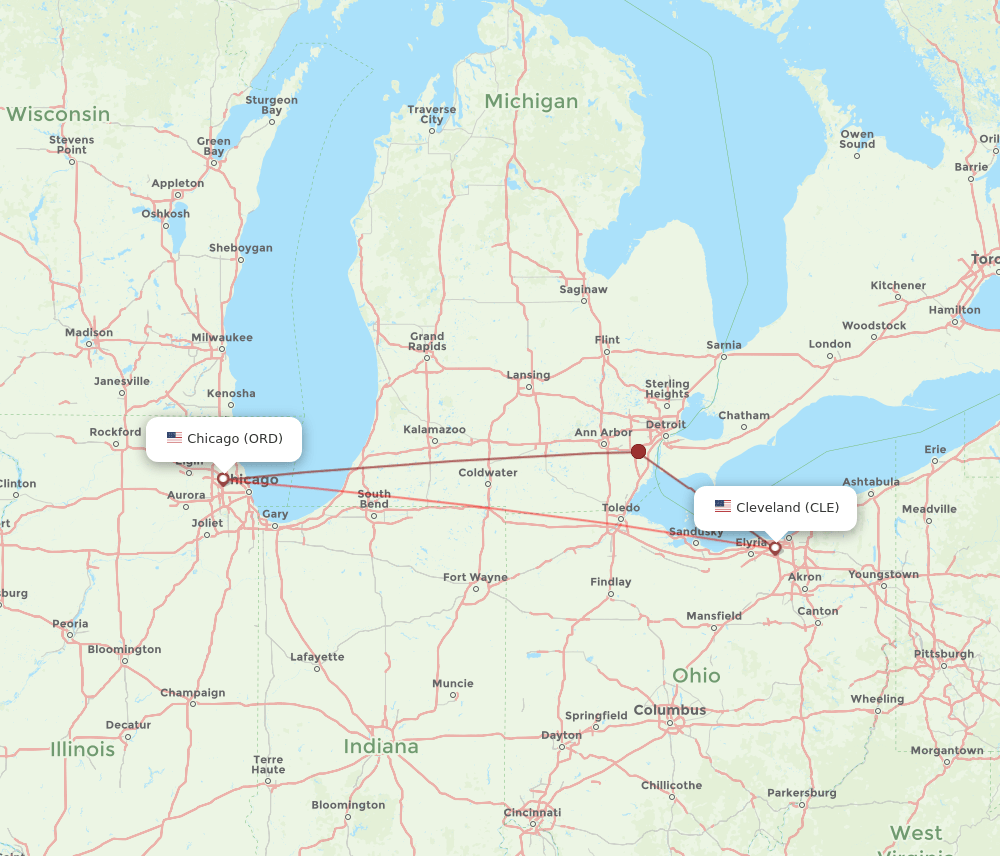
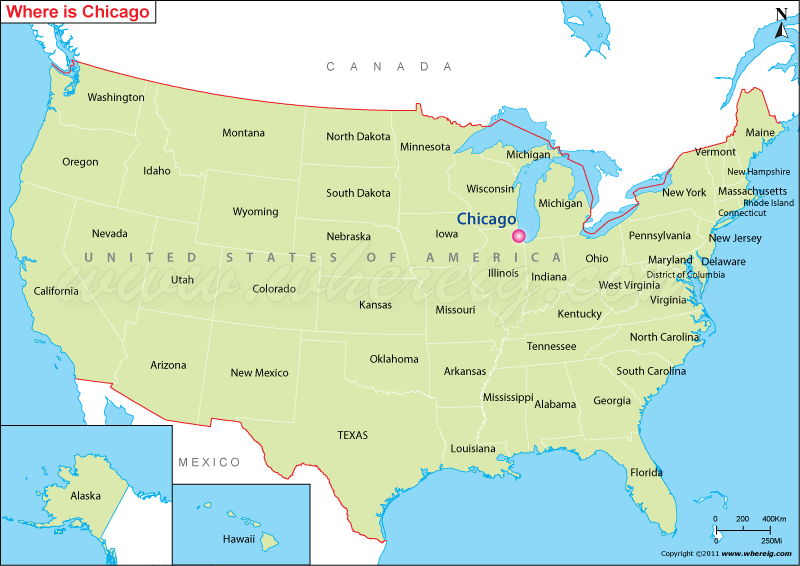
To accurately answer the question of distance, we must first acknowledge that Ohio is a substantial state with numerous major cities and towns, each varying in its proximity to Chicago. The journey’s length, therefore, depends entirely on your specific starting or ending point within Ohio. Chicago itself is situated on the southwestern shore of Lake Michigan, making it a significant hub in the Midwest, while Ohio borders Michigan to the north, Pennsylvania to the east, West Virginia and Kentucky to the south, and Indiana to the west. This geographical positioning means that western Ohio cities will naturally be closer to Chicago than those in the eastern part of the state.
Ohio’s Proximity to Illinois
The state of Ohio shares a direct border with Indiana, which in turn borders Illinois. This inter-state connection establishes a relatively straightforward path for ground travel between Chicago and Ohio. The vast majority of the driving routes will traverse across Indiana, primarily utilizing major interstates like I-80/90, I-70, and I-74, depending on the specific Ohio destination. While no part of Ohio is immediately adjacent to Illinois, the intervening distance through Indiana is manageable, making cross-state travel a common occurrence for business and leisure.
Defining “From Ohio” – Which City in Ohio?
To provide concrete distances, let’s consider three of Ohio’s major metropolitan areas: Cleveland, Columbus, and Cincinnati. These cities represent different geographical points within Ohio and thus offer varied travel profiles to and from Chicago.
- Chicago to Cleveland: As a major city on Lake Erie in northeastern Ohio, Cleveland is one of the further major hubs from Chicago.
- Chicago to Columbus: Located in central Ohio, Columbus serves as the state capital and a significant crossroads.
- Chicago to Cincinnati: Situated in southwestern Ohio, near the Kentucky border and on the Ohio River, Cincinnati is generally the closest of the three to Chicago.
These distinctions are crucial for accurate trip planning, as they will dictate the most efficient mode of travel and the total time commitment.
Calculating the Distance: Diverse Perspectives
The distance between Chicago and Ohio can be measured in several ways, each offering distinct advantages and considerations for travelers. The mode of transportation significantly impacts not only the travel time but also the overall experience and cost.
Driving Distance and Time
For many, a road trip remains the preferred method of inter-state travel, offering flexibility and the opportunity to explore along the way. The driving distances and times are approximations and can vary based on traffic, road conditions, and the specific starting/ending points within each city.
- Chicago to Cleveland: Approximately 350 miles (560 km). This journey typically takes 5.5 to 6.5 hours via I-80/90 E, also known as the Indiana and Ohio Turnpikes. Be prepared for tolls on this route.
- Chicago to Columbus: Roughly 300 miles (480 km). The drive usually spans 4.5 to 5.5 hours, often involving I-65 S and I-70 E. This route generally has fewer major tolls compared to the northern route to Cleveland.
- Chicago to Cincinnati: Around 295 miles (475 km). This is the shortest major city drive, typically taking 4.5 to 5 hours via I-65 S and I-74 E.
When driving, factors like peak-hour traffic (especially around urban centers), construction, and weather conditions can significantly extend travel times. Planning for strategic pit stops for gas, food, and rest is crucial for a comfortable journey, particularly for longer drives to Cleveland.
Air Travel: Speed and Convenience
For those prioritizing speed, air travel is the most efficient option. Chicago is served by two major international airports: Chicago O’Hare International Airport (ORD) and Chicago Midway International Airport (MDW). Ohio also boasts several key airports: Cleveland Hopkins International Airport (CLE), John Glenn Columbus International Airport (CMH), and Cincinnati/Northern Kentucky International Airport (CVG).
- Flight duration: Direct flights between Chicago and these Ohio cities typically range from 1 hour to 1 hour and 15 minutes.
- Total travel time: While the actual flight is short, remember to factor in time for getting to and from the airport, check-in, security screening, and potential delays. This can add 2-3 hours on each end, making the total door-to-door travel time comparable to a long drive, especially for destinations closer to Chicago like Cincinnati. However, for longer distances within Ohio, or if driving is not an option, air travel often remains the quickest.
Train and Bus Journeys: Scenic and Economical Options
For a more relaxed or budget-friendly approach, train and bus services offer viable alternatives.
- Train (Amtrak): Amtrak offers routes connecting Chicago’s Union Station to various Ohio cities. For example, the Capitol Limited route travels through northern Ohio, stopping in cities like Toledo and Cleveland. Travel times can range from 5-7 hours to Toledo and 7-9 hours to Cleveland. While slower than flying, Amtrak provides a comfortable experience with amenities and the ability to enjoy the Midwest scenery.
- Bus (Greyhound and others): Bus services like Greyhound connect Chicago with most major Ohio cities. These are typically the most economical options, but also the longest in terms of travel duration. Expect journeys of 7-10 hours or more, depending on the number of stops and the destination within Ohio. For instance, a bus trip from Chicago to Columbus might take 7-8 hours, while to Cleveland it could be 8-9 hours.
Planning Your Journey: Key Considerations for Travelers

Regardless of your chosen mode of transportation, thoughtful planning is essential for a smooth and enjoyable trip between Chicago and Ohio. Taking into account timing, budget, and packing will significantly enhance your travel experience.
Best Time to Travel
The ideal time to travel depends heavily on your preferences and the purpose of your trip.
- Spring and Fall: These seasons generally offer the most pleasant weather for driving, with milder temperatures and often beautiful scenery. Avoid major holiday weekends if possible, as roads and airports can become significantly more crowded.
- Summer: While popular for family vacations, summer travel can mean higher prices for flights and accommodation, increased crowds at popular attractions, and potential for more intense traffic.
- Winter: Driving in winter across the Midwest can be challenging due to snow, ice, and cold temperatures, especially if you plan to traverse through northern Indiana and Ohio near Lake Erie. Flight delays and cancellations are also more common during this season. If driving, ensure your vehicle is winter-ready and check weather forecasts diligently.
Consider any major event calendars in Chicago or your Ohio destination, such as festivals, sports games, or conventions, as these can also impact travel demand and pricing.
Budgeting for Your Trip
Travel costs can fluctuate widely based on your chosen transport, booking lead time, and personal spending habits.
- Driving: Factor in fuel costs, potential tolls (especially on the Indiana and Ohio Turnpikes), and vehicle maintenance. If traveling with multiple people, driving often becomes the most cost-effective per person.
- Flying: Airfare can vary significantly. Booking in advance and being flexible with travel dates can help secure better deals. Also, account for baggage fees and transportation to/from airports.
- Train/Bus: Train tickets for Amtrak are generally more expensive than bus fares but offer more comfort. Booking early is always recommended for the best prices.
- Additional Costs: Don’t forget to budget for accommodation at your destination, dining, local transportation, and activities or attractions.
Essential Packing Tips
Your packing strategy should align with your mode of travel and the season.
- For Road Trips: Pack snacks, drinks, entertainment, a first-aid kit, and consider a roadside emergency kit. Comfortable clothing is key.
- For Air Travel: Be mindful of TSA regulations for liquids and restricted items. Pack light to avoid baggage fees if possible, and keep essentials (medication, valuables) in your carry-on.
- General: Layered clothing is often wise for the Midwest’s variable weather. Always carry important documents, chargers for your devices, and any necessary medications.
Exploring the Destinations: What Awaits You?
While the journey is a significant part of the experience, the destinations themselves offer compelling reasons to make the trip. Both Chicago and Ohio’s major cities are rich in culture, history, and modern attractions.
Chicago: The Windy City’s Allure
Chicago is a world-class city renowned for its stunning architecture, vibrant arts scene, and diverse culinary landscape. Upon arrival, visitors can immerse themselves in a plethora of attractions: stroll through Millennium Park to see “The Bean” (Cloud Gate), explore masterpieces at the Art Institute of Chicago, or take in panoramic views from the Willis Tower Skydeck. Indulge in the city’s famous deep-dish pizza, catch a show in the theater district, or enjoy the lively atmosphere of Navy Pier. From the historic charm of Wrigleyville to the upscale shopping on the Magnificent Mile, Chicago promises an unforgettable experience.
Discovering Ohio: Diverse Experiences
Ohio’s cities each offer unique character and attractions.
- Cleveland: Home to the iconic Rock & Roll Hall of Fame, Cleveland boasts a thriving culinary scene, beautiful Metroparks, and a revitalized downtown. Its location on Lake Erie also provides scenic waterfront views and recreational opportunities.
- Columbus: As Ohio’s capital, Columbus is a dynamic city known for its vibrant arts district, diverse neighborhoods like the historic German Village, and a burgeoning food scene. It’s a hub of innovation and culture.
- Cincinnati: With its distinctive German heritage, Cincinnati offers picturesque architecture, a vibrant arts scene, and attractions like the Cincinnati Zoo and the National Underground Railroad Freedom Center. Its position on the Ohio River adds to its charm.
These destinations provide ample reasons for travelers to embark on the journey, offering a spectrum of cultural, recreational, and culinary delights.
Making the Most of Your Inter-State Journey
Optimizing your travel experience between Chicago and Ohio involves more than just knowing the distance; it’s about making informed choices to suit your preferences and maximize enjoyment.
Road Trip Itineraries and Scenic Routes
If you opt for a road trip, consider transforming the drive into part of the adventure. The route from Chicago through Indiana offers opportunities for interesting stops. For instance, Indiana Dunes National Park is a natural wonder just an hour’s drive east of Chicago, offering hiking and beach access along Lake Michigan. Further into Indiana, charming Midwest towns provide a chance to experience local culture and cuisine. Planning a few short detours can break up the drive and add memorable moments to your journey.
Maximizing Air Travel Efficiency
For air travelers, leveraging online travel agencies and airline websites for price comparisons is key to securing affordable airfare. Consider flying into smaller regional airports in Ohio if your final destination is closer to one of them, as they might offer less crowded experiences and potentially better prices, though often with fewer direct flight options. Utilizing mobile boarding passes and familiarizing yourself with airport layouts can also streamline the check-in and security process, saving valuable time.
Experiencing the Midwest by Rail or Bus
Choosing train or bus services offers a unique perspective on Midwest travel. Amtrak provides a more spacious and comfortable environment than flying, allowing passengers to work, read, or simply enjoy the passing landscape without the stress of driving. Bus travel, while often longer, can be an excellent option for solo travelers or those on a tight budget. Both modes offer the chance to connect with fellow travelers and experience the journey at a slower, more contemplative pace.
In conclusion, the distance between Chicago and Ohio is a variable depending on your specific origin and destination points, ranging from approximately 295 miles to over 350 miles for major cities. Each travel method—driving, flying, or using rail/bus—presents its own set of advantages in terms of time, cost, and experience. By carefully considering your options and planning ahead, your journey across the Midwest can be as rewarding as the destination itself, opening doors to the rich cultural and natural treasures that await in both Chicago and the great state of Ohio.
LifeOutOfTheBox is a participant in the Amazon Services LLC Associates Program, an affiliate advertising program designed to provide a means for sites to earn advertising fees by advertising and linking to Amazon.com. Amazon, the Amazon logo, AmazonSupply, and the AmazonSupply logo are trademarks of Amazon.com, Inc. or its affiliates. As an Amazon Associate we earn affiliate commissions from qualifying purchases.