
Understanding the current weather in New York is not just a matter of curiosity for those planning a visit; it’s a crucial element for crafting the perfect itinerary, packing appropriately, and ultimately, maximizing the enjoyment of this dynamic metropolis. The weather in the Big Apple is famously capricious, capable of shifting dramatically from one season to the next, and even within a single day. For the discerning traveler, a real-time understanding of atmospheric conditions offers invaluable insight into what to expect, how to dress, and what activities will be most appealing. This guide delves into the nuances of New York weather, offering practical advice and highlighting how current conditions can shape your urban adventure.

The Ever-Changing Climate of New York
New York City, situated in the northeastern United States, experiences a humid subtropical climate, characterized by four distinct seasons, each with its own unique charm and meteorological challenges. This variability means that a “snapshot” of the weather today can paint a very different picture from what you might encounter tomorrow or next week.
Understanding Seasonal Variations
Each season in New York brings a distinct weather profile that directly impacts visitor experiences.
- Spring (March – May): Spring is a season of transition. Early spring can still be quite chilly, with lingering snow in March, but as the months progress, temperatures gradually rise. Expect a mix of sunny days and intermittent rain showers. Temperatures typically range from the low 40s Fahrenheit (around 5°C) in early March to the high 60s and low 70s Fahrenheit (around 20-23°C) by May. This is a popular time for exploring parks like Central Park as they come back to life with blooming flowers and budding trees.
- Summer (June – August): Summers in New York are generally hot and humid. Daytime temperatures often soar into the 80s and 90s Fahrenheit (27-37°C), sometimes even higher, making air-conditioned indoor attractions a welcome respite. Afternoon thunderstorms are common, offering a dramatic display of nature’s power. Evenings can be warm and muggy, perfect for rooftop bars or catching an outdoor performance.
- Autumn (September – November): Autumn is arguably the most picturesque season in New York. The oppressive humidity of summer gives way to crisp, cool air, and the foliage in parks and along avenues transforms into a breathtaking tapestry of reds, oranges, and yellows. Temperatures cool down from the comfortable 70s Fahrenheit (around 21°C) in September to the 40s and 50s Fahrenheit (4-15°C) by November. This is an ideal time for walking tours and exploring neighborhoods like Greenwich Village.
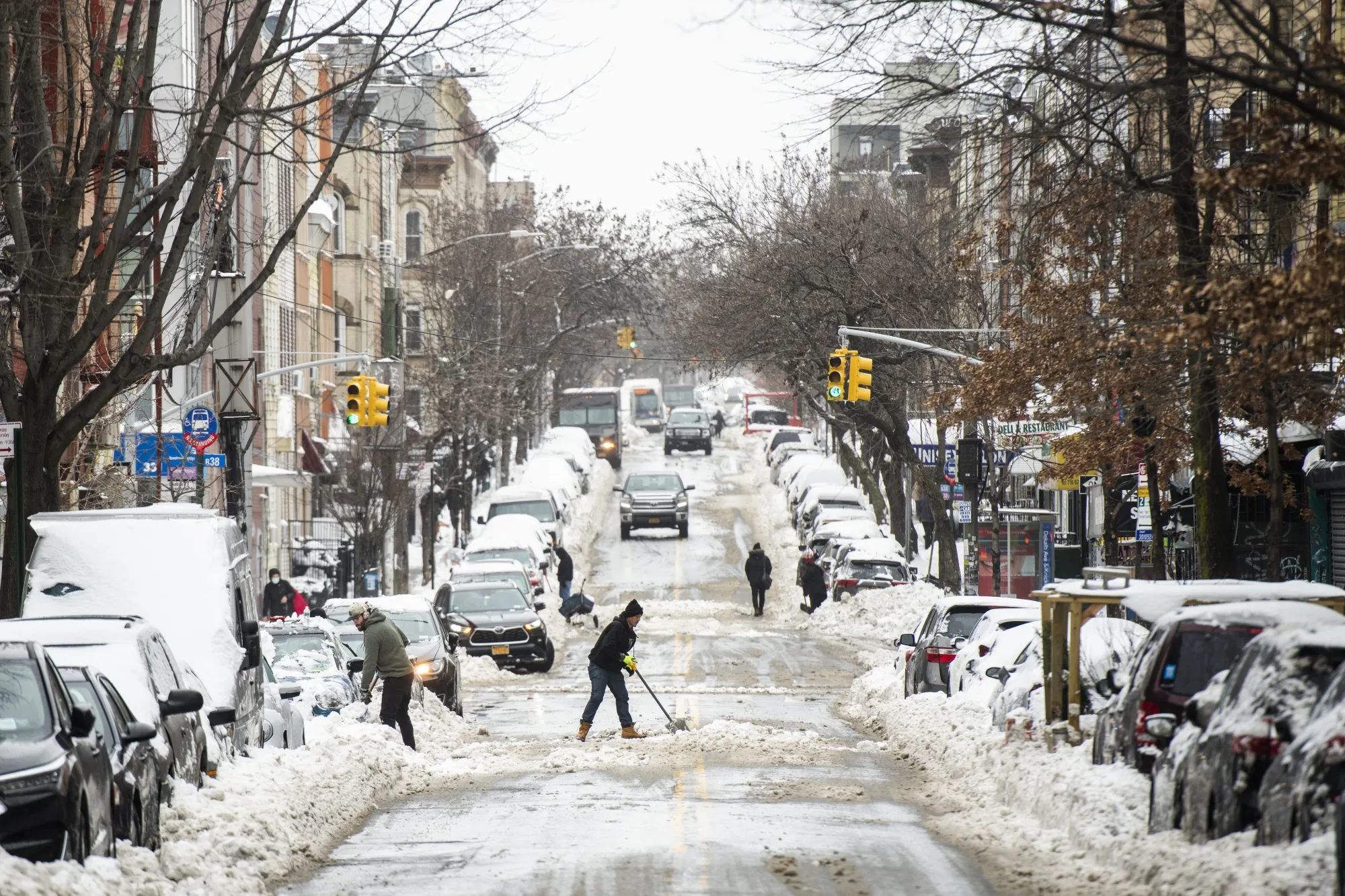
- Winter (December – February): Winters in New York can be cold, with average temperatures hovering in the 30s Fahrenheit (around 0°C). Snowfall is common, transforming the city into a winter wonderland, especially around landmarks like the Empire State Building or Times Square. However, periods of milder, crisp weather are also possible. Bundle up, and you can enjoy ice skating in Bryant Park or festive holiday decorations.
Precipitation Patterns
New York experiences precipitation throughout the year. Rain is common in all seasons, with spring and summer often seeing heavier, more frequent downpours, sometimes including thunderstorms. Winter brings the possibility of snow, ranging from light dustings to significant blizzards. The average annual precipitation is around 49.9 inches (1268 mm).
Real-Time Weather Data and Its Impact on Your Trip
Knowing the “now” of New York weather is paramount for immediate planning. This real-time information influences everything from what you wear to the feasibility of certain outdoor activities.
Dressing for the Conditions
The first and most obvious impact of current weather is on your wardrobe.
- Temperature: A quick check of the current temperature will dictate whether you need a light jacket, a heavy coat, or just a t-shirt. Pay attention to the “feels like” temperature, which accounts for wind chill in colder months and humidity in warmer months.
- Precipitation: Is it raining, snowing, or clear? This will determine whether you need an umbrella, waterproof shoes, or perhaps a hat and gloves. Even a light drizzle can significantly alter your plans if you were hoping for a day of exploring outdoor markets or strolling across the Brooklyn Bridge.
- Wind: Wind can make a significant difference, especially along the waterfront or on high observation decks. A breezy day can feel much colder than the thermometer suggests.
Activity Planning Based on Current Weather
The current weather conditions directly influence the types of activities that are most enjoyable and practical.
- Outdoor Pursuits: On a sunny, mild day, exploring neighborhoods like SoHo on foot, visiting outdoor attractions such as the High Line, or taking a ferry to see the Statue of Liberty are ideal. Conversely, a rainy or extremely cold day might steer you towards indoor museums like the Metropolitan Museum of Art, catching a Broadway show on Broadway, or indulging in a leisurely brunch in a cozy cafe in West Village.
- Transportation: Severe weather can sometimes impact New York’s extensive public transportation system, including the subways and buses. While generally resilient, extreme conditions like heavy snow or flooding can lead to delays or service disruptions. Understanding the current weather helps in factoring potential travel time adjustments.
- Dining Experiences: Outdoor dining is a popular New York pastime, but its viability is entirely dependent on the current weather. A pleasant evening might be perfect for enjoying a meal al fresco in the West Village, while a chilly or wet night would necessitate a reservation at an indoor restaurant, perhaps one with stunning city views, such as those found in the Rockefeller Center area.
Forecasting for Future Planning
While understanding the “now” is crucial for immediate decisions, forecasting the weather for New York in the coming days and weeks is essential for comprehensive trip planning, from booking accommodations to scheduling major excursions.
Short-Term Forecasts (1-3 Days)
For short-term planning, such as deciding on activities for the upcoming weekend, a 1-3 day forecast is invaluable. This allows you to:
- Confirm Outdoor Activity Slots: If you have a specific outdoor event planned, the short-term forecast can confirm its feasibility. For example, if a clear day is predicted for your visit to Governor’s Island, you can proceed with confidence.
- Adjust Wardrobe Plans: Knowing the forecast for the next few days allows you to pack a more precise selection of clothing, avoiding overpacking or being caught unprepared.
- Book Last-Minute Experiences: A favorable forecast might encourage you to book a last-minute reservation for a rooftop bar or an outdoor concert.
Medium-Term Forecasts (3-7 Days)
A 3-7 day forecast is the sweet spot for most travelers. It allows for more strategic planning:
- Itinerary Sequencing: You can strategically schedule your outdoor activities for days with the best predicted weather and your indoor attractions for days that might be less favorable. For instance, if a rainy spell is forecasted midweek, you might plan your museum visits then and save your walking tours for the weekend.
- Packing Refinements: This timeframe allows for more detailed packing adjustments, ensuring you have appropriate gear for a range of potential conditions.
- Restaurant Reservations: For popular restaurants, especially those with outdoor seating or specific seasonal menus, a medium-term forecast can help you make informed reservation decisions.
Long-Term Trends and Seasonal Outlooks
While precise day-to-day weather is impossible to predict months in advance, understanding long-term climate trends and seasonal outlooks provides a general framework for planning:
- Choosing Travel Dates: If you have flexibility, understanding the typical weather patterns for different months can help you choose the optimal time to visit New York. For instance, avoiding the peak heat and humidity of summer or the harshest cold of winter might be desirable.
- General Packing Guidance: Even without daily forecasts, knowing you’re traveling in autumn, for example, suggests packing layers and being prepared for cooler temperatures and potential rain.
- Booking Flexibility: For longer stays or trips booked far in advance, understanding the general seasonal expectations can influence the type of accommodation you seek. For instance, a summer booking might prioritize an air-conditioned room, while a winter booking might focus on proximity to public transport to minimize outdoor exposure.
Leveraging Weather Information for an Optimal New York Experience
The key to a successful trip to New York lies in embracing its dynamic nature, and its weather is a significant part of that. By staying informed and adaptable, you can transform potential weather challenges into unique opportunities.
Embracing the Elements
Instead of viewing adverse weather as an inconvenience, consider how it can enhance your experience. A snowy day in New York can offer magical views of the city’s iconic skyline and a chance for cozy indoor pursuits. A hot summer afternoon can be perfectly complemented by a refreshing visit to Coney Island or a shaded picnic in Prospect Park.
Staying Informed: Tools and Resources
Numerous resources are available to help you stay updated on New York weather:
- Weather Apps: Popular mobile weather applications provide real-time updates, hourly forecasts, and severe weather alerts.
- Official Meteorological Websites: Websites like the National Weather Service offer detailed forecasts and advisories.
- Local News Outlets: New York-based news channels and websites often provide comprehensive weather reports and traffic advisories.

The Art of Flexibility
Perhaps the most important tip for navigating New York’s weather is to remain flexible. Have a backup plan for your backup plan. This might mean having a list of indoor activities ready in case of rain or being prepared to swap days for outdoor excursions if the forecast shifts. By staying informed and embracing a flexible mindset, you ensure that no matter the weather, your journey through the vibrant streets of New York will be memorable and enjoyable.
LifeOutOfTheBox is a participant in the Amazon Services LLC Associates Program, an affiliate advertising program designed to provide a means for sites to earn advertising fees by advertising and linking to Amazon.com. Amazon, the Amazon logo, AmazonSupply, and the AmazonSupply logo are trademarks of Amazon.com, Inc. or its affiliates. As an Amazon Associate we earn affiliate commissions from qualifying purchases.