
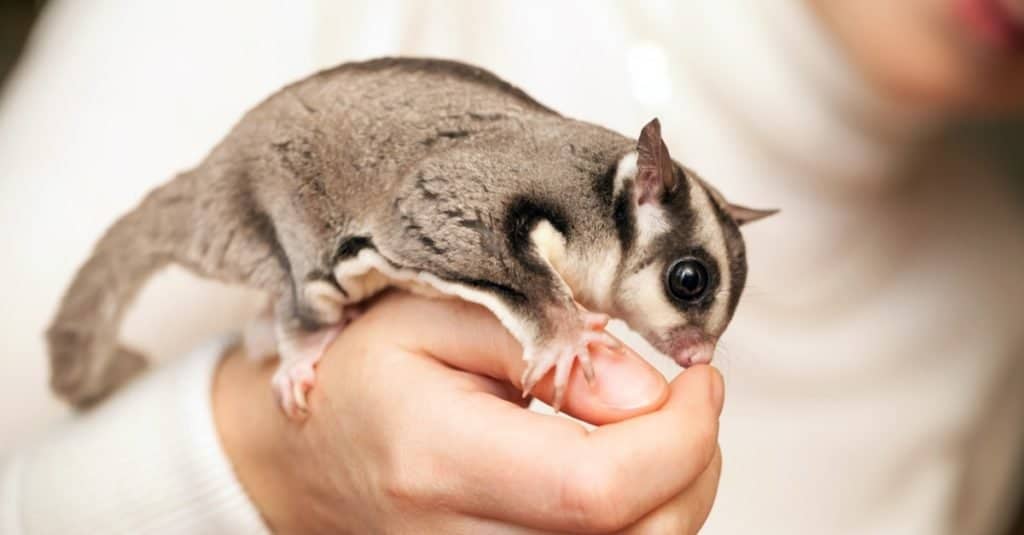
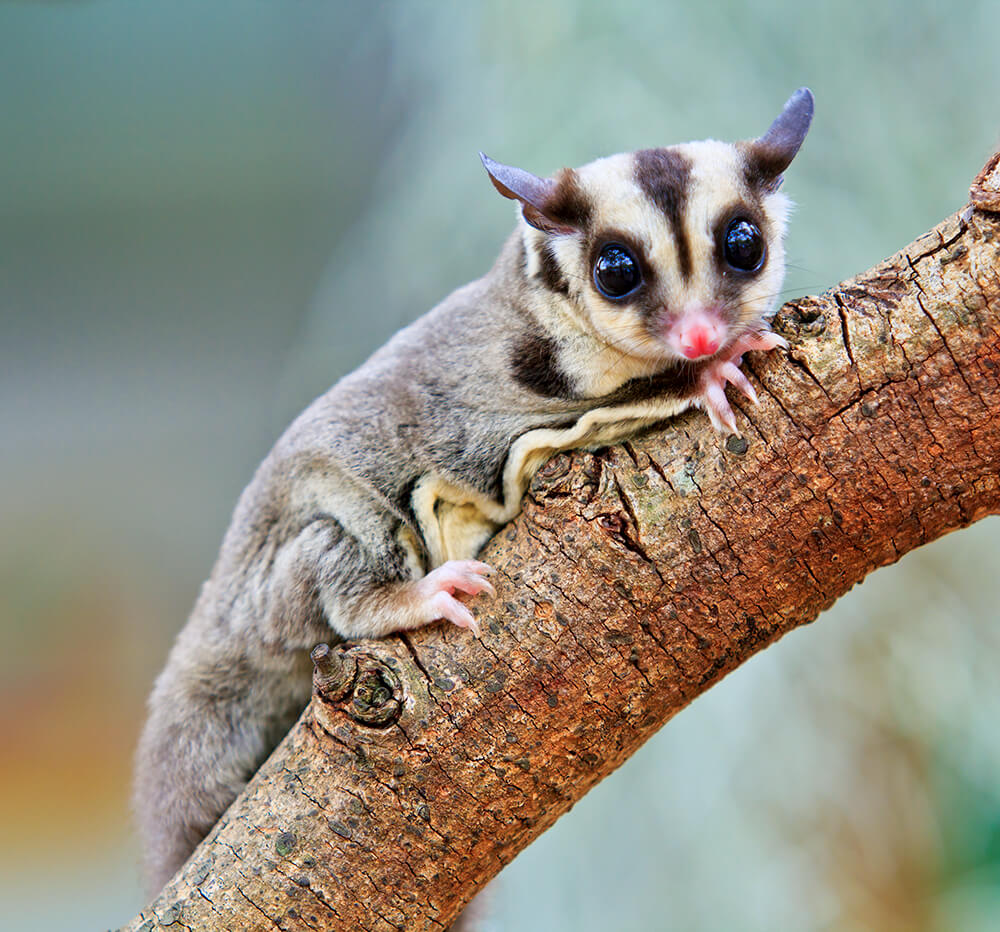
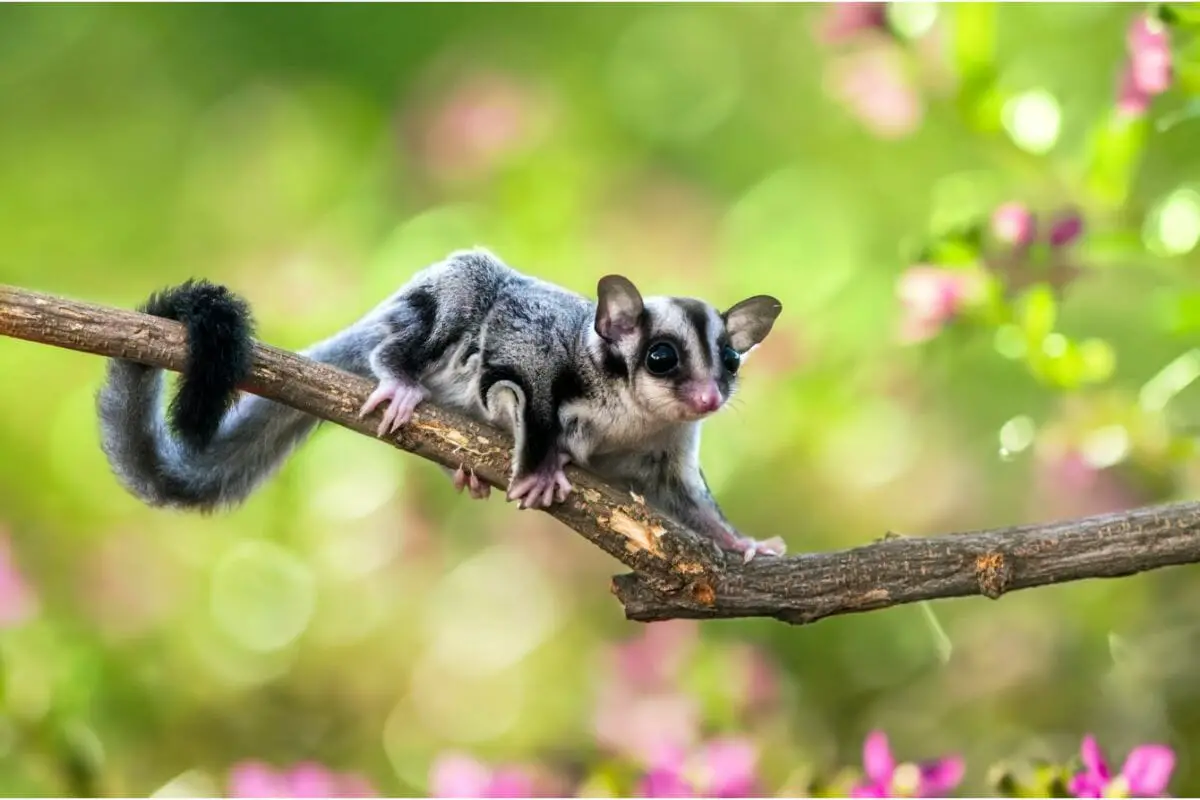
The allure of exotic pets is undeniable for many, with their unique appearances and fascinating behaviors offering a captivating alternative to traditional companions like cats and dogs. Among these, the sugar glider ( Petaurus breviceps) stands out: a small, nocturnal marsupial native to Australia and New Guinea, known for its large, expressive eyes and a charming gliding membrane that allows it to soar between trees. However, for residents and prospective pet owners in the Golden State, the dream of owning one of these adorable creatures often collides with a stark legal reality. The straightforward answer to whether sugar gliders are illegal in California is unequivocally yes. They are prohibited as pets, and understanding the reasoning behind this ban is crucial for anyone considering exotic pet ownership in the state. This article delves into the complex legal landscape of exotic animals in California, examining why sugar gliders are forbidden, the implications for residents, and the broader context of responsible pet ownership.
The Complex World of Exotic Pet Ownership in California
California is renowned for its diverse ecosystems and a proactive stance on environmental protection. This commitment extends to the regulation of exotic animals, reflecting a deep concern for both native wildlife and public safety. The state’s strict laws regarding non-native species are among the most comprehensive in the United States, designed to prevent ecological disruption and safeguard animal welfare.
California’s Stance on Non-Native Species
The California Department of Fish and Wildlife (CDFW) is the primary agency tasked with enforcing these regulations. Their mission includes protecting California’s native flora and fauna from the potential threats posed by non-native species. These threats can manifest in various forms: competition for resources with indigenous animals, the introduction of diseases to which native populations have no immunity, habitat destruction, and direct predation. The CDFW maintains a list of restricted species, and owning, transporting, or importing any animal on this list without specific permits (which are rarely granted for individual pet ownership) is a violation of state law. This stringent approach is a preventative measure, learned from countless examples globally where introduced species have wreaked havoc on local environments, such as the Burmese python in Florida or rabbits in Australia.
What Defines an “Exotic Pet”?
The term “exotic pet” can be broad, but in the context of California law, it generally refers to any animal species that is not domesticated and is not native to the state. This includes a vast array of animals, from certain reptiles and amphibians to various mammals and birds. The classification isn’t just about origin; it also considers the animal’s potential impact on the ecosystem, its capacity to carry diseases, and the feasibility of meeting its complex welfare needs in a domestic environment. Unlike common domesticated pets, exotic animals often retain their wild instincts, possess specialized dietary requirements, and demand specific environmental conditions that are difficult, if not impossible, to replicate in a typical home setting. The regulations aim to prevent impulse purchases that often lead to animal neglect, abandonment, or escape, all of which can have dire consequences for the animal and the environment.
Sugar Gliders: Adorable Companions, Legal Quandaries
Despite their growing popularity in other parts of the world and in some U.S. states, sugar gliders fall squarely into the category of prohibited exotic animals in California.
The Specific Case of Sugar Gliders
Under the California Fish and Game Code, Section 2118, sugar gliders are explicitly listed as restricted species. This code broadly prohibits the importation, transportation, and possession of “undomesticated native and foreign wild animals.” As marsupials originating from Australia and New Guinea, sugar gliders are clearly classified as foreign wild animals and are not native to California’s ecosystem. This means that individuals residing in California are legally barred from owning sugar gliders, regardless of how responsibly they believe they can care for them. The law makes no distinction for individual circumstances, and the ban is comprehensive across the state.
Why the Ban? Understanding the Rationale
The prohibition of sugar gliders, like many other exotic species, is rooted in several key concerns:
- Environmental Impact: Sugar gliders, if they were to escape or be released, could potentially establish wild populations in California’s mild climate. This could lead to competition with native wildlife for food and habitat, particularly for small mammals and birds. Their omnivorous diet, which includes insects, fruits, and nectar, could disrupt local food chains and damage agricultural crops or native plant species.
- Disease Transmission: Exotic animals can carry zoonotic diseases (diseases transmissible from animals to humans) for which there might be no known treatment or local immunity. While specific diseases from sugar gliders are rare, they can carry bacteria like Salmonella, which poses a risk to human health, especially for children, the elderly, or those with compromised immune systems.
- Animal Welfare Concerns: Sugar gliders have highly specialized needs that are difficult for the average pet owner to meet. They are nocturnal, requiring specific lighting and an environment that mimics their natural arboreal habitat. Their diet is complex and needs to be carefully balanced. They are also highly social animals and thrive best in colonies, meaning solitary sugar gliders can suffer from severe stress and depression. The inability of many owners to provide these intricate care requirements often leads to poor welfare outcomes for the animals.
- Illegal Pet Trade: Bans on specific species are also a tool to combat the illegal exotic pet trade, which often involves inhumane capture and transport practices, contributing to species decline in their native habitats and posing risks to public health and safety.
Navigating the Legal Landscape for Prospective Owners
For individuals passionate about animals and considering an exotic pet, understanding the legal framework in California is paramount. The consequences of violating these laws are significant and extend beyond simple fines.
Penalties and Risks of Illegally Owning a Sugar Glider
Owning a prohibited animal like a sugar glider in California is not a minor infraction. Violators can face misdemeanor charges, significant fines, and the immediate confiscation of the animal. Fines can range from hundreds to thousands of dollars, and in some cases, individuals may face jail time. Furthermore, the confiscated animal will not be returned and will likely be transferred to an approved wildlife sanctuary or, in some unfortunate cases, euthanized if no suitable placement can be found or if it poses a health risk. This outcome is devastating for both the owner and the animal and underscores the importance of adhering to state laws. The legal and emotional toll of such an experience can be substantial, making the initial temptation to circumvent the law a very high-risk proposition.
Researching Local and State Regulations
Before acquiring any exotic animal, individuals must conduct thorough research into both state and local regulations. While the CDFW handles statewide prohibitions, local city and county ordinances may have additional restrictions. Some jurisdictions might permit species that are legal at the state level but impose their own bans or require specific permits. Reputable breeders or pet stores should always be able to provide clear documentation of an animal’s legal status, but ultimate responsibility lies with the prospective owner to verify this information. Consulting the CDFW website, contacting local animal control agencies, or seeking advice from wildlife veterinarians are all prudent steps to ensure compliance and responsible pet ownership.
Implications for Residents and Travelers
The ban on sugar gliders in California has important implications not just for prospective owners, but also for existing sugar glider owners contemplating a move to the state or even just passing through.
Moving to or Through California with an Exotic Pet
Ignorance of the law is not a valid defense. If you own a sugar glider and plan to move to California from a state where they are legal, you cannot bring your pet with you. Attempting to do so risks confiscation of your animal, fines, and legal action. The same applies even if you are simply traveling through California to another destination. It is essential to plan alternative routes or make arrangements for your pet before entering the state. The CDFW and other law enforcement agencies conduct inspections and are vigilant about preventing the illegal entry of prohibited species. The emotional distress of having a beloved pet confiscated at the state border is a scenario best avoided through careful planning and adherence to regulations.
What If You Already Own One?
For individuals who already own a sugar glider in a state where they are legal, and are considering relocating to California, the stark reality is that the pet cannot legally accompany them. This difficult situation often forces owners to make heartbreaking decisions. Options might include rehoming the sugar glider with family or friends in a state where they are legal, or seeking out licensed exotic animal sanctuaries outside of California that are equipped to care for such specialized animals. It is crucial to never release an exotic pet into the wild, as this is not only illegal but also incredibly harmful to the animal, which is ill-equipped to survive in an unfamiliar environment, and poses a severe threat to local ecosystems.
Responsible Pet Ownership and Alternatives
While the legal barriers to owning a sugar glider in California may be disappointing for some, they serve as an important reminder of the responsibilities inherent in pet ownership and the broader ecological impact of human choices.
Considering Native or Legally Permitted Pets
For those living in California and seeking a companion, countless legal and wonderful pets are available. Domesticated animals like dogs, cats, rabbits, hamsters, guinea pigs, and various bird species are excellent choices. Furthermore, there are specific exotic pets that are legal in California, such as certain species of reptiles (e.g., bearded dragons, some geckos) and amphibians, provided they are acquired from reputable sources and comply with all state and local laws. Always research the specific needs of any animal before bringing it into your home to ensure you can provide a suitable and enriching environment. Supporting animal shelters and rescue organizations is also a fantastic way to find a loving companion and give an animal a second chance at life.
Supporting Conservation and Ethical Pet Practices
The restrictions on exotic pets in California ultimately promote a more ethical approach to animal companionship. By choosing legally permissible pets and educating ourselves on their specific needs, we contribute to responsible pet ownership. Supporting conservation efforts for wildlife in their natural habitats, rather than seeking to own them as pets, is a more impactful way to appreciate and protect exotic species. Organizations dedicated to wildlife rehabilitation and environmental preservation welcome support and offer opportunities to engage with animals in a way that respects their wild nature and contributes to their long-term survival. Embracing these principles ensures that our love for animals translates into actions that benefit both individual creatures and the planet as a whole.
LifeOutOfTheBox is a participant in the Amazon Services LLC Associates Program, an affiliate advertising program designed to provide a means for sites to earn advertising fees by advertising and linking to Amazon.com. Amazon, the Amazon logo, AmazonSupply, and the AmazonSupply logo are trademarks of Amazon.com, Inc. or its affiliates. As an Amazon Associate we earn affiliate commissions from qualifying purchases.