
The weather in New York is a constant topic of conversation, a critical factor for both residents and visitors planning their day. From the sweltering heat of summer to the biting chill of winter, each season paints a unique picture of this dynamic metropolis. Understanding today’s weather in New York City is not just about knowing the temperature; it’s about appreciating the nuances of the microclimates within the city, how they impact daily life, and how to best prepare for whatever the sky decides to offer.
Understanding the New York Climate: A Symphony of Seasons
New York’s climate is characterized by its four distinct seasons, each bringing its own set of weather patterns and influencing the city’s rhythm. This continental climate means significant temperature variations throughout the year. For anyone visiting iconic landmarks like the Empire State Building or exploring the vibrant streets of Manhattan, understanding these seasonal shifts is paramount to a comfortable and enjoyable experience. Today’s forecast is a snapshot within this larger climatic context.

The Dance of Temperature and Precipitation
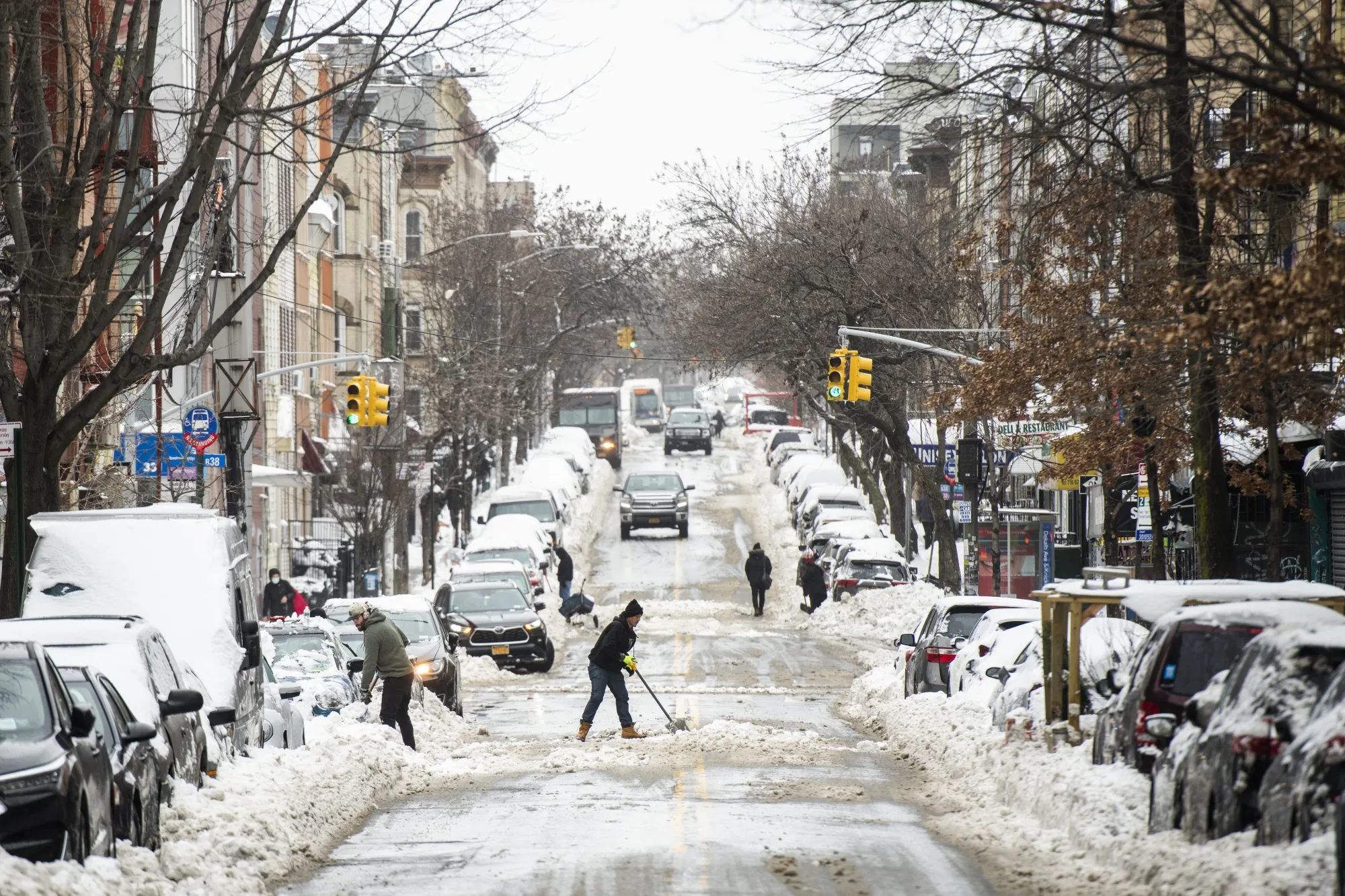
The average high temperatures in New York during January, the coldest month, hover around 39°F (4°C), with overnight lows often dropping below freezing. Conversely, July, the warmest month, sees average highs around 84°F (29°C), with heatwaves pushing temperatures even higher. Precipitation is spread relatively evenly throughout the year, though summer months can see more intense thunderstorms. Snowfall is a significant feature of winter, with average accumulations varying considerably year to year, sometimes blanketing the city in a picturesque white layer, perfect for a stroll through Central Park. Rain is common in spring and autumn, contributing to the lush greenery of the warmer months and the vibrant foliage of the fall. Today’s forecast will detail the specific temperature, chance of precipitation, and any advisories relevant to the current conditions.
Humidity’s Role in Perceived Temperature
Beyond the raw numbers, humidity plays a crucial role in how the weather feels in New York. High humidity in the summer can make already warm temperatures feel oppressive and sticky, impacting outdoor activities and the comfort of exploring areas like Times Square. In winter, low humidity can lead to dry air, which can be uncomfortable for many. Today’s forecast will often include a “feels like” temperature, which accounts for humidity and wind chill, providing a more accurate picture of the environmental conditions.
Preparing for New York’s Weather: Practical Advice for Today
Knowing today’s weather in New York is the first step; the second is preparing accordingly. Whether you’re a seasoned local or a first-time visitor eager to see attractions like the Statue of Liberty or enjoy a Broadway show, dressing appropriately and planning your activities around the forecast can make all the difference. This section provides actionable tips to ensure you make the most of your day, no matter the atmospheric conditions.
Dressing for the Elements: Layering is Key
The cornerstone of dressing for New York weather is layering. This strategy offers the flexibility to adapt to changing temperatures and indoor/outdoor transitions.
- For Cold Weather: Start with a moisture-wicking base layer, add an insulating layer like fleece or wool, and top it off with a waterproof and windproof outer shell. Don’t forget a warm hat, gloves, and a scarf. Boots with good traction are essential for navigating snowy or icy sidewalks.
- For Warm Weather: Light, breathable fabrics like cotton and linen are your best friends. Loose-fitting clothing allows for better air circulation. Sunscreen, sunglasses, and a hat are crucial to protect against strong UV rays, especially when exploring outdoor spaces like Brooklyn Bridge Park.
- For Transitional Seasons (Spring/Autumn): This is where layering truly shines. A light jacket or sweater can be easily added or removed as temperatures fluctuate. A waterproof jacket is always a good idea, as sudden showers are common. Comfortable walking shoes are non-negotiable, as you’ll likely be doing a lot of exploring on foot, perhaps to visit the Metropolitan Museum of Art.
Activity Planning Based on Today’s Forecast
Today’s weather will inevitably influence your plans.
- Sunny and Pleasant: Ideal for outdoor excursions. Consider a ferry ride to see the Statue of Liberty, a walk through the High Line, or exploring neighborhoods like Greenwich Village. Picnics in Prospect Park are also a wonderful option.
- Rainy or Snowy: Embrace the indoor attractions. Museums like the American Museum of Natural History, galleries in Chelsea, or a performance on Broadway are perfect choices. Cozying up in a cafe in the West Village with a hot beverage is another delightful way to spend a wet day.
- Windy: While not as disruptive as heavy rain or snow, strong winds can make it feel colder and can impact outdoor comfort, especially in open areas or on bridges. Be mindful of this when planning walks.
Navigating New York’s Microclimates: The Urban Effect
New York City, with its towering skyscrapers and vast urban landscape, exhibits fascinating microclimates. The weather in one borough or even one neighborhood can differ slightly from another, influenced by factors like proximity to water, the “urban heat island” effect, and the sheer density of buildings. Understanding these nuances can help you better interpret today’s general forecast for New York.
The Urban Heat Island Effect
The concrete and asphalt that dominate the urban environment absorb and retain heat, leading to higher temperatures in densely built-up areas compared to surrounding rural or suburban regions. This means that during hot summer days, neighborhoods like Midtown Manhattan might feel significantly warmer than, for instance, parks in Queens or areas closer to the water in Brooklyn. Conversely, in winter, these same hard surfaces can contribute to colder conditions due to their ability to radiate heat away more efficiently at night.
The Influence of Water Bodies
The presence of the Hudson River and the Atlantic Ocean significantly influences the weather in coastal areas of New York.
- Coastal Breezes: On warm summer days, sea breezes can offer welcome relief, cooling down areas like Coney Island or the waterfront in DUMBO. These breezes can make the temperature feel milder along the coast than inland.
- Lake-Effect Snow (Less Common but Possible): While not as pronounced as in regions near the Great Lakes, moisture from the ocean can, under certain atmospheric conditions, contribute to localized snowfall, especially in areas closest to the coast.
- Fog: The proximity to the Atlantic Ocean also makes New York susceptible to fog, particularly in the spring and fall. This can impact visibility for those traveling, perhaps by ferry, or enjoying views from observation decks like Top of the Rock.
Staying Informed: Your Guide to Today’s New York Weather Forecast
Reliable and up-to-date weather information is crucial for planning your day in New York. Whether you’re checking before heading out to visit the United Nations Headquarters or before embarking on a shopping spree on Fifth Avenue, knowing where to find accurate forecasts is essential.
Reliable Sources for Daily Updates
Numerous resources provide accurate and timely weather information for New York City.
- National Weather Service: The official source for weather forecasts in the United States, the National Weather Service offers detailed and reliable predictions.
- Reputable Weather Apps and Websites: Many popular weather apps and websites, such as AccuWeather, The Weather Channel, and local news outlets, provide hourly and daily forecasts, radar imagery, and severe weather alerts. These are easily accessible on smartphones and computers.
- Local News Broadcasts: New York’s local television and radio stations provide regular weather updates tailored to the metropolitan area.

Interpreting the Forecast: Beyond the Basics
When you check today’s weather in New York, look beyond just the temperature.
- “Feels Like” Temperature: As mentioned, this accounts for wind chill and humidity, giving a better sense of actual comfort.
- Chance of Precipitation: This is a probability; a 40% chance of rain means there’s a significant possibility, so it’s wise to be prepared.
- Wind Speed and Direction: High winds can significantly impact outdoor comfort and can be a factor for activities like cycling or visiting elevated outdoor spaces.
- UV Index: Important for sun protection, especially during warmer months.
- Air Quality Index (AQI): Particularly relevant during periods of smog or high pollution, which can sometimes affect New York, especially during summer.
By understanding the general climate, preparing practically for the day’s conditions, being aware of the city’s microclimates, and utilizing reliable sources for forecasts, you can confidently navigate whatever weather New York has in store for you today.
LifeOutOfTheBox is a participant in the Amazon Services LLC Associates Program, an affiliate advertising program designed to provide a means for sites to earn advertising fees by advertising and linking to Amazon.com. Amazon, the Amazon logo, AmazonSupply, and the AmazonSupply logo are trademarks of Amazon.com, Inc. or its affiliates. As an Amazon Associate we earn affiliate commissions from qualifying purchases.